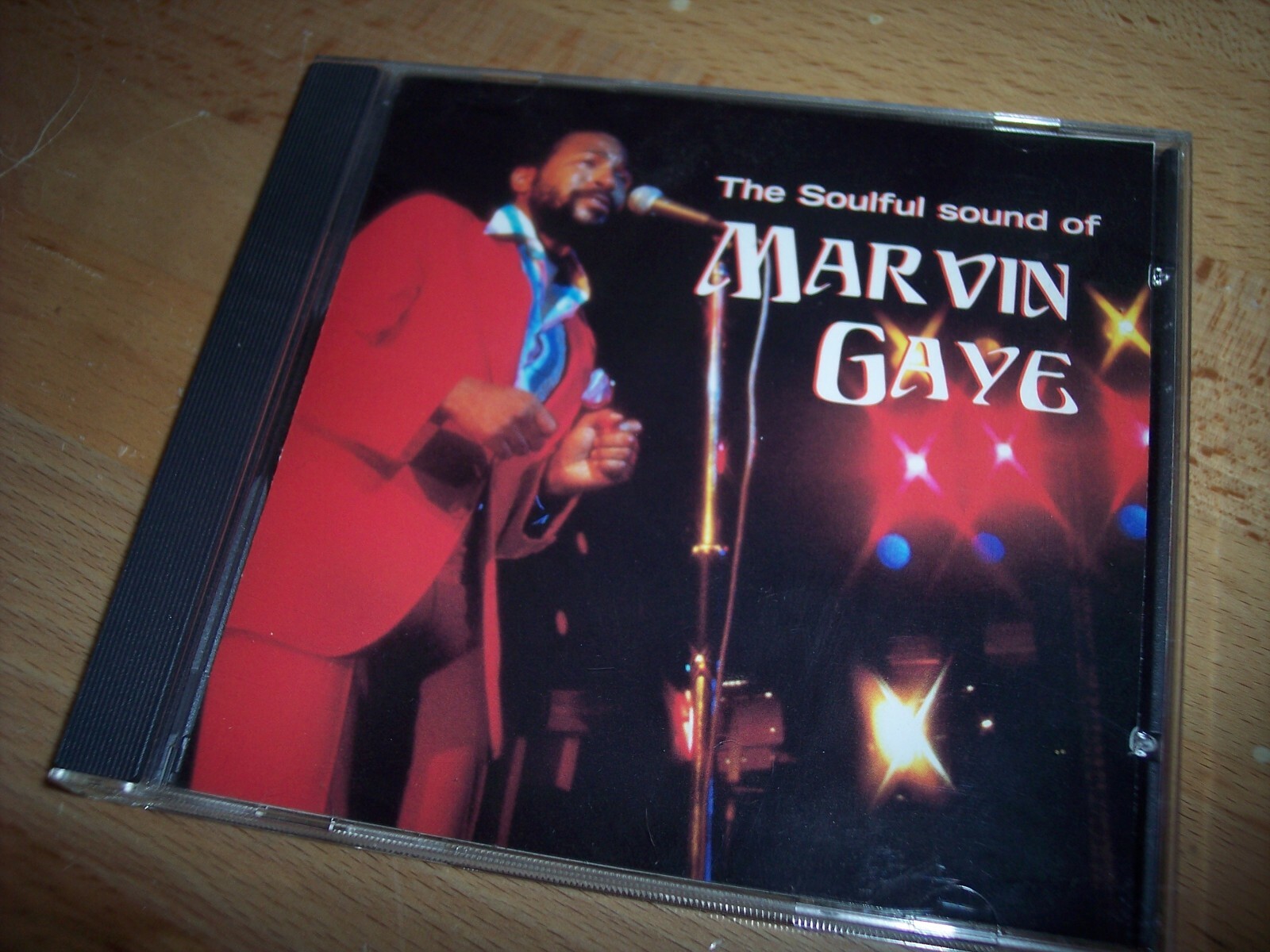
Marvin Gaye remains a towering figure in music history, a transformative artist whose vocal range and emotional depth redefined the Motown sound. From his humble beginnings as a church singer to his status as a legendary cultural icon, Gaye’s life and career represent a complex tapestry of artistry, social consciousness, and internal conflict that continues to influence contemporary music in 2026.
The Early Years and Musical Foundations
The story of the "Prince of Soul" began in Washington, D.C., where he was born Marvin Pentz Gay Jr. on April 2, 1939. His upbringing was deeply rooted in the Pentecostal House of God, where his father, Marvin Gay Sr., served as a minister. This environment provided the foundation for his vocal prowess.
- The 'E' Addition: Marvin added the "e" to his surname in the early 1960s to distinguish himself from his father and to emulate his idol, Sam Cooke.
- Church Roots: Before singing R&B, Gaye was a gifted gospel musician, playing the organ and drums during church services.
- High School Influences: While attending Cardozo High School, he joined various vocal groups, signaling his early interest in doo-wop.
- Military Stint: Gaye served in the United States Air Force briefly, though he was honorably discharged after feigning mental instability to leave the service.
- The Moonglows: He joined the group The Moonglows under the tutelage of Harvey Fuqua, gaining his first significant professional experience.
- Motown Discovery: It was Fuqua who brought Gaye to Detroit, where he caught the attention of Berry Gordy Jr.
- Early Drumming: Before becoming a solo star, Gaye was a session drummer for Motown, appearing on early tracks by The Miracles.
- Initial Aspirations: Initially, Gaye wanted to be a jazz crooner, not a rhythm and blues star.
- The Name Change: His birth name, Gay, was often a source of teasing during his youth, influencing his desire for a stage name.
- Piano Prodigy: Beyond his vocal talent, he was a self-taught multi-instrumentalist, capable of playing piano, drums, and organ with professional proficiency.
The Motown Ascent and Creative Evolution
Once signed to Tamla, a subsidiary of Motown Records, Gaye’s career began to flourish, though not without his characteristic artistic restlessness.
- "Stubborn Kind of Fellow": His first breakthrough solo hit, released in 1962, set the template for his early upbeat R&B style.
- The Duet King: Throughout the 1960s, Gaye was the quintessential duet partner, famously pairing with Mary Wells, Kim Weston, and Tammi Terrell.
- Tammi Terrell’s Passing: The tragic collapse of his duet partner Tammi Terrell onstage in 1967 left a permanent scar on Gaye, contributing to his subsequent withdrawal from performance.
- Songwriting for Others: Gaye co-wrote Martha and the Vandellas' hit "Dancing in the Street."
- Perfectionism: He was known for being intensely critical of his own work, often re-recording tracks dozens of times.
- Control Issues: He fought against the "Motown Machine" label, demanding more creative control over his album concepts.
- The "Marvin Gaye Sound": His mid-60s hits like "How Sweet It Is (To Be Loved By You)" solidified him as a pop-chart mainstay.
- Studio Presence: He frequently insisted on being the sole singer on his tracks, even when producers wanted backing choruses.
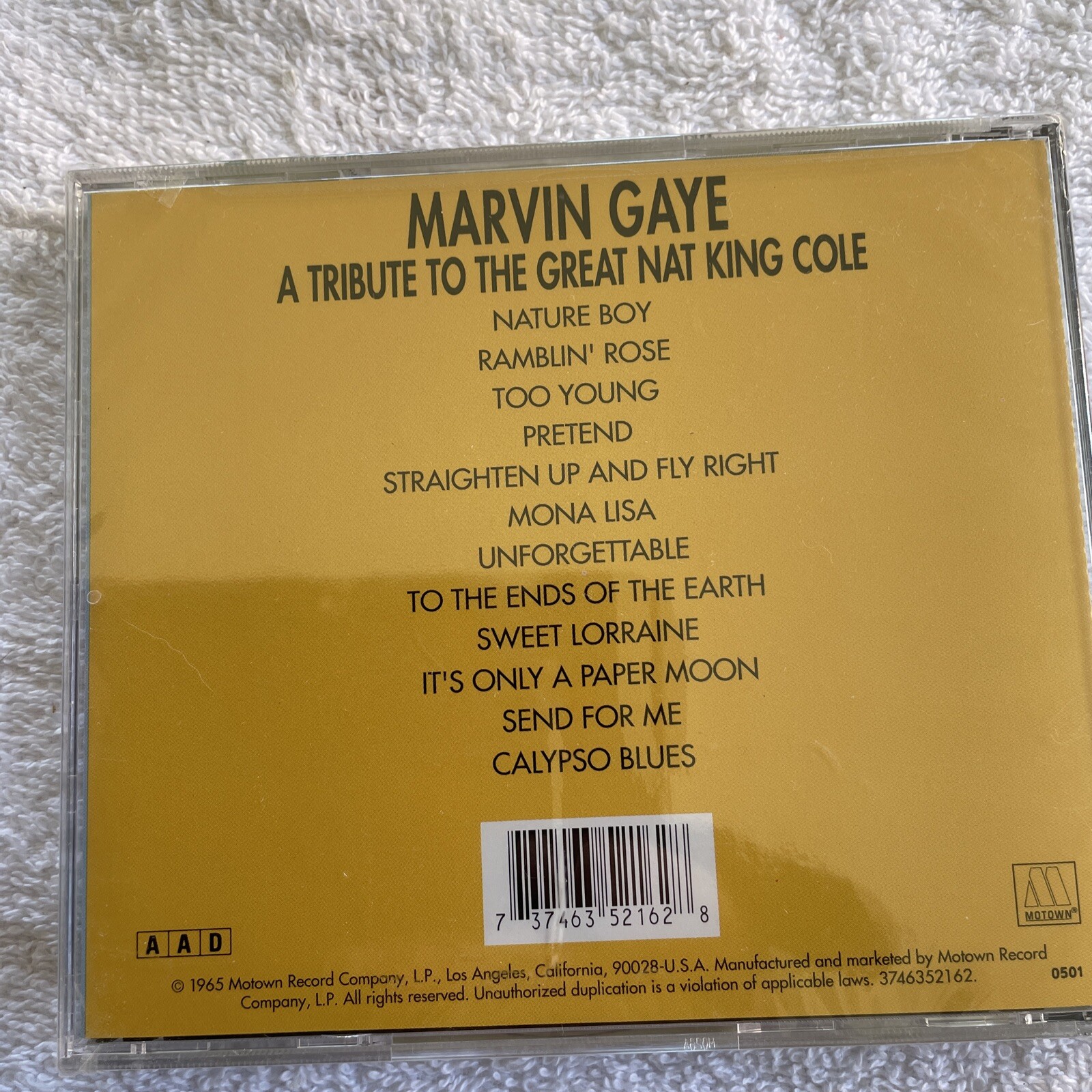
- Jazz Influences: He often cited Nat King Cole and Frank Sinatra as his primary vocal inspirations.
- First Album: His debut album, The Soulful Moods of Marvin Gaye, was released in 1961, though it did not achieve commercial success.
Reimagining Music: The 'What’s Going On' Era
In 1971, Gaye defied the conventional wisdom of his label and released What’s Going On, a socially conscious concept album that forever changed the landscape of popular music.
- Social Awareness: The album was inspired by his brother Frankie’s experiences in Vietnam and the social unrest in the United States.
- Label Resistance: Berry Gordy initially refused to release the album, calling it the "worst thing" he had ever heard.
- The Protest Anthem: The title track, "What's Going On," was a direct commentary on police brutality and systemic inequality.
- Multi-Track Innovation: Gaye utilized overdubbing techniques, particularly for his own background vocals, to create a lush, symphonic sound.
- The Concept Album: It was one of the first R&B concept albums to maintain a cohesive narrative throughout its entirety.
- Jazz Fusion Elements: The production incorporated elements of jazz, classical music, and gospel, distancing itself from the traditional Motown sound.
- Chart Dominance: Despite the label’s initial hesitation, the album became one of the best-selling records in Motown history.
- Human Rights: The lyrics focused on environmental issues, poverty, and war, marking a shift in the role of the R&B singer as a social commentator.
- Extended Solos: The album featured extended instrumental breaks, a rarity in pop music at the time.
- Critical Acclaim: It is consistently ranked among the greatest albums of all time by major music publications.
Personal Life and Relationships
Marvin Gaye’s personal life was often as tumultuous as his music was transcendent. His relationships with family and partners played a significant role in his artistic output.
- Anna Gordy: His marriage to Berry Gordy’s sister, Anna, was marked by significant age differences and intense personal friction.
- Inspiration for 'Here, My Dear': The bitter divorce from Anna Gordy inspired his 1978 album Here, My Dear, which functioned as a public accounting of their marriage.
- Janis Hunter: His second marriage to Janis Hunter provided the inspiration for his romantic masterpiece I Want You.
- Paternity Claims: His personal life was frequently scrutinized by tabloids throughout the 1970s.
- The "Troubled" Father: His relationship with his father remained strained until the very end, characterized by physical and emotional abuse.
- Relocation to Europe: In the early 1980s, facing tax issues and substance struggles, Gaye relocated to Belgium to seek a fresh start.
- Ostend: While living in Ostend, Belgium, he famously lived a quiet, relatively anonymous life compared to his celebrity status in the U.S.
- Fatherhood: Gaye was a devoted father to his children, despite the chaos surrounding his own upbringing.
- The Divorce Settlement: As part of his settlement with Anna Gordy, he was contractually obligated to give the proceeds of Here, My Dear to her.
- Love for Sports: He was an avid boxing fan and was frequently spotted at major matches, even training as a boxer himself.
The Final Years: "Sexual Healing" and Beyond
Gaye’s resurgence in the early 1980s proved his enduring commercial viability, even as he faced profound personal challenges.
- Columbia Records: His move to Columbia Records marked a new chapter in his career, distancing him from the Motown legacy.
- 'Midnight Love': This 1982 album featured the massive hit "Sexual Healing," which became his biggest commercial success.
- Grammy Wins: He finally won his first Grammy Awards in 1983 for the song "Sexual Healing."
- Return to the U.S.: He returned to the United States in the early 80s to reconnect with his audience and professional peers.
- Struggling with Addiction: His battles with substance abuse were widely documented and heavily impacted his final tours.
- The "Prince of Soul" Moniker: This title was solidified during his 80s comeback, acknowledging his vocal grace and influence.
- Performative Style: His final performances were often noted for their emotional intensity, even when he seemed physically fragile.
- Technical Precision: Despite his struggles, he remained a perfectionist in the studio, often working through the night.
- Collaborative Spirit: He showed a willingness to work with newer artists and producers who were influenced by his sound.
- The Final Tour: His last concert tour was a grueling experience, yet it demonstrated his massive, undiminished drawing power.
Tragic Conclusion and Legacy
The passing of Marvin Gaye on April 1, 1984, remains one of the most tragic events in music history. The circumstances of his death shocked the world and ended a career that was seemingly experiencing a second wind.
- The Incident: Gaye was shot and killed by his father following a heated domestic dispute in their Los Angeles home.
- A Day Before 45: He died one day before his 45th birthday.
- Legacy: His influence spans multiple genres, from R&B and soul to neo-soul and contemporary hip-hop.
- Cultural Impact: He is frequently cited by artists like D'Angelo, Erykah Badu, and Maxwell as a primary inspiration.
- Posthumous Releases: Numerous compilations and unreleased recordings have been issued since his death, keeping his music relevant.
- Hall of Fame: He was inducted into the Rock and Roll Hall of Fame in 1987.
- Grammy Lifetime Achievement: He received the Grammy Lifetime Achievement Award in 1996.
- Postal Stamp: In 2008, the United States Postal Service issued a commemorative stamp featuring his image.
- Musicianship: Modern musicologists often highlight his use of jazz chord progressions in soul music.
- "Blurred Lines" Lawsuit: His estate famously won a copyright lawsuit regarding the song "Blurred Lines," which was deemed to have infringed on "Got to Give It Up."
Musical Statistics and Discography Facts
For the collector and the historian, the technical aspects of his recorded output reveal a prolific career.
| Album Title | Release Year | Notable Tracks |
|---|---|---|
| What's Going On | 1971 | What's Going On, Mercy Mercy Me |
| Let's Get It On | 1973 | Let's Get It On, Distant Lover |
| I Want You | 1976 | I Want You, After the Dance |
| Here, My Dear | 1978 | Anger, When Did You Stop Loving Me |
| Midnight Love | 1982 | Sexual Healing, Joy |
- Number One Hits: He achieved three number-one hits on the Billboard Hot 100 during his lifetime.
- Album Count: He released over 25 studio, live, and collaborative albums.
- Chart Longevity: His songs remain in constant rotation on radio stations globally.
- The "Greatest" Lists: Multiple publications list What's Going On as the greatest soul album of all time.
- Vocal Range: He was a tenor with a wide range, capable of reaching high falsetto notes with ease.
- Production Style: He pioneered the use of the "wall of sound" technique applied to vocal harmonies.
- Recording Locations: He recorded in Detroit, Los Angeles, London, and Belgium.
- Guest Appearances: He made numerous uncredited appearances on other Motown artists' tracks.
- Sales Figures: His total record sales are estimated in the tens of millions globally.
- Sampling: His music is among the most sampled in hip-hop history.
Hidden Gems and Trivia
- The "What’s Going On" B-side: The original B-side to "What's Going On" was an instrumental version.
- Unfinished Work: There are several unreleased tracks from his final sessions that remain in the Motown vaults.
- Fan Clubs: The "Marvin Gaye Fan Club" was one of the most active in the 1970s.
- Fashion Influence: He was known for his distinct style, often favoring casual, yet sophisticated, knitwear and tracksuits.
- National Anthem: His rendition of the national anthem at the 1983 NBA All-Star Game is considered one of the most iconic versions in history.
- Television Appearances: He was a frequent guest on variety shows like Soul Train.
- Vocal Warm-ups: He was known to spend hours warming up his voice before any session.
- Lyricism: He wrote many of his own lyrics, often drafting them on scraps of paper or napkins.
- Collaborative Friction: He was known to have intense, heated debates with producers like Smokey Robinson.
- Quiet Personality: Despite his stage presence, he was often described as shy and introverted in private life.
Artistic Philosophy and Technique
- Emotional Honesty: He prioritized the expression of raw emotion over technical perfection.
- Spiritual Connection: He often described his music as a conduit for a higher power.
- Genre Fluidity: He never saw himself as bound to a single genre, blending blues, soul, and jazz.
- Arrangement Skills: He was deeply involved in the orchestration of his tracks, particularly the brass and string sections.
- Sonic Landscape: He viewed his albums as sonic landscapes that should be listened to in their entirety.
- Pacing: He was meticulous about the pacing of an album, ensuring a flow between tracks.
- Improvisation: During live performances, he frequently improvised melodies, ensuring no two shows were identical.
- Lyric Themes: His songs moved from romantic longing to political critique, often within the same album.
- Studio Environment: He often insisted on low lighting and a relaxed atmosphere to record his best takes.
- Legacy Management: His estate continues to oversee the curation of his archival materials.
The Cultural Impact of the Soulful King
- Black Pride: His music became a soundtrack for the Civil Rights movement.
- Vocal Influence: His falsetto technique influenced an entire generation of soul singers.
- Songwriting Schools: His approach to songwriting is studied in musicology courses today.
- Political Voice: He proved that pop stars could successfully influence political discourse.
- Stylistic Versatility: He proved that a soul singer could successfully incorporate rock and jazz elements.
- Global Reach: His appeal transcended borders, finding massive success in Europe and the UK.
- Cultural Iconography: His image is permanently etched in the visual history of the 20th century.
- Musical Standards: Many of his tracks have become jazz and soul standards, covered by hundreds of artists.
- Enduring Popularity: In 2026, streaming analytics show a steady increase in his listenership among younger demographics.
- The Voice of a Generation: He is widely recognized as the voice that bridged the gap between the Motown era and modern soul.
- Timelessness: Above all, Marvin Gaye’s work possesses a quality of timelessness that ensures his relevance for decades to come.
Frequently Asked Questions
What was the inspiration behind the album What's Going On? The album was primarily inspired by the letters Marvin Gaye received from his brother, Frankie, who was serving in the Vietnam War. These letters, combined with Gaye's own observations of poverty, injustice, and social unrest in America, formed the thematic backbone of the project.
Why is Marvin Gaye considered a pioneer in soul music? Gaye broke the mold of the typical Motown artist by demanding creative autonomy. He shifted the focus of soul music from pure entertainment to social commentary, and he successfully incorporated complex jazz and classical arrangements into popular R&B, elevating the genre's artistic standing.
How did Marvin Gaye's death impact the music industry? His death was a profound shock that led to a major reassessment of his work. It highlighted the dangers of the celebrity lifestyle and the toll of artistic burnout. Posthumously, his reputation grew, and his estate became more rigorous in protecting his intellectual property and legacy.
What is the status of Marvin Gaye’s unreleased music in 2026? In 2026, the Motown and Universal Music archives continue to carefully manage and release rare demos and alternative takes. Collectors should look to official label releases for verified, high-quality audio rather than unofficial leaks.
How does Marvin Gaye's music influence modern artists? Contemporary artists across various genres, particularly R&B, hip-hop, and neo-soul, sample his rhythms, emulate his falsetto vocal style, and adopt his practice of using music as a platform for social and political messaging.
For those interested in exploring the depth of Marvin Gaye's discography, the recommended starting point is the 50th-anniversary remaster of What’s Going On, followed by the deep soul of his later works like Midnight Love. Engaging with his biography further reveals the complex man behind the voice, providing essential context for his greatest recordings.