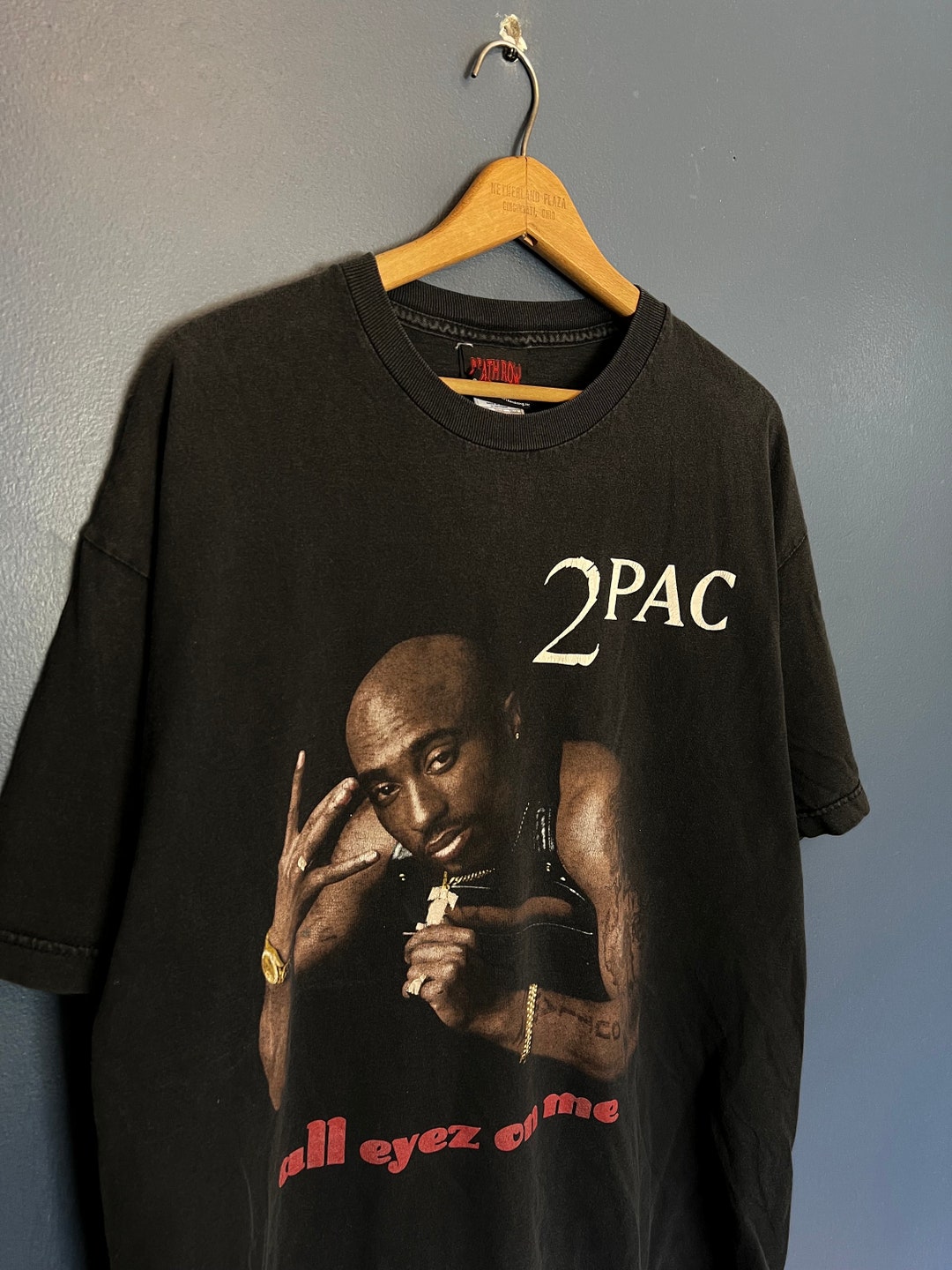
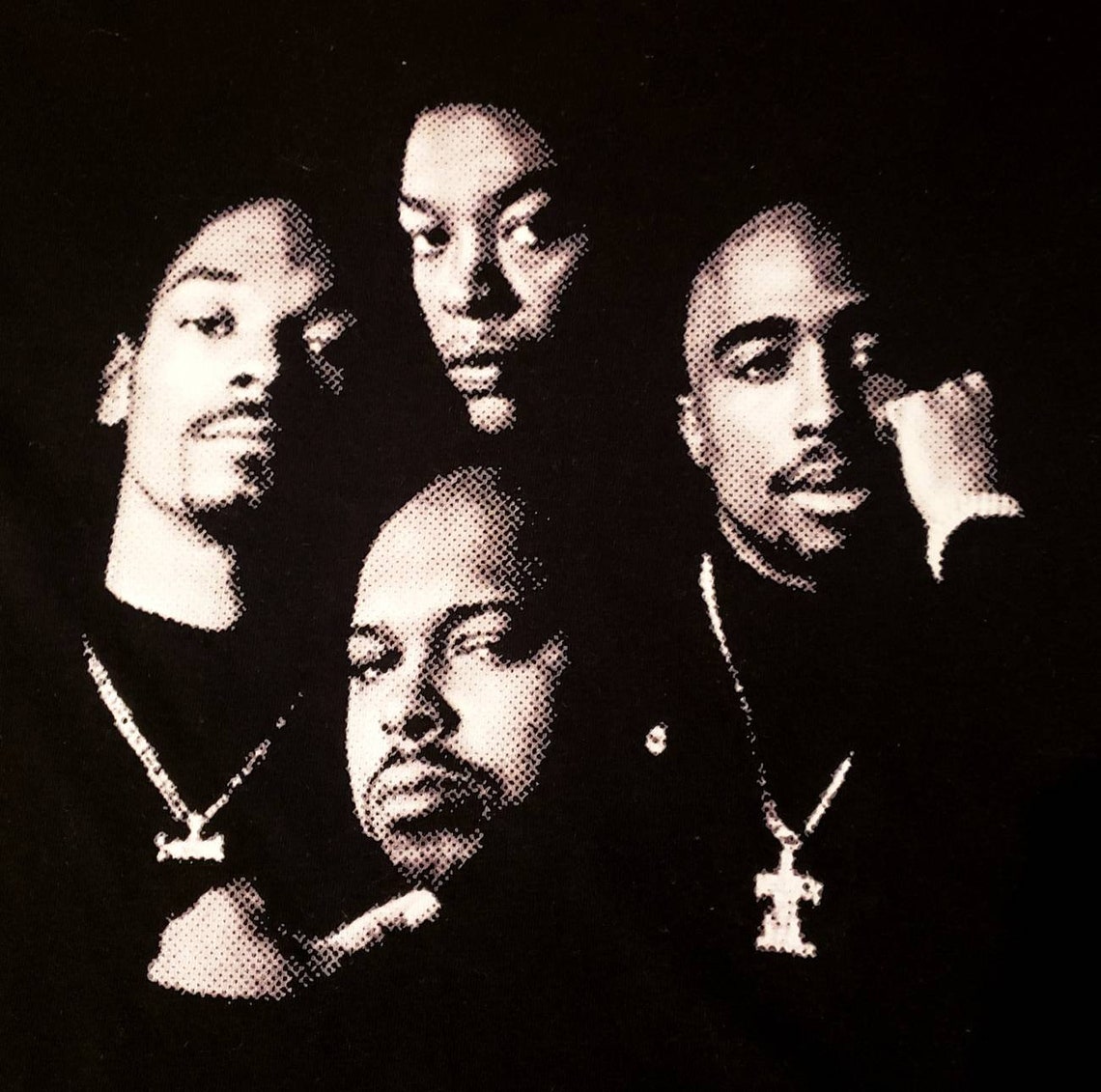
The "untold story" of Tupac Shakur’s 16 months associated with Death Row Records encompasses the period from mid-1995, when negotiations for his release began, through his October 1995 release from prison, until his death in September 1996. This era saw the production of the first hip-hop double-disc album, All Eyez on Me, the escalation of the East Coast–West Coast rivalry, and a frantic creative output that remains unparalleled in music history.
The Genesis of the Deal: From Clinton Correctional to Can-Am Studios
The story of Tupac's tenure at Death Row Records does not begin on the day of his release, but rather in the cold isolation of the Clinton Correctional Facility in Dannemora, New York. In 1995, Tupac Shakur was at his lowest point—financially depleted, legally embattled, and feeling abandoned by his former associates at Interscope Records.
Suge Knight, the CEO of Death Row Records, recognized a strategic opportunity. Death Row was already the most formidable force in hip-hop, boasting a roster that included Dr. Dre and Snoop Dogg. However, Knight wanted more than a hitmaker; he wanted a cultural icon who embodied the "outlaw" brand of his label.
The "untold" aspect of this period involves the intricate legal maneuvers required to secure Tupac’s freedom. Tupac was serving a sentence for first-degree sexual abuse, a charge he vehemently denied. His legal fees were mounting, and his previous label was hesitant to post the $1.4 million bail required for his release pending appeal. Suge Knight personally visited Tupac and offered a deal: Death Row would pay the bail and provide the resources for his defense in exchange for a three-album contract. Tupac, seeing no other way out and feeling a sense of loyalty to the only man willing to "put his money where his mouth was," signed the handwritten contract on a yellow legal pad.
The 24-Hour Work Ethic: Recording Under Pressure
Upon his release on October 12, 1995, Tupac did not go home to rest. He flew immediately to Los Angeles and went straight to Can-Am Studios in Tarzana. This marked the beginning of a recording binge that redefined the industry's understanding of productivity.
The All Eyez on Me Sessions
Within the first two weeks of his release, Tupac had recorded the bulk of All Eyez on Me. Engineers and collaborators from that era describe a man possessed. He would often record three to four complete songs in a single night. His process was visceral; he rarely wrote lyrics down on paper for long periods, instead composing verses in his head or on scraps of paper minutes before entering the vocal booth.
The technical depth of these sessions is often overlooked. Producers like Johnny "J," Daz Dillinger, and DJ Quik worked in shifts to keep up with Tupac's pace. While one song was being mixed, Tupac was already in the other room laying tracks for the next. This frantic pace resulted in over 100 recorded songs during his short time at the label, many of which would populate his posthumous releases for the next decade.
The Dr. Dre Friction
While the public saw a united front, the internal story was more complex. The "California Love" session is often cited as the pinnacle of the Death Row era, but it also signaled the beginning of the end for the label’s "Dream Team." The track was originally intended as a Dr. Dre solo single. When Suge Knight insisted on putting Tupac on the track to celebrate his release, it created a rift. Tupac’s work ethic clashed with Dr. Dre’s perfectionist, methodical approach. This tension eventually led to Dr. Dre’s departure from the label he co-founded, leaving Tupac as the de facto leader of the Death Row movement.
The Politics of the "Outlaw" Brand
Tupac’s time at Death Row was inextricably linked to the label’s ties to the MOB Piru Bloods, a gang in Compton. For Tupac, who had spent his life as an "art school kid" and a revolutionary’s son, the sudden immersion in West Coast gang culture provided a new, more dangerous sense of protection and identity.
The East Coast vs. West Coast War
The "untold story" of the rivalry is less about geography and more about the personal betrayal Tupac felt regarding the 1994 shooting at Quad Studios in New York. At Death Row, Suge Knight amplified Tupac's paranoia and anger, using it as a marketing tool to solidify the label's dominance. The release of "Hit 'Em Up" in June 1996 was the point of no return. It wasn't just a "diss track"; it was a declaration of war that mobilized street elements on both coasts. Behind the scenes, many at Death Row were concerned that the rhetoric was escalating beyond music, but the commercial success was too significant to ignore.
Financial Disillusionment and the Makaveli Pivot
As 1996 progressed, the honeymoon phase between Tupac and Suge Knight began to sour. Despite the massive success of All Eyez on Me, which was certified 5x Platinum within months, Tupac began to question the accounting practices at Death Row.
The Missing Millions
Tupac was living a lifestyle of extreme luxury—private jets, Rolls Royces, and jewelry—all of which were paid for by the label. However, these were often structured as "recoupable expenses" rather than gifts. When Tupac requested an audit of his royalties to buy a home for his mother, Afeni Shakur, he discovered that despite his massive sales, he allegedly owed the label millions of dollars.
The Birth of Makaveli Records
This financial realization led to the "untold" plan for Tupac’s exit. He began distancing himself from the "Death Row" moniker and started branding himself as Makaveli. He planned to launch Euthanasia Records (later referred to as Makaveli Records) and had even begun signing artists like the Outlawz to his own production company.
The recording of The Don Killuminati: The 7 Day Theory was done in secret or with minimal input from Suge Knight. The album’s darker, more conspiratorial tone reflected Tupac’s state of mind: he felt trapped by the very deal that had set him free.
| Key Milestone | Date | Significance |
|---|---|---|
| Bail Agreement | Sept 1995 | Hand-signed contract on a legal pad in prison. |
| Release & "Ambitionz" | Oct 12, 1995 | Tupac records "Ambitionz Az a Ridah" hours after release. |
| All Eyez on Me Release | Feb 13, 1996 | The first double-disc solo album in hip-hop history. |
| Dr. Dre Leaves | March 1996 | The departure of the label’s chief architect. |
| "Hit 'Em Up" Release | June 4, 1996 | Escalation of the coastal conflict to a fever pitch. |
| The Final Recording | Aug 1996 | Completion of the Makaveli album in just seven days. |
| Las Vegas Shooting | Sept 7, 1996 | The fatal incident following the Tyson vs. Seldon fight. |
The Final 24 Hours in Las Vegas
The events of September 7, 1996, are often told through the lens of the shooting on Flamingo Road, but the hours leading up to it reveal the volatility of the Death Row environment. Tupac was in Las Vegas to support Mike Tyson at the MGM Grand.
After the fight, an associate informed Tupac that Orlando Anderson, a member of the rival Southside Crips who had previously robbed a Death Row affiliate, was in the lobby. Tupac’s immediate physical confrontation with Anderson—caught on CCTV—was not a planned hit but an impulsive act of "loyalty" to the label.
This altercation set the stage for the retaliatory drive-by shooting later that night. The untold tragedy is that Tupac was reportedly not wearing his bulletproof vest that evening, a rarity for him during that period, because he complained it was too hot and he wanted to look good for the after-party at Club 662.
The Legacy of the 16-Month Sprint
Tupac Shakur’s 16 months on Death Row were a paradox of immense creative achievement and self-destructive alliances. He arrived at the label as a convict and left it as a martyr, having recorded enough material to sustain a career for decades posthumously.
From a technical standpoint, his time at Death Row changed how albums were marketed. The "lifestyle" marketing of Death Row—where the artists, the CEO, and the street muscle were presented as a single, inseparable unit—became the blueprint for future labels like No Limit and Cash Money. However, the cost of that blueprint was the life of the genre’s most promising voice.
In 2026, as we look back on three decades of his influence, the Death Row era remains the most scrutinized and debated chapter of his life. It was a period where the line between art and reality blurred until it finally snapped.
Frequently Asked Questions
How much was Tupac's bail paid by Suge Knight?
Suge Knight and Death Row Records posted a $1.4 million bond in October 1995. This was not a gift; it was an advance against future earnings, and Tupac was required to sign a three-album contract to secure the funds. This debt became a point of major contention between Tupac and the label's management in the months before his death.
Did Tupac really record 'The 7 Day Theory' in only seven days?
Yes, the legend is largely true. The vocal tracks were recorded over three days in August 1996, and the mixing and production took an additional four days. This speed was characteristic of his final months, as he was reportedly eager to finish his contractual obligations to Death Row and move on to his own ventures.
Why did Dr. Dre leave Death Row while Tupac was there?
Dr. Dre grew tired of the increasingly violent atmosphere and the influence of gang politics within the label. He also had creative differences with Tupac and Suge Knight. Dre felt that the label’s direction was becoming too focused on "beef" and street posturing rather than musical innovation, leading him to found Aftermath Entertainment in 1996.
Was Tupac planning to leave Death Row Records?
Evidence suggests that Tupac was taking steps to gain independence. He had fired Suge Knight’s lawyer, David Kenner, from his personal affairs and was working on his own film production company and record label, Makaveli Records. He remained loyal to Suge personally but wanted to own his master recordings and control his financial destiny.
What happened to the 100+ songs Tupac recorded during this time?
After Tupac’s death, his mother, Afeni Shakur, fought a lengthy legal battle to gain control of his unreleased recordings. These "vault" tracks were eventually released over the course of several posthumous albums, including R U Still Down? (Remember Me), Until the End of Time, and Better Dayz. Many of these songs were heavily remixed from their original Death Row-era versions.
Next Actions for Fans and Historians
To fully understand this era, readers should examine the 2023 documentary series Dear Mama, which provides new archival footage and interviews regarding Tupac's mindset during the Death Row years. Additionally, the book Changes: An Oral History of Tupac Shakur offers firsthand accounts from the engineers and producers who were in the room at Can-Am Studios when these historic tracks were laid down.