The term "1990 sequel" most prominently points to major cinematic follow-ups released in the year 1990, a watershed period when Hollywood studios increasingly consolidated the modern franchise model by releasing high-profile continuations of established box-office hits, critically acclaimed dramas, and genre-defining horror classics.
The Cinematic Landscape of 1990: The Rise of the Modern Franchise
The year 1990 occupied a fascinating transitional era in Hollywood history. Sandwiched between the high-concept, action-heavy blockbusters of the mid-1980s and the independent film boom of the mid-1990s, major studios recognized that intellectual property and established cinematic universes represented reliable financial stability. Releasing a sequel was no longer merely a quick cash grab for direct-to-video markets or low-budget endeavors; it became a tentpole strategy for major production houses.
During this twelve-month window, studios deployed substantial budgets, top-tier directorial talent, and returning principal casts to expand upon worlds introduced in previous decades. This shift altered audience expectations. Moviegoers began anticipating multi-part character arcs rather than self-contained narratives.
Understanding the 1990 sequel requires analyzing how these films navigated the delicate balance between satisfying nostalgic expectations and introducing fresh narrative stakes. When a studio greenlit a follow-up in 1990, filmmakers had to innovate technically and narratively. Practical special effects were reaching their zenith before computer-generated imagery (CGI) began to dominate later in the decade, giving many 1990 sequels a distinct, tactile aesthetic.
Landmark 1990 Sequels Across Genres
To understand the scope of sequels released in 1990, it is helpful to examine the major releases across different genres. Each category demonstrated a distinct approach to franchise expansion, character development, and audience reception.
Action and Crime Thrillers
Action cinema in 1990 relied heavily on hardened protagonists facing escalated threats.
- Die Hard 2 (released in July 1990) transported John McClane from a single skyscraper to an entire snowbound international airport, establishing the template for the "same shit, different day" action sequel formula.
- Predator 2 shifted the extraterrestrial hunter from the Central American jungle to a sweltering, dystopian urban landscape of Los Angeles, expanding the lore of the alien creature and introducing new technological elements.
- RoboCop 2 leaned into dark, satirical cyberpunk themes, exploring corporate corruption and systemic municipal failure in a bankrupt Detroit.
Mafia and Crime Epics
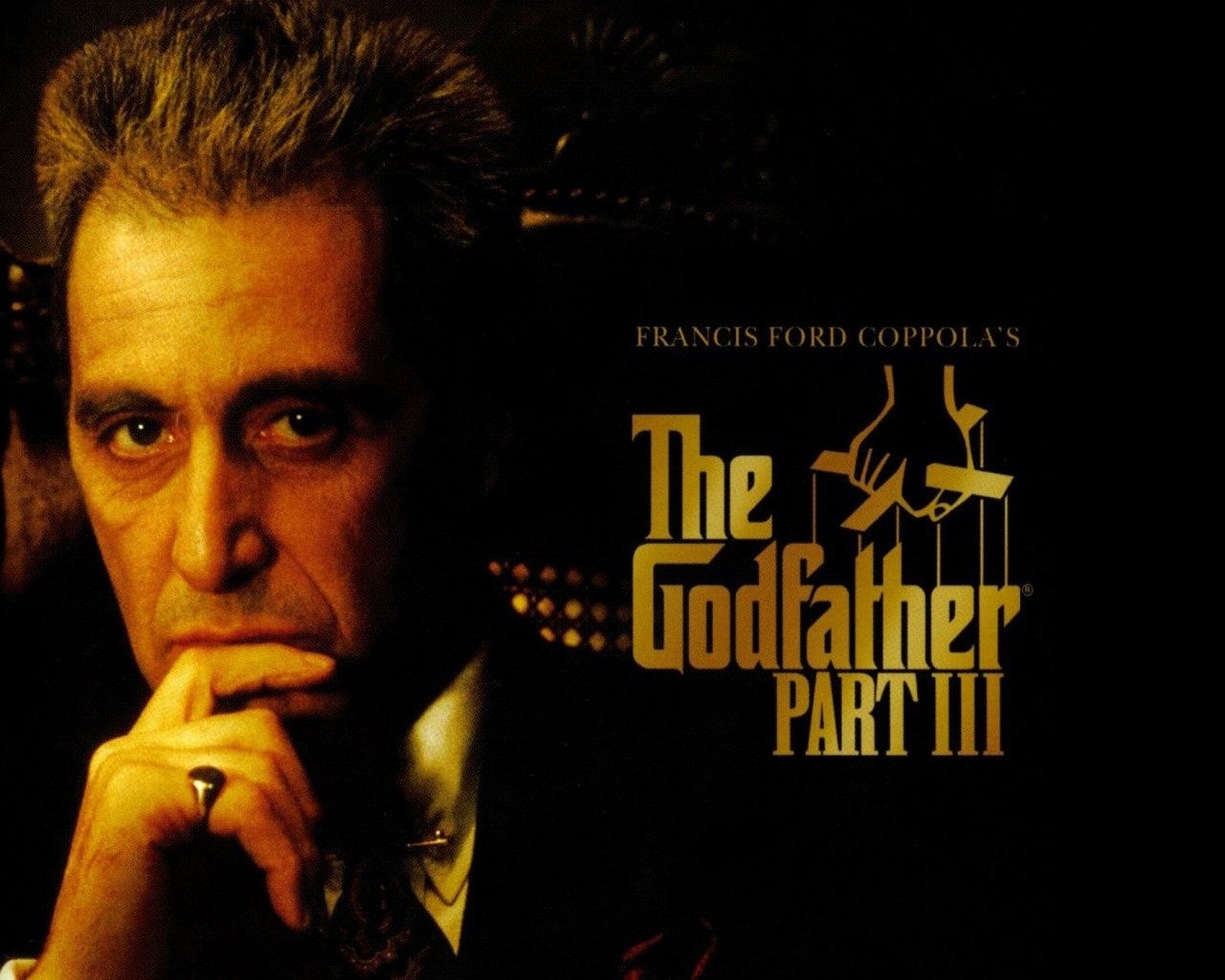
- The Godfather Part III arrived in December 1990, closing out one of the most celebrated trilogies in cinematic history. Directed by Francis Ford Coppola, the film tackled Michael Corleone’s quest for redemption and legitimate power, dealing with the Vatican bank scandal and complex family guilt. While it sparked intense debate among critics and fans upon release compared to its monumental predecessors, it remains a defining capstone of 1990 cinema.
Horror and Dark Fantasy
- The Exorcist III, written and directed by William Peter Blatty, departed from the special-effects-heavy style of its infamous 1977 predecessor, opting instead for a psychological, atmospheric detective story centered on police procedural elements and theological dread.
- Young Guns II continued the outlaw saga of Billy the Kid, blending revisionist Western tropes with a melancholic look at the end of the American frontier.
Comparative Analysis of Major 1990 Sequels
| Film Title | Genre | Returning Principal Cast | Box Office Performance | Critical Reception (Historical Consensus) |
|---|---|---|---|---|
| The Godfather Part III | Crime Drama | Al Pacino, Diane Keaton, Talia Shire | Commercial success ($136 million worldwide) | Polarized initially, appreciated for its thematic weight over time |
| Die Hard 2 | Action / Thriller | Bruce Willis, William Atherton, Bonnie Bedelia | Major success ($240 million worldwide) | Favorable; praised for action set-pieces, though noted as formulaic |
| Predator 2 | Sci-Fi Action | Danny Glover, Gary Busey, Kevin Peter Hall | Moderate box office ($57 million worldwide) | Mixed at release; later praised for expanding franchise mythology |
| RoboCop 2 | Sci-Fi / Cyberpunk | Peter Weller, Nancy Allen, Tom Noonan | Moderate success ($45 million worldwide) | Mixed; noted for extreme violence and dark satire |
| The Exorcist III | Psychological Horror | George C. Scott, Brad Dourif, Ed Flanders | Modest return ($39 million worldwide) | Cult classic status; widely praised for performances and atmosphere |
Production Challenges and Technical Evolution
Creating a sequel in 1990 presented unique logistical challenges. Unlike contemporary digital filmmaking, where scenes can be easily adjusted in post-production through CGI, filmmakers in 1990 relied heavily on practical stunts, miniature models, animatronics, and optical effects.
Practical Effects and Stunt Work
In Die Hard 2, the pyrotechnics and snow-bound airport settings required meticulous physical coordination. Stunt injuries and safety regulations dictated the pacing of production. Similarly, Predator 2 required actor Kevin Peter Hall to endure grueling conditions inside the heavy latex and animatronic Predator suit while battling Danny Glover on concrete sets drenched in artificial rain and steam.
Scripting and Continuity Constraints
Screenwriters faced the daunting task of maintaining continuity while raising the narrative stakes. For instance, in The Godfather Part III, losing key actors from the original films (such as Robert Duvall due to salary disputes) forced writer Mario Puzo and director Francis Ford Coppola to radically restructure the script, creating new characters like Vincent Mancini (played by Andy García) to fill the narrative void. This structural pivot influenced how subsequent Hollywood franchises handled missing legacy cast members.
Cultural Impact and Long-Term Legacy
The 1990 sequel wave permanently altered how studios forecast profitability. Before 1990, sequels were often viewed as secondary investments. By the close of 1990, the immense global box office returns of films like Die Hard 2 proved that intellectual property could sustain multi-year generational interest.
Furthermore, several films from this slate transitioned from mixed initial reviews to enduring cult status. The Exorcist III, for example, initially suffered at the box office due to studio interference and marketing missteps, but decades later it is frequently cited by horror historians and filmmakers as a masterclass in psychological suspense and atmospheric tension.
Frequently Asked Questions
What was the highest-grossing sequel released in 1990?
Die Hard 2 stands as one of the highest-grossing sequels of 1990, pulling in approximately $240 million globally against a production budget estimated around $70 million, proving the ongoing commercial viability of action franchises.
Why is The Godfather Part III considered a unique 1990 sequel?
It arrived sixteen years after The Godfather Part II. Its release completed an iconic American crime epic, shifting the focus away from the rise of a mafia boss toward aging, regret, and the inescapable weight of past sins.
Did practical effects dominate 1990 sequels?
Yes. 1990 predated the widespread integration of digital CGI in blockbusters (which accelerated rapidly after 1993's Jurassic Park). Sequels from this year relied on animatronics, complex stunt choreography, and optical compositing.
How did critics receive 1990 sequels at the time?
Critical reception was notably mixed. While action sequels like Die Hard 2 satisfied summer audiences, complex dramatic follow-ups like The Godfather Part III faced intense scrutiny from critics who compared them unfavorably to their universally acclaimed predecessors.
Are 1990 sequels still relevant to modern filmmakers?
Contemporary studios frequently study the 1990 studio slate to understand pacing, practical stunt integration, and how to scale up action sequences without losing the grounded realism established in original films.
Conclusion and Next Actions
Examining the 1990 sequel landscape reveals a crucial chapter in Hollywood's evolution toward franchise-driven entertainment. To explore this topic further, film researchers and enthusiasts can examine original studio press kits, contemporary box-office archives from trade publications like Variety, and retrospective analyses of practical special effects houses from that era.