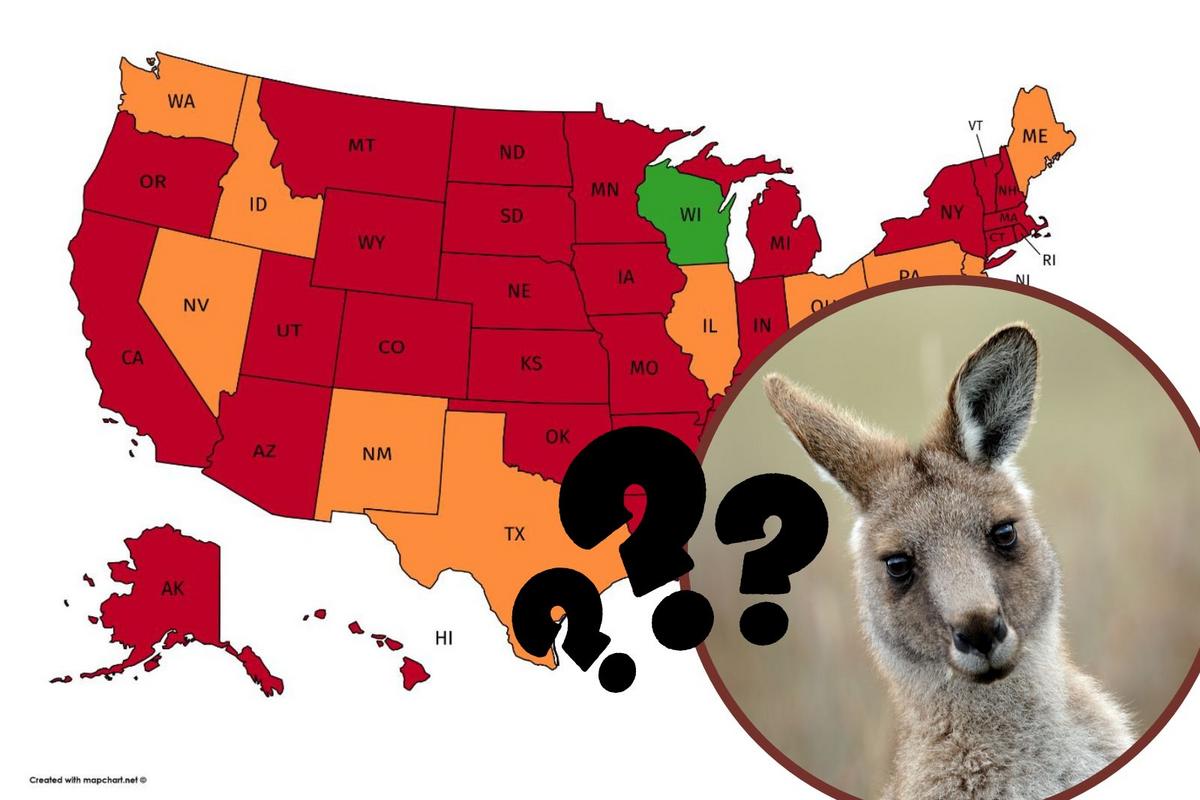
In Wisconsin, owning a kangaroo is technically legal under state law, as the species is not explicitly prohibited in the state’s statutes. However, potential owners must navigate a complex web of local municipal ordinances, federal oversight, and practical husbandry requirements that make the prospect of keeping a macropod in a residential or even rural Wisconsin setting extremely challenging.
Understanding the Legal Landscape: State vs. Local Control
Wisconsin is often characterized by its relatively flexible approach to exotic animal ownership compared to states with strictly enforced "positive lists" of allowed species. Under the Wisconsin Department of Natural Resources (DNR) and state administrative code, kangaroos are not categorized as "prohibited species" or "wild animals" in the same restrictive manner as native predatory wildlife or certain invasive species.
However, the lack of a statewide prohibition does not equate to an open invitation to own a kangaroo. The primary legal hurdle for any exotic pet owner in Wisconsin is the layer of local governance. Many cities, villages, and counties maintain specific animal control ordinances that restrict the ownership of "non-domesticated," "exotic," or "wild" animals. These municipal codes frequently define animals by their potential danger or their classification as non-native species.
Before considering acquisition, an individual must perform a deep dive into their specific local ordinances. A zoning board or municipal clerk’s office may classify a kangaroo as a wild animal, which often requires special permits that are rarely issued to private individuals. Furthermore, homeowner associations (HOAs) or private property covenants may impose restrictions even if the municipality does not, essentially creating a private legal barrier that supersedes state permissiveness.
The Role of Federal Regulations
While state and local laws dictate the legality of ownership, federal law governs the movement and interstate commerce of exotic animals. The United States Department of Agriculture (USDA) oversees the Animal Welfare Act (AWA), which is primarily designed for animals exhibited or used in commercial trade.
If you intend to own a kangaroo purely as a personal pet, you may fall outside the scope of AWA licensure. However, if you plan to move the animal across state lines, breed it, or use it for any form of education or exhibition, you must register with the USDA and adhere to strict standards for enclosure size, veterinary care, and transportation. Federal oversight is not a barrier to private ownership in the strictest sense, but it does serve as an administrative benchmark that authorities often look to when determining if an individual is qualified to provide adequate care for an exotic creature.
Critical Considerations for Kangaroo Husbandry
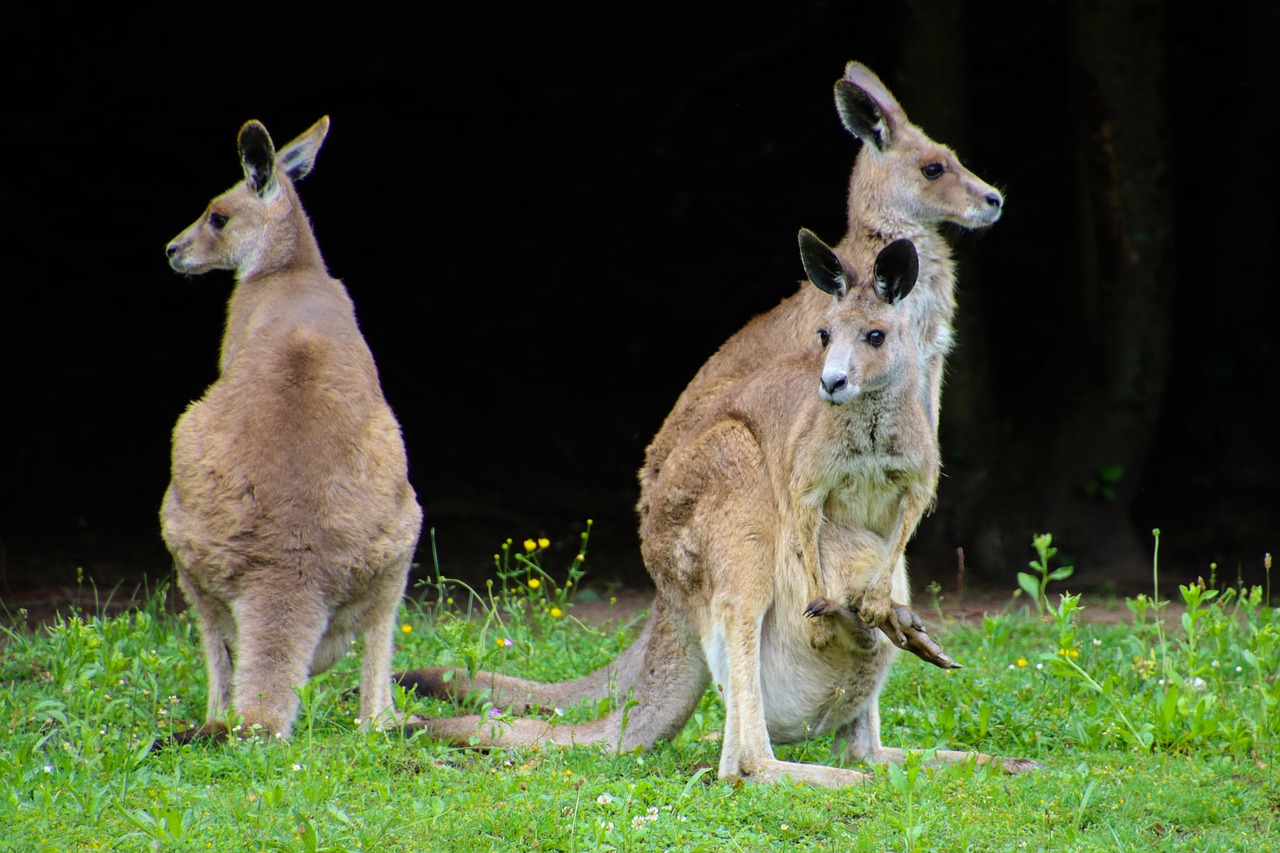
Owning a kangaroo is an enormous commitment that extends far beyond the legal question of ownership. These animals are not domestic pets; they are high-energy, wild mammals with specialized physical and psychological needs that are difficult to replicate in a Wisconsin climate.
Climate and Housing Requirements
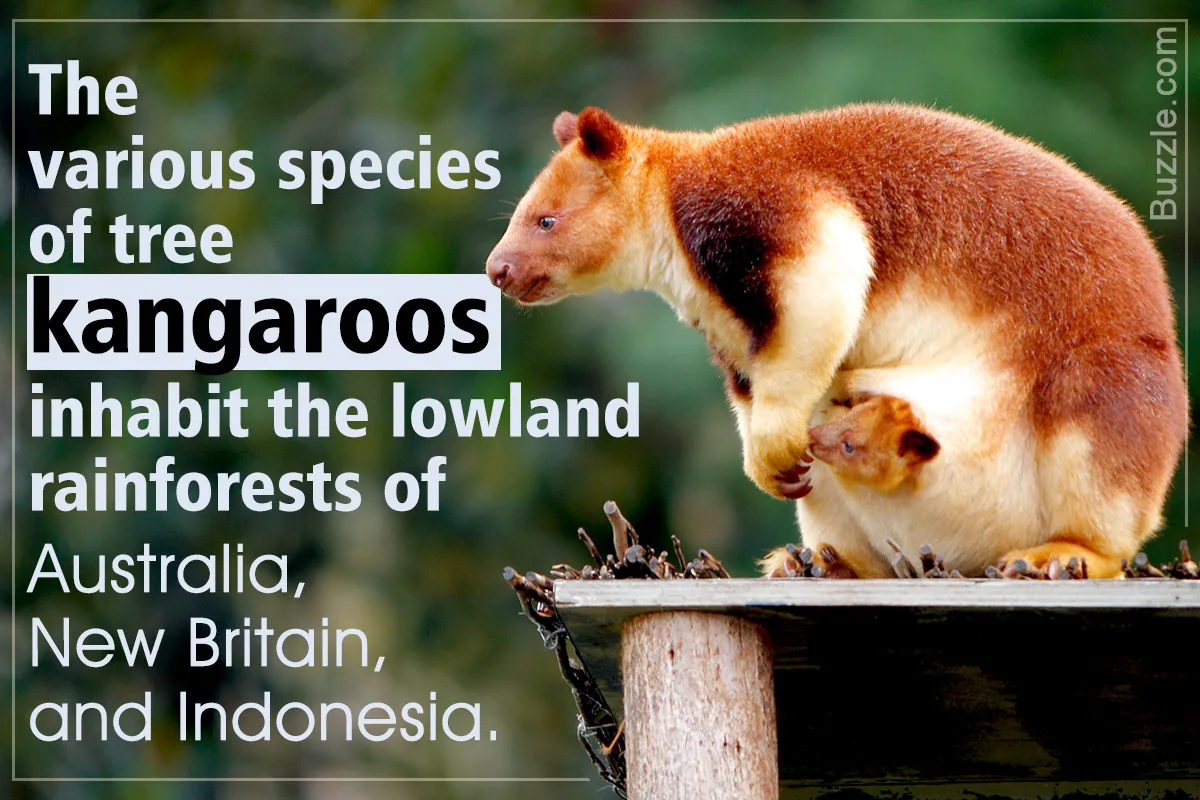
Wisconsin’s climate is arguably the most significant practical obstacle to keeping a kangaroo. Macropods are adapted to the arid and temperate regions of Australia. While some species, such as the Red Kangaroo, possess a degree of cold tolerance, the harsh, sub-zero winters characteristic of Wisconsin are life-threatening.
An owner must provide:
- Climate-Controlled Facilities: A simple shed is insufficient. You require a heated, insulated barn or enclosure that maintains a consistent temperature throughout the winter months.
- Space Allocation: Kangaroos are born to jump and forage. A small backyard is entirely inadequate. They require expansive, fenced outdoor spaces (paddocks) that provide ample room for movement, away from busy roads and noisy environments that could cause the animal to panic.
- Fencing Standards: Standard residential fencing is useless. You need tall, heavy-duty fencing—typically at least six to eight feet in height—designed to prevent the animal from jumping over it and to deter predators, such as coyotes or neighborhood dogs.
Veterinary Care and Nutritional Needs
Finding a veterinarian willing and capable of treating a kangaroo in Wisconsin is a daunting task. Most small animal clinics are not equipped to handle the unique physiological needs of a marsupial. You must secure a relationship with an exotic animal specialist—often a zoo veterinarian—before even acquiring the animal.
Nutritionally, kangaroos require a specialized diet consisting of high-quality grasses, hay, and specific supplements to prevent metabolic bone disease and other nutritional deficiencies. Improper feeding is the leading cause of health decline in captive macropods.
Potential Risks and Liability
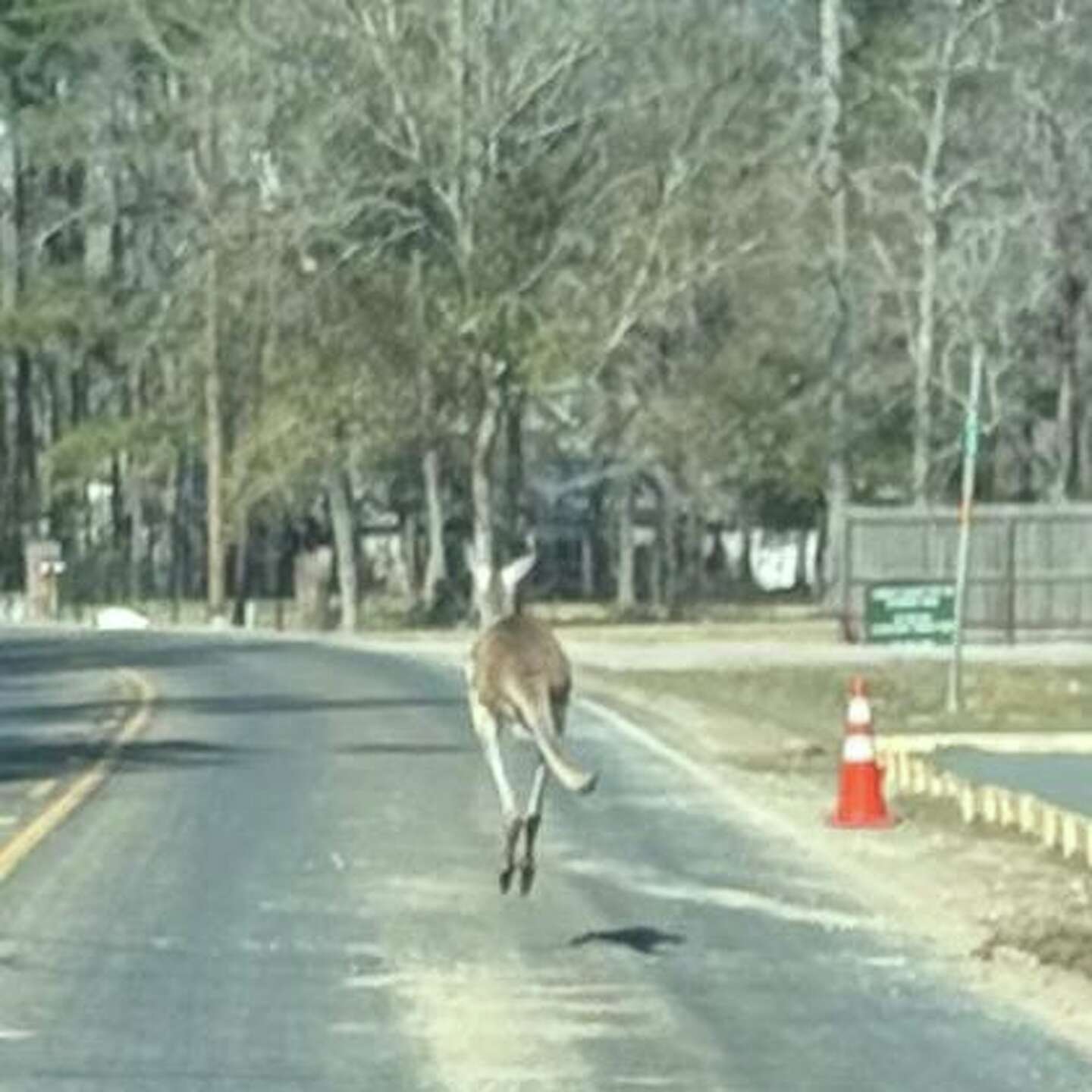
The decision to own a kangaroo carries significant inherent risks. These animals are powerful, capable of delivering lethal kicks if cornered or frightened. A stressed kangaroo can cause severe injury to owners, visitors, or other pets.
From a liability standpoint, owning an exotic animal often complicates your home insurance policy. Many insurance providers consider kangaroos "high-risk" animals. If an incident occurs, you may find your coverage voided, or your premiums could skyrocket. Furthermore, if the kangaroo escapes—a genuine concern given their agility—the owner is held strictly liable for any damage caused to property or injury to persons.
Comparing Domestic vs. Exotic Ownership
The following table highlights the fundamental differences in requirements between a standard domestic pet and a kangaroo.
| Requirement | Domestic Pet (Dog/Cat) | Kangaroo |
|---|---|---|
| Housing | Indoors/Backyard | Large climate-controlled paddock |
| Veterinary Access | General practitioner | Exotic/Zoo specialist |
| Climate Adaptability | Varies (mostly adaptable) | Low (requires extreme heating) |
| Liability Insurance | Standard Homeowners | High-risk supplemental policy |
| Social Needs | High (human-oriented) | Complex (requires group dynamics) |
| Diet | Standard commercial food | Forage-based/Specialized supplements |
FAQ: Common Concerns Regarding Exotic Pets in Wisconsin
1. Does Wisconsin require a license to own a kangaroo? The state does not have a specific "kangaroo license." However, because local ordinances dictate ownership, you may be required to obtain a "wild animal permit" from your specific municipality or county, depending on how they classify the animal.
2. Can I keep a kangaroo in a suburban backyard? It is highly unlikely. Most suburban ordinances prohibit the keeping of livestock or wild animals. Even if allowed, the space requirements and noise concerns for neighbors would likely lead to immediate legal intervention by animal control.
3. Are there specific species of kangaroos that are easier to keep? While some species, such as Wallabies, are smaller than Red Kangaroos, the husbandry requirements—including the need for specialized veterinary care and climate control—remain largely the same. No kangaroo species is "easy" to keep in an non-native environment.
4. What happens if I move to a different city in Wisconsin? If you move, you are subject to the ordinances of your new location. An animal that is legal in one township might be strictly prohibited in the next. Always research the local statutes before planning a move with an exotic animal.
5. Where do people typically source kangaroos for ownership? Reputable owners acquire animals from licensed breeders who operate under USDA oversight. Avoid individuals selling exotic pets online through unverified classifieds, as these may involve illegal wildlife trafficking or animals with severe health issues.
Expert Guidance and Next Steps
If you are seriously considering the ownership of a kangaroo, the most responsible first step is to consult with your local municipal clerk’s office to review all current animal control ordinances. Do not rely on verbal assurances; request the written language of the code.
Simultaneously, contact a veterinarian specializing in exotic animals within your region to discuss the viability of providing care in your specific climate. If you cannot establish a medical plan, you should not proceed with ownership. Finally, reach out to an insurance agent to verify if your current homeowners' policy covers exotic species or if you require a commercial-grade exotic animal liability policy.
The welfare of the animal must be the priority. Because of the extreme difficulty in replicating a natural habitat and providing proper social interaction for these complex animals, most experts strongly discourage private ownership of kangaroos. If your interest lies in macropods, consider supporting accredited zoos or wildlife sanctuaries where these animals receive professional, expert-led care.