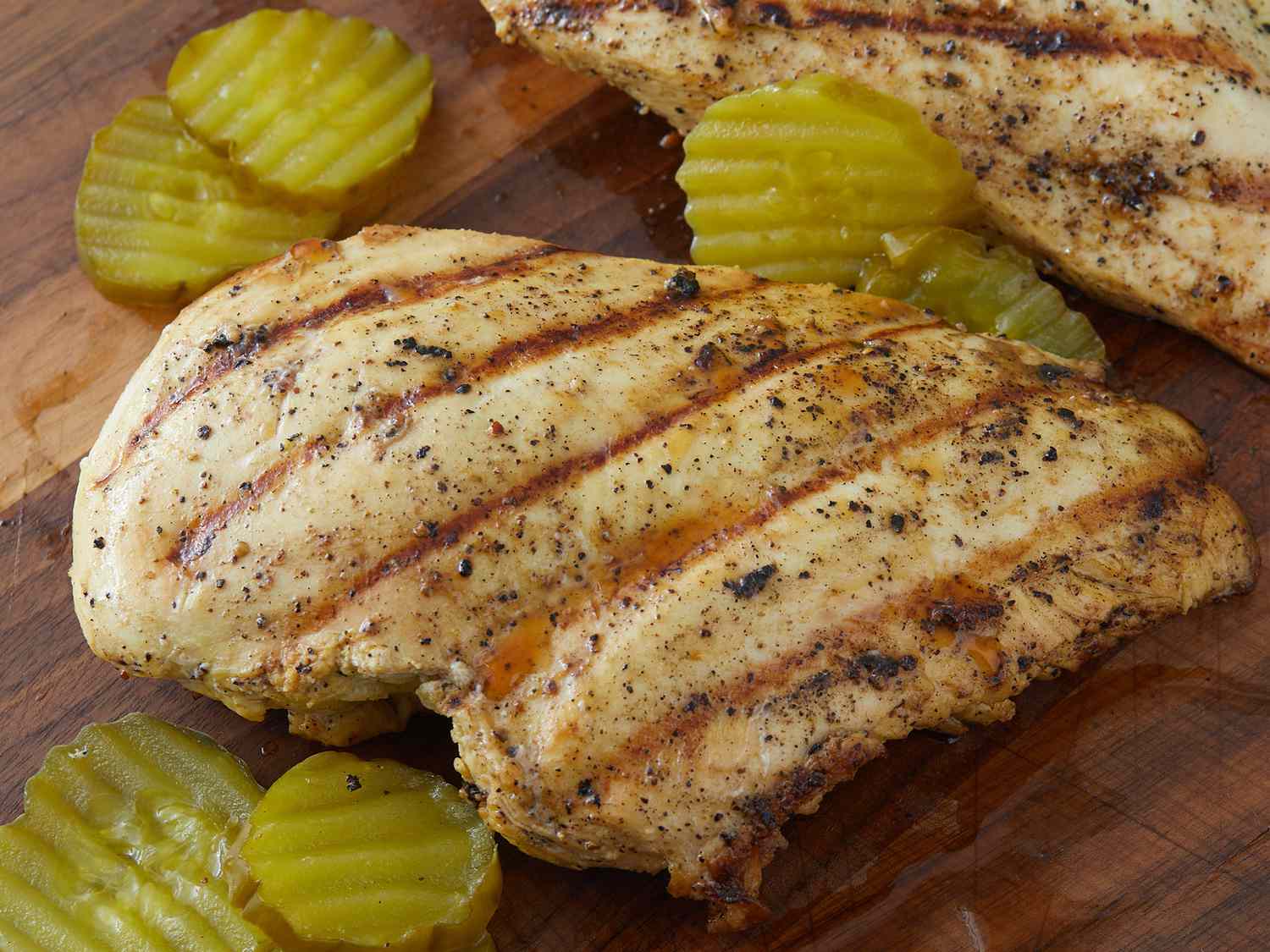
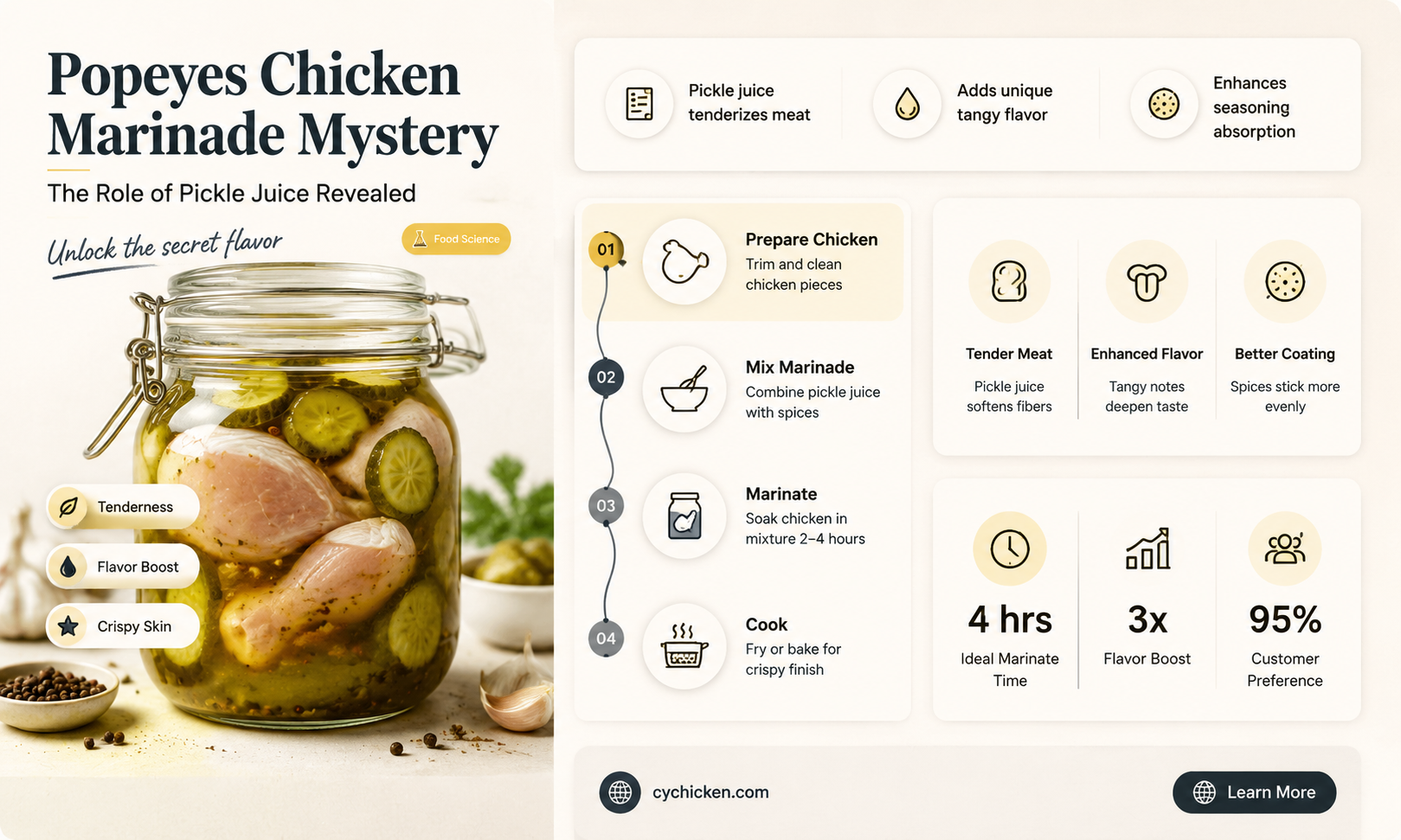
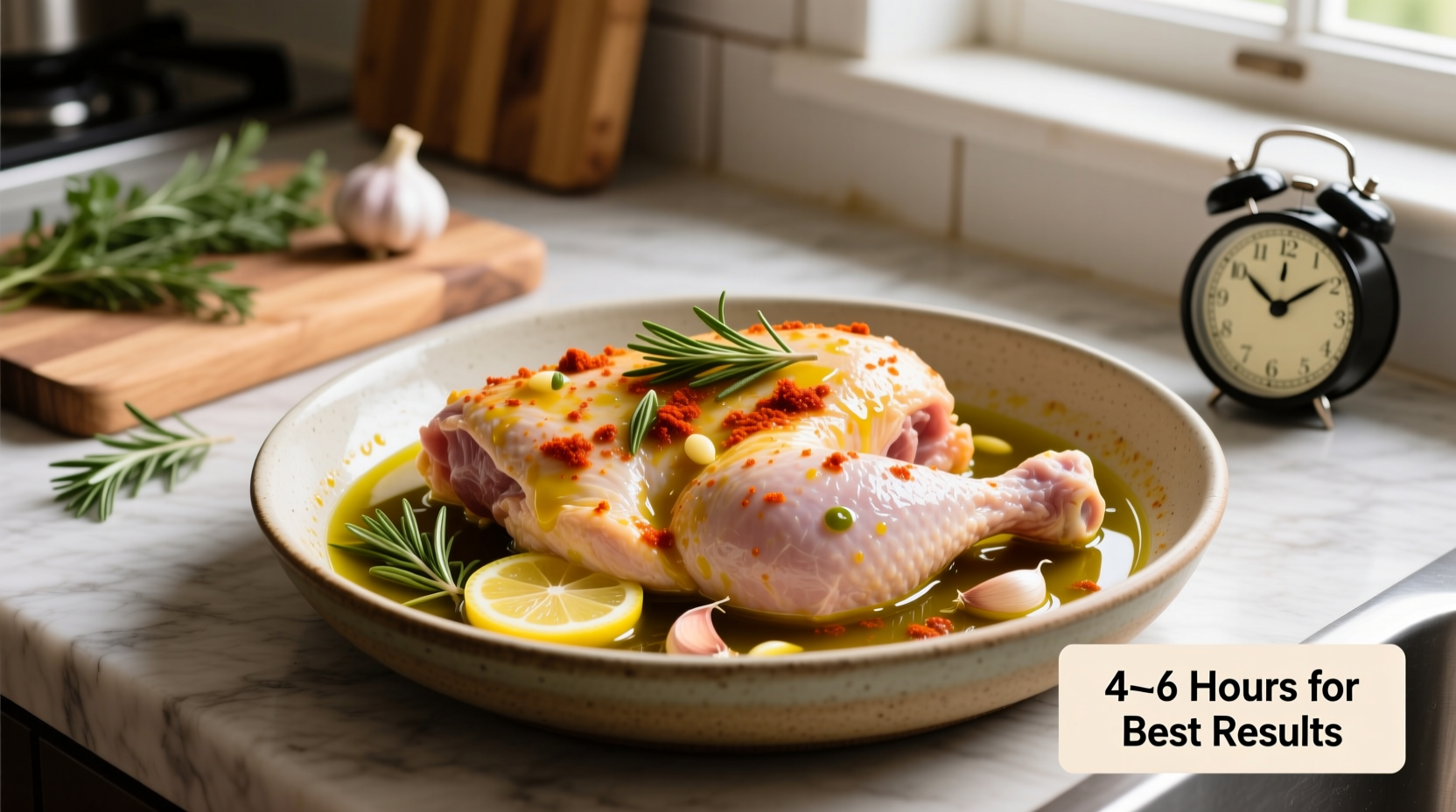
Marinating chicken in pickle juice typically requires anywhere from 30 minutes to 4 hours for boneless cuts, and up to 8 to 12 hours for bone-in pieces. Because pickle brine is highly acidic, leaving chicken in the liquid for too long will break down the meat's proteins excessively, resulting in a mushy, unappealing texture.
Achieving the ultimate crispy, flavorful chicken sandwich or fried chicken at home often comes down to one secret ingredient that many home cooks throw away: leftover pickle juice. Popularized by fast-food giants like Chick-fil-A, soaking poultry in seasoned cucumber brine infuses the meat with moisture, garlic, dill, and a subtle tang. However, mastering this culinary technique requires an understanding of food science, timing, and safety protocols to ensure the chicken turns out tender rather than ruined.
The Culinary Science of Pickle Juice Marination
To understand how long chicken should remain in pickle juice, one must first look at what happens chemically when meat meets brine. Pickle juice is primarily composed of water, white or apple cider vinegar, salt, and various pickling spices such as garlic, dill weed, mustard seed, and peppercorns.
The two primary active agents in this liquid are acid and sodium chloride (salt):
- The Role of Acid: The vinegar in pickle juice lowers the pH level of the marinade. While mild acidity helps tenderize tough outer fibers, too much acid or too much time spent in an acidic environment causes muscle proteins to denature excessively. Instead of becoming tender, the meat contracts, squeezes out moisture, and turns chalky or mushy.
- The Role of Salt: Salt acts as a natural brine. Through the process of osmosis, salt draws moisture out of the meat initially, dissolves, and is then reabsorbed along with water and flavors deep into the muscle tissue. This process, known as protein solubilization, allows the chicken to retain significantly more moisture during high-heat cooking methods like frying or grilling.
Because of this delicate balance between beneficial brining and detrimental acid breakdown, timing is everything.
Recommended Marination Times by Chicken Cut
Different cuts of chicken vary in thickness, fat content, and bone structure, which directly dictates how long they can safely sit in an acidic brine without degrading in texture.
| Chicken Cut | Optimal Marination Time | Maximum Safe Limit | Safety & Texture Notes |
|---|---|---|---|
| Boneless, Skinless Breasts | 30 minutes – 2 hours | 4 hours | Thin or cutlets absorb brine rapidly; do not exceed 4 hours to avoid a mealy texture. |
| Boneless, Skinless Thighs | 1 – 4 hours | 8 hours | Higher fat content protects the meat slightly, allowing for a longer soak. |
| Bone-In Pieces (Breasts, Quarters) | 4 – 8 hours | 12 hours | Bones slow down flavor penetration; thicker meat requires more time to absorb brine. |
| Chicken Wings / Drumettes | 30 minutes – 2 hours | 4 hours | Small surface area absorbs salt quickly; extended soaking makes them overly salty. |
Boneless, Skinless Chicken Breasts
Chicken breasts are notoriously lean and prone to drying out during cooking. Pickle juice acts as an insurance policy against dryness. For standard boneless breasts, 1 to 2 hours is the sweet spot. If you are pressed for time, even a 30-minute soak will impart a noticeable savory flavor. Never push boneless breasts past the 4-hour mark, as the vinegar will begin to break down the delicate muscle fibers, creating a mushy texture upon cooking.
Chicken Thighs
Dark meat contains more fat and connective tissue, making it structurally sturdier than white meat. Chicken thighs can safely marinate for 2 to 4 hours, and can handle up to 8 hours if you prefer a deeply penetrated, tangy flavor profile.
Bone-In Chicken Pieces
If you are preparing fried chicken with bone-in drumsticks, thighs, or split breasts, the meat requires more time for the brine to reach the center. Plan for 4 to 8 hours of marinating time. Because bone-in pieces are much denser, they resist the mush-inducing effects of the acid much longer than thin cutlets, though marinating past 12 hours is generally unnecessary and can make the exterior excessively salty.
Step-by-Step Guide to Brining Chicken in Pickle Juice
Executing this culinary technique correctly involves more than just dumping liquid over raw poultry. Follow these structured steps to maximize flavor while maintaining food safety standards.
1. Select the Right Pickle Juice
Not all pickle juices are created equal. Traditional fermented or refrigerated half-sour and full-sour pickles (found in the refrigerated produce section) contain live cultures and lower vinegar concentrations, yielding a complex, earthy sourness. Shelf-stable supermarket dill pickles (such as Vlasic or Clausen) feature higher vinegar and salt levels, delivering that classic fast-food tang. Avoid sweet bread-and-butter pickle juice unless you specifically desire a sweet-and-savory flavor profile, as the high sugar content can burn rapidly during cooking.
2. Prepare the Chicken
Rinse your chicken pat-down with cold water and pat completely dry with paper towels. For uniform flavor absorption, consider the following preparation adjustments:
- Pound chicken breasts to an even thickness using a meat mallet to prevent overcooking the thinner edges.
- Score thick thighs or bone-in pieces lightly with a knife to allow the brine to penetrate the denser portions of the meat.
3. Submerge and Seal
Place the chicken in a non-reactive container. Glass bowls, ceramic dishes, or heavy-duty Ziploc plastic bags work best. Avoid aluminum, copper, or cast-iron bowls, as the high acidity of the pickle juice will react chemically with these metals, imparting a metallic, unpleasant taste to the poultry. Ensure the chicken is completely submerged in the liquid. If using a bag, press out excess air before sealing to keep the meat in constant contact with the brine.
4. Refrigerate Immediately
Always marinate chicken in the refrigerator at or below 40°F (4°C). Never leave poultry sitting in a marinade at room temperature, as this creates an ideal breeding ground for harmful foodborne pathogens like Salmonella.
Common Mistakes to Avoid
Even experienced home cooks occasionally misjudge the potency of pickle brine. Keep the following pitfalls in mind to ensure culinary success:
- Over-Marinating: Leaving chicken in pickle juice overnight (12 to 24 hours) is a common error. The meat will absorb too much sodium, becoming intensely salty, while the exterior protein structure dissolves into a pasty, unappetizing consistency.
- Reusing the Marinade: Never reuse liquid that has touched raw poultry as a dipping sauce or a secondary marinade. If you want a pickle-flavored sauce to serve alongside your finished meal, set aside a portion of fresh pickle juice before adding the raw chicken.
- Skipping the Rinse or Pat-Dry Step: Pulling chicken straight from the brine and tossing it directly into hot oil or a pan will cause excessive splattering and prevent a proper, crispy crust from forming. Always remove the chicken from the liquid, let any excess drip off, and pat it thoroughly dry with paper towels before applying breading, flour, or oil.
- Adding Extra Salt to Breading: Because pickle juice is heavily salted, the chicken absorbs significant sodium during its soak. Adjust your subsequent seasoning mixes, rubs, or breading recipes by reducing or eliminating added salt to prevent an overly salty final dish.
Enhancing Your Pickle Juice Marinade
While pure dill pickle juice works exceptionally well on its own, many culinary enthusiasts customize the liquid to elevate the flavor profile further. You can easily build a complex marinade by whisking additional ingredients directly into your leftover pickle juice:
- Dairy Addition: Mix in a splash of buttermilk or whole milk. The lactic acid in dairy further tenderizes the chicken gently without causing the structural breakdown associated with harsh vinegars, mimicking the traditional Southern fried chicken soaking method.
- Heat and Spice: Add hot sauce (such as a vinegar-based cayenne pepper sauce), red pepper flakes, or cayenne powder to create a spicy Nashville hot-style poultry base.
- Aromatics: Drop in smashed garlic cloves, fresh dill sprigs, black peppercorns, or a teaspoon of onion powder to amplify the savory undertones of the brine.
- Sweetness Balance: Stir in a tablespoon of brown sugar or honey if you are using an intensely sharp dill brine, which helps balance the sharp vinegar notes and aids in caramelization during cooking.
Frequently Asked Questions
Can I marinate chicken in pickle juice overnight?
For most standard cuts, marinating overnight (8 to 12 hours or more) is discouraged. The high acidity and salt content will over-cure the outer layers of the meat, making the chicken unpleasantly salty and texturally mushy. If you only have time for an overnight soak, use thick bone-in pieces and dilute the pickle juice with an equal part of buttermilk or water to buffer the acid.
Do I need to rinse the pickle juice off the chicken before cooking?
You do not need to rinse the chicken under running water, which can splatter bacteria across your kitchen workspace. Instead, simply lift the chicken out of the brine, let the excess liquid drip back into the container, and pat the surface completely dry with paper towels.
What type of pickle juice works best?
Dill pickle juice yields the most savory, traditional results for fried chicken, sandwiches, and grilling. Garlic-dill or kosher dill brine adds an extra layer of aromatic depth. Avoid sweet pickle juices unless you specifically enjoy a sweet-and-sour flavor profile.
Is it safe to reuse pickle juice marinade?
No. Marinade that has come into contact with raw poultry harbors harmful bacteria. Reusing it without thorough, boiling-hot cooking can lead to foodborne illness. Always discard used marinade immediately.
Why does pickle juice make chicken tender?
Pickle juice works through a combination of light acid tenderization and salt-water brining. The salt alters the protein structures within the muscle fibers, allowing the meat to trap and hold onto moisture during the cooking process, resulting in a juicier final product.
Next Actions for Success
To put this knowledge into practice, save the liquid from your next jar of quality dill pickles rather than pouring it down the drain. Choose boneless, skinless chicken breasts or thighs, submerge them in the brine inside a sealed container, and place them in the refrigerator for 1 to 2 hours. Once time is up, remove the meat, pat it completely dry, apply your favorite flour or spice coating, and cook to an internal temperature of 165°F (74°C) for perfectly tender, flavorful poultry.