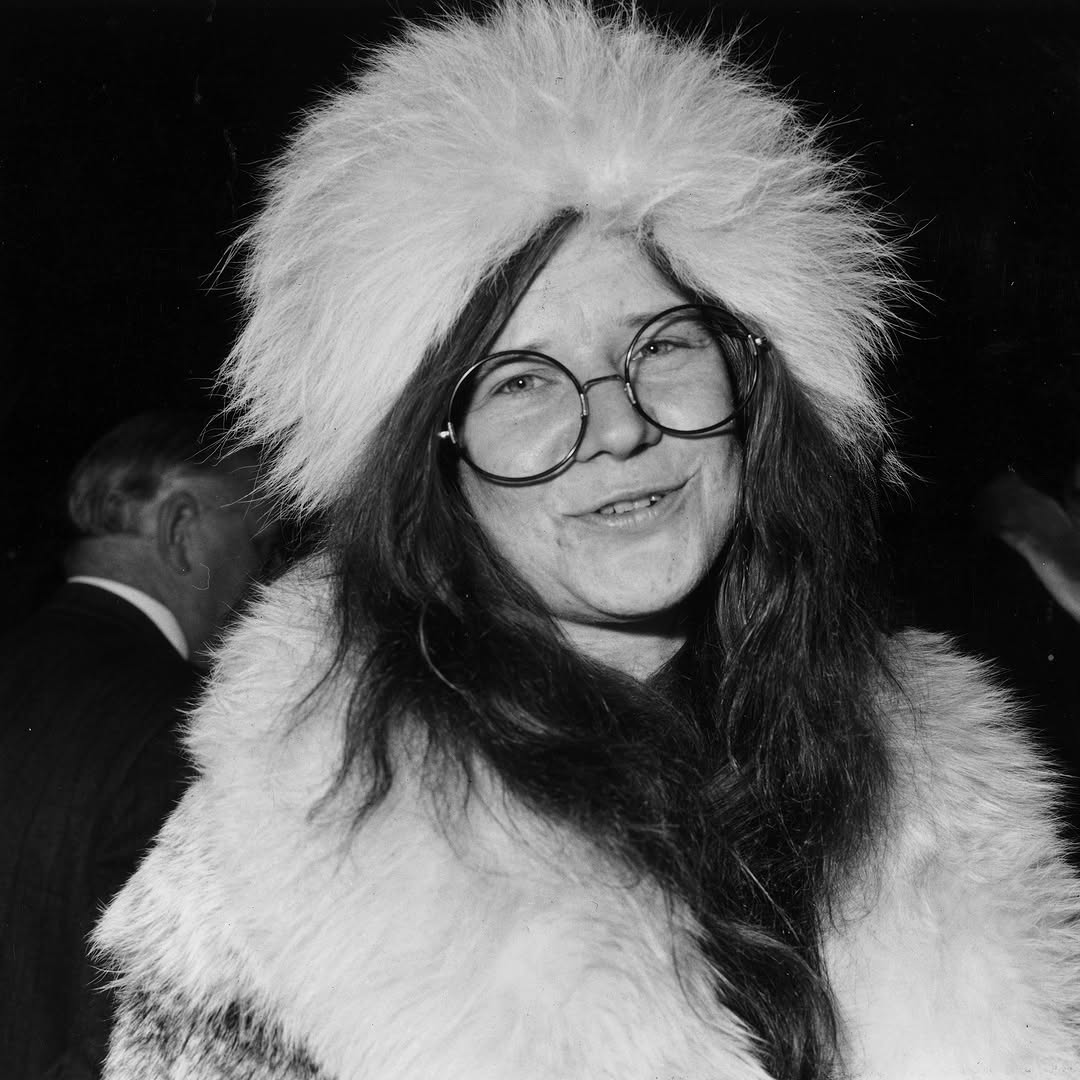
Janis Joplin was a seminal American rock, soul, and blues singer-songwriter who became a defining icon of the 1960s counterculture. Through her raw, emotionally charged vocal style and non-conformist persona, she transitioned from a struggling artist in Texas to an international superstar, ultimately leaving a permanent mark on music history before her untimely death in 1970.
Early Life and Artistic Formation
Born on January 19, 1943, in Port Arthur, Texas, Janis Lyn Joplin grew up in a working-class environment that stood in stark contrast to her burgeoning intellectual and artistic sensibilities. As a teenager, she found solace in the music of blues legends such as Bessie Smith, Odetta, and Big Mama Thornton. These influences, characterized by deep emotional vulnerability and powerful vocal projection, formed the foundation of her unique sound.
Her early life was marked by a sense of displacement. In her high school years, she often struggled with social isolation and the conservative atmosphere of her hometown, which frequently clashed with her burgeoning interest in the Beat Generation and African American blues music. This early friction galvanized her desire to seek creative refuge in more progressive environments. In 1960, she enrolled at Lamar State College of Technology and later the University of Texas at Austin, where she began performing in local coffeehouses, honing the gritty, unrefined vocal technique that would eventually make her a household name.
The San Francisco Ascent
In 1963, Joplin hitchhiked to San Francisco, arriving at the epicenter of the Haight-Ashbury hippie movement. This transition was pivotal, as it placed her in a creative ecosystem that valued experimentation and individual expression. After a brief return to Texas to focus on her health and sobriety, she was recruited by the psychedelic rock band Big Brother and the Holding Company in 1966.
The partnership with Big Brother and the Holding Company provided the musical backdrop for Joplin’s meteoric rise. Her performance at the Monterey Pop Festival in 1967 served as her national breakout, with critics and audiences alike stunned by the intensity of her delivery—most notably her performance of "Ball and Chain." The band’s 1968 album, Cheap Thrills, captured the chaotic, blues-infused energy of the San Francisco sound and solidified Joplin’s status as a premier rock vocalist.
Career Milestones and Artistic Shifts
Following her departure from Big Brother in late 1968, Joplin pursued a solo career aimed at expanding her musical repertoire beyond the psychedelic rock framework. Her goal was to integrate more soul, R&B, and gospel influences into her sound.
Significant Musical Projects
- Big Brother and the Holding Company (1966–1968): A period defined by experimental psychedelic rock, raw guitar riffs, and the refinement of her stage persona.
- Kozmic Blues Band (1969): An ambitious attempt to incorporate a horn section and soul-influenced arrangements. While the album I Got Dem Ol' Kozmic Blues Again Mama! received mixed reviews, it showcased her versatility.
- The Full Tilt Boogie Band (1970): Her final musical iteration. This group allowed for a tighter, more polished blues-rock sound. The sessions for her final album, Pearl, remain some of the most acclaimed recordings of her career, featuring tracks like "Me and Bobby McGee."
The Creative Process and Vocal Technique
Janis Joplin’s approach to music was less about technical perfection and more about the visceral communication of pain, desire, and joy. Her voice was often described as "shredded," a byproduct of her unrestrained vocal projection that pushed the limits of her range. She viewed her performances as an act of exorcism, frequently stating that she felt a closer connection to her audience during a performance than she ever did in her private life.
She practiced "vocal improvisation," where she would alter melodies and phrasing based on the emotional tenor of the room. This made every live performance a singular, unrepeatable event. Critics have noted that her ability to shift from a low, husky growl to a piercing, high-pitched wail in a single measure was a technique rarely mastered by her contemporaries.
Comparison of Career Phases
The following table outlines the distinct stylistic evolution of Joplin’s career, highlighting the shifts in instrumentation and artistic focus.
| Phase | Primary Ensemble | Musical Style | Key Accomplishment |
|---|---|---|---|
| 1966–1968 | Big Brother & Holding Co. | Psychedelic Rock | Cheap Thrills album |
| 1969 | Kozmic Blues Band | Soul / Blues-Rock | Woodstock Festival appearance |
| 1970 | Full Tilt Boogie Band | Blues / Hard Rock | Recording Pearl |
The Impact of Celebrity and Personal Struggle
The rapid trajectory from obscurity to global fame brought immense pressure. Joplin struggled publicly with substance use, which was often exacerbated by the demanding lifestyle of a touring musician in the late 1960s. Despite these challenges, she remained a highly disciplined musician during studio sessions, often pushing her bands to refine their arrangements until they met her exacting standards.
Her death on October 4, 1970, due to a heroin overdose in a Los Angeles hotel, sent shockwaves through the music industry. It served as a stark reminder of the personal costs associated with the rapid expansion of the rock-star archetype, a theme that has been analyzed extensively by historians and sociologists studying the 1960s.
The Legacy of Janis Joplin
In 2026, Janis Joplin’s influence on popular music remains as potent as ever. She shattered gender barriers in the male-dominated rock industry, proving that a female performer could possess the same level of raw power and "edge" as her male counterparts.
Her legacy is preserved through:
- Vocal Influence: Generations of singers in genres ranging from blues to heavy metal cite her as a primary influence on vocal phrasing and emotional honesty.
- Cultural Iconography: The imagery of the "tough but vulnerable" woman in rock became an archetype that many artists continue to draw from today.
- Institutional Recognition: Joplin was inducted into the Rock and Roll Hall of Fame in 1995, and her records continue to find new audiences through digital streaming and physical archival releases.
Frequently Asked Questions
What was Janis Joplin’s final studio album?
Her final studio album was Pearl, released posthumously in 1971. It contains her most commercially successful single, "Me and Bobby McGee," written by Kris Kristofferson. The album is widely considered her most consistent and musically mature work.
How did Janis Joplin change the role of women in rock music?
Before Joplin, female rock performers were often confined to vocal-centric pop or folk roles. Joplin introduced an unrestrained, physically demanding performance style that prioritized emotional truth over traditional standards of beauty or decorum, opening the door for later female artists to express anger, grit, and vulnerability on stage.
Why did Janis Joplin leave Big Brother and the Holding Company?
Joplin sought greater musical sophistication and felt that the band’s limited technical abilities were preventing her from exploring the soul and blues influences she wanted to incorporate into her music. She sought a tighter, more professional backing group to support her vocal development.
What is the historical context of her 1969 Woodstock performance?
Joplin performed at the 1969 Woodstock Festival during a period of professional and personal turbulence. While the set is often remembered for being marred by her heavy drug use at the time, it remains a significant historical document of her transition into a solo soul-influenced artist.
Is there an official biography or archival source for her life?
Several authorized biographies exist, most notably Scars of Sweet Paradise by Alice Echols, which provides a balanced look at her musical contributions and personal struggles. For researchers, the Janis Joplin estate provides verified chronological data regarding her tour dates and recording sessions.
Recommendation for Further Exploration
To truly understand the depth of Joplin’s impact, one should compare the raw, garage-rock sound of Cheap Thrills with the refined, polished production found on Pearl. Listening to these albums in sequence illustrates the short, intense trajectory of a voice that sought to reconcile the rough textures of the blues with the modern sensibilities of the rock era.