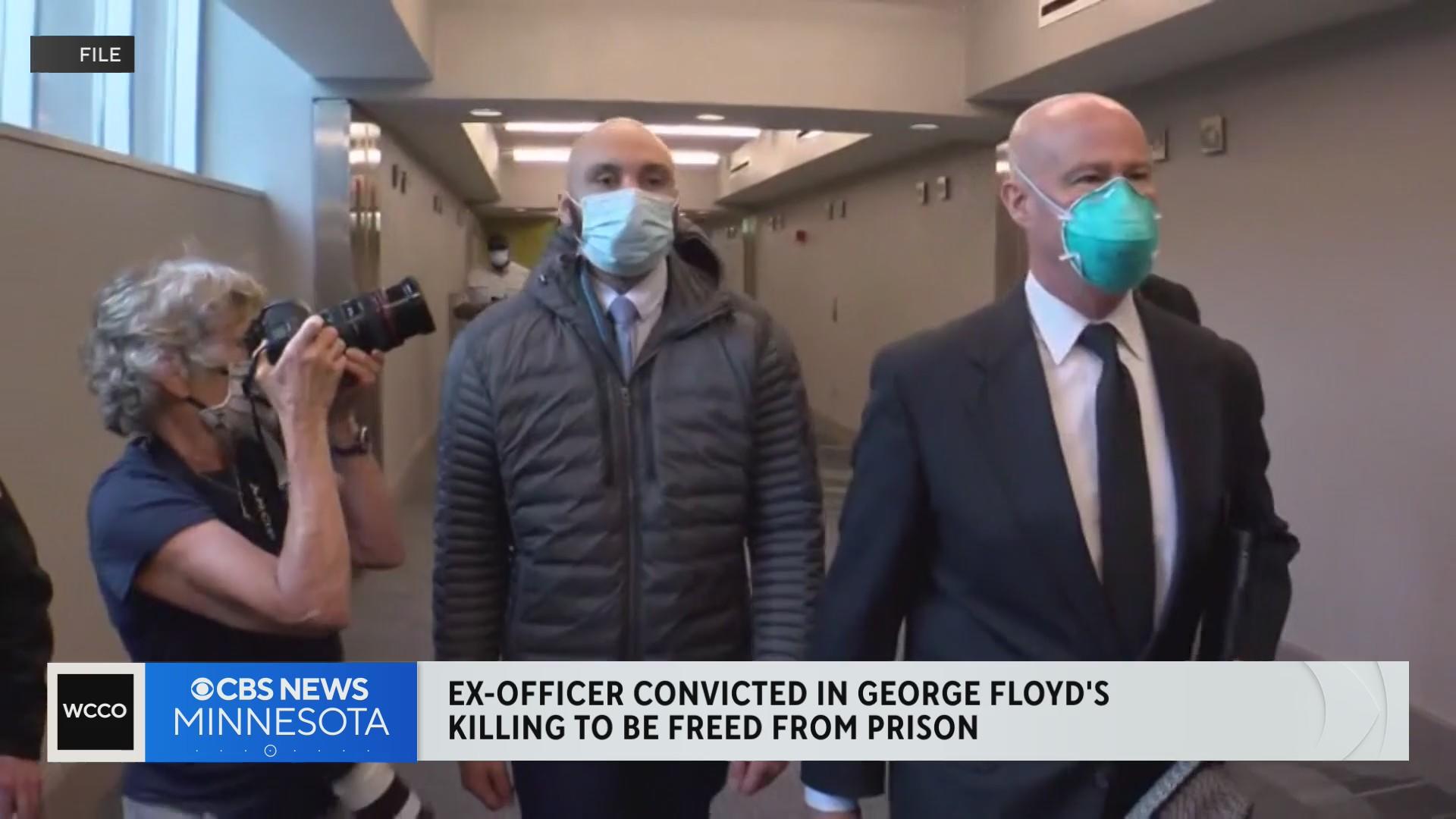
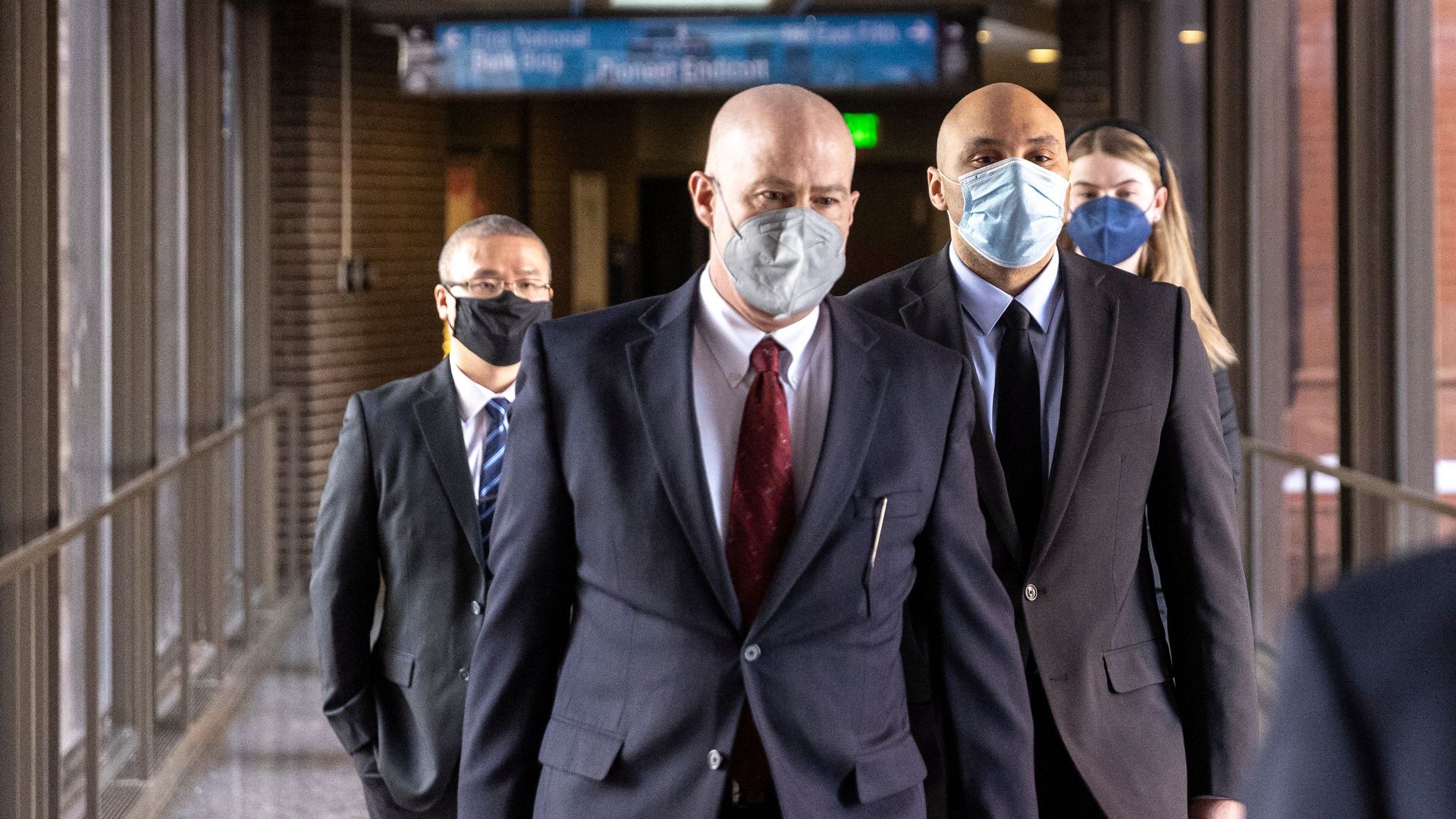
J. Alexander Kueng is a former Minneapolis Police Department officer who was convicted of federal and state charges related to the 2020 death of George Floyd. His legal path involved multiple trials, plea agreements, and sentencing hearings across both the federal and Minnesota state judicial systems, eventually resulting in a multi-year term of incarceration within the federal prison system.
Background and Initial Employment
J. Alexander Kueng joined the Minneapolis Police Department (MPD) in 2017. By May 2020, he was a probationary officer who had been on the force for approximately nine months. During his shift on May 25, 2020, Kueng and his training officer, Derek Chauvin, along with fellow officers Thomas Lane and Tou Thao, responded to a call regarding a suspected counterfeit $20 bill at a local grocery store.
The subsequent arrest of George Floyd led to his death when Chauvin restrained him on the pavement for over nine minutes. Kueng’s role during this incident, which included assisting in holding Floyd’s legs and maintaining the perimeter, became the focal point of intensive criminal investigations and national scrutiny. Following the incident, Kueng was terminated from the MPD and faced immediate criminal charges.
Federal Prosecution and Civil Rights Charges
In May 2021, a federal grand jury indicted all four officers involved in the arrest on charges of violating George Floyd's civil rights. Kueng was specifically charged with two counts: willfully failing to intervene to stop Derek Chauvin from using unreasonable force, and failing to provide medical aid to Floyd despite his apparent distress.
The federal trial, which took place in early 2022, concluded with a jury finding Kueng guilty on both counts. Following the conviction, the sentencing process began. In July 2022, Kueng was sentenced to 36 months in federal prison for the civil rights violations. This sentence was handed down by U.S. District Judge Paul Magnuson, who noted the gravity of the deprivation of rights while acknowledging the varying levels of culpability among the officers present.
State Proceedings and Plea Agreement
Concurrent with the federal case, Kueng faced charges at the state level in Minnesota. He was charged with aiding and abetting both second-degree unintentional murder and second-degree manslaughter. While the federal case focused on civil rights, the state case centered on the violation of Minnesota statutes regarding the conduct of officers during an arrest.
As the legal proceedings advanced, Kueng opted for a plea agreement to resolve the state charges, avoiding a lengthy second trial. In October 2022, he entered a guilty plea to the charge of aiding and abetting manslaughter. Under the terms of the plea deal, the more severe charge of aiding and abetting murder was dismissed.
In December 2022, Hennepin County District Court Judge Peter Cahill sentenced Kueng to 42 months in state prison. Crucially, the court ordered that this state sentence run concurrently with his 36-month federal sentence. This meant that Kueng would serve the sentences simultaneously, rather than consecutively, effectively allowing the federal time to count toward his total incarceration period.
Summary of Legal Outcomes
The following table summarizes the dual-track legal outcomes that defined the case against J. Alexander Kueng.
| Jurisdiction | Charge | Conviction Type | Sentence |
|---|---|---|---|
| Federal | Deprivation of Civil Rights | Jury Verdict | 36 Months |
| State | Aiding and Abetting Manslaughter | Plea Agreement | 42 Months |
Note: The state sentence is served concurrently with the federal sentence.
Incarceration and Transfer
Following the conclusion of his sentencing, Kueng was transferred into the custody of the Federal Bureau of Prisons (BOP). In early 2023, he was moved to a low-security federal correctional institution to begin serving his time. Federal guidelines require inmates to serve a significant portion of their sentence, often at least 85% of the court-imposed time, minus any credits for good behavior, before becoming eligible for supervised release or transition to a residential reentry center.
As of 2026, Kueng remains in federal custody. The logistical aspects of his imprisonment, including his location and specific security designation, are managed by the Bureau of Prisons under standard administrative procedures for high-profile cases to ensure the safety and security of both the inmate and the facility.
Ethical and Procedural Implications
The case of J. Alexander Kueng raised significant questions regarding the "duty to intervene" within police training manuals. During the trials, the prosecution argued that as a licensed police officer, Kueng had an affirmative duty to stop his superior officer when he observed excessive force. The defense countered by highlighting the culture of the police department, the hierarchy of the command structure, and Kueng’s status as a trainee, suggesting that he was deferring to the judgment of his senior training officer.
Legal experts have pointed to this case as a landmark moment in American jurisprudence concerning police accountability. It highlighted the move away from broad protections previously afforded to law enforcement under the doctrine of qualified immunity in civil contexts, and toward increased individual accountability in criminal trials for acts of omission—specifically the failure to intervene in the misconduct of others.
Frequently Asked Questions
1. Is J. Alexander Kueng still in prison in 2026? Yes. Kueng is currently serving his concurrent federal and state sentences. His release date is calculated based on the 42-month state sentence, subject to Bureau of Prisons regulations regarding good time credit and supervised release.
2. Was the sentence for J. Alexander Kueng light compared to others? Sentencing is determined by federal and state guidelines based on the specific charges, criminal history, and the judge's interpretation of the facts. While observers have varying opinions on the duration, the sentences were delivered within the parameters established by law for the specific crimes of aiding and abetting manslaughter and civil rights violations.
3. Did J. Alexander Kueng testify at his trials? In the state proceedings, he chose to enter a plea agreement rather than proceed to a full trial. During the federal trial, the defense strategy focused on the hierarchy of the Minneapolis Police Department and the influence of the training officer, rather than relying on Kueng's direct testimony to refute the factual evidence of his physical actions.
4. Can Kueng appeal his convictions? The right to appeal is a standard component of the American judicial system. However, by entering a plea agreement in the state case, Kueng waived many of his rights to challenge the conviction or the sentence in that specific jurisdiction. Challenges to federal convictions are restricted to narrow grounds, such as procedural errors during the trial or constitutional violations.
5. What is the status of the other officers involved? Derek Chauvin, Tou Thao, and Thomas Lane were also convicted on various federal and state charges. Each individual underwent separate sentencing phases, and all remain under the jurisdiction of state and federal correctional departments as of 2026.
Next Steps and Monitoring
For those tracking the developments of this case, official information remains available through the Minnesota Judicial Branch’s public access portal and the Federal Bureau of Prisons inmate locator tool. These databases provide the most accurate status updates regarding the location and projected release dates for individuals within the penal system. As of 2026, no further major legal proceedings are scheduled, as the criminal trial phase has concluded.