Gerald Ronson is a prominent British businessman, property developer, and philanthropist best known for building the Heron International group and his extensive charitable work. Over a career spanning more than seven decades, he transformed a small family furniture business into a major international property and urban development enterprise while playing a central role in various British Jewish community organizations and public-private regeneration partnerships.
Introduction to Gerald Ronson
Gerald Ronson’s trajectory reflects the evolution of British commerce, real estate, and philanthropy from the post-war era into the twenty-first century. Born in London in May 1939, Ronson left school at the age of fifteen to join his father’s furniture-making business. Through astute commercial maneuvers, diversification into petrol retailing, and strategic land acquisitions, he built Heron International into a multi-billion-pound conglomerate.
Beyond his commercial endeavors, Ronson is a notable figure in corporate philanthropy and community leadership. His life and career, however, have not been without profound challenges, including high-profile corporate restructuring during the early 1990s property crash and a controversial conviction during the Guinness share-trading affair—a sentence that was later formally quashed by the Court of Appeal in 2025, validating his long-standing campaign for exoneration. This article examines his early life, business evolution, philanthropic contributions, legal milestones, and enduring legacy in the United Kingdom.
Early Life and Family Background
Gerald Ronson was born into an East End London family deeply rooted in trade and craftsmanship. His father, Henry Ronson, had established a furniture manufacturing business that provided a modest living and early exposure to commercial operations. Growing up during and immediately after the Second World War, Ronson experienced an environment that demanded resilience and adaptability.
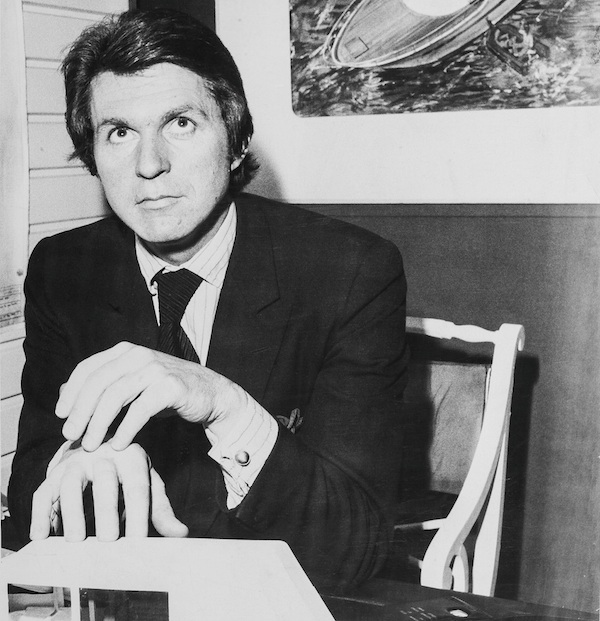
At the age of fifteen, Ronson made the consequential decision to leave school and enter his father’s business full-time. Rather than remaining strictly within the traditional confines of manufacturing, he began identifying opportunities to modernize operations and expand sales channels. This early hands-on experience instilled a pragmatic, entrepreneurial work ethic that characterized his subsequent business ventures. By his early twenties, Ronson had developed a clear ambition to scale operations well beyond traditional family-firm boundaries, setting his sights on the burgeoning post-war commercial real estate and retail sectors.
The Rise of Heron International
The foundation of Ronson’s commercial prominence was Heron International, a company he founded and expanded through successive decades of calculated risk-taking and diversification.
Expansion into Petrol Retailing
During the 1960s, Ronson recognized an underserved gap in the British retail petrol market. Heron began acquiring strategic roadside sites across the United Kingdom, establishing a network of modern, high-volume service stations. This venture proved exceptionally lucrative, providing the cash flow and asset base necessary to pivot into large-scale commercial property development.
Commercial Real Estate and Urban Regeneration
By the 1970s and 1980s, Heron International had evolved into a major international property development and investment company. The firm developed millions of square feet of prime office and commercial space, not only in London but across Europe and the United States. Heron’s portfolio included iconic office towers, retail centers, and residential developments, making it one of the most aggressive and visible property groups of the era. Ronson’s management style was famously hands-on, characterized by close personal oversight of deals, rigorous financial negotiations, and long-term strategic vision.
Corporate Restructuring and Resilience
The early 1990s brought a severe economic recession and a historic collapse in UK commercial property valuations. Like many major developers of the period, Heron International faced immense liquidity pressures as debt servicing costs outpaced property yields and asset values plummeted.
Ronson engaged in extensive, complex restructuring negotiations with international banks and bondholders. Despite losing significant personal wealth during the crisis, he maintained his professional reputation, retained key business relationships, and systematically rebuilt his operations. In the subsequent decades, he re-established Heron International as a focused, resilient property development and investment entity, culminating in notable projects such as the Heron Tower (now known as Salesforce Tower) in the City of London.
Legal Challenges and Exoneration
Ronson’s career experienced a profound legal crisis in the late 1980s and early 1990s related to the Guinness PLC share-trading investigation. In 1990, he was convicted alongside three others of offenses involving false market support during the 1986 Guinness takeover of Distillers. Ronson was sentenced to prison and served a term, followed by a period of public scrutiny and commercial ostracization.
Throughout subsequent decades, Ronson maintained his innocence regarding the core allegations, arguing that he had acted in good faith based on prevailing market practices and professional advice at the time. He pursued various avenues for appeal over many years.
In a landmark legal development, the Court of Appeal formally quashed Ronson’s conviction, recognizing that the original trial procedures and safety standards fell significantly short of contemporary judicial fairness. This ruling provided legal vindication for Ronson, concluding a decades-long chapter that had remained a defining, if contested, element of his public biography.
Philanthropy and Community Leadership
Alongside his commercial pursuits, Gerald Ronson has maintained a lifelong commitment to philanthropic endeavors, particularly within the British Jewish community and urban educational initiatives.
| Philanthropic Focus Area | Key Organizations / Initiatives | Nature of Contribution |
|---|---|---|
| Community Security | Community Security Trust (CST) | Co-founder and long-term chairman; focused on protecting British Jews from antisemitism. |
| Education & Youth | Various educational trusts and schools | Financial backing and governance for school infrastructure and leadership programs. |
| Healthcare & Social Welfare | Hospitals, medical research, and welfare funds | Direct capital donations and board-level fundraising support. |
| Urban Regeneration | Public-private community partnerships | Collaboration with local authorities to improve inner-city neighborhood facilities. |
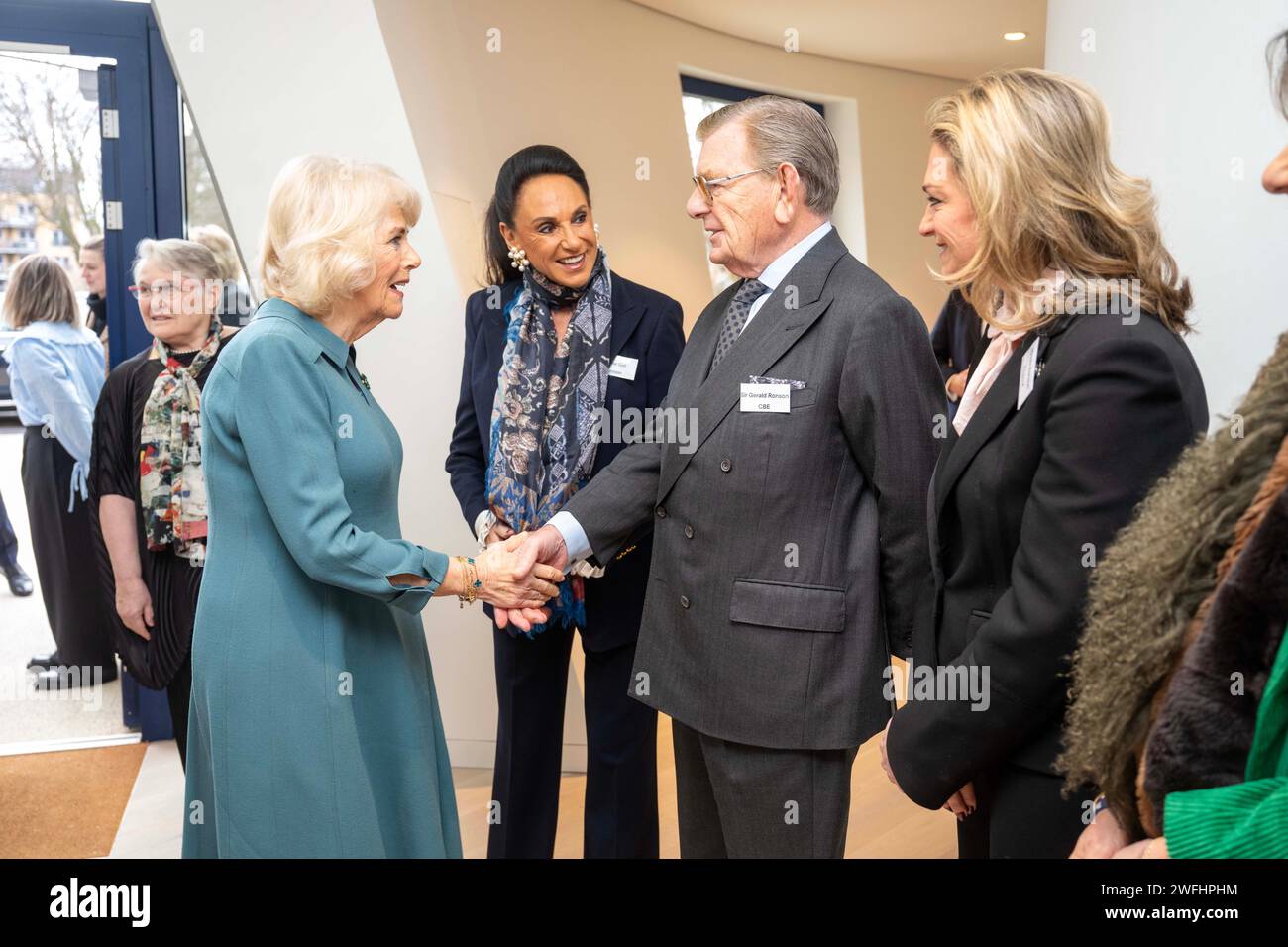
The Community Security Trust (CST), in particular, stands as one of Ronson’s most significant institutional legacies. Recognizing rising security threats facing Jewish schools, synagogues, and community centers in the late twentieth century, Ronson helped structure and finance a professional security apparatus that works closely with British police forces to ensure community safety. His philanthropic model emphasizes professional management, accountability, and measurable social impact rather than passive charitable giving.
Honors, Public Recognition, and Awards
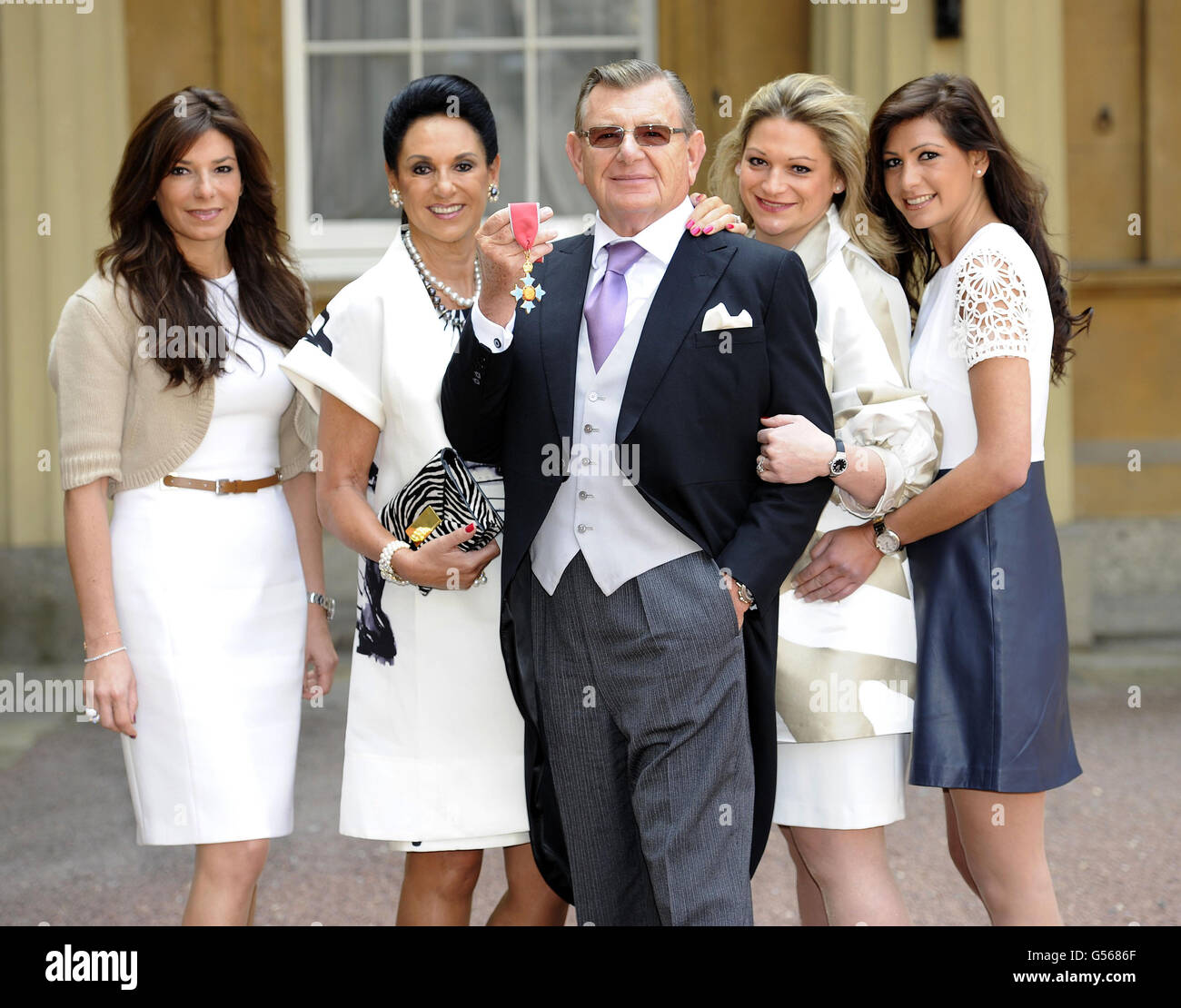
In recognition of his extensive business achievements and decades of charitable service, Ronson has received numerous public honors and awards. He was appointed a Commander of the Order of the British Empire (CBE) for his services to charity and business. His contributions to urban regeneration and community security have also been acknowledged by various civic institutions, academic bodies, and government agencies across the United Kingdom.
Despite these honors, Ronson’s public profile remains anchored in his distinct persona: a tough, self-made entrepreneur from the East End who combined aggressive commercial instincts with an unwavering dedication to communal responsibility.
Chronological Overview of Key Milestones
To understand the trajectory of Gerald Ronson’s life and career, it is helpful to examine the key events in chronological sequence:
- 1939: Born in London, England, into a family engaged in furniture manufacturing.
- 1954: Leaves school at age fifteen to join his father's business, initiating his commercial career.
- 1960s: Establishes Heron International and expands aggressively into petrol retailing across the UK.
- 1970s–1980s: Scales Heron into a global property development and investment powerhouse with landmark international holdings.
- 1990: Faces conviction in connection with the Guinness share-trading investigation, followed by imprisonment and a major restructuring of his business empire.
- 1990s–2000s: Rebuilds Heron International, focuses on prime London real estate, and expands philanthropic leadership, notably through the Community Security Trust.
- 2010s: Completes major developments such as Heron Tower in the City of London, cementing his status as a master urban developer.
- 2025: The Court of Appeal formally quashes his 1990 conviction, clearing his legal record and concluding his long-standing campaign for exoneration.
Frequently Asked Questions
What is Gerald Ronson best known for?
Gerald Ronson is best known as the founder and chief executive of Heron International, a major property development and investment group. He is also widely recognized for his extensive philanthropy, particularly his leadership within the Community Security Trust, and his prominent role in British business for over seven decades.
How did Gerald Ronson build his business empire?
He started by expanding his family’s furniture business before identifying a lucrative gap in the UK petrol retailing market in the 1960s. The profits from his service station network provided the capital required to acquire strategic land and develop major commercial real estate projects internationally through Heron International.
What happened during the Guinness share-trading case?
In 1990, Ronson was convicted of offenses related to share support operations during the 1986 Guinness takeover of Distillers. He served a prison sentence and spent decades working to clear his name. In 2025, the Court of Appeal formally quashed the conviction, recognizing fundamental flaws in the original legal proceedings.
What is the Community Security Trust (CST)?
The Community Security Trust is a British charity that protects the Jewish community from antisemitism and related threats. Ronson played a foundational role in establishing and funding its professional security infrastructure, serving as a primary leader and benefactor for many years.
What major real estate projects are associated with Heron International?
Heron International has developed millions of square feet of prime real estate across Europe and the UK. One of its most notable modern developments is the Heron Tower (Salesforce Tower) located in the financial district of the City of London.
Did Gerald Ronson lose his business during the 1990s property crash?
He faced severe financial pressure when the UK property market collapsed in the early 1990s, leading to massive debt restructuring and the loss of significant personal wealth. However, he successfully negotiated with creditors, retained core assets, and systematically rebuilt Heron International over the subsequent decades.
Practical Recommendations and Next Actions
For researchers, biographers, or business students examining the career of Gerald Ronson, several approaches ensure accurate analysis:
- Consult Primary Legal Records: When reviewing his legal history, rely on official Court of Appeal transcripts and formal judgments rather than sensationalized contemporary media coverage from the late 1980s.
- Examine Business History Context: Analyze his corporate strategies within the broader context of post-war British property booms, the 1990 real estate crash, and modern urban regeneration cycles.
- Evaluate Philanthropic Impact: Study his approach to institutional charity as a case study in applying corporate management disciplines to community security and welfare organizations.