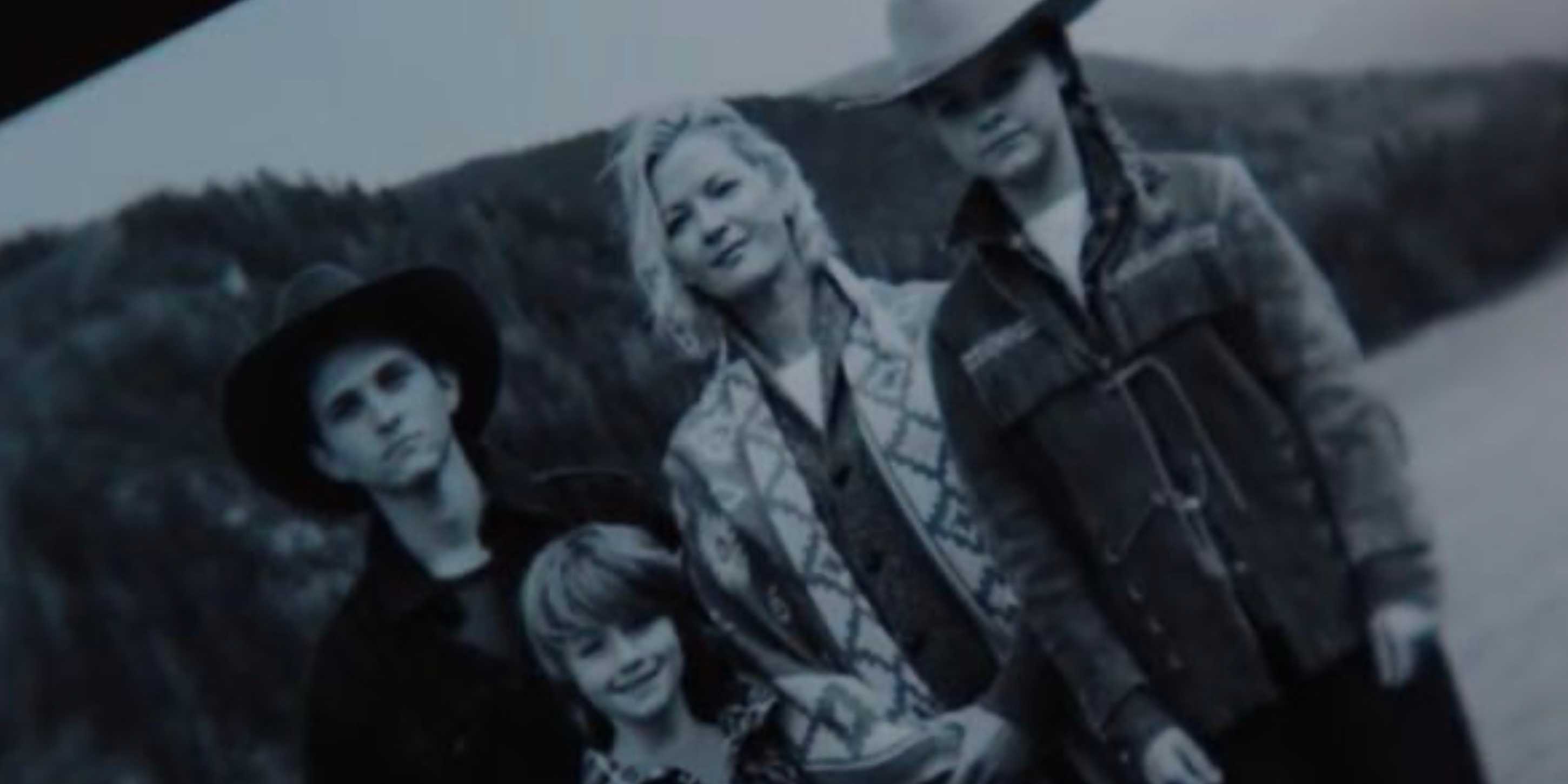
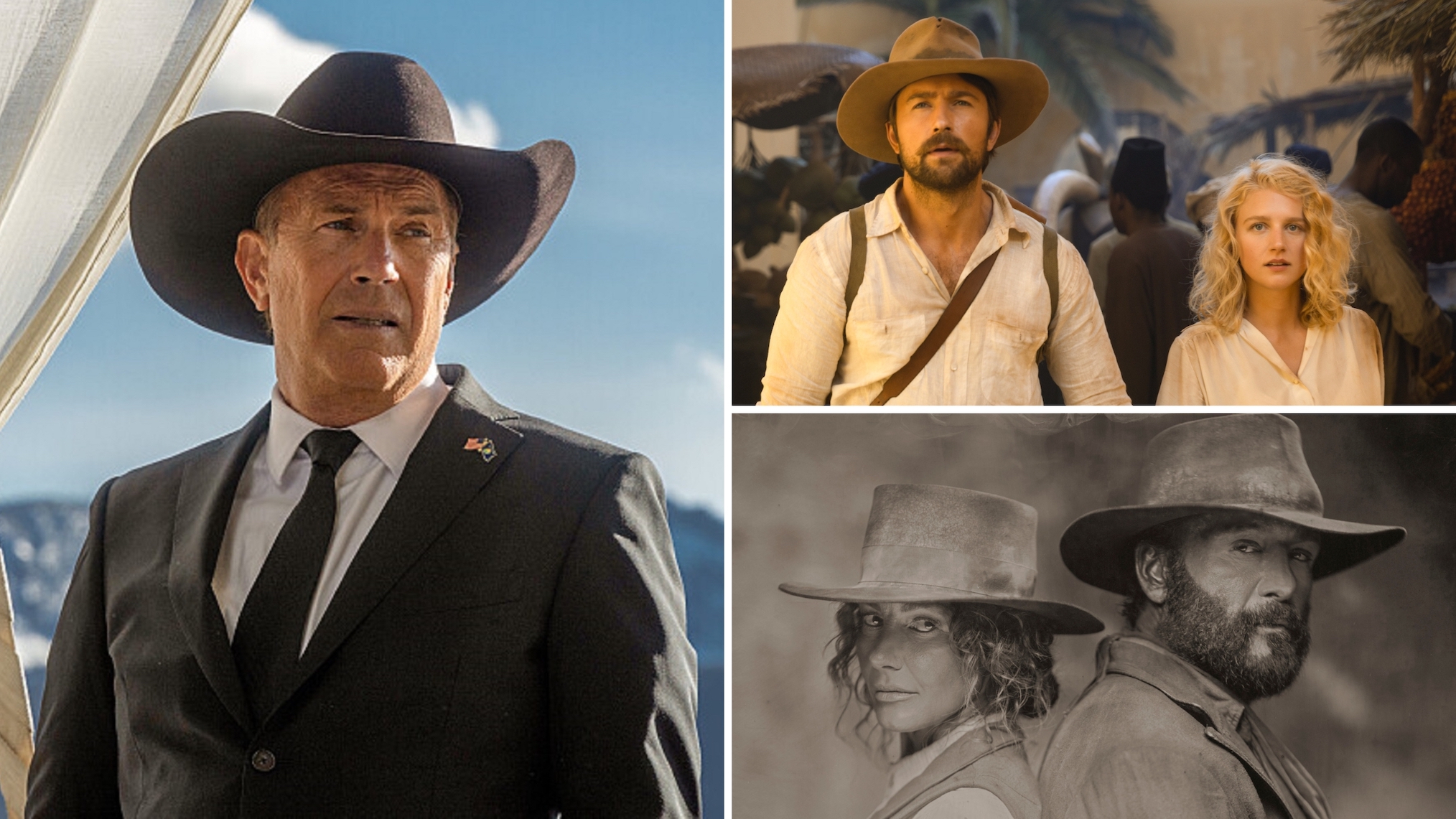
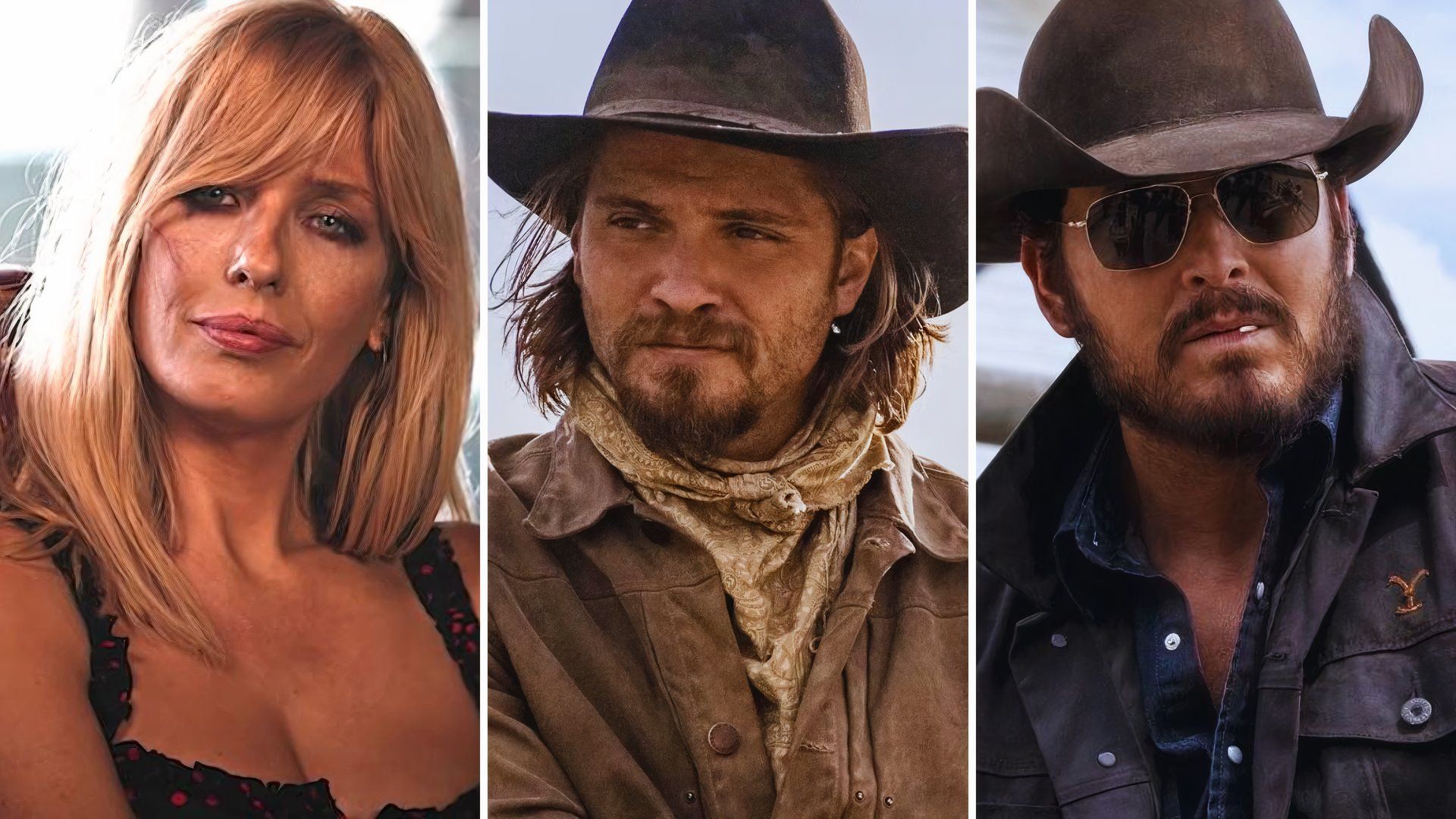
The Dutton family represents a sprawling fictional lineage made famous by Taylor Sheridan’s television universe, originating with Yellowstone and expanding through prequels like 1883 and 1923. Led by patriarch James Dutton and later John Dutton III, the family embodies the rugged individualism, generational trauma, and territorial defense associated with the American Montana frontier.
Origins and Evolution of the Dutton Family Narrative
The cultural footprint of the Dutton family exists entirely within the dramatic universe created by Taylor Sheridan for the Paramount Network. Rather than tracing back to a single historical Montana homestead, the lineage was meticulously mapped across multiple television series to explore how a single family acquired and defended the largest contiguous cattle ranch in the United States.
The narrative framework treats the ranch not merely as a piece of real estate, but as an existential anchor. Every generation faces external pressures from land developers, indigenous sovereignty movements, federal regulatory agencies, and internal psychological fractures. Understanding the Dutton family requires examining how their fictional history mirrors the real-world historical challenges of the American West during the late 19th century, the Great Depression, and the modern era.
The Foundation: The 1883 Era and the Trek West
The chronicle of the family begins in the post-Civil War era, depicted in the limited series 1883. James Dutton, a former Confederate veteran from Tennessee, decides to leave his war-torn home and head west with his wife, Margaret, and their children, Elsa and John. Their journey serves as the crucible that forges the family's fierce protective instincts over land and kin.
The Journey Across the Great Plains
Traveling from Texas alongside a group of European immigrants and seasoned cowhands guided by Pinkerton agents Shea Brennan and Thomas, the family faces immense hardships. The trek exposes them to the brutal realities of the frontier, including disease, harsh weather, and violent encounters with outlaws and rival groups.
The tragic death of Elsa Dutton near the site that would eventually become the Yellowstone Dutton Ranch permanently roots the family in Montana. James selects the valley not by chance, but because it is where his daughter breathed her last breath, establishing a visceral, blood-bought connection to the soil that dictates the actions of every subsequent generation.
Establishing the Homestead
Once settled in Paradise Valley, James and Margaret build the rudimentary structures that evolve into a sprawling ranching empire. This era establishes the core philosophy of the family: survival requires absolute self-reliance, physical defense of borders, and a willingness to operate outside the boundaries of institutional law when necessary.
The Interwar Years and Crisis: The 1923 Generation
By the time the events of 1923 unfold, the ranch has grown under the stewardship of James's brother, Jacob Dutton, and his wife, Cara. This generation faces a radically different West defined by Prohibition, the onset of the Great Depression, and the devastating ecological disaster of the Dust Bowl.
Economic and Territorial Pressures
Jacob Dutton contends with modernized industrial forces, predatory livestock associations, and wealthy land barons like Banner Creighton who seek to break the monopoly the family holds over Montana's grazing lands. The conflicts in 1923 shift from survival against natural elements to maintaining economic viability and legal ownership amid a collapsing national economy.
Family Resilience and Loss
The 1923 timeline tests the emotional endurance of the family. With Jacob and Cara unable to have children of their own, they raise James's surviving grandsons, John Dutton I and Spencer Dutton. Spencer’s journey from the battlefields of World War I across African safaris back to Montana highlights the global scope of the family's trials during this turbulent century.
The Modern Era: John Dutton III and the Yellowstone Dynasty
Centuries after the initial settlement, the contemporary era of Yellowstone focuses on John Dutton III, portrayed by Kevin Costner. As a sixth-generation patriarch, John manages a multi-generational legacy under unprecedented modern pressures, balancing the preservation of the ranch with shifting political landscapes, environmental regulations, and urban encroachment.
Generational Dynamics and Succession
The survival of the ranch in the 21st century depends entirely on the complex, often fractured relationships between John Dutton III and his children:
- Lee Dutton: The eldest son, groomed to protect the physical boundaries of the ranch, whose early death sets the tone for the family's violent protective measures.
- Beth Dutton: A ruthless corporate financier whose fierce loyalty to her father and profound hatred for corporate developers make her the primary economic and legal shield of the estate.
- Jamie Dutton: An adopted son trained as a lawyer and politician, whose complex identity and deep-seated insecurities create constant internal friction and vulnerability for the family.
- Kayce Dutton: A former Navy SEAL married to Monica Long Dutton of the neighboring Broken Rock Indian Reservation, bridging the divide between the traditional ranching world and indigenous stewardship.
The Socio-Political Battleground
In the modern series, the family fights battles on multiple fronts. They contend with the leadership of the Broken Rock Reservation, led by Chief Thomas Rainwater, who seeks the return of ancestral lands. Simultaneously, they combat massive real estate conglomerates like Market Equities, state politicians, and environmental activists who view the sprawling ranch as an anachronism that should be industrialized or converted into a national park.
Chronological Overview of Key Eras
| Era / Series | Primary Patriarch / Matriarch | Historical Setting & Challenges | Core Objective |
|---|---|---|---|
| 1883 | James and Margaret Dutton | Post-Civil War, Great Plains expansion, harsh wilderness, outlaws. | Finding a permanent home and surviving the journey west. |
| 1923 | Jacob and Cara Dutton | Prohibition, early Great Depression, Dust Bowl, modernization. | Defending the established homestead from economic ruin and land barons. |
| Yellowstone | John Dutton III | Modern 21st-century Montana, urban development, political corruption. | Preserving the ranch against corporate expansion and state regulation. |
Cultural Significance and Myth-Making
The enduring popularity of the Dutton family narrative stems from its deep roots in American myth-making. The frontier western genre has long explored the tension between untamed wilderness and creeping civilization. By extending this conflict across a multi-century timeline, the franchise examines how the cost of building an empire is passed down through genetic and psychological lines.
Critics and cultural analysts frequently compare the family dynamic to Shakespearean tragedy or modern mob dramas like The Godfather, where loyalty to the family enterprise supersedes conventional morality. The ranch acts as a character itself—a demanding deity requiring constant sacrifice in blood, loyalty, and compromise.
Frequently Asked Questions
Are the Duttons a real historical family?
No, the family is entirely fictional, created by screenwriter and director Taylor Sheridan for Paramount television programming. While the challenges they face—such as land grabs, the hardships of the western expansion, and the pressures on modern ranchers—reflect authentic historical trends in Montana, the characters and events are dramatic creations.
Where is the ranch featured in the television series located?
The primary filming location for the ranch is the real-world Chief Joseph Ranch, located in Darby, Montana. While the fictional ranch spans thousands of contiguous acres across Montana, the real property operates as a working cattle ranch and guest destination when filming is not active.
How are the characters across the different series related?
James Dutton (1883) is the great-grandfather of John Dutton III (Yellowstone). Jacob Dutton (1923) is James's brother who steps in to help raise James's children after his death, making him the great-uncle to the subsequent modern generations.
What is the primary conflict driving the modern storyline?
The central conflict revolves around land ownership and preservation. John Dutton III and his children fight to prevent the conversion of their massive historic ranch into ski resorts, airports, housing developments, and industrial parks, utilizing both legal maneuvering and ruthless defensive measures.
Next Steps and Further Exploration
For those seeking to explore the intricacies of this fictional universe, watching the series in chronological order—starting with 1883, followed by 1923, and concluding with Yellowstone—provides a comprehensive view of how generational trauma and territorial stewardship evolve over 140 years of American history.