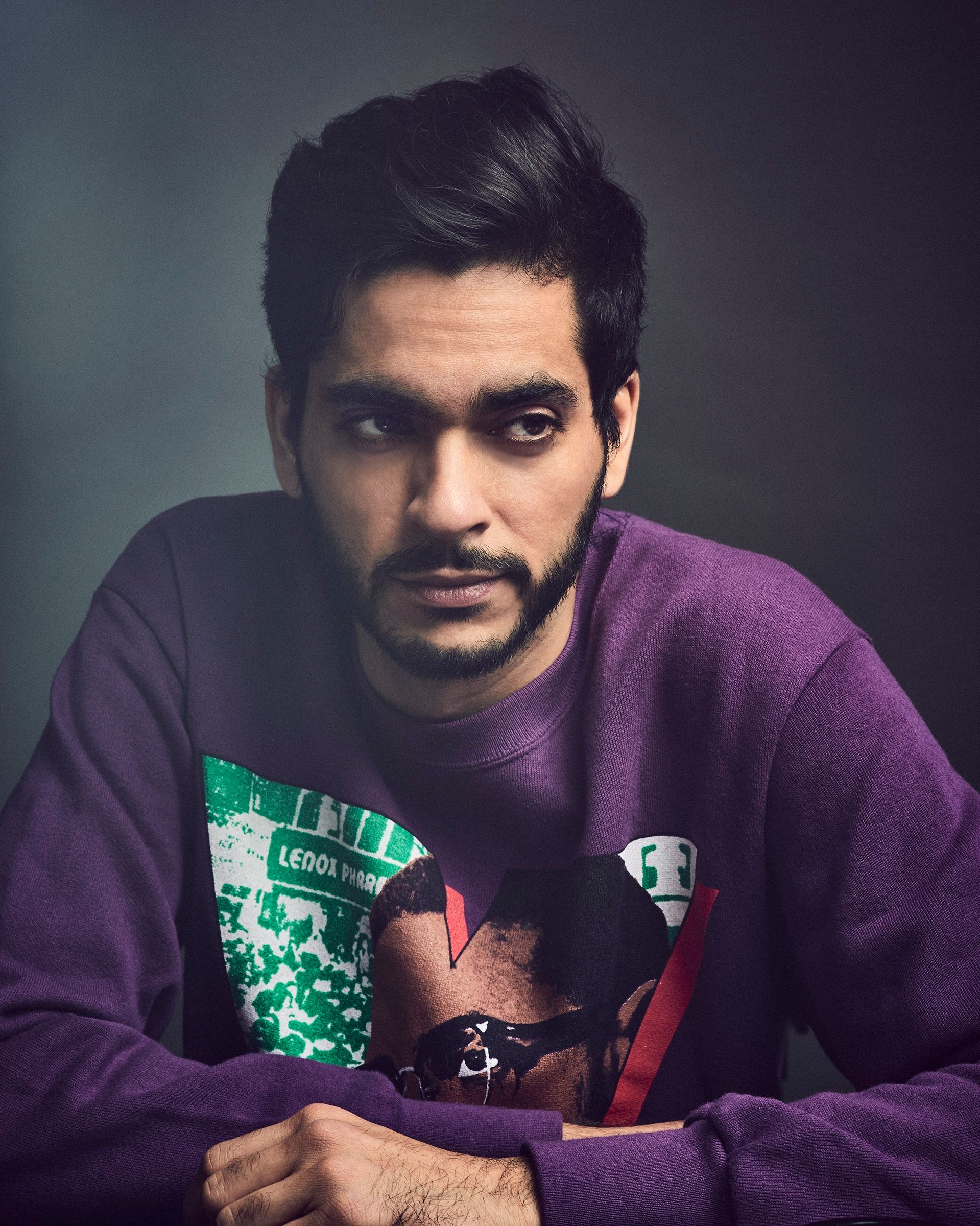
Abdullah Saeed is a multi-disciplinary writer, journalist, and television host best known for his documentary work exploring global counterculture, drug policies, spirituality, and modern subcultures. His reporting and on-screen presence span prominent digital media networks and television platforms, bridging investigative journalism and cultural immersion to examine how people live, consume, and seek meaning across diverse societies.
Introduction to the Work and Public Persona of Abdullah Saeed
The name Abdullah Saeed frequently surfaces in discussions surrounding modern documentary journalism, subcultural exploration, and investigative storytelling. Rather than operating within a single traditional medium, Saeed has carved out a distinct professional niche that combines long-form print journalism, video production, and television hosting. His career reflects a broader shift in contemporary media toward immersive, first-person reporting where the journalist becomes an active participant in the cultural environments they investigate.
For audiences encountering his work through television programs like Bong Appétit or digital documentaries examining international drug trade, spirituality, and alternative lifestyles, understanding the trajectory of his career provides valuable context. This profile examines the core elements of his professional background, his major contributions to documentary media, the recurring thematic focus of his writing, and his broader impact on how contemporary subcultures are documented and consumed.
Early Life, Background, and Career Origins
An examination of any media professional's career benefits from understanding their foundational background. Abdullah Saeed's path into journalism and media production developed through a combination of written arts and cultural commentary. Before gaining prominence as a television personality and documentary host, Saeed established himself as a writer focusing on music, culture, arts, and lifestyle.
During the rapid evolution of digital media in the late 2000s and early 2010s, Saeed contributed to various notable publications. His written work often explored the intersection of subcultures, identity, and social policy. This background in print and digital journalism provided him with the narrative structure and investigative discipline that later underpinned his transition into video and television production. Writing about niche music scenes, emerging artistic movements, and fringe social groups laid the groundwork for his subsequent deep dives into global countercultures.
Breakthrough Work in Documentary Journalism and Television
Saeed’s transition from print journalism to broader public recognition accelerated significantly through his collaboration with major digital media organizations, most notably Vice. As a host, producer, and writer for various Vice platforms, Saeed gained a reputation for immersive reporting that tackled complex, often controversial subjects with nuance and cultural empathy.
Exploring Drug Culture and Policy
One of the defining pillars of Saeed's documentary output involves the exploration of global drug policies, narcotics production, and psychotropic substances. Rather than approaching these topics purely from a standpoint of moral condemnation or sensationalism, his reporting frequently adopts an anthropological and sociological lens.
Projects examining the cultivation, distribution, and cultural significance of various substances required field reporting in diverse international locations. By interviewing growers, chemists, law enforcement officials, and consumers, Saeed’s work contributed to broader public conversations regarding harm reduction, international drug prohibition, and changing legal frameworks surrounding substances like cannabis and psychedelics.
Culinary Culture and Bong Appétit
Beyond investigative reporting on illicit economies, Saeed achieved widespread visibility as a host of the television series Bong Appétit, produced by Vice and broadcast on VICELAND. The show represented a unique intersection of high-end culinary arts and cannabis culture, exploring how chefs and culinary experts could incorporate cannabis as an ingredient, flavoring agent, and pairing element in gourmet cooking.
The significance of Bong Appétit within Saeed's body of work lies in its cultural timing. As jurisdictions globally began legalizing or decriminalizing cannabis, the show helped normalize and elevate the discourse around cannabis gastronomy, moving it away from crude countercultural stereotypes toward a sophisticated culinary discipline. Saeed’s role as host required balancing culinary education, kitchen management, and conversational interviews with guest chefs, celebrities, and cannabis growers.
Key Thematic Focuses in Abdullah Saeed’s Reporting
Throughout his body of work, several consistent themes emerge that define Saeed’s journalistic and creative identity. These themes help categorize his contributions to modern media and explain his appeal to audiences seeking alternative perspectives.
1. Cultural Empathy and Humanization
A hallmark of immersive journalism is the ability to connect with subjects whose lifestyles or beliefs differ radically from mainstream norms. Saeed consistently demonstrates a capacity to engage with marginalized groups, underground operators, and countercultural figures without adopting a judgmental or exploitative stance. This approach allows viewers and readers to understand the internal logic of subcultures that might otherwise be dismissed or demonized.
2. The Intersection of Spirituality and Altered States
Much of Saeed’s reporting investigates how human societies throughout history have utilized rituals, plants, and altered states of consciousness to seek spiritual transcendence, community bonding, or healing. Whether examining indigenous ceremonies or modern psychotherapeutic applications of psychedelics, his work explores the philosophical and existential motivations driving human curiosity.
3. Satire, Humor, and Accessibility
Even when covering heavy or legally sensitive topics, Saeed’s presentation style frequently incorporates dry humor, self-awareness, and accessible language. This stylistic choice prevents documentary content from becoming overly didactic or academic, making complex geopolitical and sociological realities digestible for a wider audience.
Media Platforms and Collaborative Works
To understand the scope of Abdullah Saeed's professional footprint, it is useful to examine the types of platforms and formats where his work has appeared. The media landscape of the 2010s and 2020s underwent structural transformations, transitioning from traditional print and cable television toward streaming ecosystems and independent digital channels.
| Media Format | Primary Platform / Outlet | Nature of Contribution |
|---|---|---|
| Print & Digital Articles | Various cultural and lifestyle publications | Investigative essays, music criticism, cultural commentary |
| Digital Documentaries | Vice, digital video networks | Field reporting, on-camera hosting, production research |
| Television Series | VICELAND, streaming platforms | Hosting, culinary exploration, cultural interviewing |
| Audio / Podcasts | Independent and network audio platforms | Conversational interviews, long-form discussion, narrative storytelling |
Impact on Modern Countercultural Media
The presence of figures like Abdullah Saeed in contemporary media highlights changes in how mainstream audiences consume stories about the fringes of society. Historically, mainstream media representation of countercultures, drug use, and alternative spirituality tended to be filtered through sensationalized news reporting or conservative moral panic.
Saeed’s generation of multimedia journalists helped shift this paradigm toward first-person experiential journalism. By embedding themselves within the communities they study, these journalists provide a more granular, human-centric view of global subcultures. This style of reporting has influenced how digital networks approach documentary storytelling, emphasizing personal narrative, visual immersion, and open-minded inquiry over detached observation.
Frequently Asked Questions About Abdullah Saeed
What is Abdullah Saeed best known for?
Abdullah Saeed is best known for his work as a journalist, writer, and television host, particularly for his documentary reporting on global countercultures, drug policies, and alternative lifestyles, as well as hosting the culinary series Bong Appétit.
What media organizations has Abdullah Saeed worked with?
Saeed is most widely recognized for his extensive collaborations with Vice and VICELAND, where he served as a writer, producer, and on-camera host for numerous digital documentaries and television programs.
Did Abdullah Saeed write print journalism before working in television?
Yes. Before transitioning into video production and television hosting, Saeed established his career as a print and digital journalist focusing on music, arts, culture, and social commentary.
What are the primary themes of his documentary work?
His work frequently explores global drug cultures, harm reduction, spirituality, altered states of consciousness, underground subcultures, and the intersection of cannabis culture with high-end gastronomy.
Where can audiences watch or read his work?
His documentary segments, television episodes, and written archives remain accessible across various digital video platforms, streaming services, and the digital archives of the publications where he has worked.
Practical Considerations and Contextual Summary
For researchers, media students, or cultural consumers examining the evolution of modern documentary filmmaking and digital journalism, the career of Abdullah Saeed offers a clear case study in cross-platform media production. His trajectory demonstrates how writers can leverage digital platforms to transition into broadcast media while maintaining a distinct, investigative voice. By bridging the gap between serious sociological inquiry and accessible entertainment, Saeed has left a recognizable imprint on how contemporary countercultures are documented, preserved, and understood by the public.