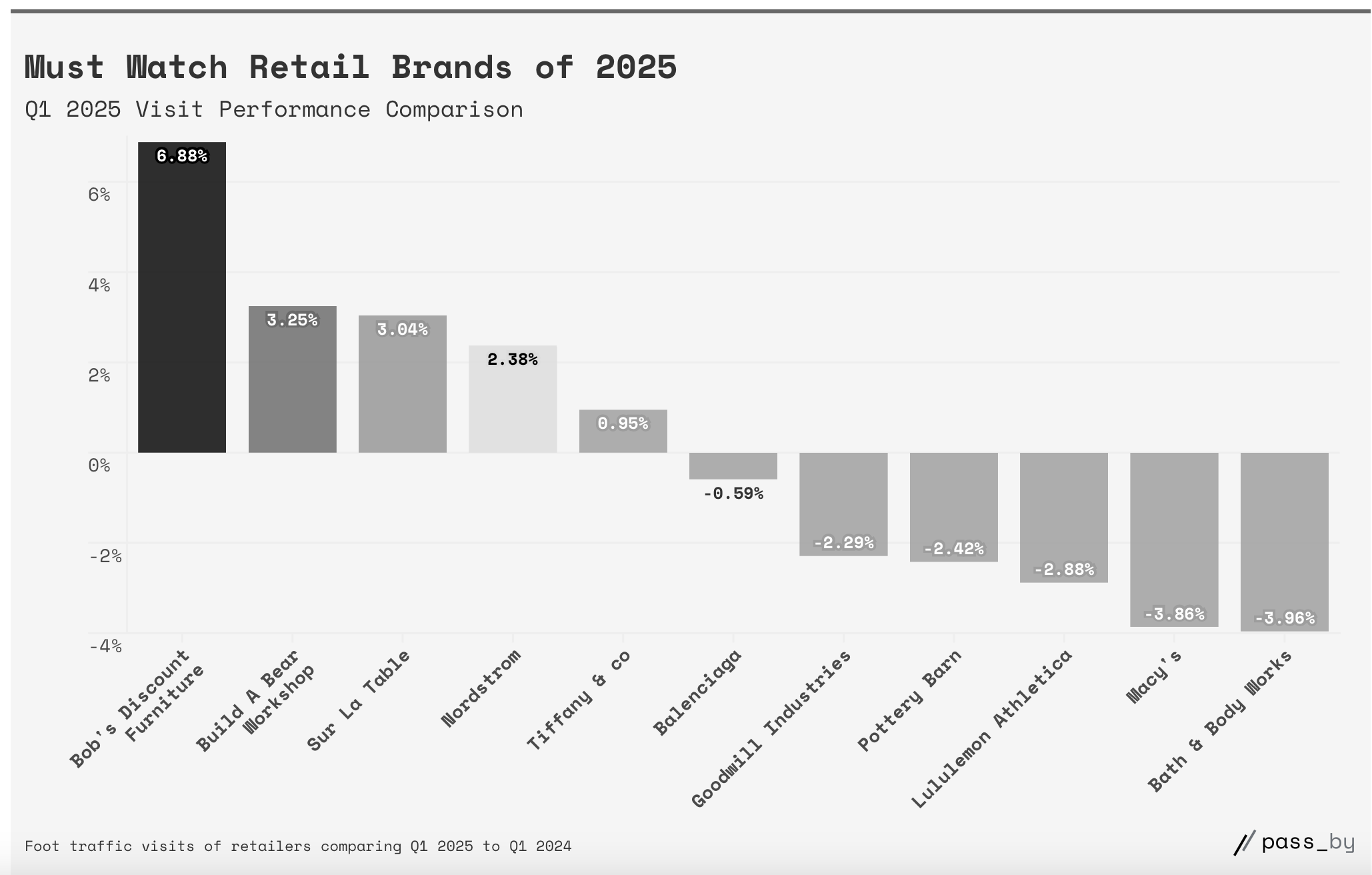
Throughout 2025, the retail industry underwent a definitive shift from experimental digital adoption to a mature, AI-integrated ecosystem where the boundaries between physical and online shopping effectively vanished. Retailers prioritized hyper-personalization, circular economy initiatives, and supply chain resilience to meet the demands of a more value-conscious and environmentally aware consumer base.
The Technological Infrastructure of 2025 Retail
The landscape of 2025 was defined by the transition of Artificial Intelligence (AI) from a speculative tool to the core operational engine of successful retail enterprises. While 2023 and 2024 were characterized by "AI curiosity," 2025 was the year of "AI implementation." This shift was most visible in how retailers managed their inventories and interacted with customers through predictive analytics.
Generative AI and Hyper-Personalization
In 2025, the "one-size-fits-all" marketing approach was largely abandoned by Tier 1 and Tier 2 retailers. Generative AI (GenAI) allowed for the creation of individualized shopping journeys. Instead of receiving a standard newsletter, a consumer in 2025 received dynamic content where product images, descriptions, and even pricing were tailored to their specific browsing history, aesthetic preferences, and past purchase behavior.
This personalization extended to virtual try-on technologies. By mid-2025, the accuracy of Augmented Reality (AR) in apparel and cosmetics reached a point where "fit-related returns"—historically the largest drain on e-commerce margins—dropped by an estimated 15% across the industry. Retailers like Sephora and IKEA expanded their AR toolkits, allowing users to visualize products in their own environments or on their own bodies with photorealistic precision.
The Rise of Autonomous Supply Chains
The logistical challenges that plagued the early 2020s led to a 2025 focus on "predictive logistics." Retailers utilized machine learning to anticipate demand surges before they occurred, moving inventory to local micro-fulfillment centers. This "anticipatory shipping" model, pioneered by Amazon but adopted widely by players like Walmart and Target, reduced delivery times and carbon footprints simultaneously.
Automation in warehouses also matured. Robotic systems capable of handling soft goods and irregularly shaped items became standard, allowing for 24/7 operations with minimal human intervention in the picking and packing stages. This automation was not just about speed; it was about precision in an era where consumers expected same-day or next-hour delivery as a standard service rather than a premium perk.
The "Phygital" Evolution: Brick-and-Mortar's Resurgence
Contrary to early-decade predictions of the "retail apocalypse," 2025 saw a significant reinvestment in physical storefronts. However, the purpose of the store changed. No longer just a point of distribution, the physical store in 2025 became a hub for brand experience, service, and logistical efficiency.
Stores as Experience Centers
Flagship stores in major urban centers shifted toward "experiential retail." For example, Nike and Apple continued to refine spaces where the primary goal was not immediate sales but brand immersion. These stores featured interactive zones, community workshops, and "service bars" where the digital and physical met. Customers could start a journey on a mobile app and seamlessly transition to an in-store expert who already had the customer’s preferences loaded on a tablet.
Smart Store Technology
The "Just Walk Out" technology, once a novelty, saw broader application in 2025, particularly in grocery and convenience formats. Computer vision and sensor fusion allowed customers to shop without traditional checkout lines. Furthermore, "Smart Shelves" equipped with digital tags enabled real-time dynamic pricing, allowing retailers to adjust costs based on inventory levels, expiration dates, or local demand fluctuations.
Retailers also utilized "Store Analytics" platforms—essentially Google Analytics for physical spaces. By tracking foot traffic patterns and heat maps, managers could optimize store layouts in real-time, ensuring that high-margin items were placed in the most effective zones.
The Circular Economy and Sustainability Mandates
In 2025, sustainability moved from a corporate social responsibility (CSR) bullet point to a legal and financial necessity. Driven by both consumer demand and new regulations, particularly in the European Union and parts of North America, the "Circular Economy" became a mainstream retail pillar.
The Resale Revolution
The "Re-commerce" market exploded in 2025. Major brands across fashion, electronics, and even home goods launched their own integrated resale platforms. Instead of losing secondary market sales to third-party sites like eBay or Poshmark, brands like Patagonia, Levi’s, and Best Buy incentivized customers to return used goods for store credit. These items were then refurbished and resold with a brand-backed warranty.
Digital Product Passports (DPP)
2025 marked the widespread adoption of Digital Product Passports. By scanning a QR code or NFC tag on a product, a consumer could access its entire lifecycle history: where the raw materials were sourced, the carbon footprint of its manufacture, and instructions for how to recycle or resell the item at the end of its life. This transparency became a key competitive advantage for brands targeting Gen Z and Alpha consumers, who prioritized ethical sourcing over brand loyalty.
2025 Retail Performance Comparison by Sector
The following table outlines how different retail segments performed and adapted during the 2025 calendar year.
| Retail Segment | Growth Driver | Primary Tech Investment | 2025 Strategic Focus |
|---|---|---|---|
| Grocery & FMCG | Ultra-fast delivery & Private Labels | Computer Vision / Automated Picking | Margin protection via dynamic pricing |
| Apparel & Fashion | Resale (Re-commerce) | AI-driven Virtual Try-on | Reducing return rates and deadstock |
| Electronics | Smart Home Ecosystems | Augmented Reality (AR) Setup Guides | Lifecycle management and trade-ins |
| Luxury Goods | Personalized VIP Experiences | Blockchain for Authenticity (NFTs) | Exclusivity and provenance tracking |
| Big Box Retail | Omnichannel Fulfillment | Robotics & Micro-fulfillment | Leveraging physical stores as warehouses |
Changing Consumer Behavior in 2025
The 2025 consumer was characterized by "bifurcated spending." Economic pressures led to a landscape where shoppers were extremely frugal on essentials while remaining willing to spend on "attainable luxuries" or products that offered significant time-saving value.
The Social Commerce Dominance
Social media platforms like TikTok, Instagram, and YouTube completed their transformation into full-scale shopping malls. In 2025, the "click-to-purchase" journey happened almost entirely within the social app. Influencer marketing evolved into "Expert-led Commerce," where niche authorities (rather than just celebrities) provided deep-dive demonstrations that led to immediate conversions. Live-stream shopping, long a staple in Asian markets, finally achieved mass-market penetration in the West during the 2025 holiday season.
Subscription Fatigue and the "Value" Pivot
After years of subscription proliferation, 2025 saw a massive "unbundling." Consumers became more selective, opting for "Utility Subscriptions" (like Amazon Prime or grocery delivery) over discretionary "Box Subscriptions." Retailers responded by offering "Loyalty Tiers" that provided tangible financial benefits—such as free shipping or exclusive discounts—rather than just points-based systems.
Strategic Challenges and Troubleshooting for Retailers
Despite the advancements, 2025 was not without its hurdles. Retailers faced significant "Technical Debt" as they tried to integrate legacy systems with new AI layers.
- Data Privacy Concerns: As personalization became more invasive, consumer pushback regarding data collection increased. Retailers had to navigate a complex web of "Zero-Party Data" (data willingly shared by consumers) to maintain trust while still delivering personalized experiences.
- Labor Shifts: The rise of automation in 2025 led to a workforce crisis. Retailers had to pivot from hiring "low-skill" transactional workers to "high-skill" advisors who could manage the tech-enabled store environment. Upskilling programs became a major corporate expense.
- The "Same-Day" Cost: The race for speed put immense pressure on margins. Many retailers in 2025 began implementing "Shipping Minimums" or "Speed Premiums" to offset the high cost of last-mile delivery, testing the limits of consumer patience.
Frequently Asked Questions
Did physical retail stores continue to close in 2025?
While some traditional malls struggled, 2025 saw a net increase in "compact" and "digitally-native" physical store openings. Retailers focused on smaller footprints in high-traffic neighborhoods rather than sprawling suburban locations. The closures that did occur were largely among retailers who failed to integrate their physical and digital inventories.
How did AI impact retail jobs during 2025?
AI shifted the nature of retail work rather than simply eliminating it. While automated checkouts reduced the need for cashiers, there was a 20% increase in demand for "In-store Technicians" and "Personal Shopping Consultants." The focus moved from processing transactions to enhancing the customer experience.
Was "Social Commerce" safe for consumers in 2025?
Social platforms invested heavily in "Trust and Safety" layers in 2025 to combat the rise of counterfeit goods. Most major platforms introduced buyer protection programs and verified seller badges, making social shopping as secure as traditional e-commerce sites.
What was the biggest surprise in retail during 2025?
The most unexpected trend was the "Analog Resurgence." Despite the high-tech environment, there was a significant sub-segment of consumers who sought out "Tech-Free" shopping experiences, leading to a boom in local, artisanal, and "slow-retail" boutiques that prioritized human connection over digital speed.
How did the "Circular Economy" affect brand loyalty?
Brands that offered robust resale and repair programs saw a 30% higher customer retention rate in 2025. Consumers felt more "locked-in" to an ecosystem when they knew their past purchases held trade-in value toward future ones.
Summary of Next Actions for Retail Professionals
To remain competitive in the post-2025 landscape, retail leaders must focus on data clean-up and integration. The success of AI is entirely dependent on the quality of the underlying data. Companies should prioritize unifying their online and offline customer profiles to provide a single, coherent brand voice.
Furthermore, investing in "Logistics as a Service" or partnering with specialized fulfillment providers is essential for smaller retailers to compete with the delivery speeds of giants like Walmart or Amazon. Finally, embracing the circular economy is no longer optional; developing a "Second-Life" strategy for products will be the primary driver of brand affinity for the remainder of the decade.