Mont Saint-Michel is a tidal island and mainland commune in Normandy, France, renowned for its medieval Benedictine abbey and unique coastal geography. Visitors often encounter the site through a mixture of historical wonder and practical logistical challenges, ranging from extreme tidal shifts to seasonal tourist management. Understanding its architectural evolution, the mechanics of its tides, and modern access requirements is essential for a successful visit.
1. The Perilous Tides of the Bay
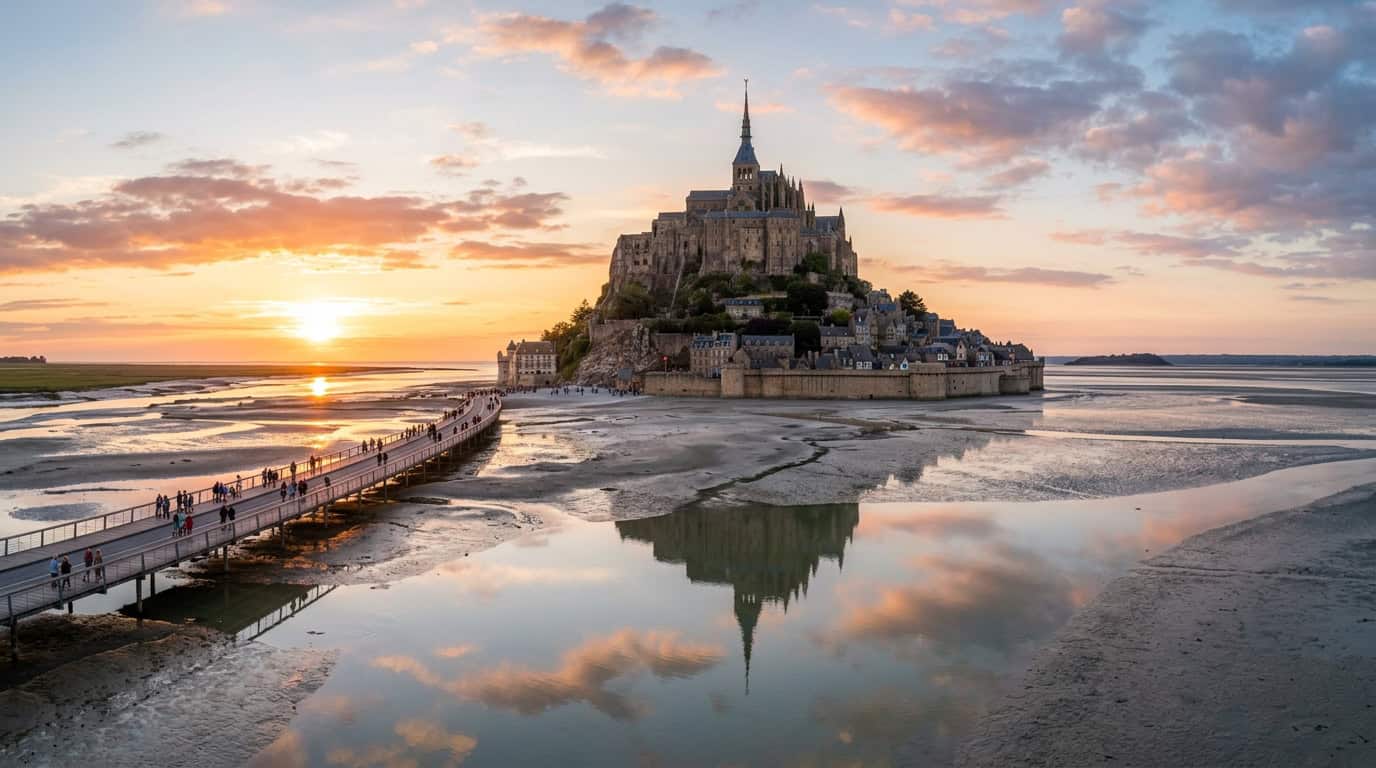
The bay surrounding Mont Saint-Michel experiences some of the most dramatic tidal variations in continental Europe. During spring tides, the difference in water level between low and high tide can reach up to 15 meters (nearly 50 feet). For centuries, these tides were famously described as moving "at the speed of a galloping horse." While modern engineering and the removal of a causeway built in the 19th century have restored the island's maritime character, the rising water still poses a genuine risk to those who venture onto the sand flats without a certified guide. The "quick" nature of the tide often results in entrapment for unprepared tourists who underestimate the speed at which channels fill with seawater.
2. A Fortress That Never Fell
Despite its strategic importance during the Hundred Years' War between France and England, Mont Saint-Michel remained unconquered. Its defensive architecture, combined with the treacherous surrounding landscape, made it an impenetrable stronghold. The English laid siege to the island for nearly 30 years during the 15th century, yet the combination of steep fortifications and the natural moat created by the tides proved insurmountable. This resilience solidified its status as a symbol of French national identity.
3. The "Marvel" of Gothic Architecture
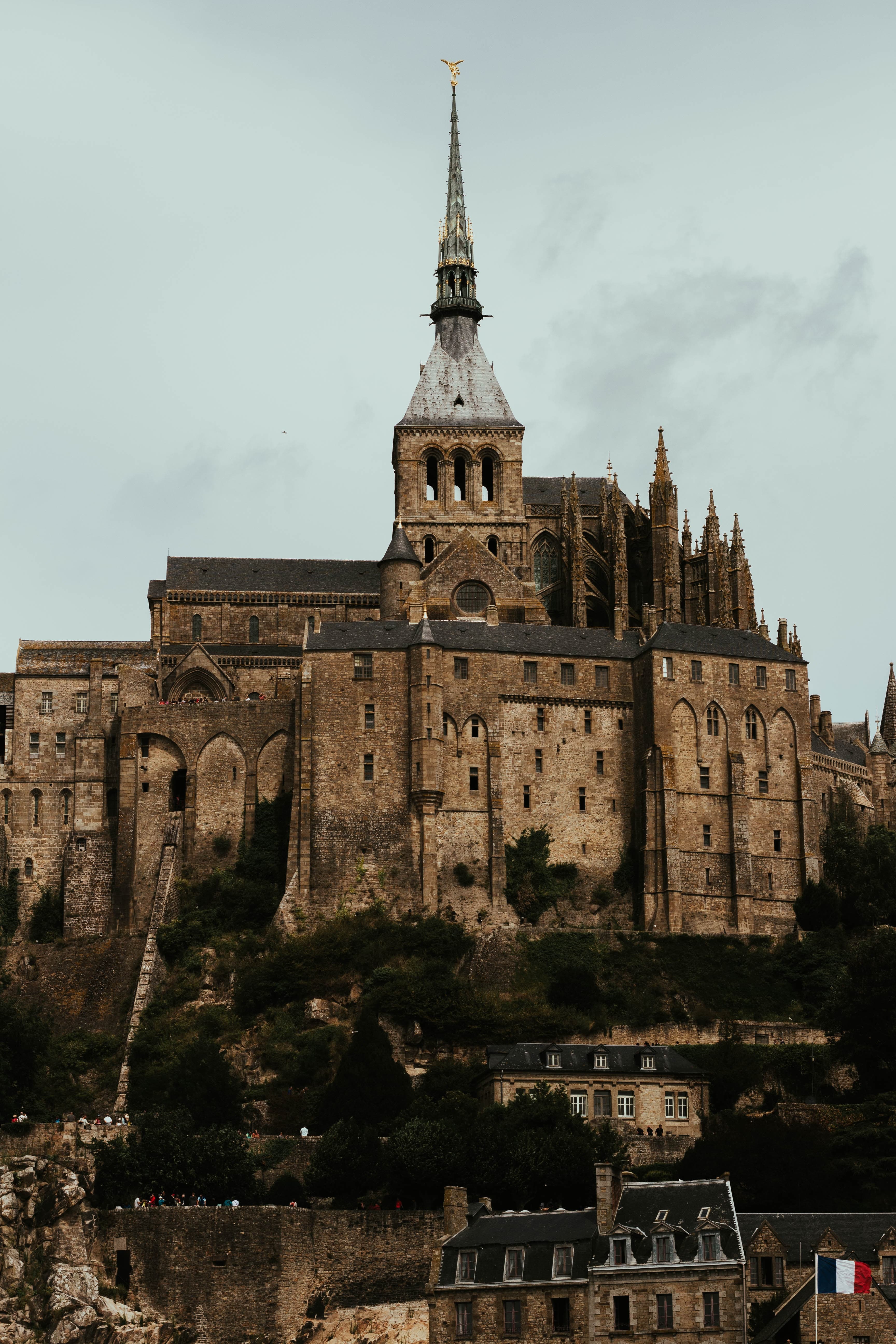
The most iconic portion of the abbey is the Merveille (The Marvel). Constructed in the early 13th century on the north face of the island, this complex features a six-vaulted Gothic structure built on a steep, vertical slope. Achieving this feat required an extraordinary level of medieval engineering, as the weight of the stone structures had to be supported by massive buttresses anchored directly into the granite bedrock of the islet. It represents the height of medieval ecclesiastical ambition.
4. It Served as a Notorious Prison
During the French Revolution, the religious purpose of the abbey was suppressed, and the site was repurposed as a state prison. Because of its remote location and inhospitable surroundings, it became a perfect facility for political prisoners and intellectuals who opposed the revolutionary government. It served in this capacity until 1863. This era left significant marks on the interior architecture, where former monastic cells were repurposed to hold detainees, a stark contrast to the site’s previous life as a place of silent prayer.
5. The Influence of the Archangel Michael
The island is named after the Archangel Michael, who, according to local legend, appeared to Aubert, the Bishop of Avranches, in 708 AD. The legend claims that the Archangel commanded the Bishop to build a sanctuary on the rock. This religious foundation is why the island is capped by a gilded statue of Saint Michael, positioned at the very pinnacle of the abbey church. This statue, which stands at the top of the spire, serves as a landmark visible for miles across the flat landscape of the bay.
6. Seasonal Population Dynamics
While Mont Saint-Michel welcomes millions of visitors annually, its permanent residential population is exceptionally small. As of 2026, fewer than 30 people reside on the island year-round. This tiny community is composed primarily of hotel staff, restaurant owners, and a small number of monks and nuns who maintain a religious presence. Living on the island requires adherence to specific municipal guidelines, particularly regarding waste management and noise, given the fragile nature of the historic structure.
7. The Restoration of the Maritime Character
For over a century, a raised causeway linked the island to the mainland. This structure acted as a dam, trapping sediment and causing the bay to fill with sand, threatening to turn the island into a permanent part of the mainland. In the early 21st century, a massive hydraulic project was completed to replace the causeway with a bridge on stilts. This restoration allows the sea to circulate freely around the rock, once again turning the site into a true island during high tides.
8. Pilgrimage Routes Across the Bay
For centuries, "miquelots" (pilgrims) would cross the sands of the bay to reach the abbey. Even today, this tradition continues, albeit under more controlled conditions. Walking the sands is a physically demanding experience that requires navigating deep silt, river channels, and the risk of localized quicksand. It remains a popular, albeit challenging, activity for those looking to experience the monument as medieval pilgrims did. It is strictly advised never to attempt this walk without a professional guide familiar with the shifting topography.
9. A Culinary Identity: The Omelet of La Mère Poulard
Mont Saint-Michel is famous for its unique culinary history, most notably the oversized, fluffy omelet served at La Mère Poulard. Annette Poulard, who opened her inn on the island in 1888, developed a method of whisking eggs in copper bowls over an open wood fire. This simple dish became a staple for travelers and pilgrims alike. While it has become a tourist-centric trademark of the island, the tradition continues to be a point of cultural pride for the local hospitality industry.
10. Underground Tunnels and Crypts
The abbey is not merely the structure visible from the outside; it is a honeycomb of underground crypts and galleries. The Chapel of the Thirty Candles and the Crypt of the Great Pillars were built to support the weight of the church above. These spaces provide a unique perspective on the engineering required to build on a limited, tilted surface. Navigating these spaces reveals how the monks managed limited resources and space in a confined, maritime environment.
Practical Planning for Your Visit
Visiting Mont Saint-Michel requires careful coordination regarding transportation and timing. The site is a popular day trip from Paris, but it is best experienced by staying at least one night in the nearby town of Pontorson or on the island itself to avoid the peak crowds that arrive between 11:00 AM and 4:00 PM.
| Feature | Consideration | Recommendation |
|---|---|---|
| Transport | High-speed train to Rennes + bus | Book bus tickets 48 hours in advance |
| Peak Crowd | 11:00 AM to 4:00 PM | Arrive before 9:00 AM or after 5:00 PM |
| Tide Access | Specific tidal coefficients | Check official tide charts before walking |
| Footwear | Uneven, steep cobblestone | Wear durable walking shoes |
| Entry Cost | Abbey admission required | Purchase tickets online to skip queues |
Frequently Asked Questions
Is it safe to walk across the bay to Mont Saint-Michel? Walking on the sand flats is safe only if you are accompanied by a qualified guide. The bay is subject to rapid tidal changes and areas of soft, dangerous silt. Never attempt the crossing alone, regardless of how calm the water appears.
When is the best time to see the tide surround the island? High tide occurs twice daily, but the "island" effect is most dramatic during spring tides, when the coefficient is high. Consult the official tide calendar provided by the National Monuments Centre before planning your trip dates.
Are there restrictions on visiting the abbey? The abbey is a historic monument with many stairs and no elevators. Accessibility is limited for individuals with reduced mobility. Please check the official visitor website for current accessibility alerts and service availability.
Do I need a ticket to enter the island? Access to the village of Mont Saint-Michel is free, but you must pay an entrance fee to tour the abbey at the summit. Tickets are time-slotted to manage crowd flow; purchasing them in advance for 2026 is highly recommended.
Can I bring my pet to the island? Small dogs are generally permitted in the village if kept on a leash, but they are strictly prohibited inside the abbey. Most shuttle buses also have restrictions regarding pets, so verify transport policies if traveling with an animal.
Final Recommendation
To maximize your experience, plan your visit for the shoulder season—May, June, or September. Arriving early in the morning allows you to explore the ramparts and the abbey before the bus tours arrive from Paris. If you have the time, schedule a guided walk across the bay during low tide to gain a deeper appreciation for the defensive geography that kept the monument safe for over a millennium.