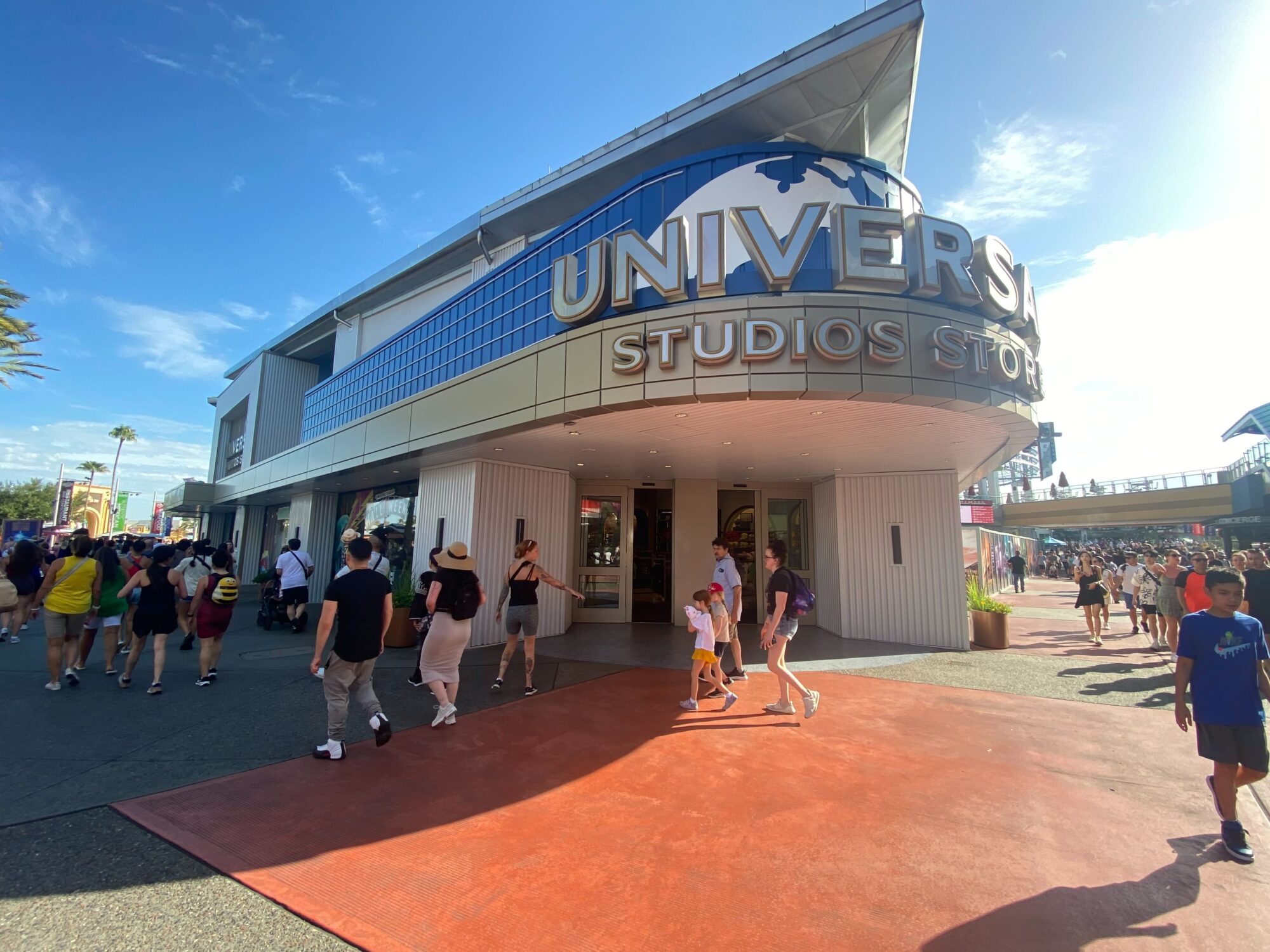
Universal Studios, as a standalone entity, is not publicly traded. You cannot purchase shares of stock specifically for "Universal Studios" on any public stock exchange. Instead, Universal Studios operates as a core business segment of Comcast Corporation, a massive publicly traded media and technology conglomerate. If you are looking to invest in the company that owns and operates the Universal Studios theme parks and film production entities, you would need to purchase shares of Comcast Corporation, which trades under the ticker symbol CMCSA on the Nasdaq Stock Market.
Understanding the Corporate Structure of Universal Studios
To understand why Universal Studios is not individually listed on a stock exchange, it is necessary to examine its position within the broader corporate hierarchy of Comcast Corporation. Universal Studios is not a separate company but a major brand and operational division falling under the umbrella of NBCUniversal, which is a wholly owned subsidiary of Comcast.
When people refer to "Universal Studios," they are often referring to two distinct but related sides of the business: the film production division (Universal Pictures) and the theme park division (Universal Destinations & Experiences). Both are integral parts of NBCUniversal’s revenue model. Because they are integrated into this larger parent organization, their financial performance is bundled with other Comcast assets, such as Xfinity, Sky, and various broadcast and cable networks.
For an investor, this means that the financial health and stock performance of Comcast are influenced by a wide array of factors beyond just the success of Universal’s movies or the attendance at its theme parks. Changes in cable television subscription rates, internet service demand, and advertising revenue for networks like NBC or USA Network all impact the valuation of the stock, regardless of how well a particular Universal film or theme park attraction performs.
The Role of Comcast Corporation (CMCSA)
Comcast Corporation is a global media and technology powerhouse. It acquired NBCUniversal in several stages, beginning in 2011, and eventually took full control of the entity. Since then, NBCUniversal has become a cornerstone of Comcast’s business strategy, balancing the company's reliance on connectivity services with high-growth content and experiences.
When you purchase shares of CMCSA, you are acquiring a stake in the entirety of Comcast’s operations. This includes:
- Connectivity and Platforms: The Xfinity brand, which provides broadband, wireless, and video services.
- Media: The NBC and Telemundo broadcast networks, cable networks (such as Bravo, E!, and CNBC), and the Peacock streaming service.
- Studios: Universal Pictures, Illumination, and DreamWorks Animation, which produce the films typically associated with the Universal brand.
- Experiences: Universal Destinations & Experiences, which encompasses the theme parks in Orlando, Hollywood, Japan, Singapore, and the upcoming Epic Universe expansion.
Because Universal Studios contributes significantly to the "Content & Experiences" segment of Comcast’s earnings reports, the company’s success in these areas is transparently reflected in quarterly SEC filings. However, investors cannot isolate the Universal Studios portion from the rest of the conglomerate.
Can You Buy "Universal" Stock Elsewhere?
A common point of confusion arises because of the global licensing of the "Universal" brand name. It is important to distinguish between the American theme parks and production houses owned by Comcast/NBCUniversal and other entities that may share the name.
For instance, Universal Music Group (UMG) was once part of the same corporate family but is now a separate, publicly traded company. Universal Music Group N.V. is listed on the Euronext Amsterdam stock exchange. While it shares the "Universal" name due to its history within the same corporate lineage, it is a completely distinct business entity focusing on recorded music and music publishing. It is not affiliated with the theme parks or film production studios managed by Comcast.
Similarly, there have been historical licensing agreements that allow third parties to use the Universal brand name in certain international markets or specific sectors. These do not grant you ownership in the core Universal Studios business managed by NBCUniversal. Always verify the ticker symbol and the legal entity name before making any investment decisions to ensure you are purchasing the security you intend to acquire.
Financial Reporting and Investor Relations
While you cannot buy a stock ticker specifically for Universal Studios, the company does provide extensive information for shareholders regarding the performance of its NBCUniversal segment. Comcast’s quarterly earnings reports and annual 10-K filings provide granular data on the revenue and EBITDA (Earnings Before Interest, Taxes, Depreciation, and Amortization) of its theme parks and media divisions.
This reporting allows investors to track the "health" of the Universal brand. Key performance indicators (KPIs) often highlighted in these reports include:
- Theme Park Attendance: Year-over-year growth or decline in guest volume.
- Per-Capita Spending: How much the average guest spends on food, merchandise, and tickets inside the parks.
- Theatrical Revenue: Box office performance of films released under the Universal Pictures banner.
- Content Licensing: Revenue generated by streaming rights and television syndication for the Universal film library.
For an investor interested in the entertainment industry, these documents are the primary way to evaluate whether the Universal side of the business is growing or contracting, even if that growth is mathematically rolled into the larger CMCSA ticker.
Comparison of Entertainment Investment Options
To provide context on how Universal fits into the media landscape, it is helpful to compare the structure of Comcast/NBCUniversal with its primary industry competitors.
| Company Name | Primary Entertainment Assets | Status |
|---|---|---|
| Comcast (CMCSA) | Universal Studios, NBC, Peacock, Xfinity | Publicly Traded |
| The Walt Disney Co. (DIS) | Disney Parks, Pixar, Marvel, Star Wars, ESPN | Publicly Traded |
| Warner Bros. Discovery (WBD) | HBO, Warner Bros. Pictures, Discovery Channel | Publicly Traded |
| Universal Music Group (UMG) | Major record labels, music publishing | Publicly Traded |
As illustrated in the table above, most major competitors operate as diversified media conglomerates. Investors in the entertainment sector rarely find "pure plays" (companies that only do one thing, like theme parks). Instead, they are usually buying into a suite of assets that includes parks, streaming services, and production studios.
Strategic Considerations for Potential Investors
If your interest in Universal Studios stems from a desire to invest in theme park experiences, you should consider the following factors regarding the parent company, Comcast:
- Diversification Risk: When you buy Comcast stock, you are not just betting on the success of theme parks or movies. You are also betting on the future of broadband internet and traditional cable television. If you believe cord-cutting will severely damage the company’s bottom line, that risk is baked into your investment, even if the theme parks are record-breaking successes.
- Capital Expenditure Cycles: Theme parks are capital-intensive. The construction of new parks, such as the major expansion projects ongoing through 2026, requires significant upfront investment. This can impact free cash flow in the short term, which may affect the stock price regardless of current operational performance.
- Market Sentiment: Media stocks are often sensitive to broader economic cycles. During periods of high inflation or economic contraction, discretionary spending on theme park vacations and movie theater tickets often declines, which may cause volatility in the stock price of parent companies like Comcast.
Next Steps for Interested Parties
If you wish to monitor or invest in the business activities of Universal Studios, follow these professional steps:
- Review Financial Disclosures: Visit the Investor Relations section of the Comcast Corporation website. Download the most recent 10-K filing to read the "Management’s Discussion and Analysis" (MD&A) section. This will provide context on how NBCUniversal contributed to the total revenue for the previous fiscal year.
- Consult a Financial Advisor: If you are considering investing in individual stocks like CMCSA, consult with a qualified financial advisor. They can help you determine if the volatility and business profile of a large media conglomerate align with your personal risk tolerance and long-term investment goals.
- Monitor Industry News: Follow reputable financial news outlets that cover entertainment industry trends, studio box office results, and theme park attendance statistics. This will help you understand the real-world performance of the Universal brand independent of the noise of the broader stock market.
Investment in the stock market involves risk, including the loss of principal. The information provided here is for educational purposes and does not constitute financial advice. Always perform your own due diligence or speak with a licensed professional before allocating capital to any public equity.