Finding Section 8 single family houses for rent in 2026 requires navigating an evolving landscape of the Housing Choice Voucher (HCV) program, modernized tenant screening protocols, and increasingly competitive rental markets. This guide clarifies the practical realities of securing a detached single-family home using Section 8 assistance, focusing on the distinct strategies needed to bridge the gap between public housing authorities and private landlords.
Understanding the Housing Choice Voucher Program for Single-Family Homes
The Housing Choice Voucher program, overseen by the U.S. Department of Housing and Urban Development (HUD) and administered locally by public housing agencies (PHAs), provides rental assistance to low-income families, seniors, and individuals with disabilities. While many voucher holders reside in multi-family apartment complexes, a significant portion utilize their assistance for single-family houses, townhomes, and duplexes.
Securing a single-family home offers distinct advantages over apartment living, including increased privacy, independent yard space, and typically better school districts. However, finding a landlord who accepts Section 8 vouchers for a detached house involves meeting specific regulatory thresholds set by both HUD and the local PHA.
Operational Reality in 2026: In many metropolitan and suburban markets, the demand for single-family rental housing significantly outstrips the inventory of landlords willing to participate in the HCV program. Understanding local payment standards and landlord incentive programs is critical to your search.
Key Terminology and Program Metrics
Navigating the rental market requires familiarity with the technical metrics used by housing authorities to determine subsidy amounts and housing affordability:
- Payment Standard: The maximum monthly assistance payment the PHA will pay toward rent and utilities for a specific unit size. This is typically set between 90% and 110% of the local Fair Market Rent (FMR) established annually by HUD.
- Payment Standard vs. Rent Reasonableness: Landlords cannot charge rent that exceeds what is considered reasonable compared to unassisted comparable units in the local market. The PHA evaluates rent reasonableness prior to lease approval.
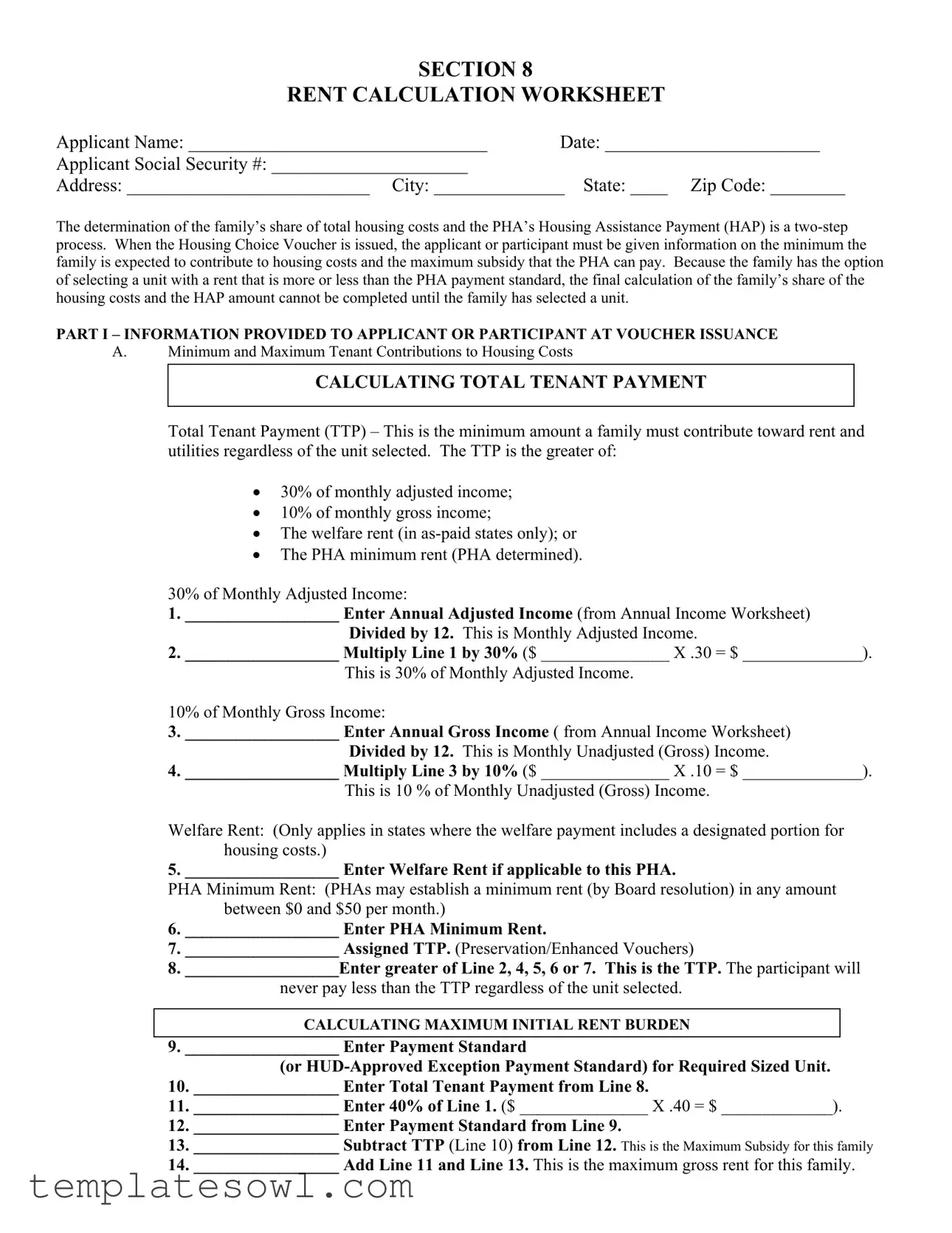
- Family Share: The portion of the monthly rent paid by the tenant, calculated as roughly 30% of their adjusted monthly income, plus any amount by which the gross rent exceeds the PHA payment standard.
- Housing Quality Standards (HQS): The mandatory minimum health and safety standards established by HUD that every single-family home must pass before the PHA approves the tenancy and housing assistance payments begin.
Current Market Dynamics and Landlord Participation in 2026
The rental market in 2026 presents unique hurdles and opportunities for voucher holders. While source-of-income (SOI) discrimination laws have been enacted in a growing number of states and municipalities—making it illegal for landlords to reject applicants solely because they use a Section 8 voucher—enforcement and landlord compliance vary dramatically by region.
Landlords of single-family homes often hold reservations about participating in the program, frequently citing perceived delays in inspection scheduling and bureaucratic red tape. To counter this, many local housing authorities have streamlined their inspection processes, offering virtual inspections and expedited rent disbursement to attract private property owners of single-family housing stock.
Voucher Holders vs. Traditional Renters: Single-Family Market Realities
| Feature / Metric | Section 8 Voucher Holder | Unassisted Private Renter |
|---|---|---|
| Rent Payment Structure | Split: PHA pays subsidy directly to landlord; tenant pays remaining share. | 100% of rent paid directly by the tenant to the landlord. |
| Inspection Requirements | Mandatory annual or initial Housing Quality Standards (HQS) inspection by the PHA. | Standard municipal code enforcement inspections only (if applicable). |
| Lease Agreement | Standard private lease supplemented by the mandatory HUD Tenancy Addendum. | Standard private lease agreement governed strictly by state landlord-tenant law. |
| Rent Adjustments | Subject to PHA review, rent reasonableness tests, and annual policy caps. | Determined entirely by market supply, demand, and landlord discretion. |
| Security Deposit Limits | Governed by state limits and PHA policies; cannot be artificially inflated for vouchers. | Governed strictly by state and local landlord-tenant regulations. |
Step-by-Step Strategy to Find and Secure a Section 8 House
Finding a landlord who accepts vouchers for a single-family house requires a proactive, targeted search methodology. Traditional rental platforms do not always clearly designate Section 8 acceptance, making direct communication essential.
1. Verify Your Voucher Status and Budget
Before touring properties, confirm your current voucher size (number of bedrooms) and your exact payment standard limits with your caseworker. Keep in mind that many PHAs allow you to rent a home slightly above or below your exact voucher size, provided the gross rent falls within the acceptable payment standard range and passes the affordability test where your share does not exceed 40% of your adjusted income upon initial lease-up.
2. Utilize Targeted Listing Channels
- Dedicated Affordable Housing Portals: Platforms such as AffordableHousing.com list verified landlords specifically open to housing vouchers.
- Local PHA Landlord Rosters: Request the active landlord directory from your local housing authority; these property owners have already worked with the program.
- Direct Outreach on General Platforms: When searching Zillow, Trulia, or Facebook Marketplace, look for properties managed by independent local landlords or property management companies rather than large corporate institutional investors, as individual owners are often more flexible.
3. Pitch Your Application Professionally
When contacting a landlord or property manager regarding a single-family rental, frame the voucher as a reliable, guaranteed source of income.
- Emphasize that a significant portion of the rent is guaranteed by the federal government and deposited directly on the first of every month.
- Offer to provide references from previous landlords and your clean tenant screening report.
- Inquire upfront: "I am a qualified Section 8 voucher holder with [PHA Name]. Are you currently accepting vouchers for this property?"
4. Pass the Housing Quality Standards (HQS) Inspection
Once a landlord agrees to rent to you and signs a Request for Tenancy Approval (RFTA) packet, the PHA will schedule an HQS inspection. Common failure points in single-family homes include:
- Missing or non-functional smoke and carbon monoxide detectors on every level and outside sleeping areas.
- Peeling lead-based paint (mandatory for homes built before 1978).
- Damaged roof shingles, broken window panes, or compromised handrails on porches and stairways.
- Faulty electrical outlets, missing cover plates, or ungrounded GFCI outlets near water sources.
Pros and Cons of Renting a Single-Family Home with a Voucher
Choosing a detached house over an apartment complex via the Section 8 program involves distinct tradeoffs that every applicant should weigh carefully.
Advantages
- Neighborhood Quality: Single-family homes are typically located in residential neighborhoods with access to better-rated public school districts and lower crime statistics compared to dense multi-family complexes.
- Privacy and Space: Greater physical separation from neighbors, private backyards, garages, and additional storage space significantly improve quality of life.
- Stability: Long-term leases combined with guaranteed government housing assistance provide profound financial security for families.
Disadvantages
- Maintenance and Upkeep Responsibilities: Depending on the lease terms, single-family renters may be expected to handle routine yard maintenance, snow removal, or minor upkeep that apartment complexes typically provide.
- Higher Utility Costs: Detached houses generally have larger square footage and less shared wall insulation, leading to higher electricity, gas, and water bills that factor into your utility allowance calculations.
- Limited Inventory: The supply of single-family landlords willing to accept vouchers is frequently constrained, extending search times significantly.
Frequently Asked Questions
Can I use a Section 8 voucher to rent any single-family house?
No. The selected house must be approved by your local public housing agency, meet HUD Housing Quality Standards (HQS), and the requested rent must pass the rent reasonableness test and fall within your voucher's payment standard limits.
What happens if the landlord asks for rent above my payment standard?
You may be allowed to rent a home with a rent higher than the payment standard only if your family share does not exceed 40% of your adjusted monthly income upon initial lease-up, meaning you must pay the difference out of pocket.
Do landlords have to accept Section 8 vouchers?
It depends on state and local laws. While federal law does not mandate nationwide landlord participation, numerous states and municipalities enforce source-of-income discrimination laws that legally prohibit landlords from rejecting qualified applicants solely because they use a voucher.
How long does the inspection and approval process take?
Once a Request for Tenancy Approval (RFTA) is submitted to the housing authority, the HQS inspection is typically scheduled and conducted within 10 to 20 business days, followed by lease execution and move-in approval.
Are utilities included when renting a single-family house on Section 8?
Usually, utilities are separate. However, the housing authority calculates a utility allowance based on the home's heating type and size, which adjusts your maximum rent calculation to ensure overall housing affordability.
Conclusion and Next Steps
Securing a Section 8 single family house for rent in 2026 requires preparation, persistence, and proactive communication with both local housing authorities and private landlords. By understanding your payment standards, mastering HQS inspection requirements, and presenting your voucher as a reliable, government-backed asset, you can successfully transition into a stable, high-quality home. To begin your journey, contact your local public housing agency to verify your current voucher parameters and request their most up-to-date participating landlord directory.