Estimates from financial analysts and independent investigative reports indicate that the total net worth of The Church of Jesus Christ of Latter-day Saints is approximately $250 billion to $265 billion as of 2026. This valuation includes a massive $100 billion-plus investment portfolio managed by Ensign Peak Advisors, alongside vast real estate holdings, commercial businesses, and agricultural land.
The financial status of The Church of Jesus Christ of Latter-day Saints (often referred to as the LDS Church) has long been a subject of intense public interest and speculation. Unlike many public corporations, the Church is a private religious organization and is not required by United States law to publish comprehensive audited financial statements. However, over the last decade, a combination of whistleblower disclosures, mandatory SEC filings, and independent research by groups such as the Widow’s Mite Report has provided a clearer picture of one of the world's wealthiest religious institutions.
The Pillars of Church Wealth: An Overview
The wealth of the Church is not held in a single bank account but is distributed across a sophisticated network of non-profit entities and for-profit subsidiaries. To understand how the Church reached a valuation exceeding $250 billion, one must look at its three primary financial pillars: annual tithing and donations, the Ensign Peak investment portfolio, and its global real estate and commercial empire.
Tithing and Member Contributions
The foundation of the Church’s wealth is the principle of tithing—the practice where members contribute 10% of their annual income to the Church. While exact annual figures are not disclosed, researchers estimate that the Church collects between $7 billion and $10 billion in tithing annually. This steady stream of capital covers the Church’s operating expenses, including the maintenance of tens of thousands of meetinghouses, the construction of temples, and the funding of the Church Educational System (CES), which includes Brigham Young University (BYU).
Ensign Peak Advisors
The most significant component of the Church’s liquid wealth is Ensign Peak Advisors, the Church's internal investment management firm. Established in the late 1990s, Ensign Peak was designed to invest surplus tithing funds—money left over after all annual operating expenses have been met. By 2026, this fund has grown through compound interest and disciplined reinvestment into a massive reserve estimated to be worth between $150 billion and $180 billion, depending on market fluctuations in the equity and bond markets.
Real Estate and Commercial Ventures
The Church is one of the largest private landowners in the United States. Beyond its religious buildings, it owns hundreds of thousands of acres of agricultural land, commercial office towers, and residential developments. These assets provide both physical security and an additional stream of diversified income.
The Ensign Peak Portfolio: A Deep Dive into Liquid Assets
For decades, the existence and scale of Ensign Peak Advisors remained largely unknown to the general public and even to the majority of the Church's membership. This changed in 2019 when a former senior portfolio manager, David Nielsen, filed a whistleblower complaint with the IRS. Nielsen alleged that the fund had grown to over $100 billion and had not been used for charitable purposes in over two decades.
Market Composition and Growth
As of 2026, the Church’s equity holdings—which are partially disclosed through quarterly 13F filings with the SEC—show a highly diversified strategy. The portfolio includes significant positions in:
- Technology: Major stakes in Apple, Microsoft, Alphabet, and NVIDIA.
- Healthcare: Investments in UnitedHealth Group, Johnson & Johnson, and Pfizer.
- Finance: Holdings in JPMorgan Chase, Visa, and Mastercard.
Because 13F filings only require the disclosure of U.S.-listed equities, they do not reflect the Church’s holdings in international stocks, private equity, venture capital, or fixed-income securities (bonds). When these additional asset classes are factored in, the total value of the Ensign Peak reserve is significantly higher than the values seen in public stock reports.
The SEC Settlement and Transparency
In 2023, the Church and Ensign Peak Advisors reached a $5 million settlement with the Securities and Exchange Commission (SEC). The SEC found that the Church had used "shell companies" to hide the true scale of its investment portfolio for nearly 20 years. Following this settlement, the Church has moved toward slightly higher levels of disclosure, though it still maintains that its financial privacy is necessary to protect its mission and resources.
Real Estate: The Church’s Tangible Empire
The Church’s real estate portfolio is divided into "sacred" and "investment" properties. While temples and meetinghouses have high replacement costs, they are generally not considered liquid wealth. However, the Church’s for-profit real estate arm is a massive contributor to its net worth.
Agricultural Holdings and Farmland Reserve
The Church is the largest private landowner in Florida, primarily through Deseret Ranches. This operation spans nearly 300,000 acres and includes cattle ranching, citrus groves, and timber. Through its subsidiary Farmland Reserve, Inc., the Church also owns vast tracts of land in Nebraska, Texas, and Washington, as well as international agricultural assets in Australia, Brazil, and Canada. As of 2026, the total value of these agricultural assets is estimated to exceed $20 billion.
Urban and Commercial Developments
The Church has a significant presence in urban real estate. A prime example is the City Creek Center in Salt Lake City, a multi-billion dollar mixed-use development that includes a high-end shopping mall, residential towers, and office space. The Church also owns:
- Commercial office buildings in London, Tokyo, and New York City.
- Residential apartment complexes through subsidiaries like Property Reserve, Inc. (PRI).
- Industrial parks and warehouses near major transportation hubs.
The strategy behind these investments is long-term stability. By holding high-quality real estate, the Church ensures that its wealth is protected against inflation and currency devaluation.
| Asset Category | Estimated Value (2026) | Primary Purpose |
|---|---|---|
| Ensign Peak (Liquid Investments) | $150B - $180B | Reserve fund for future needs / Second Coming |
| Agricultural Land | $20B - $25B | Resource security and long-term investment |
| Commercial Real Estate | $15B - $20B | Revenue generation and urban development |
| Religious Buildings (Temples/Meetinghouses) | $40B - $50B | Operational use for worship and community |
| Educational Institutions (BYU/CES) | $5B - $8B | Academic and religious instruction |
| Total Estimated Net Worth | $230B - $283B | Consolidated global holdings |
How the Church Uses Its Financial Resources
The Church’s leadership, including the First Presidency and the Presiding Bishopric, maintains that these funds are held in "sacred trust." The primary use of Church money falls into three categories: operations, growth, and humanitarian aid.
Operating and Maintenance Costs
It costs billions of dollars annually to run a global organization with over 17 million members. The Church funds the operation of nearly 30,000 congregations. This includes utilities, repairs, and the salaries of a small professional workforce (the vast majority of local clergy are unpaid volunteers). Additionally, the Church funds a massive missionary program, though much of the cost is subsidized by the missionaries themselves and their families.
Capital Expenditures: The Temple Building Boom
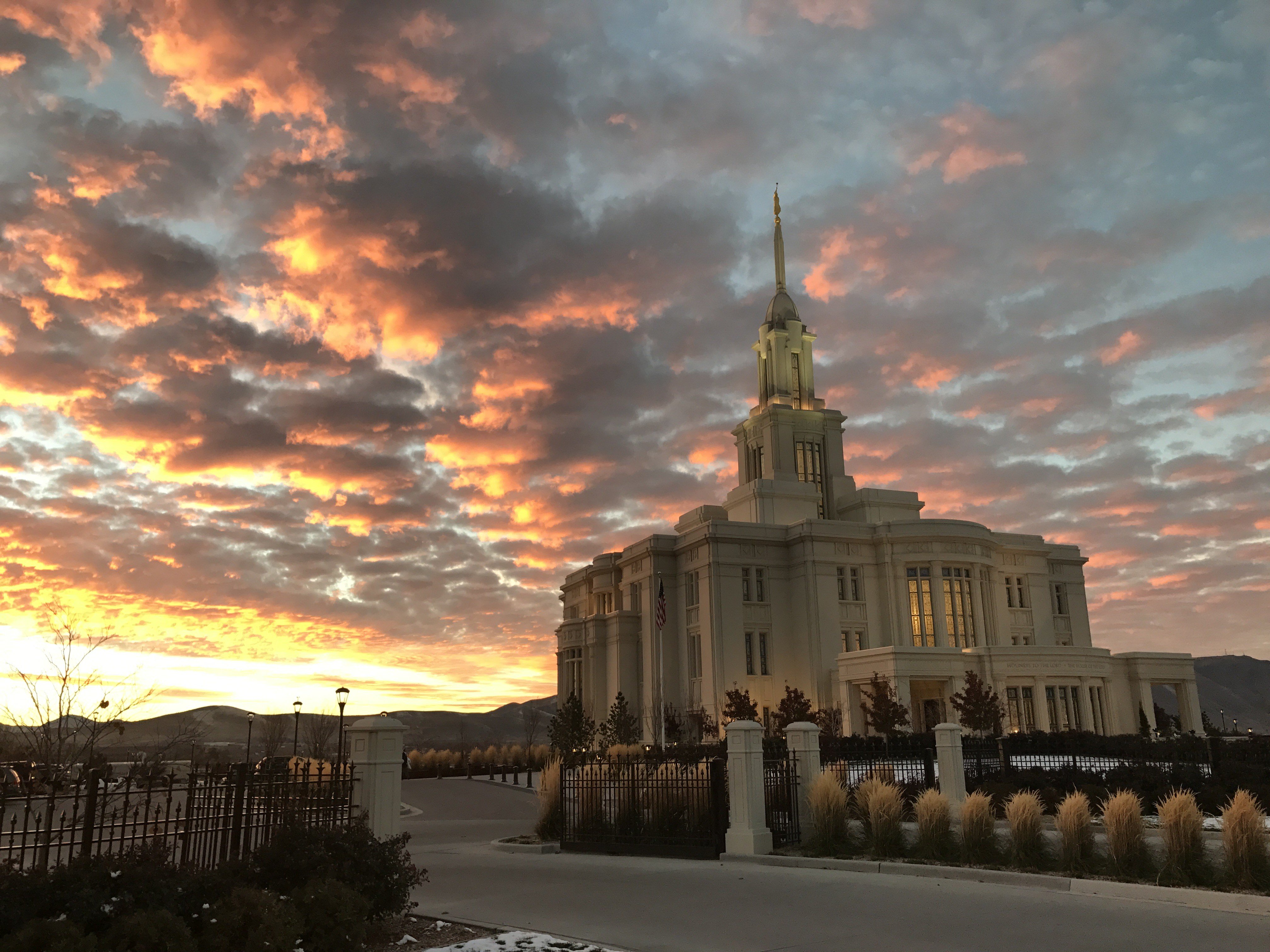
In recent years, the Church has significantly accelerated the construction of temples. As of 2026, there are over 300 temples in various stages of operation, construction, or announcement. These buildings are constructed with high-quality materials (such as granite and marble) and often cost between $20 million and $100 million each. This represents a significant reinvestment of tithing funds into physical infrastructure.
Humanitarian Aid and Charity
For 2023, the Church reported that its total humanitarian expenditures reached $1.3 billion. By 2026, this figure has continued to climb as the Church expands its partnerships with organizations like the Red Cross and the World Food Programme. This spending includes:
- Self-Reliance Services: Providing job training and education in developing nations.
- Welfare Square: A complex in Salt Lake City that produces food for the poor.
- Emergency Response: Funding for disaster relief following earthquakes, hurricanes, and conflict.
Critics often compare the $1.3 billion in humanitarian aid to the $250 billion-plus net worth, arguing that the Church could do more. The Church’s counter-argument is that its primary mission is spiritual, and its financial reserves are necessary to ensure the Church’s survival through future global crises.
Why Does a Church Need This Much Money?
The theological justification for the Church's wealth is rooted in the "Parable of the Talents" and the belief in being a "wise steward." Church leaders have historically emphasized the importance of avoiding debt and preparing for "rainy days."
In the early 20th century, the Church was nearly bankrupt. Under the leadership of Presidents like Lorenzo Snow and later Heber J. Grant, the Church prioritized financial independence. The current massive reserves are seen by leadership as a fulfillment of that goal. Some leaders have also suggested that these funds will be necessary to fund the Church's activities and the building of a New Jerusalem in preparation for the Second Coming of Jesus Christ.
From a practical standpoint, the wealth provides a buffer against declining religiosity in the West. As tithing revenues may fluctuate in the future due to demographic shifts, the investment income from Ensign Peak can sustain the Church's global operations indefinitely.
Common Misconceptions and Clarifications
There are several common myths regarding the Church's finances that require clarification:
- Do Leaders Get Rich? The top leadership (the First Presidency and Quorum of the Twelve Apostles) receives a "living allowance" estimated at roughly $150,000 to $180,000 per year. While comfortable, this is significantly less than what many of these men earned in their previous professional careers as doctors, lawyers, or executives.
- Is the Money Tax-Free? In the United States, religious organizations are exempt from federal income tax on donations (tithing) and most investment income used for religious purposes. However, the Church’s for-profit subsidiaries (like its insurance company, Deseret Management Corporation) pay standard corporate taxes on their profits.
- Does the Church Sell Its Assets? The Church rarely sells its core land holdings. Its strategy is almost exclusively "buy and hold," focusing on generational wealth rather than short-term trading profits.
FAQs
Is The Church of Jesus Christ of Latter-day Saints the richest religion in the world?
While the Catholic Church likely holds more total assets globally—primarily in the form of priceless art, historical cathedrals, and vast land holdings acquired over 2,000 years—The Church of Jesus Christ of Latter-day Saints is considered to have one of the largest liquid investment portfolios of any single religious denomination.
Why doesn't the Church release an annual financial report?
The Church stopped publishing its financial reports in the late 1950s. Leadership states that they are accountable to God and the members who pay tithing, rather than the general public. They provide limited summaries of humanitarian spending but keep the details of their investment portfolio private to prevent speculation.
Does the Church pay taxes on its $100B+ stock portfolio?
Under Section 501(c)(3) of the U.S. tax code, the investment income of a religious organization is generally exempt from federal income tax, provided the funds are used to further the organization's exempt purposes. This allows the Church's investments to grow much faster than those of a private individual or a for-profit corporation.
What is the Widow’s Mite Report?
The Widow’s Mite Report is an independent, anonymous group of researchers, many of whom are members of the Church with backgrounds in finance and data science. They use public records, SEC filings, and mathematical modeling to provide the most detailed estimates of Church wealth currently available.
Does the Church invest in "sin stocks" like tobacco or gambling?
No. The Church’s investment policy specifically prohibits investments in industries that conflict with its teachings, such as tobacco, alcohol, gambling, and adult entertainment.
How much does it cost to run the Church each year?
Independent estimates suggest the Church’s annual operating budget is between $5 billion and $7 billion. This covers everything from missionary work and temple operations to the massive payroll for the Church's professional employees and the costs of the Church Educational System.
Summary of Next Actions for Researchers
If you are looking to verify or expand upon these financial figures, the best path is to monitor quarterly 13F filings through the SEC’s EDGAR database for "Ensign Peak Advisors." Additionally, reviewing the annual "Humanitarian Center" reports from the Church's official newsroom provides context on how a portion of these funds is utilized for global welfare. For those interested in the legal and tax implications of religious wealth, studying the IRS whistleblower laws and the 2023 SEC settlement documents offers the most factual grounding for the Church’s current financial status in 2026.