Helicopter radar technology has evolved significantly, transitioning from heavy, power-hungry military units to lightweight, highly sophisticated solid-state arrays. In 2026, rotorcraft operations rely heavily on advanced radar systems for obstacle avoidance, weather penetration, surface mapping, and tactical situational awareness. Because helicopters frequently operate in degraded visual environments (DVE)—such as brownouts, whiteouts, heavy fog, and low-light nocturnal scenarios—radar systems serve as critical safety multipliers. This guide explores the engineering principles, architectural variations, operational benefits, and future integration paths of modern helicopter radar.
Core Engineering Principles and Architectural Evolution
Unlike fixed-wing aircraft radar systems that prioritize long-range forward detection at high altitudes, helicopter radar must manage unique flight dynamics, lower operational speeds, and proximity to complex ground obstacles. Modern systems utilize millimeter-wave (MMW) frequencies, typically operating in the Ka-band or W-band, to achieve high-resolution target discrimination without requiring massive antenna dishes.
Solid-state Active Electronically Scanned Array (AESA) technology has largely replaced older mechanically scanned gimbals in 2026. AESA architectures distribute transmit and receive modules across the antenna surface, eliminating moving parts and drastically improving reliability.
- Frequency Selection: Ka-band (33-37 GHz) provides an optimal balance between range and atmospheric penetration, whereas W-band (75-110 GHz) offers superior resolution for detecting fine wire obstacles like power lines.
- Beamforming: Digital beamforming allows the radar processor to instantly shape and steer the radar beam, simultaneously tracking multiple ground hazards and weather cells.
- Low Probability of Intercept (LPI): Military variants utilize spread-spectrum techniques to prevent detection by hostile electronic warfare systems while maintaining clear situational awareness.
Primary Operational Categories of Rotorcraft Radar
Helicopter radar applications vary widely depending on the mission profile, whether it involves emergency medical services (EMS), search and rescue (SAR), offshore oil rig transport, or military combat operations.
Obstacle Collision Avoidance Systems (OCAS): These systems are engineered to detect vertical and horizontal obstacles, including transmission towers, guy wires, and unlit wind turbines, providing visual and auditory cues to the pilot well before visual acquisition is possible.
Weather Penetration and Avoidance: Compact weather radars mounted in the nose radome allow pilots to safely circumnavigate convective activity, turbulence, and severe precipitation during instrument flight rules (IFR) transit.
Surface Mapping and Ground Proximity Warning: Synthetic Aperture Radar (SAR) and Inverse Synthetic Aperture Radar (ISAR) modes generate high-detail topographical maps, assisting in covert insertion or pinpointing rescue coordinates in total darkness.
Comparative Analysis of Helicopter Radar Technologies
Selecting the appropriate radar architecture depends on the specific operational envelope, weight allowances, and power budgets of the airframe. The following comparison outlines the primary radar types deployed across modern rotorcraft fleets in 2026.
| Radar Type | Primary Frequency | Main Operational Use | Advantages | Limitations |
|---|---|---|---|---|
| Millimeter-Wave Wire Strike | W-band (94 GHz) | Obstacle & Power Line Detection | Exceptional resolution for thin wires; compact antenna size | Limited range in heavy rain; high atmospheric attenuation |
| Multimode Weather & Mapping | X-band / Ka-band | En-route weather avoidance & navigation | Long-range weather tracking; dual-use mapping capabilities | Larger physical footprint; higher power draw |
| AESA Tactical Radar | Ku-band / Ka-band | Military Nap-of-the-Earth (NoE) flight | Jam-resistant; multi-target tracking; extremely fast scan rates | High procurement and maintenance costs |
| Laser/Radar Hybrid (Lidar/MMW) | Hybrid Optical/RF | Brownout landing assistance | Unmatched close-range surface texture mapping | Performance degrades in dense dust or heavy particulate clouds |
Integration with Avionics and Flight Control Systems
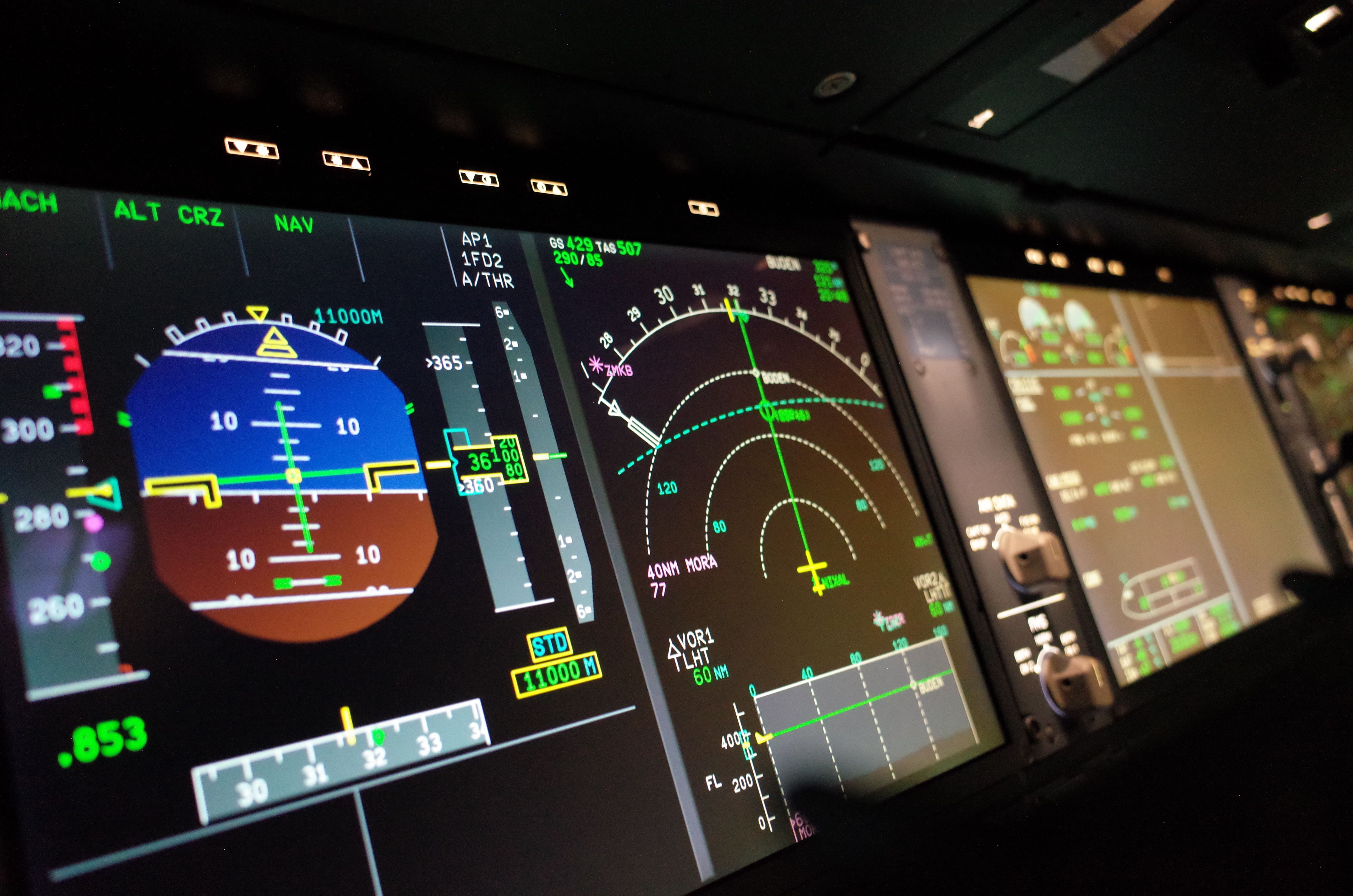
Modern helicopter radar does not operate in a vacuum. In 2026, seamless integration with advanced Flight Management Systems (FMS), Primary Flight Displays (PFD), and Synthetic Vision Systems (SVS) is mandatory. When a radar detects an obstacle or severe weather hazard, the threat data feeds directly into the primary flight display, painting clear warning vectors on the pilot's helmet-mounted display (HMD) or digital glass cockpit screens.
Furthermore, advanced safety architectures couple radar return data directly with the autopilot and flight director. If a pilot fails to react to an imminent ground proximity threat or wire hazard within a predetermined time threshold, the flight control system can initiate an automatic fly-up maneuver or lateral avoidance turn to prevent a catastrophic collision.
Pros and Cons of Modern Helicopter Radar Deployment
While the technological leaps in rotorcraft radar have dramatically reduced accident rates in adverse weather, several engineering and operational challenges persist.
- Pros:
- Drastically reduces controlled flight into terrain (CFIT) accidents during low-visibility operations.
- Enhances mission success rates for emergency medical services operating in remote or unlit terrain.
- Provides real-time tactical awareness in degraded visual environments like dust brownouts.
- Cons:
- Adds weight and aerodynamic drag to the airframe, impacting fuel efficiency and payload capacity.
- High acquisition, installation, and recurring calibration costs.
- Potential for pilot reliance or cognitive overload if auditory and visual alerts are poorly configured.
Step-by-Step Calibration and Pre-Flight Radar Check
Ensuring radar operational readiness is a critical component of standard pre-flight checklists for IFR and specialized mission helicopters. Flight crews must execute rigorous diagnostic protocols before entering instrument meteorological conditions (IMC).
- Power-On Self-Test (POST): Initiate the avionics master switch and monitor the radar control unit for error codes, confirming that transceiver modules and antenna stabilization gyros are functioning within tolerance.
- Transmit Interlock Verification: Ensure ground safety interlocks are respected, verifying that radiation emission levels are restricted or disabled while maintenance personnel are near the aircraft.
- Range and Gain Optimization: Adjust the display range to near-field settings and test ground clutter returns to confirm proper receiver sensitivity and antenna beam steering.
- Target Simulation Test: Execute the built-in test equipment (BITE) routine to inject synthetic target signals, validating that threat collision warnings correctly trigger visual and auditory alerts in the cockpit.
- Weather Mode Sweep: Perform a quick sweep of the horizon in weather mode to cross-reference displayed precipitation returns with local meteorological data feeds.
Frequently Asked Questions
What frequency band is best for detecting power lines from a helicopter?
W-band frequencies, typically operating around 94 GHz, provide the highest resolution required to detect thin objects such as transmission wires and guy lines. This high frequency allows the radar beam to reflect effectively off narrow metallic conductors.
How do modern helicopter radars handle brownout landings?
Modern systems combine millimeter-wave radar and multi-spectral sensors to peer through swirling dust and sand particles, generating a real-time 3D topographical map of the landing zone on the pilot's display.
Can helicopter radar systems be retrofitted to older legacy airframes?
Yes, many manufacturers offer modular, lightweight solid-state radar kits designed specifically for retrofit on legacy utility and transport helicopters with minimal structural modification.
What is the difference between mechanical gimbals and AESA radar?
Mechanical gimbals use a physically moving antenna dish to sweep the area, whereas AESA radars use stationary electronic panels that steer the radar beam digitally, resulting in vastly superior reliability and multi-tasking capability.
How does radar integrate with helmet-mounted displays (HMD)?
Radar threat data, weather overlays, and obstacle proximity warnings are projected directly onto the pilot's visor, allowing them to maintain external visual references while monitoring critical safety vectors.
Optimizing Rotorcraft Safety Through Advanced Sensor Integration
As avionics standards continue to mature, helicopter radar remains an indispensable cornerstone of modern aviation safety. By bridging the gap between human sensory limitations and treacherous environmental conditions, these advanced sensor suites ensure that aircrews can execute critical missions safely, regardless of visibility. Investing in state-of-the-art radar architecture protects valuable airframes, maximizes operational readiness, and ultimately saves lives in the field.