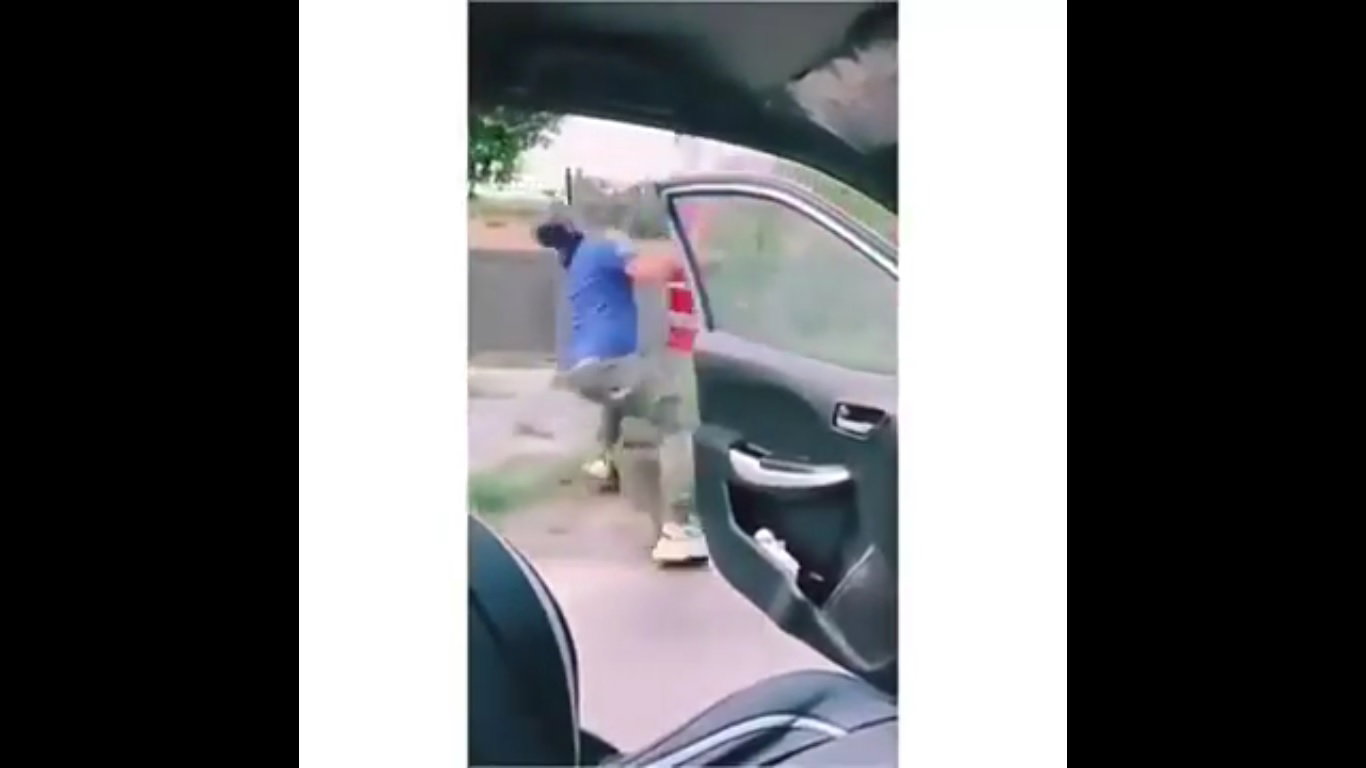
The "In My Feelings fail" refers to the widespread series of accidents, injuries, and legal repercussions resulting from the 2018 viral "In My Feelings" challenge. While the trend began as a harmless dance choreographed by comedian Shiggy to Drake’s hit song, it evolved into a dangerous "ghost riding" stunt where participants jumped out of moving vehicles. This transition led to high-profile physical injuries, significant property damage, and global law enforcement crackdowns that fundamentally reshaped social media safety policies.
The Genesis of a Global Phenomenon
To understand why the "In My Feelings fail" became a cultural touchstone, one must look at the origin of the song and its associated dance. Released in 2018 as part of Drake’s album Scorpion, the track "In My Feelings" became an immediate commercial success. However, its viral trajectory was ignited by internet comedian The Shiggy Show, who posted a video dancing to the song in the middle of a street.
Crucially, Shiggy’s original video did not involve a moving car. He was simply dancing in the road. The "fail" aspect entered the zeitgeist when the internet community—striving for higher engagement and "clout"—upped the ante. Users began "ghost riding the whip," a practice where the driver (or a passenger) exits a vehicle while it is still in motion (usually in neutral or low gear) to perform the dance alongside the moving door.
By the time the trend peaked, the term "In My Feelings fail" described two distinct things: the physical act of failing the stunt (falling, being hit by the car) and the broader societal "fail" of prioritizing viral metrics over basic physical safety.
The Physics of the Fail: Why the Stunt Was Inherently Dangerous
The "In My Feelings fail" videos often followed a predictable and painful pattern. From a technical and physical standpoint, these stunts failed because participants underestimated the principles of inertia and relative velocity.
The Exit Velocity Problem
When a person steps out of a moving vehicle, their body retains the forward momentum of the car. If the car is moving at 5 to 10 mph, the person’s feet must immediately match that speed upon hitting the pavement. Most "fails" occurred the moment the participant’s lead foot touched the ground. Because the upper body continued to move at the car’s speed while the foot was suddenly decelerated by friction with the road, the person would inevitably pitch forward or be pulled under the open door.
Terrain and Surface Friction
Many participants attempted the challenge on uneven asphalt or near curbs. The "In My Feelings fail" was frequently exacerbated by the choice of footwear—often slides or sneakers with poor lateral support—which led to rolled ankles and loss of balance. Once balance was lost, the proximity to a multi-ton moving object transformed a simple trip into a life-threatening situation.
The "Ghost Riding" Hazard
"Ghost riding" refers to a vehicle moving without an active operator at the wheel. In many "In My Feelings" videos, the driver was the one performing the dance. This left the vehicle essentially unguided. Fails in this category involved the car drifting into oncoming traffic, hitting parked vehicles, or the driver being unable to get back into the car before it accelerated or encountered an obstacle.
Global Legal and Safety Repercussions
As the "In My Feelings fail" videos flooded platforms like Instagram and the burgeoning TikTok, governments and law enforcement agencies were forced to intervene. The trend wasn't just a matter of personal risk; it was a public safety hazard.
Law Enforcement Interventions
Police departments worldwide began issuing formal warnings and fines. In the United States, various state departments of transportation used electronic highway signs to discourage the challenge. In the United Arab Emirates, authorities went as far as ordering the arrest of individuals who participated in the challenge, citing "endangering the lives of others" and "breaching public morals."
In India, the police in several major cities used social media to post their own "fail" compilations to show the graphic reality of the trend, shifting the narrative from "cool" to "reckless." These interventions were a direct response to the increasing number of emergency room visits attributed to the "In My Feelings" challenge.
The NTSB and Federal Warnings
In the U.S., the National Transportation Safety Board (NTSB) issued a rare public statement regarding a social media trend. They emphasized that jumping out of a moving vehicle or distracted driving is inherently dangerous and can be fatal. The NTSB highlighted that even low-speed accidents can cause traumatic brain injuries (TBIs) if a person’s head strikes the pavement.
Comparing the Original Trend vs. The "Fail" Variants
The following table outlines the differences between the intended dance challenge and the dangerous variations that led to the "In My Feelings fail" phenomenon.
| Feature | Original Shiggy Dance | "Moving Car" Variant (The Fail Source) |
|---|---|---|
| Vehicle Status | Stationary or non-existent | Moving (Ghost Riding) |
| Primary Risk | Trip/fall on flat ground | High-speed impact, being run over |
| Legal Status | Generally legal (if not blocking traffic) | Reckless driving, child endangerment |
| Physical Mechanics | Controlled choreography | Uncontrolled momentum/inertia |
| Common Outcome | Viral entertainment | Fractures, concussions, vehicle damage |
| Platform Reaction | Promoted by algorithms | Content warnings and shadow-banning |
Psychological Drivers: Why the "Fail" Happened
The "In My Feelings fail" is a primary case study in social contagion and the "attention economy." In 2026, we look back at this era as a turning point in how social media platforms managed dangerous content.
The Escalation Ladder
On social media, "sameness" is the enemy of engagement. Once thousands of people had performed the Shiggy dance on a sidewalk, the "value" of that content dropped. To gain views, users felt pressured to introduce risk. The "moving car" element provided the high-stakes tension that algorithms tended to reward with higher reach.
Optimism Bias
Participants often suffered from optimism bias—the belief that they are less likely to experience a negative event than others. Even after seeing "In My Feelings fail" compilations, many believed they had the coordination or the "low enough speed" to execute the stunt safely. This cognitive dissonance led to a cycle where the very videos meant to serve as warnings were viewed as challenges to be overcome.
The Evolution of Platform Safety Policies
Perhaps the most lasting impact of the "In My Feelings fail" was the shift in how social media companies like Meta (Facebook/Instagram) and ByteDance (TikTok) handled viral challenges.
Prior to 2018, platforms were relatively hands-off regarding user stunts. However, the sheer volume of injuries related to the "In My Feelings" challenge forced a change. Platforms began implementing:
- AI Detection for Dangerous Acts: Algorithms were trained to recognize the specific visual cues of a moving car door and a person dancing beside it.
- Shadow-banning and Removal: Content that depicted "dangerous acts and challenges" began to be de-prioritized or removed entirely.
- Educational Interstitial Screens: When users searched for terms like "Kiki Challenge" or "In My Feelings fail," platforms started displaying warnings and links to safety resources.
These policies, which are standard in 2026, were largely pioneered or accelerated because of the medical and legal crises caused by this specific 2018 trend.
Notable Categories of "In My Feelings" Fails
While thousands of videos were posted, the "fails" generally fell into four distinct, recurring categories:
1. The "Door Strike"
This occurred when the participant attempted to exit the car, but their clothing caught on the door handle, or the door itself swung back toward the vehicle, pinning the person or knocking them to the ground. Because the vehicle was in motion, the person was often dragged for several feet.
2. The "Object Collision"
Because the dancer was focused on the camera (often held by someone in the passenger seat) and the music, they lost situational awareness. Numerous videos showed dancers hitting street signs, mailboxes, or parked cars while looking at the lens.
3. The "Unmanned Vehicle" Disaster
The most severe fails involved the driver jumping out and the car's steering wheel not being locked straight. The car would veer off the road, sometimes into pedestrians or into ditches, while the driver frantically tried to chase it down and hop back in.
4. The "Police Cameo"
As the trend became a known nuisance, police officers began intentionally patrolling areas popular for filming. Many "fail" videos end abruptly with the sound of a siren or the sight of a police officer approaching the moving vehicle, leading to immediate impoundment and heavy fines.
Cultural Legacy and Historical Context
By 2026, the "In My Feelings fail" is viewed as a precursor to even more dangerous trends that followed, such as the "Milk Crate Challenge" or the "Blackout Challenge." It served as the first major global example of how a mainstream pop culture moment—a song by one of the world's biggest artists—could be weaponized by the desire for viral fame into a physical hazard.
It also highlighted the divide between celebrity influence and personal responsibility. While Drake himself eventually posted a video acknowledging the Shiggy dance (and Shiggy appeared in the official music video), the "ghost riding" variants were never officially endorsed. This created a disconnect where fans were mimicking a "feeling" or a "vibe" rather than a specific instruction, leading to the chaotic and uncoordinated nature of the fails.
FAQ: Understanding the "In My Feelings" Trend
What song started the "In My Feelings" challenge?
The challenge was based on the song "In My Feelings" by the Canadian artist Drake, from his 2018 double album Scorpion. The specific lyrics "Kiki, do you love me?" became the most recognizable part of the trend, leading many to refer to it as the "Kiki Challenge."
Who created the original dance?
The original dance was created by Shiggy, an internet comedian and social media influencer. He posted a video of himself dancing to the song on June 29, 2018. His version was performed on the street but did not involve a moving vehicle.
Why did people start jumping out of moving cars?
The "ghost riding" element was an organic (and dangerous) evolution of the trend. To stand out among millions of other videos, participants added the element of a moving vehicle to increase the "stunt" value and difficulty of the video, leading to the "In My Feelings fail" phenomenon.
Were there any deaths associated with the "In My Feelings" fail?
While there were no widely confirmed global death tolls specifically aggregated for this challenge, there were numerous reports of critical injuries, including ICU admissions for head trauma and internal bleeding. Several near-fatal accidents were documented by news outlets in the US, Mexico, and Europe.
How did social media platforms respond to the fails?
Platforms eventually banned the search terms related to the dangerous versions of the challenge or added "Sensitive Content" warnings. They also updated their Community Guidelines to specifically prohibit the promotion of "dangerous challenges" that could lead to physical harm.
Is the challenge still popular in 2026?
No, the challenge is considered a "legacy" viral trend. While it is occasionally referenced in "internet history" retrospectives, the specific act of jumping out of a car to dance is no longer a mainstream trend, largely due to the strict moderation of modern social media algorithms.
Practical Advice for Navigating Viral Challenges
In 2026, the landscape of viral content is more regulated, but the impulse to participate in stunts remains. If you are considering participating in a viral trend, follow these safety guidelines to avoid becoming a "fail" statistic:
- Verify the Source: Look at the original creator’s video. If the original didn't include a dangerous element (like a moving car), there is no reason to add one.
- Physics Check: Never underestimate the power of a moving vehicle, even at walking speeds. Your body is not designed to transition from a seated position in a moving object to a standing position on a stationary surface instantaneously.
- Environment Control: Only perform choreographed dances in areas where you have full control over the environment—private property, parks, or studios—rather than active roadways.
- Legal Awareness: Understand that "stunt driving" or "reckless endangerment" charges can stay on your permanent record, affecting your insurance rates and employment opportunities for years.
The "In My Feelings fail" era serves as a reminder that while the "feelings" of viral fame are fleeting, the physical and legal consequences of a failed stunt are permanent.