On July 22, 2011, Norway experienced its deadliest tragedy since World War II when a lone far-right extremist carried out two sequential terrorist attacks in Oslo and on the island of Utøya. These attacks resulted in the deaths of 77 people—eight in a central Oslo bombing and 69 at a youth summer camp—leaving a permanent mark on the nation’s social and political landscape.
The events of 22 July 2011 were not merely a localized tragedy but a transformative moment for global security and the study of lone-actor extremism. To understand the magnitude of this date, one must examine the timeline of the attacks, the ideological motives of the perpetrator, the failures in the emergency response, and how Norway has navigated the long path toward healing and justice over the subsequent fifteen years. As of 2026, the legacy of that day remains central to Norwegian public discourse, influencing everything from urban architecture to counter-terrorism legislation.
The Oslo Bombing: Attack on the State
The first phase of the attack began at 15:25 CEST in the heart of Norway’s capital, Oslo. The perpetrator, Anders Behring Breivik, parked a Volkswagen Crafter van directly in front of the "H-block" (Høyblokken), the main building of the Government Quarter (Regjeringskvartalet), which housed the Office of the Prime Minister and the Ministry of Justice and Public Security.
Inside the van was a fertilizer-based bomb—specifically an ANFO (Ammonium Nitrate/Fuel Oil) device—weighing approximately 950 kilograms. The explosion was immense, shattering windows for blocks, severely damaging the structural integrity of several government buildings, and claiming the lives of eight individuals. Dozens more were injured by flying glass and debris.
The timing of the bomb was calculated. It was a Friday afternoon during the peak of the Norwegian summer holiday season. Had the building been at full capacity, the death toll would likely have been significantly higher. The primary intent of the bombing was two-fold: to decapitate the leadership of the ruling Labour Party and to create a diversion that would draw emergency services toward the city center, clearing the way for the second, more lethal stage of the plan.
The Utøya Massacre: Attack on the Future
Approximately two hours after the Oslo explosion, while the nation’s attention and emergency resources were focused on the chaos in the capital, the perpetrator arrived at the Tyrifjorden lake, roughly 40 kilometers northwest of Oslo. Dressed in a meticulous, counterfeit police uniform and carrying a semi-automatic rifle and a pistol, he used a ferry to reach the small island of Utøya.
Utøya was the site of the annual summer camp for the Workers' Youth League (AUF), the youth wing of the Norwegian Labour Party. At the time of his arrival, there were 564 people on the island, the vast majority of them teenagers and young adults. Under the guise of providing security following the Oslo bombing, the gunman gathered a group of campers before opening fire.
For the next 72 minutes, the perpetrator moved across the island, systematically targeting the youth. The isolation of the island, combined with the perpetrator’s police disguise, created a scenario of profound terror and confusion. Many victims were shot while attempting to hide in the island's rocky terrain or while swimming across the freezing waters of the lake to reach the mainland. By the time the Delta Force (Norway’s elite police unit) arrived and apprehended him at 18:34, 69 people had been killed.
Profile of the Perpetrator and Ideology
The individual responsible for the attacks was Anders Behring Breivik, a then-32-year-old Norwegian national who had spent years planning the operation. His motivations were rooted in far-right, anti-Islamic, and anti-feminist ideologies. Shortly before the attacks, he distributed a 1,518-page compendium titled 2083: A European Declaration of Independence online.
The "manifesto" detailed his belief in the "Great Replacement" conspiracy theory, alleging that the Norwegian Labour Party and European elites were facilitating a "cultural Marxist" takeover and the "Islamization" of Europe. He viewed himself not as a criminal, but as a "Knight Templar" fighting a preemptive war to save European culture.
In 2026, researchers continue to study this document as a blueprint for subsequent "lone wolf" attacks globally. The ideology was not based on a specific religious fundamentalism but on a secular, ethno-nationalist worldview that sought to justify extreme violence as a means of political "awakening."
The Legal Process: Trial and Sentencing
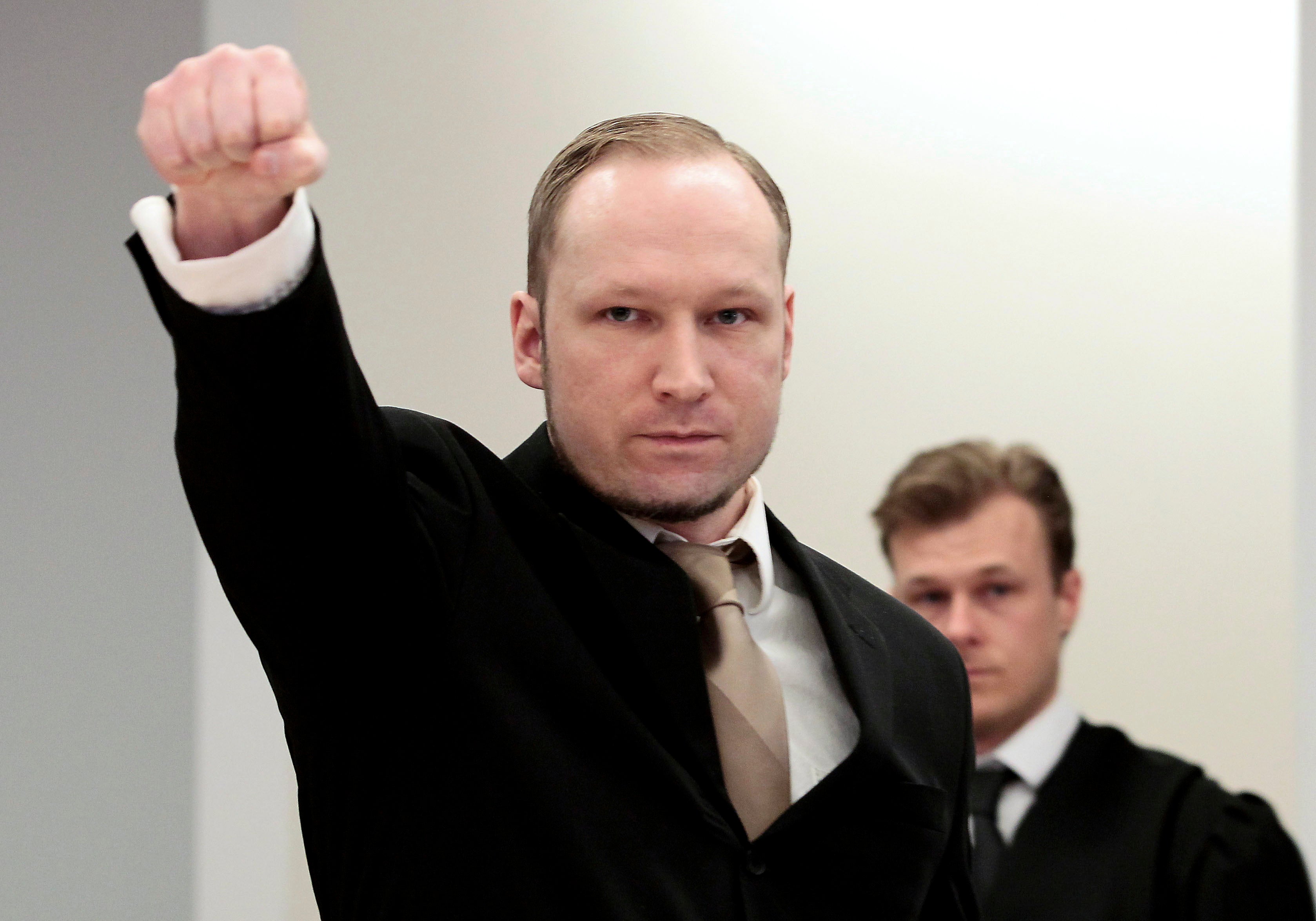
The trial of the perpetrator, which began in April 2012, was a watershed moment for the Norwegian judiciary. The primary legal question was not whether he had committed the acts—which he admitted—but whether he was "criminally sane."
Two psychiatric evaluations reached conflicting conclusions. The first suggested paranoid schizophrenia, while the second diagnosed him with narcissistic personality disorder and antisocial personality disorder, but found him legally sane. Ultimately, the court ruled he was sane and responsible for his actions.
On August 24, 2012, he was sentenced to "forvaring" (preventative detention) for a term of 21 years with a minimum of 10 years. Under Norwegian law, this is the most severe sentence possible. Crucially, "forvaring" allows the state to extend the sentence in five-year increments indefinitely if the prisoner is still deemed a threat to society.
Status of the Perpetrator in 2026
As of 2026, the perpetrator remains in high-security isolation. Over the years, he has made several legal attempts to challenge his detention conditions, citing human rights violations under Article 3 of the European Convention on Human Rights (ECHR). These challenges have largely been unsuccessful in the higher courts, which have ruled that the severity of his crimes and the ongoing risk he poses justify his strict isolation.
Furthermore, he has applied for parole multiple times since his minimum 10-year term expired in 2021. Each request has been denied by the Norwegian courts, citing no evidence of rehabilitation and a continued risk of violence. The consensus among legal experts in 2026 remains that he will likely never be released from prison.
Critical Analysis: The 22 July Commission
In the aftermath of the attacks, the Norwegian government established an independent fact-finding body known as the Gjørv Commission (22 July Commission). Their report, released in August 2012, provided a scathing critique of the state's failure to protect its citizens.
The commission's key findings included:
- The Bombing Could Have Been Prevented: Grubbegata, the street passing by the government buildings, should have been closed to traffic years earlier. Implementation of security measures had been bogged down by bureaucratic delays.
- The Response Was Too Slow: The police response to Utøya was hampered by communication failures, the lack of a functional helicopter, and the breakdown of a small boat used by the tactical unit.
- Intelligence Failures: The perpetrator’s name had appeared on a watchlist regarding the suspicious purchase of chemicals, but the Norwegian Police Security Service (PST) failed to follow up effectively.
The findings of the Gjørv Commission led to a massive overhaul of Norway's national security apparatus, including the centralization of emergency centers and increased funding for police mobility and counter-terrorism.
Casualties and Impact Summary
The scale of the loss on July 22, 2011, is often quantified by the number of victims, but the impact extended to every corner of Norwegian society.
| Metric | Oslo Bombing | Utøya Shooting | Total |
|---|---|---|---|
| Fatalities | 8 | 69 | 77 |
| Injuries (Physical) | 200+ | 110+ | 310+ |
| Primary Weapon | ANFO Fertilizer Bomb | Ruger Mini-14 / Glock 17 | N/A |
| Victim Demographics | Government employees/pedestrians | Youth (Average age 18) | N/A |
| Property Damage | Multiple blocks (High damage) | Minor (Camp facilities) | N/A |
Commemoration and Memorials
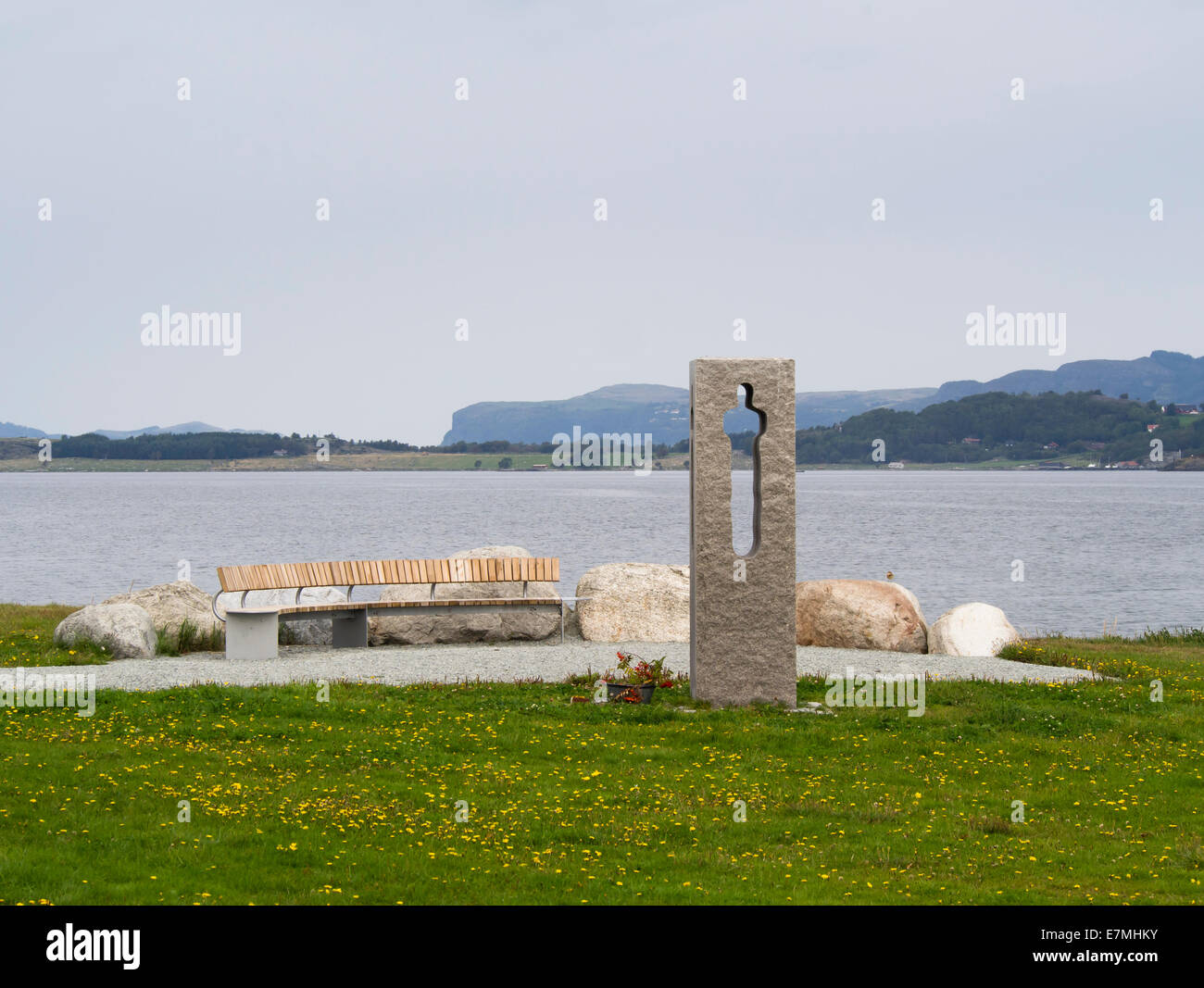
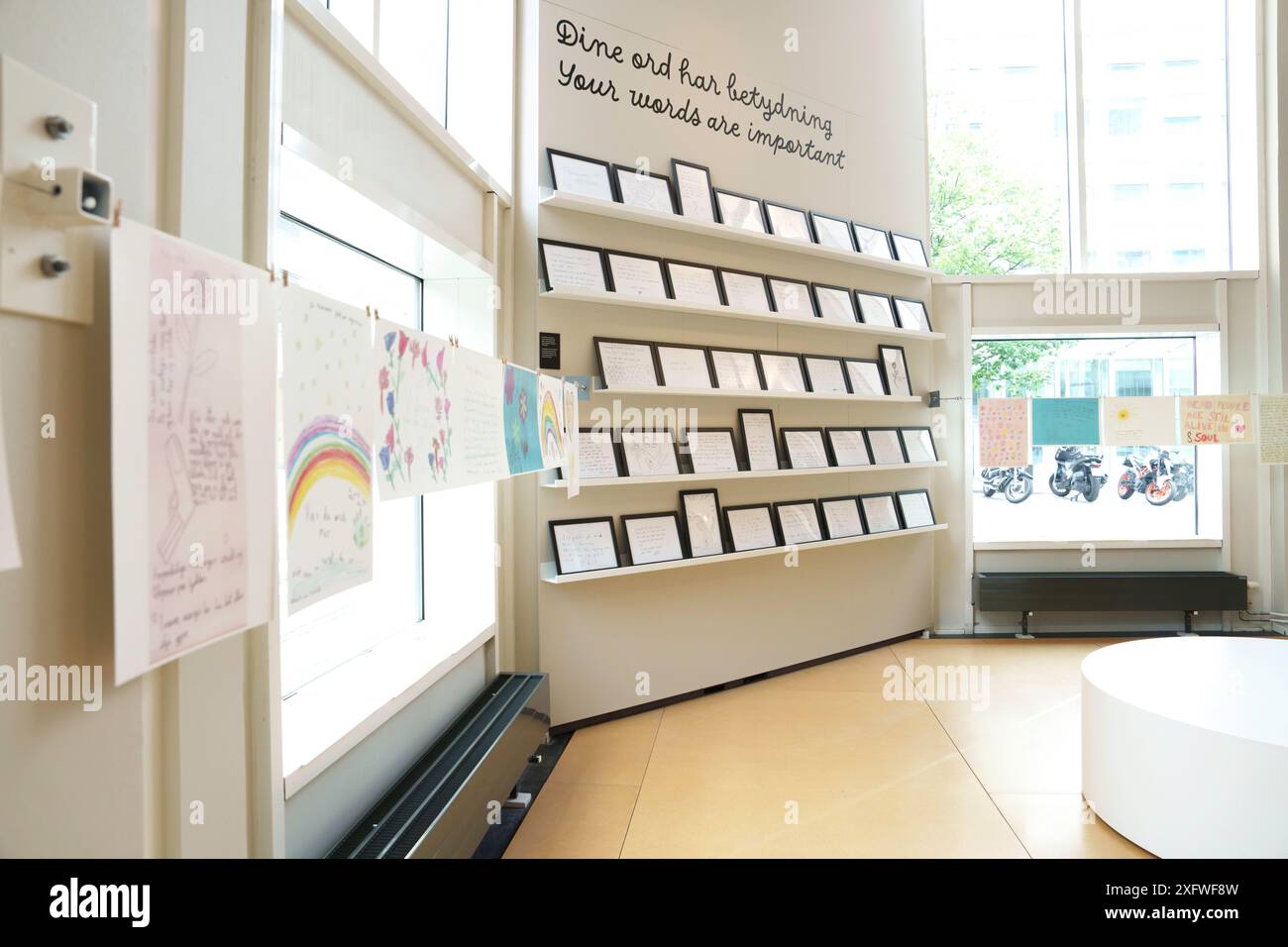
Norway’s approach to commemorating July 22 has been characterized by a desire to honor the victims without glorifying the perpetrator. This process was fraught with controversy, particularly regarding the design and location of permanent memorials.
The 22 July Centre
Located in the H-block in Oslo, this center serves as a place for education and reflection. It houses fragments of the bomb-damaged van and the original "manifesto" to educate the public on the dangers of radicalization. In 2026, it remains a primary destination for school trips across Scandinavia.
The Utøyakaia Memorial
After years of legal disputes with local residents who feared a "reminder of the trauma," a national memorial was finally inaugurated at Utøyakaia, the ferry landing on the mainland opposite the island. The memorial features 77 bronze pillars, representing each life lost, arranged in a way that allows the sun to pass through them.
"The Clearing" on Utøya
On the island itself, the AUF established "Hegnhuset," a memorial and learning center built around the remains of the café building where many died. The design preserves the bullet holes and structural scars while surrounding them with 69 wooden pillars supporting a roof, symbolizing the "protective" nature of the youth community.
Societal Shift: "More Democracy, More Openness"
In the immediate wake of the tragedy, then-Prime Minister Jens Stoltenberg famously declared, "Our response is more democracy, more openness, and more humanity. But never naivety." This sentiment largely defined Norway’s initial response. Unlike the United States after 9/11, Norway did not immediately implement draconian surveillance laws or declare a "war on terror."
However, by 2026, the long-term effects on the political climate are evident. There is a heightened sensitivity toward hate speech and far-right rhetoric. The Labour Party (AP), which was the target of the attacks, has had to navigate the delicate balance of honoring its "lost generation" of leaders while moving forward as a political entity. The survivors of Utøya, many of whom are now prominent members of the Storting (the Norwegian Parliament), have become vocal advocates for climate action, refugee rights, and social justice, carrying the legacy of their fallen peers into modern governance.
Frequently Asked Questions
What was the motive behind the 22 July 2011 attacks?
The perpetrator was driven by a far-right, anti-multiculturalist ideology. He believed that the Norwegian Labour Party was "betraying" the country by allowing Muslim immigration and that a violent "revolution" was necessary to preserve Norwegian and European identity. His actions were a targeted political strike against the future leaders of the country's social-democratic establishment.
Why did the police take so long to reach Utøya?
The delay was caused by a combination of factors: the police helicopter was unavailable because its crew was on vacation; the local police district initially struggled to coordinate a waterborne response; and the elite "Delta" unit’s boat was overloaded and stalled on the lake. These systemic failures were the primary focus of the subsequent Gjørv Commission report.
Is the perpetrator still in prison in 2026?
Yes. He is serving a "preventative detention" (forvaring) sentence. While his initial 21-year term is technically still running, the court has the authority to keep him in prison for life if he remains a danger to society. In 2026, he remains in high-security isolation and is considered highly likely to serve a life sentence in practice.
How has the site of the Oslo bombing changed?
As of 2026, the "Regjeringskvartalet" (Government Quarter) has undergone a massive reconstruction project. Some of the original buildings, including the H-block, have been preserved and integrated into a modern, more secure urban campus. The area now features reinforced security perimeters disguised as public art and landscaping, balancing the need for safety with the Norwegian ideal of an open society.
Can I visit Utøya today?
Yes, the island has been reopened for several years. It serves a dual purpose: it is a site for the annual AUF summer camp, reclaimed by the youth to show that the ideology of the attacker did not win, and it is a center for "Democracy and Citizenship" education. Visitors can see the memorials and participate in educational workshops regarding human rights and democratic values.
Final Guidance for Research and Remembrance
For those seeking to understand the events of 22 July 2011, it is essential to look beyond the sensationalist aspects of the crime and focus on the structural and societal lessons learned. The tragedy is a case study in how a high-trust society responds to internal threats.
If you are researching this topic for academic or professional purposes, the following actions are recommended:
- Consult Official Reports: Read the executive summary of the 22 July Commission Report for a detailed breakdown of the security failures.
- Visit the 22 July Centre Digital Archives: Many of the exhibits and testimonies are available online for international researchers.
- Analyze the Legal Rulings: Review the 2012 judgment from the Oslo District Court for insight into the psychiatric and legal complexities of the case.
- Respect the Victims: When discussing the event, prioritize the names and legacies of the 77 victims over the name of the perpetrator, adhering to the "No Notoriety" protocol used by many international media outlets to prevent the glorification of extremist violence.