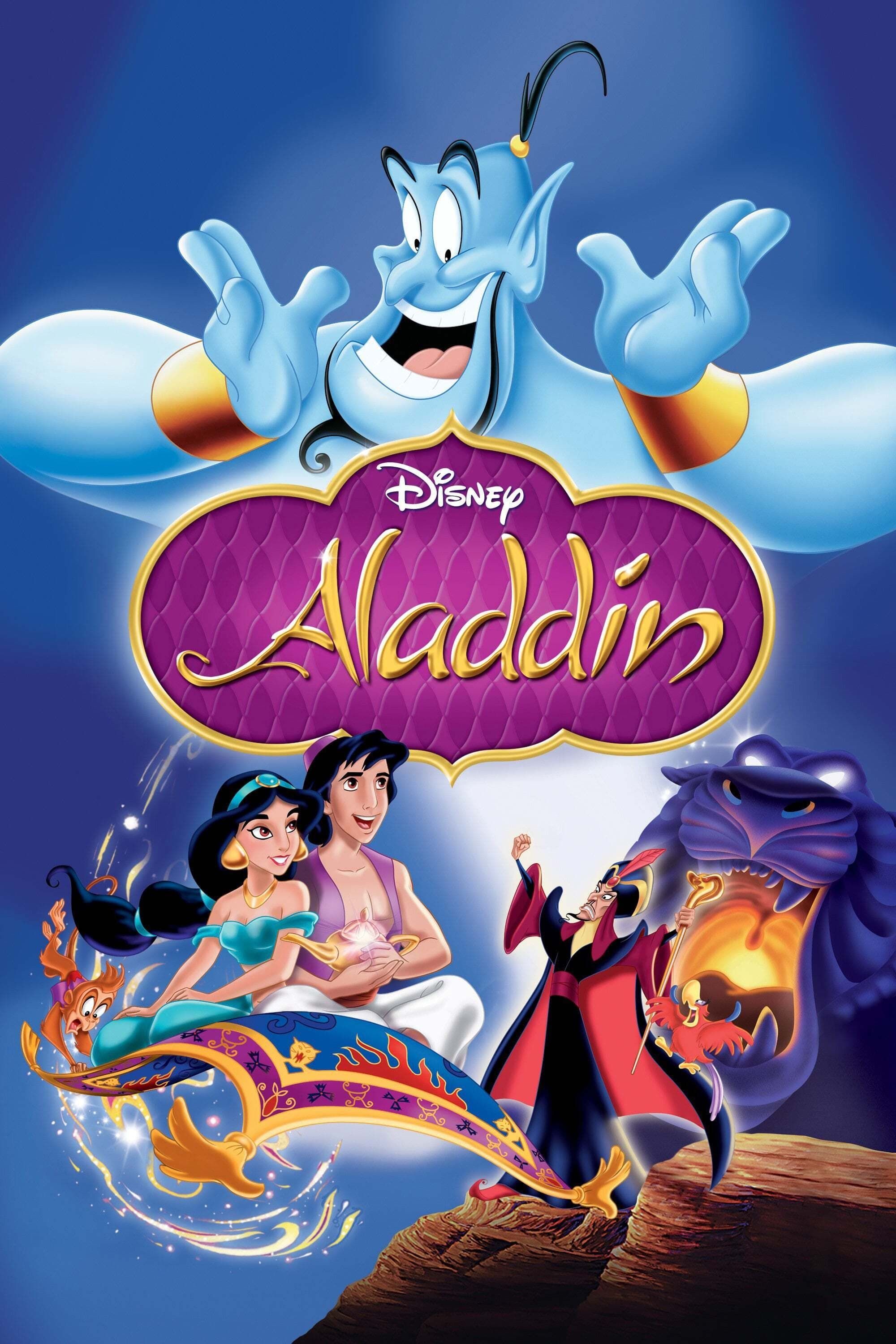
The year 1992 stands as one of the most transformative and commercially successful periods in the history of The Walt Disney Company, marked by the explosive success of Aladdin, the expansion of international theme parks with the opening of Euro Disneyland, and a pivotal evolution in the studio's animation, live-action, and musical strategies.
The Renaissance Peak: The Release and Impact of Aladdin
In the autumn of 1992, Walt Disney Feature Animation released Aladdin, the studio's 31st animated feature film. Following the massive critical and financial triumph of Beauty and the Beast in 1991, Aladdin was tasked with maintaining the incredible momentum of the era known as the Disney Renaissance. Directed by John Musker and Ron Clements, the film shattered box-office expectations and became the highest-grossing film of 1992 worldwide, grossing over $500 million during its initial theatrical run.
The success of Aladdin hinged on several revolutionary creative choices that permanently altered how animated features were marketed and produced:
- Celebrity Voice Talent: While Disney had utilized recognizable voices in the past (such as Phil Harris in The Jungle Book), the casting of Robin Williams as the Genie broke new ground. Williams improvised extensively, injecting rapid-fire pop-culture references, impressions, and theatrical energy that appealed directly to adult audiences while dazzling children.
- Technological Integration: The production heavily utilized computer-generated imagery (CGI), particularly for the Cave of Wonders and the magical carpet. This seamless blending of traditional hand-drawn cel animation with nascent 3ergic digital rendering established a technical standard that subsequent 1990s animated features would follow.
- Musical Synergy: Building on the formula established by Howard Ashman and Alan Menken, the songwriting team of Menken, Howard Ashman (who contributed early lyrics before his passing), and Tim Rice delivered iconic numbers like "A Whole New World," which won the Academy Award for Best Original Song and reached number one on the Billboard Hot 100 chart—a rare feat for a Disney animated soundtrack.
International Expansion: The Opening of Euro Disneyland
While the animation division achieved unprecedented heights, Disney's corporate leadership faced monumental operational challenges on the global stage. On April 12, 1992, Euro Disneyland (later renamed Disneyland Paris) officially opened in Marne-la-Vallée, France. Located just outside Paris, the resort represented a massive financial investment and Walt Disney Productions' most ambitious international expansion since the opening of Tokyo Disneyland in 1983.
The opening of the resort, however, was marred by significant cultural miscalculations, economic pressures, and public relations hurdles that dominated business news throughout 1992:
- Cultural Friction: European critics and French intellectuals frequently lambasted the project as a form of "cultural imperialism," with one French writer famously describing it as a "cultural Chernobyl." Issues arose regarding local labor laws, union disputes, and the initial corporate ban on the sale of alcohol within the park's restaurants—a policy quickly reversed to appease European dining customs.
- Financial Miscalculations: The resort suffered from overly optimistic attendance projections, high European interest rates, and a broader European economic recession. European visitors tended to visit during compressed holiday windows rather than spreading attendance evenly throughout the year, creating severe bottlenecks and staffing strain.
- Corporate Restructuring Lessons: The struggles of Euro Disneyland in 1992 forced CEO Michael Eisner and CFO Frank Wells to reevaluate their international strategy, leading to gradual rebranding, financial restructuring, and a deeper cultural sensitivity in subsequent global ventures.
Live-Action and Touchstone Pictures Slate of 1992
Beyond animation and theme parks, Disney’s live-action subsidiaries—including Walt Disney Pictures and the adult-oriented Touchstone Pictures—released a diverse slate of films in 1992 that diversified the company's brand portfolio. This period demonstrated Disney's ability to capture demographics outside of traditional family animation.
Major 1992 Disney Cinematic Releases
| Film Title | Studio / Label | Primary Genre | Historical & Cultural Significance |
|---|---|---|---|
| Aladdin | Walt Disney Feature Animation | Animated Musical | Highest-grossing film of 1992; revolutionized celebrity voice casting. |
| The Mighty Ducks | Walt Disney Pictures | Sports Comedy | Spawned a multi-film franchise and an NHL team name. |
| Newsies | Walt Disney Pictures | Musical Drama | Cult classic that later achieved massive success as a Broadway stage adaptation. |
| Sister Act | Touchstone Pictures | Comedy | Unexpected blockbuster starring Whoopi Goldberg; grossed over $230 million worldwide. |
| The Muppet Christmas Carol | Walt Disney Pictures | Holiday / Puppet | First Muppet feature film produced after Jim Henson's passing; established a enduring holiday classic. |
The release of The Mighty Ducks in October 1992 proved particularly lucrative, grossing over $50 million domestically and giving rise to an unexpected pop-culture phenomenon. The film's success directly influenced the establishment of the Mighty Ducks of Anaheim NHL franchise by The Walt Disney Company in 1993, showcasing early cross-media sports marketing.
Simultaneously, Newsies struggled at the box office upon its spring 1992 release due to poor marketing and shifting audience tastes for movie musicals, yet it found a passionate second life on home video and cable television, eventually evolving into a Tony Award-winning Broadway musical two decades later.
Television and Home Video Strategies
The year 1992 also represented a golden era for Disney television syndication and home video sales, cementing the company's dominance in the living room.
The legendary "Disney Afternoon" animation block was in full swing, broadcasting syndicated hits such as DuckTales, Chip 'n Dale Rescue Rangers, TaleSpin, and Darkwing Duck, alongside the debut of Goof Troop in September 1992. These programs not only generated substantial advertising revenue but also drove toy and merchandise sales through licensing partnerships with companies like Mattel and Capcom.
In the home video market, Disney continued its highly lucrative "Masterpiece" moratorium strategy. The 1991 VHS release of The Fantasia and the impending anticipation for the 1993 home video release of Beauty and the Beast established the "Disney Vault" concept as a masterclass in artificial scarcity, driving unprecedented consumer demand and establishing VHS ownership as a household standard for families.
Frequently Asked Questions
What was the highest-grossing Disney movie released in 1992?
Aladdin was the highest-grossing Disney film and the overall highest-grossing film of 1992 worldwide. It earned approximately $217 million during its original domestic run and over $504 million globally, cementing the commercial viability of the Disney Renaissance.
Why was the opening of Euro Disneyland in 1992 controversial?
The park's opening faced heavy criticism from French cultural commentators who viewed it as American cultural intrusion. Additionally, management miscalculated European vacation habits, faced heavy debt from high interest rates, and encountered early labor and operational disputes that required major financial restructuring.
Did Disney release any live-action hits in 1992?
Yes. Touchstone Pictures released Sister Act, which became a massive box-office hit, grossing over $230 million globally. Additionally, Walt Disney Pictures released The Mighty Ducks, which launched a successful film trilogy and inspired a professional hockey team.
How did Aladdin change the casting of animated films?
Before Aladdin, animated films rarely built characters entirely around the specific comedic style and improvisational rhythms of a major A-list movie star. Robin Williams's performance as the Genie proved that recognizable celebrity voices could elevate animated features to mainstream cultural phenomena, sparking a trend that continues throughout modern animation.
Conclusion and Historical Legacy
Looking back from 2026, the events of 1992 reveal a pivotal inflection point where The Walt Disney Company balanced staggering creative triumphs with immense corporate growing pains. While Aladdin and Touchstone's live-action slate secured the company's financial dominance and creative reputation, the turbulent opening of Euro Disneyland provided sobering lessons in international commerce. Together, these milestones defined a year where Disney solidified its modern multi-media empire.