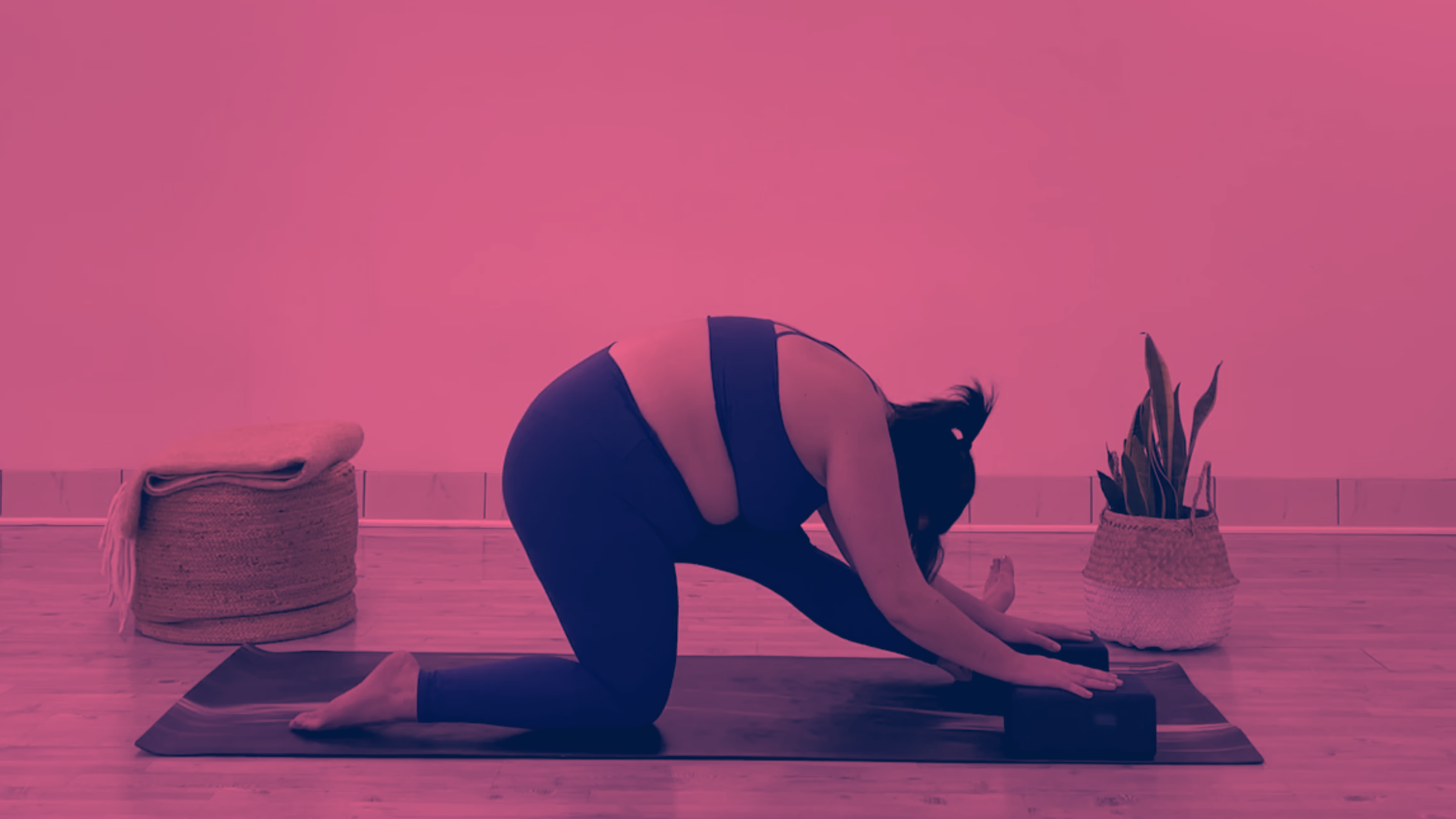
A 15-minute yoga practice is a focused, time-efficient routine that combines physical postures, controlled breathing, and mindful awareness to deliver substantial mental and physical benefits in a fraction of the time required for a traditional full-length class.
In the fast-paced landscape of modern schedules, finding an hour for a dedicated trip to a yoga studio can feel like an insurmountable logistical hurdle. For many individuals, this time barrier leads to an all-or-nothing mindset where a busy day results in zero physical activity. However, exercise science and movement studies consistently demonstrate that movement frequency and consistency matter far more than long, sporadic sessions. A well-structured 15-minute yoga session bridges this gap, offering a pragmatic solution for maintaining flexibility, reducing stress, and building functional strength without demanding a major time investment.
Successfully integrating a 15-minute yoga routine into your day requires more than simply rolling out a mat and moving at random. It involves understanding physiological preparation, selecting the right sequence for your specific goals, maintaining proper biomechanical alignment, and overcoming common psychological hurdles. This comprehensive guide explores the mechanics, variations, structural components, and long-term benefits of practicing short-form yoga.
Understanding the Mechanics of Short-Form Yoga
Traditional yoga classes often span 60 to 90 minutes, allowing ample time for centering, extensive warm-ups, complex peak poses, deep relaxation, and philosophical discussions. Condensing this experience into a 15-minute window requires precision, efficiency, and a clear understanding of physiological priorities.
When time is limited, every minute must serve a distinct purpose. A successful 15-minute practice eliminates extraneous sequencing and focuses directly on multi-joint movements, spinal articulation, and nervous system regulation. Rather than attempting advanced inversions or deep, time-consuming holds, a short practice relies on dynamic flows (such as modified sun salutations) paired with targeted isometric holds to elevate heart rate gently, lubricate joints, and stretch major muscle groups.
Furthermore, short practices leverage the principles of micro-dosing physical activity. Research published in behavioral and health science journals suggests that breaking healthy habits down into smaller, highly manageable units significantly increases long-term adherence. By reducing the friction associated with starting a workout, a 15-minute commitment lowers psychological resistance, making it much easier to establish a sustainable daily habit.
Prerequisites and Essential Setup
Before stepping onto the mat for a 15-minute session, preparing your environment and understanding basic physical boundaries ensures a safe and productive experience. Because the session is short, you do not have time to waste adjusting equipment or searching for props while the clock is ticking.
Setting Up Your Environment
- Space: Clear a quiet area large enough to lie down fully with your arms extended overhead without striking furniture or walls.
- Surface: Use a high-traction, non-slip yoga mat. Avoid practicing on thick carpets that can destabilize standing balances, or slick hardwood floors where hands and feet might slide.
- Distractions: Silence notifications on digital devices and inform household members of your brief window of uninterrupted time.
Physical Preparation and Safety Considerations
Yoga is generally safe for the general population, but structural integrity and self-awareness are vital, especially when warming up quickly. If you have pre-existing cardiovascular conditions, acute musculoskeletal injuries, severe joint instability, or are pregnant, consult a qualified healthcare provider or physical therapist before beginning a new movement regimen.
Always honor your body's signals. Short-form yoga should leave you feeling energized and open, not strained or depleted. Never push through sharp, shooting pain, and modify poses freely by using props such as yoga blocks or folded blankets to support tight hamstrings or sensitive knees.
Structuring Your 15-Minute Routine
To maximize efficiency, a 15-minute yoga session must follow a logical biological progression. Dividing the time into three distinct five-minute phases ensures that your body warms up safely, experiences peak engagement, and winds down effectively before you return to your daily tasks.
- Minutes 0-5: Centering & Warm-Up
- Minutes 5-10: Dynamic Flow & Peak Movement
- Minutes 10-15: Deep Release & Savasana
Phase 1: Centering and Warm-Up (Minutes 0 to 5)
When you only have 15 minutes, you cannot spend 20 minutes resting in child's pose. Begin immediately by bringing awareness to your breath. Take three to five deep, diaphragmatic breaths to transition your nervous system away from the "fight or flight" response.
Transition into gentle spinal articulation movements:
- Cat-Cow Stretch (Marjaryasana-Bitilasana): Move between spinal flexion and extension on your hands and knees to mobilize the vertebrae and warm up the core stabilizers.
- Downward-Facing Dog (Adho Mukha Svanasana): Press hips back to stretch the calves, hamstrings, and shoulders while building upper body engagement. Pedal out the heels gently to ease into the back line of the body.
Phase 2: Dynamic Flow and Peak Movement (Minutes 5 to 10)
This middle phase forms the engine of your practice. It elevates core body temperature, builds muscular endurance, and challenges balance.
Incorporate a modified Sun Salutation sequence (Surya Namaskar) or a standing warrior sequence:
- Move from Downward-Facing Dog to a low lunge, transition into Warrior I (Virabhadrasana I) or Warrior II (Virabhadrasana II), and windmill hands down to step back.
- Hold standing postures for three to five smooth, even breath cycles to build isometric strength in the quadriceps, glutes, and core.
- Integrate gentle spinal twists or side body extensions to ensure multi-planar movement.
Phase 3: Deep Release and Rest (Minutes 10 to 15)
The final third of your practice shifts focus from active exertion back to parasympathetic nervous system activation. This phase is non-negotiable, even in a short routine, as it allows the cardiovascular system to normalize and helps integrate the physical benefits of the practice.
- Seated Forward Fold (Paschimottanasana) or Supine Twist: Hold a gentle, passive stretch to release tension in the lower back and outer hips.
- Corpse Pose (Savasana): Lie flat on your back with legs and arms slightly splayed, palms facing upward. Spend the final two to three minutes letting go of breath control entirely, allowing the body to absorb the session.
Comparing 15-Minute Yoga vs. Full-Length Classes
To understand where a short practice fits into a balanced lifestyle, it helps to compare it directly against traditional, longer sessions across key operational metrics.
| Feature / Metric | 15-Minute Yoga Practice | 60-90 Minute Yoga Class |
|---|---|---|
| Time Commitment | Extremely low; easily embedded into daily routines. | Moderate to high; requires dedicated scheduling and travel. |
| Primary Benefit | High consistency, stress relief, quick physical reset. | Deep skill progression, comprehensive muscular conditioning, extended relaxation. |
| Intensity Level | Targeted, efficient, focused on essentials. | Varied; allows for advanced poses, inversions, and deep philosophical study. |
| Barriers to Entry | Minimal psychological or logistical friction. | Higher planning requirements and potential studio costs. |
| Suitability | Ideal for busy workdays, morning wake-ups, or micro-breaks. | Best for dedicated weekend practice or immersive studio experiences. |
Tailoring Your Practice by Intent
Not all 15-minute sessions should look the same. Depending on the time of day and your physical needs, you can customize your micro-practice to achieve specific physiological and mental outcomes.
Morning Energy Flow
If you practice first thing in the morning, your joints and spine will be stiff from hours of immobility. Focus your 15 minutes on dynamic movements that encourage spinal rotation, hip opening, and chest expansion. Avoid deep, passive holds immediately upon waking, as muscles and connective tissues are cooler and less pliable. Prioritize standing balances and gentle backbends to awaken the nervous system and clear morning grogginess.
Midday Stress Reset
When practicing during a workday break, the primary goal shifts from physical conditioning to mental decompression and postural relief. Desk workers accumulate significant tension in the neck, shoulders, chest, and hip flexors. Structure your session around chest openers, shoulder rolls, gentle neck stretches, and restorative hip openers like Pigeon Pose or Lizard Pose, holding these shapes slightly longer to melt away sitting-induced stiffness.
Evening Wind-Down
An evening 15-minute practice should actively counteract the stimulation of screens and daily stressors. Slow the tempo down significantly. Eliminate rigorous standing flows and focus on floor-based, restorative postures. Forward folds, supine twists, and legs-up-the-wall pose signal to the brain that the day is concluding, helping lower cortisol levels and preparing the body for restorative sleep.
Common Mistakes to Avoid
Even though a 15-minute practice is brief, practicing without mindfulness can lead to diminished returns or unnecessary strain. Watch out for these frequent missteps:
- Skipping the Warm-Up: Jumping straight into deep backbends or intense hamstring stretches without mobilizing the joints first increases the risk of muscle pulls. Always take the first few minutes to move organically.
- Rushing the Breath: Moving mechanically from pose to pose while holding your breath defeats the core meditative purpose of yoga. Let your movement be dictated by the rhythm of your inhales and exhales.
- Chasing Perfection: Trying to force your body into textbook expressions of poses within a tight 15-minute window creates tension rather than releasing it. Use modifications and respect your body's daily limitations.
- Inconsistency: Treating a 15-minute practice as an occasional fallback rather than a reliable habit limits its compounding benefits. Consistency yields far greater cumulative results than intensity.
Frequently Asked Questions
Can 15 minutes of yoga really make a noticeable difference?
Yes. While 15 minutes will not build elite athletic endurance or advanced gymnastic flexibility overnight, it is more than enough time to break up sedentary patterns, lower acute stress markers, lubricate joints, and improve posture. Consistency over weeks and months transforms these micro-sessions into profound cumulative health benefits.
Is it better to practice yoga in the morning or evening?
Neither timing is universally superior; it depends entirely on your personal schedule and goals. Morning practices are ideal for generating energy, improving focus, and setting a mindful tone for the day. Evening practices excel at releasing accumulated physical tension and calming the nervous system for sleep. Choose the time you can maintain most consistently.
Do I need any special equipment to start?
No expensive gear is required. A reliable, non-slip yoga mat is the only essential investment to protect your joints and prevent slipping. Optional props like yoga blocks, a strap, or a rolled-up blanket can be helpful if you have tight hamstrings or restricted mobility, but household items can easily substitute for them.
What if I cannot touch my toes or feel inflexible?
Flexibility is a result of practicing yoga, not a prerequisite for starting. Yoga meets you exactly where your body is today. Utilizing modifications—such as bending your knees generously in forward folds or using blocks under your hands—allows you to receive the full therapeutic benefits of each posture without straining your connective tissues.
Can a 15-minute yoga routine help with back pain caused by sitting?
Yes. Prolonged sitting tightens hip flexors, weakens gluteal muscles, and compresses the lumbar spine. A targeted 15-minute routine that includes spinal extension, gentle hip openers, and core stabilization helps counteract these exact postural imbalances, relieving mild, mechanical back discomfort associated with sedentary habits.
Practical Next Actions
To turn the insights from this guide into a lasting habit, begin by selecting a consistent time slot tomorrow—whether it is right after waking up, during your lunch break, or immediately before winding down for bed. Clear your floor space, lay out your mat, and commit to a focused 15-minute block without distractions. By prioritizing consistency over duration, you will quickly discover that a short, intentional practice is a powerful tool for long-term physical and mental well-being.