Sister, Sister is a seminal American television sitcom that aired from 1994 to 1999, centering on the lives of identical twins separated at birth and reunited by chance as teenagers. The series remains a touchstone of 1990s pop culture, credited with normalizing diverse family structures and launching the careers of Tia and Tamera Mowry, while addressing themes of identity, adolescence, and sisterhood.
The Premise and Narrative Arc
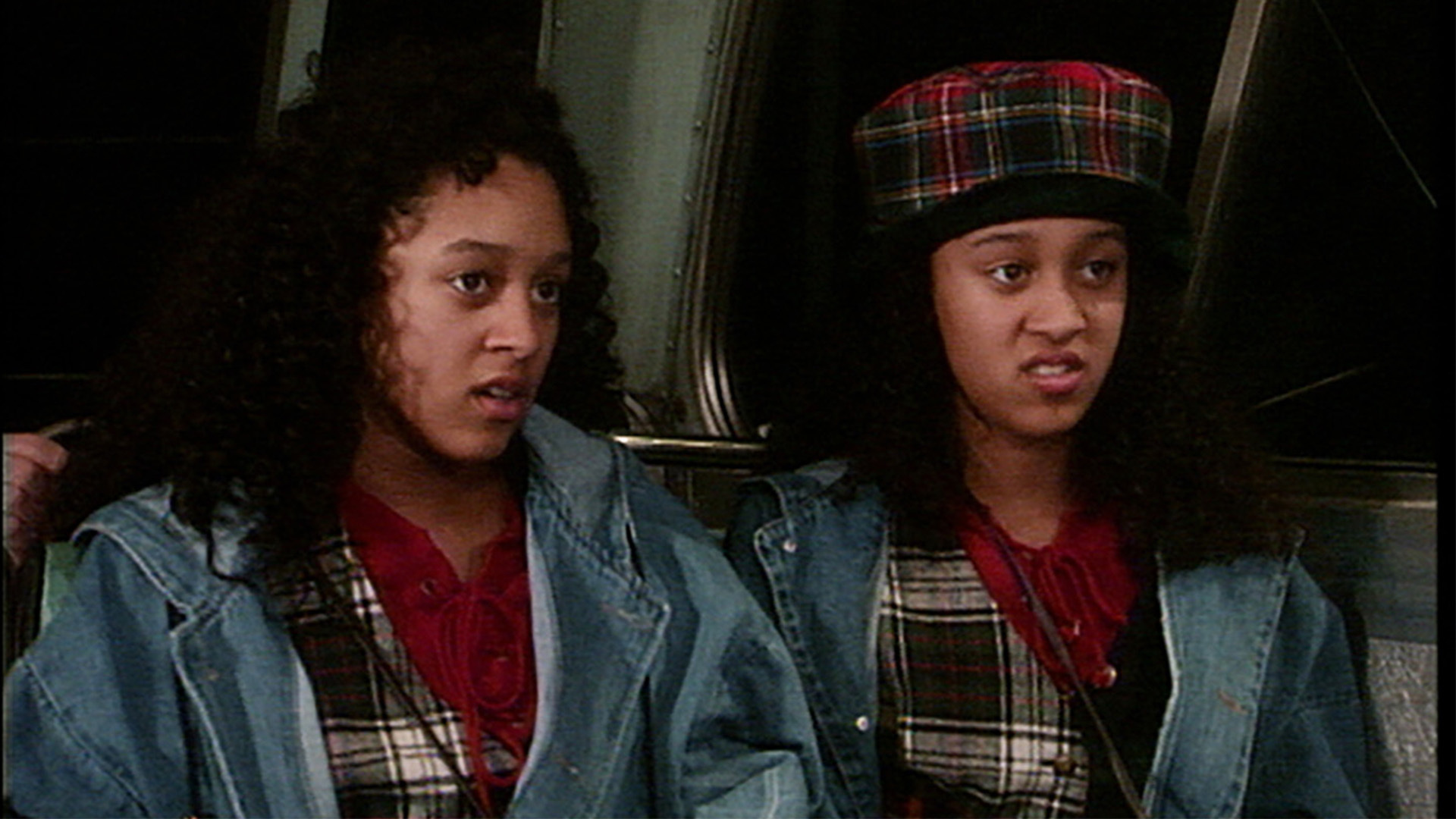
The narrative of Sister, Sister begins with a serendipitous encounter at a clothing store, where Tia Landry and Tamera Campbell, played by real-life twins Tia and Tamera Mowry, discover their shared biological link. Having been separated at birth and adopted by different parents—Tia by a sensible single mother, Lisa Landry, and Tamera by an eccentric widower, Ray Campbell—the girls decide to bring their families together. This premise serves as the catalyst for the show’s central comedic and emotional engine: the blending of two contrasting parenting styles and domestic environments.
The series is defined by its exploration of the "nature versus nurture" debate, framed through the lens of a lighthearted sitcom. While the girls share physical traits and a psychic-like connection, their personalities are distinct. Tia is studious, reserved, and organized, representing the influence of her mother’s disciplined upbringing. Tamera is outgoing, impulsive, and energetic, reflecting the more relaxed atmosphere of the Campbell household. Throughout the series, the writers utilize these differences to facilitate character development, forcing both sisters to step outside their comfort zones as they navigate high school and, eventually, college.
Character Dynamics and Archetypes
The success of Sister, Sister was heavily reliant on its ensemble cast, which grounded the chaotic lives of the twins in relatable, albeit sitcom-heightened, archetypes.
- Tia Landry: Often the voice of reason, Tia’s character trajectory focused on academic excellence and self-discovery. Her narrative arcs frequently involved overcoming social anxiety or balancing her intellectual ambitions with the pressures of teenage social life.
- Tamera Campbell: Tamera provided the comedic relief through her schemes and penchant for trouble. Her storylines often explored the consequences of spontaneity and the search for individuality independent of her twin.
- Lisa Landry: Portrayed by Jackée Harry, Lisa is a fashion designer whose character evolves from a protective, struggling single mother into a successful entrepreneur. Her vibrant personality and unique style provided a stylistic contrast to the suburban backdrop of the show.
- Ray Campbell: Played by Tim Reid, Ray is the stoic, successful limousine company owner. His relationship with Lisa Landry provided the "will-they-won't-they" tension that spanned several seasons, serving as the adult romantic arc of the show.
- Roger Evans: A cornerstone of the series’ humor, Roger was the twins' persistent and often uninvited neighbor. His character arc—transitioning from an annoyance the sisters constantly tried to banish to a genuine friend—is one of the show's most enduring running gags.
Cultural Significance in the 1990s
Sister, Sister occupies a significant space in the landscape of 1990s television, specifically regarding the representation of Black families. Unlike many sitcoms of the era that focused on urban settings, Sister, Sister depicted a middle-class, suburban Black experience. This allowed for a shift in focus toward the universal challenges of adolescence rather than strictly socioeconomic ones.
Furthermore, the show was a pioneer in the "tween" and teenage market. By featuring two Black female leads who were actively involved in their own problem-solving, the show provided a template for young viewers to see their own struggles with identity, friendship, and family loyalty represented on screen. It avoided the "very special episode" trap for the most part, opting instead to weave moral lessons into the daily lives of its characters, which resonated deeply with its target demographic.
Technical and Production History
The series underwent significant shifts during its transition from ABC to The WB in 1995. This move allowed the show to mature alongside its lead actresses. In the early seasons, the focus was squarely on the domestic hijinks involving the parents and the girls' shared house. As the sisters transitioned into young adulthood, the show shifted its setting to college life, which allowed the writers to introduce new conflicts—such as dorm living, independent finances, and early career aspirations.
From a production standpoint, the show utilized a standard multi-camera setup typical of 90s sitcoms, but it was technologically significant for its time in how it handled the visual effects of having one actor play two characters. While the Mowry twins were real, the "twin effect" required precise choreography, lighting, and camera work to maintain the illusion of seamless interaction. As the series progressed, the quality of these shots improved significantly, moving from simple split-screens to more complex interactions involving props and movement.
Comparative Analysis of Television Sitcoms
To understand where Sister, Sister fits within the broader television landscape, it is helpful to compare it to contemporary programs that featured similar themes or demographics.
| Feature | Sister, Sister | The Parent 'Hood | Moesha |
|---|---|---|---|
| Primary Setting | Suburban House/College | Suburban House | Urban City |
| Family Structure | Blended/Adopted Twins | Nuclear | Single-Parent |
| Focus | Identity/Sibling Bond | Parenting/Values | Coming-of-Age/Romance |
| Network Era | ABC to The WB | The WB | UPN |
Sister, Sister distinguishes itself through the specific focus on the sibling dynamic. While other shows focused on the parent-child relationship or romantic development, the core of this series was always the bond between Tia and Tamera. This focus allowed the show to maintain a consistent emotional through-line that survived the transition from childhood to adulthood.
The Legacy of the Twins and the Show
As of 2026, Sister, Sister is frequently cited in discussions regarding the "reboot era" of television. The series has found a second life through digital streaming platforms, where a new generation of viewers has discovered the charm of the 90s aesthetic and the timeless nature of the sisters' bond. The enduring popularity of the show has also bolstered the personal brands of Tia and Tamera Mowry, who have successfully parlayed their childhood fame into individual careers in lifestyle, cooking, and acting.
The show is also often discussed in academic circles regarding its role in the "Golden Age" of Black sitcoms. It helped establish a platform for Black actors and creators to tell stories that were both culturally specific and commercially viable for a broad, mainstream audience. By successfully bridging the gap between niche programming and general-audience appeal, Sister, Sister provided a blueprint that many later teen-oriented shows would follow.
FAQ: Common Questions About the Series
1. Was the show filmed with two real sisters? Yes, Tia and Tamera Mowry are identical twins. Their real-life relationship and chemistry provided the foundation for the show's authentic portrayal of sisterhood, which was a primary driver of the series' longevity.
2. Why did the show switch networks from ABC to The WB? The move occurred after the show was canceled by ABC in 1995. The WB, which was a new network at the time, picked up the series to bolster its fledgling lineup, providing the show with an opportunity to grow its audience and continue for several more seasons.
3. What were the most significant challenges in filming? The primary technical challenge was the "twin effect." Because the actresses were playing two distinct roles, they often had to film scenes twice, using stand-ins for the second twin. This required an immense amount of precision in terms of acting and timing to make the interactions look natural on camera.
4. Is the show considered a classic of the 90s? Yes. Sister, Sister is widely regarded as a defining sitcom of the 1990s. Its influence on teen television and its depiction of modern, non-traditional families have solidified its status in pop culture history.
5. How did the tone of the show change over time? The tone evolved from a lighthearted, premise-driven comedy focused on high school and home life to a more mature sitcom that explored the complexities of college, early independence, and the changing dynamics of the relationships between the parents and the twins.
Final Recommendations for Viewers
If you are planning to revisit or watch Sister, Sister for the first time in 2026, it is best to view the series as a historical document of the mid-90s. The fashion, slang, and cultural references are highly specific to the era, which contributes to its nostalgic appeal.
For the best experience, start from the pilot episode. The early episodes establish the "rules" of the world and the personality differences between Tia and Tamera that become crucial as the characters develop. Do not expect modern-day pacing; allow yourself to settle into the traditional three-camera sitcom rhythm. The show shines brightest in the episodes where the writers lean into the absurdity of the "twin hijinks" while maintaining the heart that made the Mowry sisters such compelling leads.