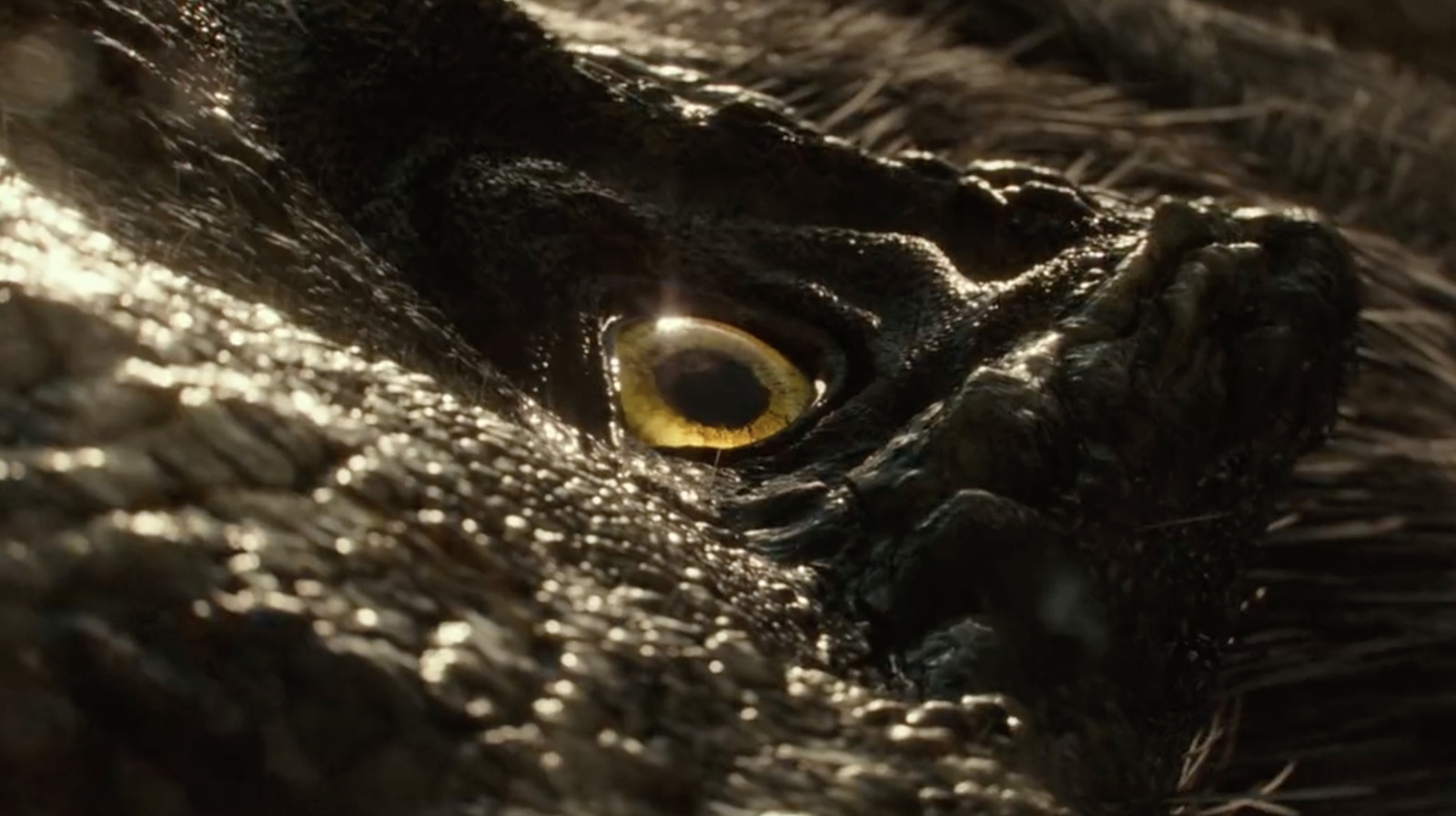
The Jurassic World Dominion Prologue is a five-minute standalone short film that serves as a narrative bridge between the prehistoric past and the modern-day events of the third film in the trilogy. It features the first cinematic depiction of a feathered Tyrannosaurus rex during the Cretaceous period, a fatal battle with a Giganotosaurus, and a modern sequence where the cloned T-Rex (Rexy) terrorizes a drive-in theater.
Released initially as an IMAX-exclusive preview and later as a digital short, the Prologue was designed to provide the "origin story" for the DNA that John Hammond’s scientists would eventually recover from a mosquito. As of 2026, it remains a pivotal piece of the franchise’s lore, included in the Extended Edition of the film to clarify the rivalry between the T-Rex and the Giganotosaurus.
The Narrative Structure of the Prologue
The Prologue is divided into two distinct halves: the prehistoric sequence set 65 million years ago and the modern-day sequence set in the Pacific Northwest. Director Colin Trevorrow intended these scenes to contrast the natural world of the dinosaurs with the chaotic reality of their reintroduction to the modern human environment.
In the first half, the camera moves through a series of vignettes showing various dinosaur species in their natural habitats. This segment is notable for its lack of dialogue, relying entirely on visual storytelling and Michael Giacchino’s atmospheric score. The second half shifts abruptly to a contemporary setting, picking up after the events of Jurassic World: Fallen Kingdom, where the dinosaurs have escaped into the wild.
The Prehistoric T-Rex: Design and Scientific Accuracy
One of the most significant aspects of the Prologue is the visual representation of the Tyrannosaurus rex. Unlike the "Rexy" model seen in the previous five films, the T-Rex in the Cretaceous sequence features proto-feathers on its neck and back.
Visual Fidelity and Evolutionary Context
This design choice was a direct response to years of paleontological discovery suggesting that many theropods possessed some form of integumentary structures. By showing a feathered T-Rex in the past, the filmmakers established that the "scaly" appearance of the cloned dinosaurs in the park was a result of the genetic splicing (often using frog DNA) described in the original Jurassic Park.
The prehistoric T-Rex is depicted as a powerful apex predator, but it is not shown as an invincible monster. Instead, it is portrayed as a part of a larger ecosystem, coexisting—and eventually clashing—with other massive creatures of the era.
Species Featured in the Cretaceous Sequence
The Prologue showcases several species that were new to the franchise at the time of its release:
- Dreadnoughtus: A massive titanosaurian sauropod shown wading through water.
- Quetzalcoatlus: A giant pterosaur seen scavenging on the ground.
- Oviraptor: Depicted in a cave, showcasing more bird-like behaviors and feathers.
- Nasutoceratops: A ceratopsian seen grazing in a herd.
- Moros intrepidus: A small, feathered tyrannosauroid that is seen cleaning the teeth of a Giganotosaurus.
- Iguanodon: Briefly seen before the climactic fight begins.
The Fatal Rivalry: T-Rex vs. Giganotosaurus
The centerpiece of the prehistoric segment is the confrontation between the T-Rex and the Giganotosaurus. This scene was controversial among some fans due to its historical inaccuracy (the two species lived on different continents and were separated by millions of years), but it serves a vital narrative purpose for Jurassic World Dominion.
The Battle Dynamics
The fight begins over a carcass. The Giganotosaurus, which is physically larger and more robust than the T-Rex, dominates the encounter. The struggle is brief but brutal, concluding with the Giganotosaurus snapping the neck of the T-Rex.
This loss established the Giganotosaurus as the "Giga-villain" of the film. The T-Rex falls into a riverbed, and as it dies, a mosquito lands on its snout to drink its blood. This specific mosquito is then shown getting trapped in tree resin, effectively creating the "patient zero" moment for the entire Jurassic saga’s genetic engineering timeline.
Modern Day: The Drive-In Theater Incident
The Prologue transitions sharply from the amber-encased mosquito to the modern day, where a helicopter is seen flying over a forest on the Oregon/California border. This segment brings the T-Rex (specifically the clone "Rexy") back into the spotlight as she is hunted by wildlife authorities.
Chaos at the Skyline Drive-In
Rexy wanders into a crowded Skyline Drive-In theater during a double feature of American Graffiti and Flashback. The scene is designed to evoke classic 1950s monster movie tropes. As the T-Rex moves through the rows of cars, the audience shifts from amusement to sheer terror.
Key details in this scene include:
- The Helicopter Interaction: A Department of Fish and Wildlife helicopter attempts to tranquilize Rexy, but she escapes into the woods, causing significant property damage but no on-screen human casualties in this specific segment.
- The Scale: The scene emphasizes just how out of place these prehistoric animals are in a suburban setting. The sight of a T-Rex silhouetted against a movie screen remains one of the most iconic images of the Dominion era.
Technical Specifications and Production Details
The production of the Prologue was handled by Industrial Light & Magic (ILM), using the most advanced CGI techniques available during the early 2020s. Because the sequence was intended for IMAX, the level of detail on the dinosaur skin, feathers, and environments was significantly higher than standard television productions.
| Feature | Prehistoric T-Rex (Cretaceous) | Modern T-Rex (Rexy Clone) |
|---|---|---|
| Appearance | Feathered (neck/back), natural colors | Scaly, scarred (from 1993/2015) |
| Behavior | Natural apex predator, territorial | Displaced, confused, scavenger/hunter |
| Status | Wild ancestor, deceased in battle | Cloned survivor, escaped into wild |
| Narrative Role | Establishes genetic origin | Represents modern biological crisis |
| Visual Design | New model for Dominion | Based on the original 1993 Stan Winston design |
The Role of the Prologue in the Extended Version
When Jurassic World Dominion was originally released in theaters in 2022, the Prologue was notably absent. Director Colin Trevorrow expressed that cutting the sequence was a difficult decision necessitated by the film's runtime. However, the Extended Edition (which has become the definitive version of the film as of 2026) restores the Prologue as the opening sequence.
Restoring the Prologue fixes several narrative issues in the theatrical cut:
- The Rivalry: Without the Prologue, the final battle between the T-Rex, Therizinosaurus, and Giganotosaurus lacks emotional stakes. The Prologue gives Rexy a "vengeance" arc, even if she is only a clone of the original dinosaur.
- The Mosquito: It provides a visual bookend to the franchise, returning to the amber origin story that started in 1993.
- The Tone: The Prologue sets a more serious, "nature-documentary" tone that contrasts with the globetrotting spy-thriller elements of the later film.
Common Misconceptions About the Prologue
Since its release, several misconceptions have circulated regarding the facts of the Prologue. It is important to clarify these points for a full understanding of the canon.
Was the T-Rex in the past "Rexy"?
No. The T-Rex seen in the Cretaceous sequence is a distant ancestor. The "Rexy" we see in the drive-in and the main film is a clone created by InGen in the late 1980s. However, the film implies that Rexy is a clone of the specific T-Rex killed by the Giganotosaurus, hence the "rematch" at the end of the movie.
Is the Giganotosaurus historically accurate?
While the Giganotosaurus was a real dinosaur from South America (specifically Argentina), the version in the film is highly stylized. It features a "humped" back and crocodilian scutes that were added for visual distinction. Furthermore, Giganotosaurus lived roughly 30 million years before the Tyrannosaurus rex existed, making their fight a fictional "clash of the titans" rather than a historical event.
Why does the Oviraptor have feathers but the T-Rex only has a few?
The filmmakers chose to vary the amount of plumage based on the size and habitat of the dinosaurs. Smaller dinosaurs like Moros and Oviraptor are fully feathered, while the T-Rex only has "display feathers." This reflects a common paleontological theory that larger dinosaurs might have shed feathers to avoid overheating (thermoregulation).
Frequently Asked Questions
Where can I watch the Jurassic World Dominion Prologue?
The Prologue is available as the opening five minutes of the Jurassic World Dominion: Extended Edition. It is also available as a standalone short on various official YouTube channels and as a bonus feature on the 4K UHD and Blu-ray releases.
Why was the Prologue cut from the theatrical release?
The theatrical version of Dominion was already nearly 2 hours and 30 minutes long. The studio felt that the Prologue, while visually stunning, slowed down the introduction of the human characters (Owen Grady and Claire Dearing). In hindsight, many critics and fans believe the cut was a mistake, as it removed the necessary context for the Giganotosaurus’s role.
Does the Prologue explain how dinosaurs are everywhere in the movie?
Yes. The drive-in scene illustrates that dinosaurs have moved from the remote Isla Nublar into populated areas of the United States. It sets the stakes for the "Biosyn" plotline, where the government and private corporations struggle to manage the ecological impact of prehistoric animals in the 21st century.
Is the Prologue considered canon to the Jurassic Park timeline?
Yes, it is officially part of the Jurassic World canon. It serves as the definitive origin of the DNA sample used to create the T-Rex. Even though it portrays events that occurred 65 million years ago, it is the foundational event for the 1993 film's premise.
What happened to the T-Rex at the end of the drive-in scene?
In the Prologue, Rexy escapes into the forest. The story continues in the main film, where we learn that she has been eluding capture for several years before eventually being lured to the Biosyn Sanctuary in Italy.
Final Summary and Recommendation
The Jurassic World Dominion Prologue is more than just a deleted scene; it is a vital piece of world-building that adds depth to the T-Rex’s legacy. For the best experience, viewers should prioritize watching the Extended Edition of the film, which integrates this sequence seamlessly. The contrast between the feathered, naturalistic world of the Cretaceous and the high-octane chaos of the drive-in theater perfectly encapsulates the central theme of the franchise: the danger and wonder of bringing the past into the present.
If you are a fan of the franchise's lore, pay close attention to the Moros intrepidus in the prehistoric scene—its presence as a "cleaner" for the Giganotosaurus is a rare cinematic look at inter-species cooperation among dinosaurs. For those interested in the technical side, the Prologue represents some of the finest digital creature work ever produced by ILM, particularly in how they rendered the movement of proto-feathers in the wind and rain.