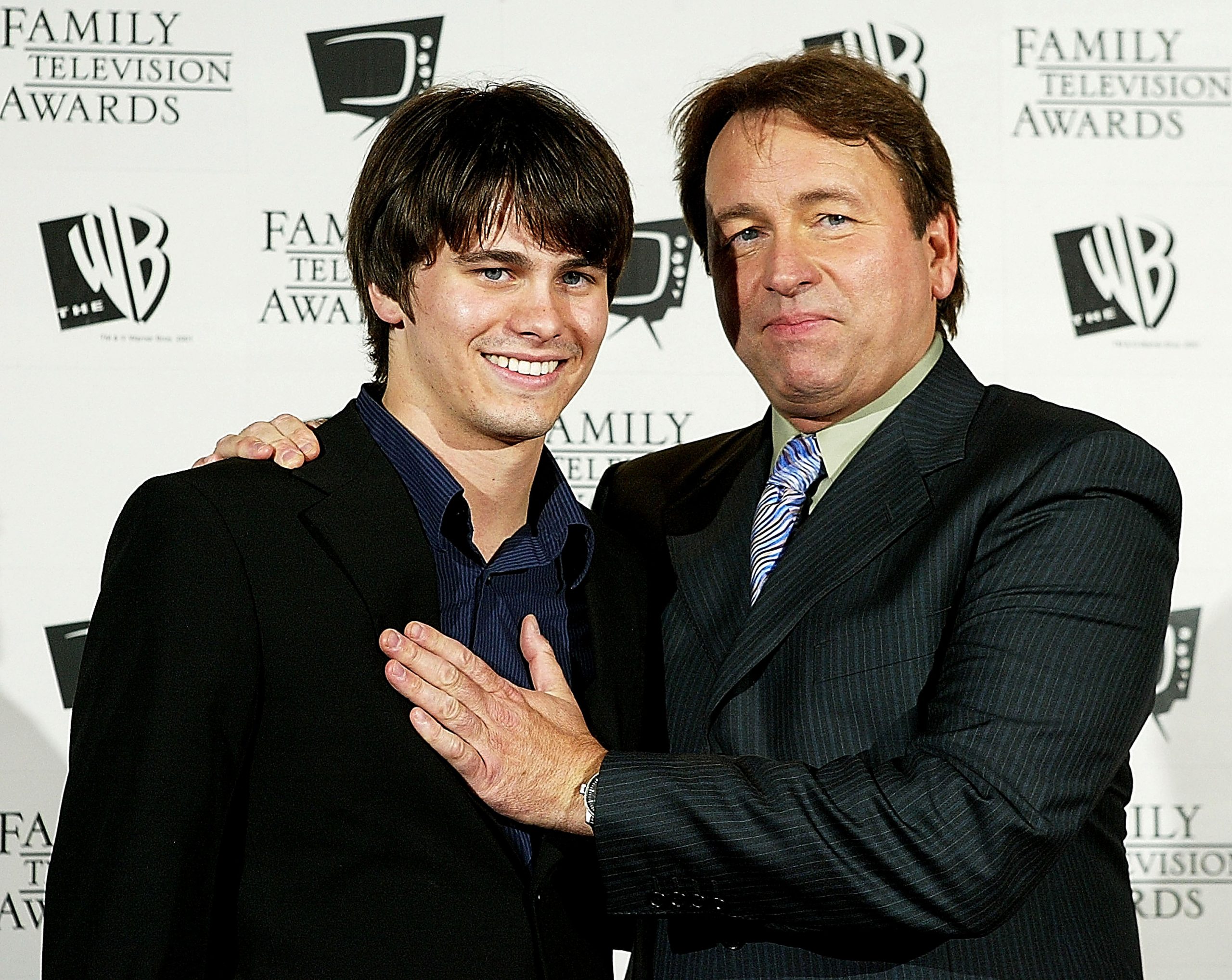
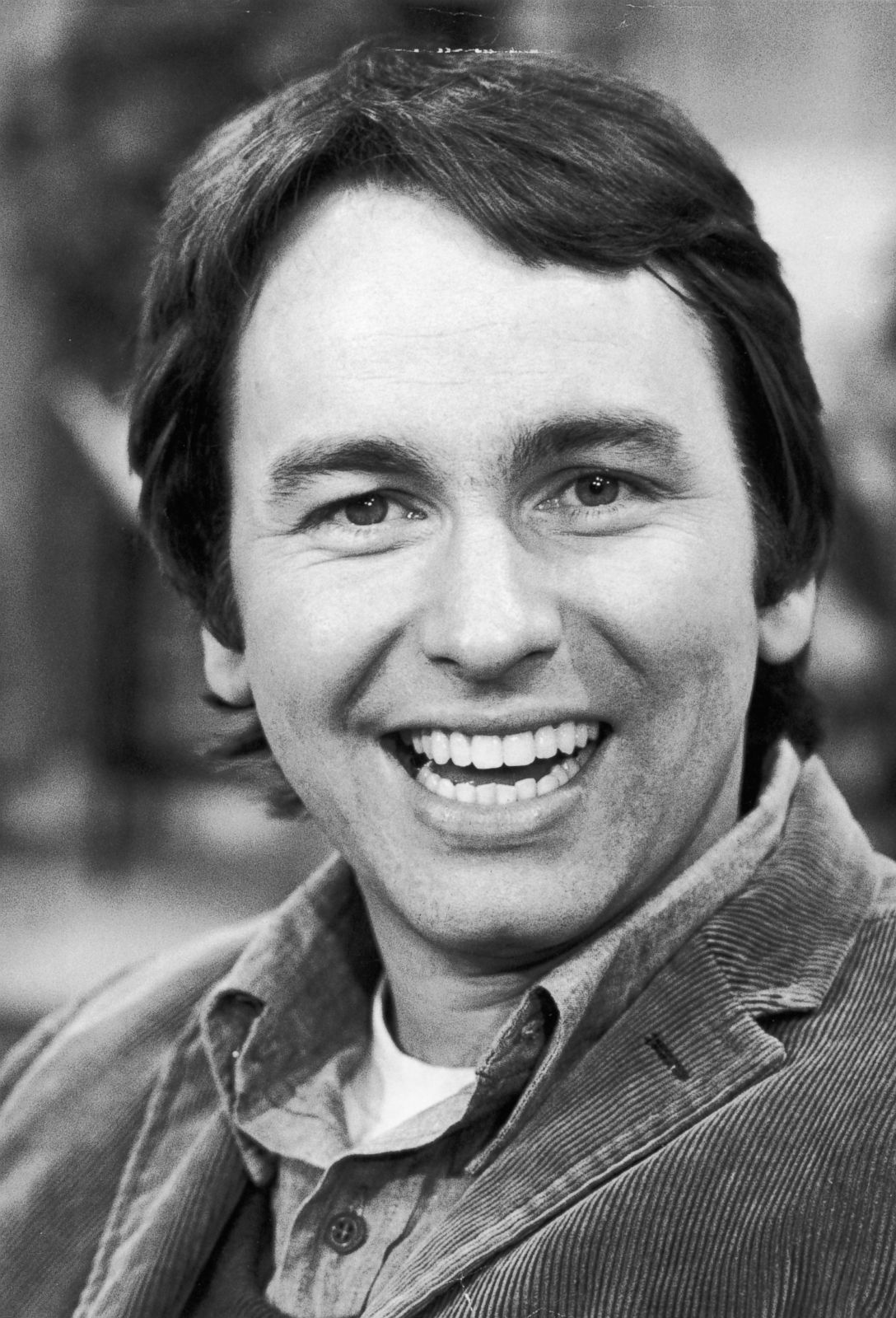
John Ritter died on September 11, 2003, at the age of 54. The beloved actor passed away at Providence Saint Joseph Medical Center in Burbank, California, after suffering an aortic dissection. While initially treated for a heart attack, the true cause was a tear in the wall of the aorta, the body’s primary artery.
The Circumstances of September 11, 2003
The events leading to John Ritter’s death were sudden and occurred during a period of high professional activity. In 2003, Ritter was starring in the hit ABC sitcom 8 Simple Rules for Dating My Teenage Daughter. On the afternoon of September 11, he was on set at the Disney Studios in Burbank, rehearsing for the show's second season.
Witnesses reported that Ritter began experiencing heavy perspiration, nausea, and intense chest pain. Given the proximity of the studio to Providence Saint Joseph Medical Center, he was quickly transported across the street for emergency care. Because his symptoms mimicked those of a myocardial infarction (heart attack), medical staff initially focused on cardiac protocols.
Ritter’s condition deteriorated rapidly while in the hospital. Despite emergency surgery once the true nature of the issue—a thoracic aortic dissection—was identified, he was pronounced dead at 10:48 p.m. local time. His death occurred just six days before his 55th birthday and on the second anniversary of the 9/11 terrorist attacks, a coincidence that added to the public's shock and grief.
Understanding Aortic Dissection: The Cause of Death
To understand why John Ritter died at such a relatively young age, it is necessary to examine the pathology of an aortic dissection. This condition occurs when the inner layer of the aorta tears. Blood then surges through the tear, causing the inner and middle layers of the aorta to separate (dissect). If the blood goes through the outside aortic wall, the condition is often fatal.
The "Great Masquerader"
Aortic dissection is frequently referred to in medical literature as "the great masquerader" because its symptoms are almost identical to those of a heart attack, stroke, or even a gallbladder attack. In Ritter's case, the misdiagnosis was a central point of subsequent legal and medical discussion.
When a patient presents with chest pain, the standard emergency room protocol is to rule out a heart attack. However, the treatments for a heart attack—such as blood thinners or thrombolytics—can be catastrophic for a patient with a dissection, as they increase the likelihood of internal bleeding and prevent the blood from clotting at the site of the tear.
Stanford Classification
Medical professionals categorize dissections into two types:
- Type A: Involves the ascending aorta (the part exiting the heart). This is the most common and dangerous type, requiring immediate surgery. John Ritter suffered from a Type A dissection.
- Type B: Involves the descending aorta. This may sometimes be managed with medication and monitoring, though surgery is still often required.
The Legal Aftermath and Medical Malpractice Suit
Following his death, Ritter’s widow, actress Amy Yasbeck, filed a wrongful death lawsuit against the doctors involved in his care at Providence Saint Joseph Medical Center. The lawsuit sought $67 million in damages, alleging that the physicians failed to properly diagnose the condition and that an earlier CT scan or different diagnostic approach would have saved his life.
The defense argued that Ritter’s symptoms were so consistent with a heart attack that the doctors acted reasonably under the circumstances. They also contended that the dissection was so severe that even an earlier diagnosis might not have resulted in a different outcome.
In 2008, a jury returned a verdict in favor of the doctors, clearing them of negligence. However, prior to the trial, several other defendants, including the hospital itself, reached settlements with the Ritter family totaling more than $14 million. This legal battle highlighted the critical need for increased medical awareness regarding thoracic aortic diseases.
Comparing Aortic Dissection and Heart Attacks
Because misdiagnosis was a factor in the timeline of Ritter's death, it is helpful to compare these two cardiac emergencies.
| Feature | Myocardial Infarction (Heart Attack) | Aortic Dissection |
|---|---|---|
| Primary Cause | Blockage of blood flow to the heart muscle. | A tear in the wall of the body's main artery. |
| Pain Description | Pressure, tightness, or "elephant on the chest." | Sudden, "tearing," or "ripping" sensation. |
| Pain Radiation | Often moves to the left arm, jaw, or neck. | Often moves to the back or between shoulder blades. |
| Blood Pressure | Can be high or low. | May show a significant difference between the left and right arms. |
| Diagnosis Tool | EKG and Troponin blood tests. | CT Scan, MRI, or Transesophageal Echocardiogram (TEE). |
| Emergency Risk | Muscle death; potential cardiac arrest. | Rapid internal bleeding; organ failure; sudden death. |
The Legacy of the John Ritter Foundation
In the years following his death, Amy Yasbeck established the John Ritter Foundation for Aortic Health. The foundation’s primary mission is to raise awareness about the risks, symptoms, and genetic components of aortic dissection.
One of the most significant contributions of the foundation is the creation of the "Ritter Rules." These are life-saving reminders for both the public and medical professionals to prevent similar tragedies.
The Ritter Rules for Aortic Health
- Urgency: Thoracic aortic dissection is a medical emergency. The survival rate drops by 1% for every hour the condition remains undiagnosed.
- Pain is a Symptom: The pain is usually sudden, intense, and may feel like something is ripping or tearing.
- Misdiagnosis: Aortic dissection is often mistaken for a heart attack. If an EKG does not clearly show a heart attack, medical staff should consider a dissection.
- Imaging is Key: A standard X-ray cannot always rule out a dissection. A CT scan, MRI, or TEE is necessary for a definitive diagnosis.
- Genetic Predisposition: Aortic aneurysms and dissections often run in families. If a first-degree relative has had one, family members should undergo screening.
- Triggers: Certain activities (like heavy weightlifting) or conditions (like uncontrolled high blood pressure) can trigger a dissection in those already at risk.
Genetic Factors and Family History
A critical fact that emerged after Ritter’s death was the role of genetics. It was later discovered that John Ritter's father, the legendary country singer and actor Tex Ritter, had also died of what was likely a heart-related issue, though the specifics were less clear in 1974.
Research has since identified specific genetic mutations, such as those affecting the ACTA2 gene, which predispose individuals to thoracic aortic aneurysms and dissections (TAAD). Because of the work of the John Ritter Foundation and researchers like Dr. Dianna Milewicz at UTHealth Houston, many families have been screened and identified as "at-risk," allowing for elective, life-saving surgical repairs of the aorta before a dissection occurs.
Cultural Impact and Career Retrospective
John Ritter’s death at 54 was a significant loss to the entertainment industry. He was a versatile actor who moved seamlessly between physical comedy and dramatic roles.
Three's Company (1977–1984)
Ritter became a household name playing Jack Tripper. His mastery of slapstick and "double-take" comedy earned him an Emmy Award and a Golden Globe. The show was a cultural phenomenon that defined 1970s and early 80s television.
Later Career and 8 Simple Rules
At the time of his death, Ritter was undergoing a career renaissance. 8 Simple Rules was a centerpiece of ABC's comedy lineup. Following his death, the show took an unprecedented path by incorporating the death of his character, Paul Hennessy, into the storyline. The episode "Goodbye," which addressed the character's death, remains one of the most emotional moments in sitcom history, as the grief displayed by the cast (including Katey Sagal and Kaley Cuoco) was largely genuine.
FAQs About John Ritter’s Death
How old would John Ritter be today?
As of 2026, John Ritter would have been 77 years old. He was born on September 17, 1948.
Was John Ritter’s death preventable?
From a medical perspective, many aortic dissections are preventable if the underlying aneurysm is detected early through screening. In the acute phase (the night he died), the argument made by his family was that a correct and timely diagnosis could have led to a successful surgical intervention.
What were John Ritter’s last words?
While there is no official record of his "last words," those on the set of 8 Simple Rules noted that he was concerned about his health and told the crew he felt ill. His final public appearances were captured in the footage of the rehearsals for the show's second season.
Where is John Ritter buried?
John Ritter is interred at Forest Lawn Memorial Park in the Hollywood Hills, Los Angeles. This cemetery is the final resting place for many prominent figures in the entertainment industry.
Did John Ritter have any underlying health conditions?
Prior to the night of his death, Ritter was generally considered to be in good health. He did not have a known history of heart disease, which contributed to the shock of his sudden collapse. However, he likely had an undiagnosed aortic aneurysm that eventually led to the dissection.
Summary of Key Facts
- Date of Death: September 11, 2003.
- Age at Death: 54 years old.
- Primary Cause: Type A Aortic Dissection.
- Location: Providence Saint Joseph Medical Center, Burbank, CA.
- Legacy: The John Ritter Foundation for Aortic Health.
Next Steps for Health Awareness
If you have a family history of sudden cardiac death, thoracic aneurysms, or bicuspid aortic valves, it is vital to consult with a cardiovascular specialist. Unlike standard heart disease, aortic issues often do not present with high cholesterol or typical cardiac markers. Advanced imaging and genetic counseling are the primary tools for prevention. Understanding the "Ritter Rules" can help you or a loved one advocate for the correct diagnostic tests in an emergency room setting, ensuring that "the great masquerader" is identified before it is too late.
Mayo Clinic: Aortic Dissection Symptoms and Causes The John Ritter Foundation for Aortic Health National Institutes of Health: Thoracic Aortic Aneurysms and Dissections