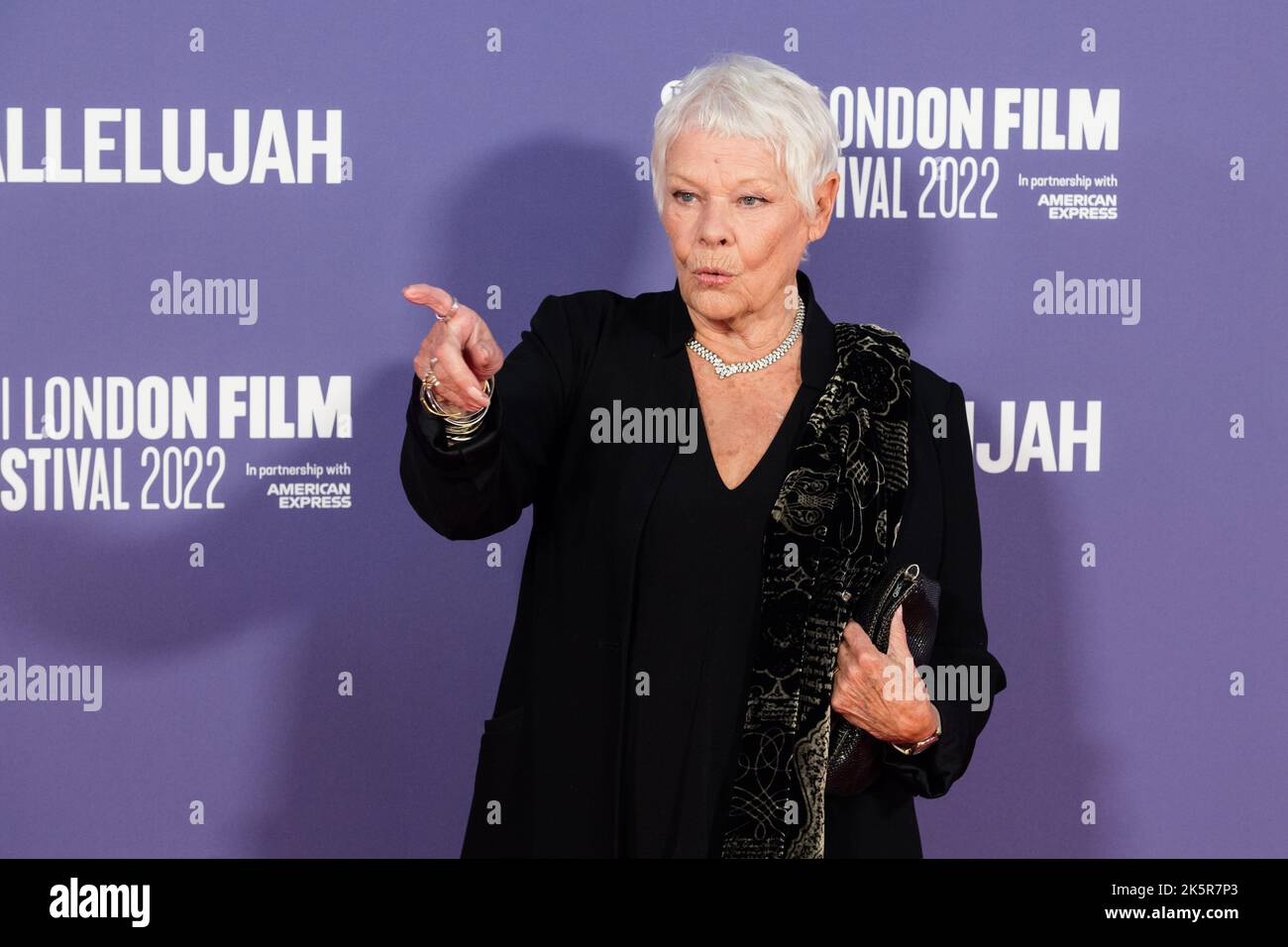
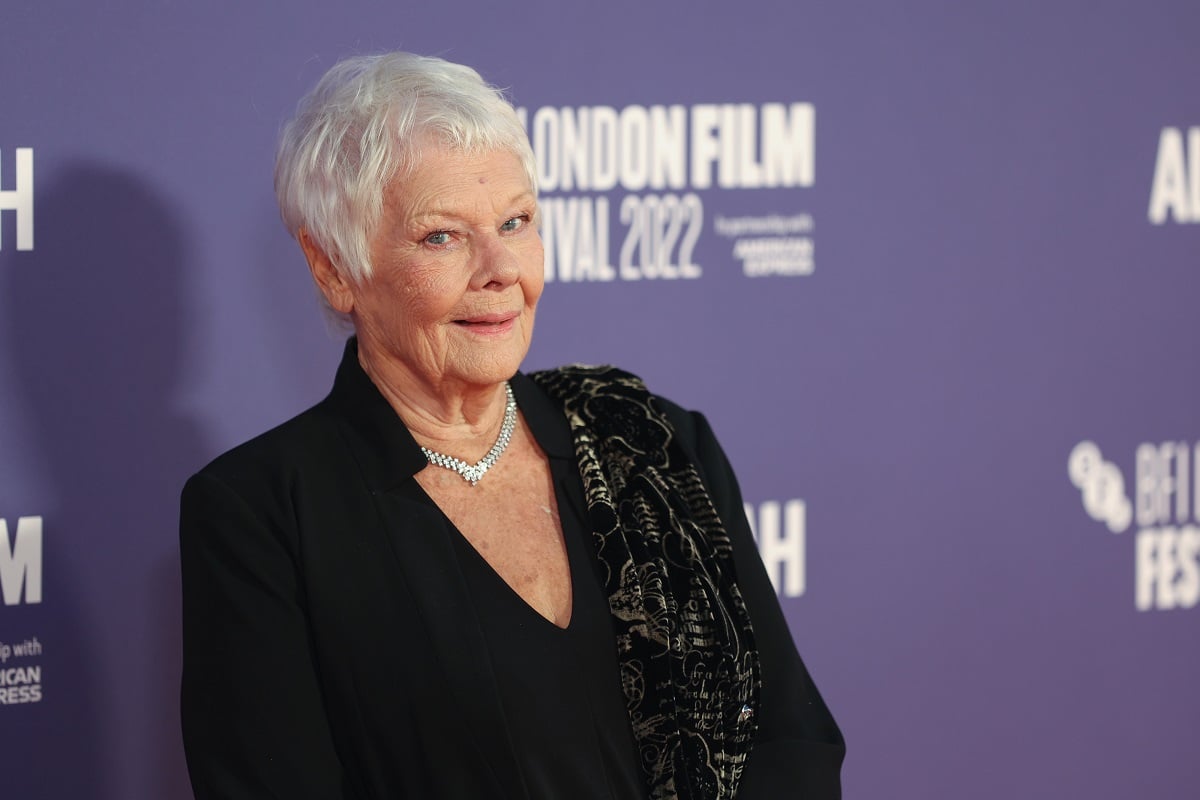
Dame Judi Dench’s filmography spans over six decades, featuring legendary performances in the James Bond franchise as M, Oscar-winning turns in Shakespeare in Love, and acclaimed roles in Mrs. Brown, Notes on a Scandal, and Philomena. This guide explores her complete cinematic evolution, highlighting her versatility across Shakespearean drama, comedy, and blockbuster action.
The Early Cinema and Stage-to-Screen Transitions
While Judi Dench is now recognized as a global cinematic icon, her early career was defined primarily by her dominance on the British stage. For the first thirty years of her professional life, film was often secondary to her work with the Royal Shakespeare Company and the National Theatre. However, her early film roles provided a glimpse of the gravitas she would later bring to Hollywood.
In the 1960s, Dench appeared in films such as The Third Secret (1964) and A Study in Terror (1965). These roles were often supporting parts, but they allowed her to translate her precise theatrical diction to the screen. It was not until the 1980s that she began to gain significant momentum in cinema. Her performance as Eleanor Lavish in the Merchant Ivory production of A Room with a View (1985) remains a standout of this era. In this film, she showcased her ability to play eccentric, sharp-tongued characters with a blend of humor and underlying steel—a trait that would become a hallmark of her most famous roles.
During this period, she also collaborated frequently with Kenneth Branagh. Her involvement in his 1989 adaptation of Henry V as Mistress Quickly signaled a fruitful partnership that would continue for decades. By the early 1990s, Dench was a household name in the United Kingdom due to her work in television sitcoms like As Time Goes By, but the international film community was only beginning to realize her full potential.
The 1990s Global Renaissance and the Academy’s Recognition
The mid-to-late 1990s marked a radical shift in Dench’s career trajectory. At an age when many actors see their opportunities diminish, Dench became a certified global superstar. This "renaissance" began in earnest with her portrayal of Queen Victoria in Mrs. Brown (1997). The film explored the unconventional relationship between the grieving monarch and her servant John Brown (played by Billy Connolly). Dench’s performance was a masterclass in subtlety, earning her a BAFTA Award and her first Academy Award nomination for Best Actress.
Immediately following this success, she delivered one of the most efficient performances in cinematic history in Shakespeare in Love (1998). Portraying Queen Elizabeth I, Dench appeared on screen for approximately eight minutes. Despite the limited screen time, her commanding presence was so undeniable that it earned her the Academy Award for Best Supporting Actress. This win solidified her status as "acting royalty" and ensured that she would be a first-choice lead for prestige dramas for the next twenty-five years.
This era also saw her exploring more diverse genres. In Tea with Mussolini (1999), directed by Franco Zeffirelli, she joined an ensemble of legendary actresses including Maggie Smith and Joan Plowright. The film highlighted her ability to thrive in ensemble pieces, bringing a grounded, emotional core to historical narratives.
Redefining an Icon: Judi Dench as "M" in James Bond
Perhaps no role brought Dame Judi Dench more commercial recognition than her tenure as M, the head of the British Secret Intelligence Service (MI6), in the James Bond franchise. Casting a woman in a role previously occupied by male actors like Bernard Lee was a revolutionary move for the series in 1995.
Dench debuted as M in GoldenEye, famously labeling Pierce Brosnan’s Bond a "sexist, misogynist dinosaur, a relic of the Cold War." This interaction set the tone for her version of the character: she was professional, unsentimental, and intellectually superior. Unlike her predecessors, Dench’s M evolved from a stern bureaucratic figure into a maternal, albeit complicated, mentor.
Her tenure lasted through seven films and two Bond actors:
- The Pierce Brosnan Era: GoldenEye (1995), Tomorrow Never Dies (1997), The World Is Not Enough (1999), and Die Another Day (2002).
- The Daniel Craig Era: Casino Royale (2006), Quantum of Solace (2008), and Skyfall (2012).
The relationship between Dench’s M and Daniel Craig’s Bond reached its emotional zenith in Skyfall. The film served as a swan song for her character, placing M at the very center of the plot. By the time of her character’s death in the film, Dench had successfully humanized the archetype of the "spymaster," making M's loss deeply felt by audiences worldwide. She also made a brief, impactful cameo via video message in Spectre (2015), effectively concluding her twenty-year association with the franchise.
Masterclasses in Character: Notes on a Scandal and Iris
As the 2000s progressed, Dench continued to seek out challenging, often morally ambiguous roles. Two of her most significant works during this decade were Iris (2001) and Notes on a Scandal (2006).
In Iris, she shared the role of novelist Iris Murdoch with Kate Winslet. Dench played the older Murdoch as she descended into the fog of Alzheimer’s disease. The performance was lauded for its heartbreaking realism and lack of sentimentality. It earned her another Academy Award nomination and demonstrated her willingness to tackle the vulnerabilities of aging on screen.
However, it was Notes on a Scandal that provided Dench with one of her most complex roles to date. Playing Barbara Covett, a lonely and manipulative schoolteacher who becomes obsessed with a younger colleague (played by Cate Blanchett), Dench delivered a performance that was both terrifying and deeply pathetic. The role required a delicate balance; she had to be the antagonist of the story while still allowing the audience to glimpse the profound isolation driving her actions. This performance is often cited by critics as one of the finest examples of her psychological range.
The Later Years: Philomena, Belfast, and Beyond
In the 2010s and 2020s, Dench transitioned into a period of her career often referred to as her "national treasure" phase, though she continued to resist typecasting. In The Best Exotic Marigold Hotel (2011) and its 2015 sequel, she led a cast of veteran British actors in a story about retirement in India. These films were unexpected box-office hits, proving that there was a massive global audience for stories centered on older protagonists.
One of her most poignant late-career roles was the lead in Philomena (2013). Based on a true story, the film followed Philomena Lee’s decades-long search for the son she was forced to give up for adoption by a convent. Dench’s portrayal was a perfect blend of innocence, humor, and righteous anger, earning her another Oscar nomination.
As of 2026, her recent work reflects a continued dedication to the craft despite physical challenges. Dench has been open about her struggle with macular degeneration, which has made reading scripts difficult. Nevertheless, she has adapted, often having lines read aloud to her. Her performance as "Granny" in Kenneth Branagh’s semi-autobiographical Belfast (2021) was a testament to her enduring skill. In the film’s closing shots, her face conveys the entire weight of the Northern Irish Troubles, proving that her ability to communicate emotion through a single look remains unparalleled.
Major Filmography Highlights and Awards
The following table summarizes the key cinematic milestones of Dame Judi Dench’s career, focusing on her most influential roles and the accolades they received.
| Year | Film Title | Role | Notable Awards / Nominations |
|---|---|---|---|
| 1985 | A Room with a View | Eleanor Lavish | BAFTA Award Winner (Supporting) |
| 1995 | GoldenEye | M | First appearance as M |
| 1997 | Mrs. Brown | Queen Victoria | BAFTA Winner; Oscar Nominee (Lead) |
| 1998 | Shakespeare in Love | Queen Elizabeth I | Academy Award Winner (Supporting) |
| 2000 | Chocolat | Armande Voizin | Oscar Nominee (Supporting) |
| 2001 | Iris | Iris Murdoch | BAFTA Winner; Oscar Nominee (Lead) |
| 2005 | Mrs. Henderson Presents | Laura Henderson | Oscar Nominee (Lead) |
| 2006 | Notes on a Scandal | Barbara Covett | Oscar Nominee (Lead) |
| 2012 | Skyfall | M | Saturn Award Nominee; Final Bond role |
| 2013 | Philomena | Philomena Lee | Oscar Nominee (Lead) |
| 2017 | Victoria & Abdul | Queen Victoria | Golden Globe Nominee |
| 2021 | Belfast | Granny | Oscar Nominee (Supporting) |
Frequently Asked Questions
How many Oscars has Judi Dench won?
As of 2026, Dame Judi Dench has won one Academy Award. She received the Oscar for Best Supporting Actress in 1999 for her portrayal of Queen Elizabeth I in Shakespeare in Love. Despite only having one win, she has received a total of eight nominations, making her one of the most nominated actresses in the history of the Academy.
Which James Bond movies did Judi Dench appear in?
Judi Dench appeared as M in eight James Bond films in total. Her physical appearances were in GoldenEye (1995), Tomorrow Never Dies (1997), The World Is Not Enough (1999), Die Another Day (2002), Casino Royale (2006), Quantum of Solace (2008), and Skyfall (2012). She also appeared in a brief video cameo in Spectre (2015).
What was Judi Dench's first movie?
Her first credited film role was as Miss Batley in the 1964 mystery-drama The Third Secret. While she had appeared in television roles previously, this marked her debut on the big screen. However, she did not become a regular fixture in major international cinema until her role in A Room with a View two decades later.
Did Judi Dench play Queen Victoria more than once?
Yes, Judi Dench has portrayed Queen Victoria in two different major motion pictures. The first was in Mrs. Brown (1997), which focused on the Queen's later years and her relationship with John Brown. The second was in Victoria & Abdul (2017), which explored her friendship with her Indian attendant Abdul Karim. Both performances were critically acclaimed and highlighted different facets of the monarch's personality.
What is Judi Dench’s most recent film as of 2026?
By 2026, her most recent significant roles include her performance in the 2023 film Allelujah, directed by Richard Eyre. Based on the play by Alan Bennett, the film allowed Dench to return to her roots in British social drama, playing a patient in a geriatric ward. She has also continued to participate in various documentary projects and voice roles.
Recommended Viewing Path
For those looking to explore Dame Judi Dench’s filmography for the first time, a chronological approach is not necessarily the best. Instead, follow this curated path to witness her range:
- The Icon: Start with GoldenEye and Skyfall to see her transformation of the character M.
- The Royal: Watch Mrs. Brown to understand how she humanizes historical figures.
- The Powerhouse: View Notes on a Scandal for a look at her darker, more manipulative acting capabilities.
- The Heart: End with Philomena or Belfast to see the warmth and emotional depth she brings to her later roles.
To stay updated on her latest projects or to find where to stream her classic titles, visiting the official BAFTA website or the British Film Institute provides extensive archives and historical context for her contributions to the arts.