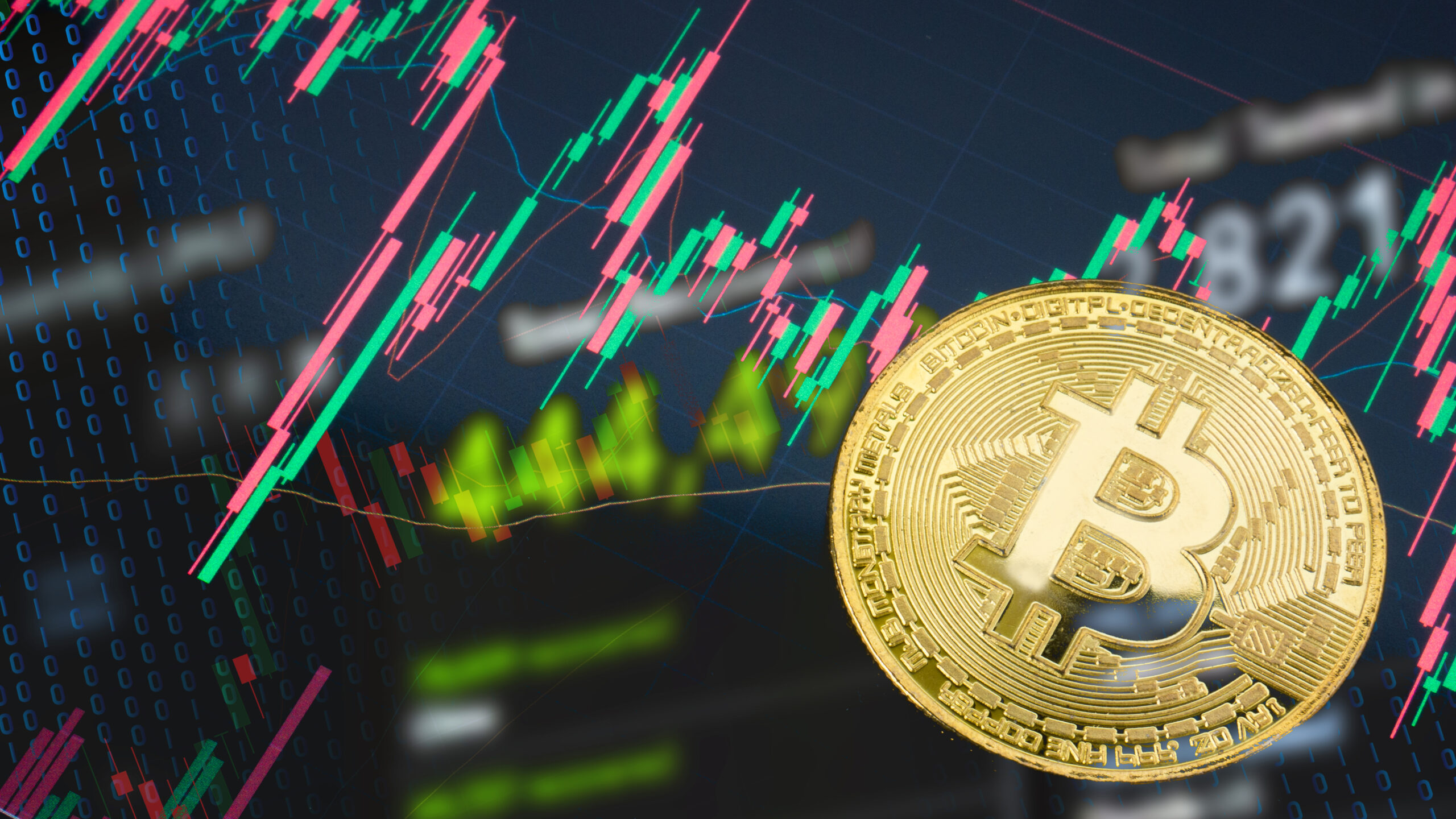
Crypto trading involves the buying, selling, or exchanging of digital assets on decentralized or centralized platforms to profit from price fluctuations. It requires an understanding of blockchain technology, market mechanics, order types, and robust risk management to navigate the inherent volatility and security considerations of the cryptocurrency market in 2026.
Understanding the Landscape of Crypto Trading
At its core, crypto trading is the act of speculating on the future price movements of digital assets such as Bitcoin (BTC), Ethereum (ETH), and various altcoins. Unlike traditional stock markets, which operate on set schedules and rely on central clearinghouses, crypto markets are global, operate 24/7, and are largely decentralized.
Traders generally fall into two primary categories:
- Investors (Holders): Individuals who purchase assets with the intention of holding them long-term, believing in the underlying utility or store-of-value proposition of the project.
- Active Traders: Individuals who capitalize on short-term price volatility to generate gains. This includes day trading (opening and closing positions within a single day), swing trading (holding positions for days or weeks), and scalping (executing numerous trades to capture small price movements).
Essential Prerequisites for Trading
Before executing your first trade, you must establish a technical and operational foundation. Crypto trading is not merely about picking the right asset; it is about the infrastructure used to manage that asset.
1. Choosing a Platform
Platforms are generally divided into two types:
- Centralized Exchanges (CEXs): These act as intermediaries, holding custody of your assets and providing a user-friendly interface. Examples include established entities like Coinbase, Kraken, and Binance. They offer deep liquidity but require you to trust the platform with your private keys.
- Decentralized Exchanges (DEXs): These platforms operate via smart contracts, allowing users to trade directly from their personal wallets (such as MetaMask or Ledger hardware wallets). This maintains self-custody but places the burden of security and transaction management entirely on the user.
2. Security Protocols
Because crypto transactions are irreversible, security is the most critical element of trading.
- Hardware Wallets: For long-term storage, use "cold storage" devices that remain offline.
- Two-Factor Authentication (2FA): Always enable 2FA on your exchange accounts, preferably using authenticator apps rather than SMS, which is susceptible to SIM-swapping attacks.
- Account Hygiene: Utilize unique, complex passwords for every exchange and avoid storing your seed phrase digitally.
Market Mechanics and Order Types
To trade effectively, you must understand how orders interact with the order book. An order book is a list of all buy and sell orders for a specific trading pair (e.g., BTC/USD).
| Order Type | Description | Best Use Case |
|---|---|---|
| Market Order | Executes immediately at the best available current price. | When speed of entry or exit is more important than the exact price. |
| Limit Order | Executes only at your specified price or better. | When you want to control your entry/exit price precisely. |
| Stop-Loss | An order to sell an asset once it hits a specific price. | To limit potential losses on a position. |
| Take-Profit | An order to close a position once a target profit is reached. | To lock in gains automatically without monitoring charts. |
Technical and Fundamental Analysis
Successful traders rarely rely on luck. They employ two primary methods of evaluation to inform their decisions.
Fundamental Analysis (FA)
This approach evaluates the "intrinsic value" of a crypto project. Factors include:
- Tokenomics: The supply schedule, inflation rate, and distribution model of the asset.
- Utility and Adoption: Is the project solving a real-world problem? How many active users or developers does it have?
- Regulatory Environment: The legal status of the project in its jurisdiction, as well as broader regulatory trends in 2026.
Technical Analysis (TA)
TA involves studying historical price charts and volume patterns to forecast future price movements. Common tools include:
- Support and Resistance: Identifying price levels where an asset historically struggles to fall below (support) or rise above (resistance).
- Moving Averages (MA): Calculating the average price over a specific timeframe to identify trends.
- Relative Strength Index (RSI): A momentum oscillator that measures the speed and change of price movements, helping to identify "overbought" or "oversold" conditions.
Managing Risk in Volatile Markets
Risk management is the defining factor between long-term success and rapid capital depletion. The volatility of crypto assets can result in significant percentage swings in minutes.
- Position Sizing: Never allocate more than 1–2% of your total trading capital to a single trade. This ensures that a single bad decision does not ruin your overall portfolio.
- The Stop-Loss Rule: Always define your exit strategy before entering a trade. If the trade moves against you by a pre-determined percentage, exit the position. Do not "hope" that the price will recover.
- Risk-to-Reward Ratio: Aim for a ratio where your potential profit is at least 2x or 3x greater than your potential loss. If you lose on two trades, one winning trade with a high risk-to-reward ratio can still result in a net profit.
Common Pitfalls and Troubleshooting
Even experienced traders face challenges. Awareness of these issues can help you avoid common mistakes.
Emotional Trading
The two primary enemies of a trader are Fear and Greed. Fear often leads to "panic selling" during market dips, while greed leads to "FOMO" (Fear Of Missing Out), causing traders to enter positions at the top of a price surge. Stick to your pre-defined plan.
Exchange Downtime
During periods of extreme market volatility, centralized exchanges may experience latency or downtime. If you are relying on an exchange to close a position, you may find yourself unable to act. This is why having multiple platforms and utilizing limit orders can act as a safety net.
Phishing and Scams
In 2026, sophisticated phishing attacks remain a primary threat. Always verify the URL of the exchange you are using. Never share your private keys or seed phrases with anyone; no legitimate support representative will ever ask for them.
Frequently Asked Questions
What is the minimum amount of capital required to start crypto trading? Most centralized exchanges allow you to start with as little as $10 to $50. However, you should only trade with money you can afford to lose entirely, as crypto markets are speculative and high-risk.
Are my crypto trades taxable in 2026? In most major jurisdictions, crypto trading is considered a taxable event. Every time you trade one crypto for another or sell crypto for fiat currency, you may be triggering a capital gains tax liability. Keep detailed records of all transactions to simplify your tax filing.
Should I trade with leverage? Leverage allows you to control larger positions with less capital by borrowing from the exchange. While it amplifies profits, it significantly increases the risk of liquidation. For beginners, trading with leverage is strongly discouraged until you have a proven, profitable strategy using "spot" trading (trading without borrowed funds).
What is the difference between a "Stablecoin" and other cryptocurrencies? A stablecoin is a digital asset pegged to a fiat currency like the U.S. Dollar. Examples include USDT, USDC, and DAI. Traders often use them to "park" their funds during periods of market uncertainty to avoid volatility without exiting the crypto ecosystem entirely.
How do I troubleshoot a stuck transaction? On blockchain networks, transactions can get stuck if the "gas fee" (transaction fee) provided is too low. If you are using a non-custodial wallet, you may be able to "speed up" or "cancel" the transaction by submitting a new transaction with a higher fee, provided the original has not yet been processed.
Next Steps for the Aspiring Trader
To begin your journey, start by setting up a secure, non-custodial wallet and educating yourself on the interface of a reputable, regulated exchange. Do not deposit a significant amount of capital immediately. Instead, practice "paper trading"—the process of simulating trades without real money—to test your strategy against market conditions. Focus on learning how to read charts and understanding the market context of the specific tokens you intend to trade. Once you have a consistent process, slowly introduce real capital while maintaining strict adherence to your risk management rules.