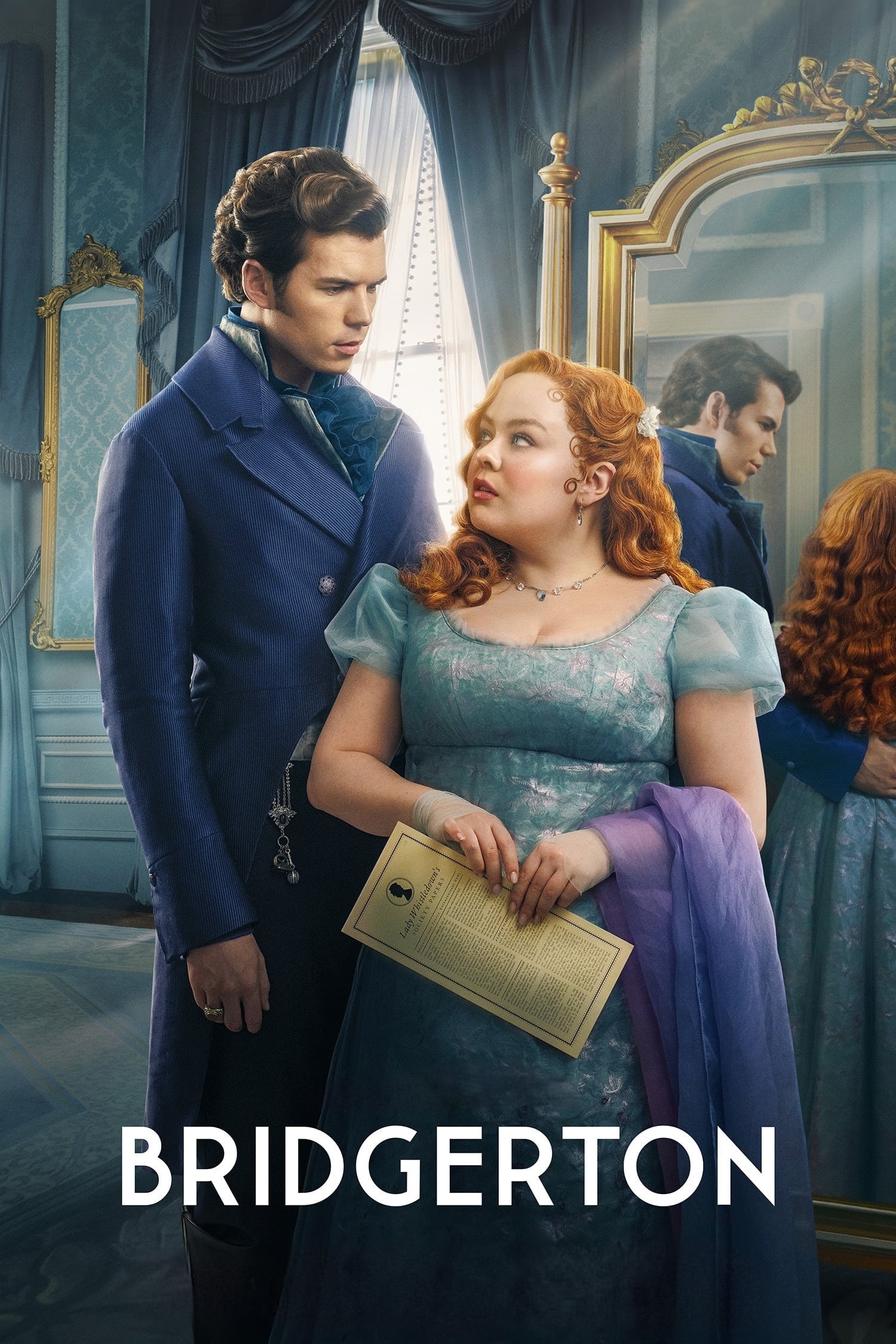
The music of Bridgerton Season 4 serves as the emotional backbone for Benedict Bridgerton’s long-awaited journey toward love. Managed by composer Kris Bowers and music supervisor Justin Kamps, the soundtrack blends high-energy classical-pop covers with a sophisticated original score. This season specifically highlights Benedict’s bohemian spirit and Sophie Baek’s introduction through a fusion of traditional Regency strings and East Asian instrumental motifs.
The Musical Identity of Benedict Bridgerton’s Season
As the series shifts its focus to Benedict Bridgerton (Luke Thompson), the musical landscape of the Ton undergoes a significant evolution. Unlike the staccato, rhythmic urgency of Anthony’s season or the romantic, sweeping strings of Colin and Penelope’s story, Season 4 adopts a more fluid and "bohemian" tonal palette. This shift reflects Benedict’s identity as an artist and a character who often exists on the fringes of strict societal expectations.
The 2026 release of Season 4 emphasizes the "unconventional" nature of the central romance. Because Benedict’s story—based on Julia Quinn’s An Offer from a Gentleman—revolves around a masquerade ball and a "Cinderella" trope, the music must bridge the gap between the opulence of the Bridgerton household and the working-class reality of Sophie Baek (Yerin Ha).
The Influence of Sophie Baek’s Heritage
A major development in the Season 4 soundscape is the integration of East Asian musical influences. Following the precedent set in Season 2 (which utilized Bollywood-inspired arrangements for the Sharma family), the production team collaborated with musicians to incorporate traditional instruments like the gayageum or haegeum into the classical arrangements. This subtle layering provides a unique sonic signature for Sophie, distinguishing her "Lady in Silver" persona from the other debutantes in the Ton.
Episode 1: "The Masquerade" – Setting the Stage
The premiere episode of Season 4 is defined by the Bridgerton Masquerade Ball, a pivotal event in the series' lore. Musically, this episode is the most complex, requiring a score that feels both celebratory and mysterious.
The Original Score: "The Lady in Silver"
Kris Bowers introduced a recurring motif for Sophie Baek in this episode. Known as the "Silver Theme," it utilizes a high-register violin solo accompanied by light, shimmering percussion. This theme plays during the moment Benedict first sees Sophie, creating a sense of ethereal wonder. The orchestration here is purposefully lighter than the heavy brass used in previous season openers, emphasizing the "dream-like" quality of the encounter.
The Role of Masked Mystery
The music during the Masquerade Ball itself uses reverb and spatial mixing to mimic the feeling of a crowded, echoing ballroom where identities are hidden. The string arrangements of pop covers in this episode are chosen for their driving rhythms, which match the choreography of the masked dancers. The goal was to create a sense of disorientation, reflecting Benedict's frantic search for the mysterious woman before the clock strikes midnight.
Episode 2 & 3: The Search and the Shift in Tone
As the story moves away from the initial high of the ball and into the frustrating search for the "Lady in Silver," the music becomes more grounded and melancholic.
- The Rural Transition: As the narrative shifts toward the countryside and the Bridgertons' rural holdings, the soundtrack moves away from the "Grand Ballroom" sound. You will notice an increase in the use of the cello and woodwinds, providing a more rustic, intimate feel.
- Benedict’s Frustration: Benedict’s musical cues in these episodes are often dissonant. Bowers uses minor-key variations of the Bridgerton family theme to show Benedict’s internal struggle as he fails to find the woman from the ball and feels pressured by his family's expectations.
Episode 4: "My Cottage" – A Turning Point
Episode 4 is widely regarded by fans and critics as the emotional anchor of the season. Set primarily at Benedict’s retreat, "My Cottage," the music here is stripped back.
The "Upstairs-Downstairs" Dynamic
The music supervisor, Justin Kamps, utilizes the soundtrack to highlight the class divide between Benedict and Sophie (who is now working in a domestic capacity). While the scenes involving the Ton feature full orchestral swells, the scenes at the cottage use solo piano or small chamber ensembles. This "sonic thinning" forces the audience to focus on the dialogue and the growing intimacy between the two leads without the distraction of "Grand Regency" pomp.
Episode 5-8: Conflict, Resolution, and the Final Crescendo
The latter half of Season 4 deals with the societal fallout of Benedict and Sophie’s relationship. The music returns to a more orchestral, high-stakes sound as the "secret" of the Lady in Silver is revealed.
- The Confrontation Motifs: When Lady Bridgerton or the Featheringtons appear in scenes involving Sophie, the score often reverts to the sharp, plucked pizzicato strings that define the Ton’s gossip-driven environment.
- The Finale Suite: The final episode features a comprehensive "Suite for Benedict and Sophie," which combines the bohemian violin motifs of Benedict with the East Asian-inspired "Silver Theme." This represents the union of their two worlds and provides a definitive resolution to the season's musical arc.
The Technical Craft: How Kris Bowers Reimagines the Ton
Writing the music for Bridgerton is a technical challenge that involves more than just transcribing pop songs for a string quartet. Kris Bowers focuses on the thematic development of each character. For Season 4, Bowers utilized a "layered" approach to the score:
- The Core Quartet: The foundation remains the string quartet, providing the familiar Bridgerton DNA.
- Thematic Overlays: For Benedict, Bowers added more "unrestrained" musical elements, such as slightly off-tempo rhythms and more expressive, vibrato-heavy solos to reflect his artistic nature.
- Modern Syncopation: Many of the pop covers in Season 4 use modern syncopation patterns that didn't exist in the 1800s. The challenge for the arrangers (including the Vitamin String Quartet) is to make these rhythms feel natural on violins and cellos.
Comparison of Musical Themes: Seasons 1-4
| Season | Primary Love Interest | Dominant Musical Instrument | Thematic Tone | Key Musical Influence |
|---|---|---|---|---|
| Season 1 | Daphne & Simon | Harpsichord & Violin | Formal & Innocent | Traditional Regency Ballrooms |
| Season 2 | Anthony & Kate | Cello & Percussion | Intense & Competitive | Indian Classical Fusion |
| Season 3 | Colin & Penelope | Piano & Soft Strings | Romantic & Lyrical | Wallflower / Coming of Age |
| Season 4 | Benedict & Sophie | Solo Violin & Gayageum | Bohemian & Ethereal | Artistic / "Cinderella" Motif |
The Art of the Classical-Pop Cover Selection
The selection of pop covers for Season 4 followed a rigorous process led by Justin Kamps. For Benedict's season, the team looked for songs that dealt with themes of identity, hidden love, and social defiance.
Why Certain Artists Were Chosen
While the specific tracklist remains a highlight of the Netflix release, the criteria for Season 4 covers were notably different from previous years. The production moved toward "Indie-Pop" and "Alternative" hits, moving slightly away from the pure Top 40 charts of Season 1. This aligns with Benedict’s role as the "Alternative" Bridgerton. Artists whose work features strong melodic hooks—such as Taylor Swift, Lana Del Rey, and Hozier—continue to be staples because their music translates effectively to string arrangements.
The Recording Process
Most of the covers heard in Season 4 were recorded by groups like Vitamin String Quartet (VSQ), Duomo, and the Bridgerton Orchestral Session players. These recordings are done in modern studios but are mixed to sound as though they are being performed live in a large hall. The technical team uses "period-accurate" room reverb to ensure that even a cover of a 2024 pop hit feels at home in a 1815 drawing room.
FAQ: Bridgerton Season 4 Soundtrack
Who is the composer for Bridgerton Season 4?
Kris Bowers returns as the lead composer for Season 4. He has been the primary architect of the show’s original score since the first season, earning acclaim for his ability to blend contemporary sensibilities with classical orchestration.
Will there be a Season 4 soundtrack release on vinyl?
Yes, following the trend of previous seasons, Netflix and Capitol Records typically release the "Covers" EP and the "Original Score" album separately on streaming platforms, with a combined vinyl "Collector's Edition" usually arriving a few months after the season finale in 2026.
How are the pop songs for the string covers chosen?
Music supervisor Justin Kamps works with showrunners to identify songs that mirror the emotional beats of the script. Once a song is selected, it is sent to arrangers who determine if the melody can be carried by a violin or cello without losing its recognizable pop "hook."
Does the Season 4 music include any original songs with vocals?
While Bridgerton is famous for its instrumental covers, certain key moments (like the end credits of the finale) have occasionally featured vocal tracks in past seasons. However, the core "in-world" music remains strictly instrumental to maintain the period aesthetic.
Why does Benedict’s music sound different from Anthony’s or Colin’s?
Each Bridgerton sibling has a "tonal signature." Benedict’s music is more "fluid" and less structured, reflecting his life as an artist. The use of solo instruments rather than full orchestral sections emphasizes his individualistic journey compared to his brothers' more traditional roles.
Are there any East Asian instruments in the Season 4 score?
Yes. To honor the heritage of Sophie Baek, the Season 4 score incorporates traditional Korean instruments. This is part of the show's ongoing commitment to representing the diverse backgrounds of its characters through its musical landscape.
Practical Recommendation for Fans
To fully appreciate the music of Season 4, it is recommended to listen to the original score by Kris Bowers alongside the covers EP. The score contains the character-specific motifs (like the "Silver Theme") that provide the narrative depth, while the covers provide the familiar "Bridgerton" energy. If you are looking for specific tracks, the official Netflix "Bridgerton Season 4" playlist on Spotify is the most accurate source for the episode-by-episode breakdown of licensed music.