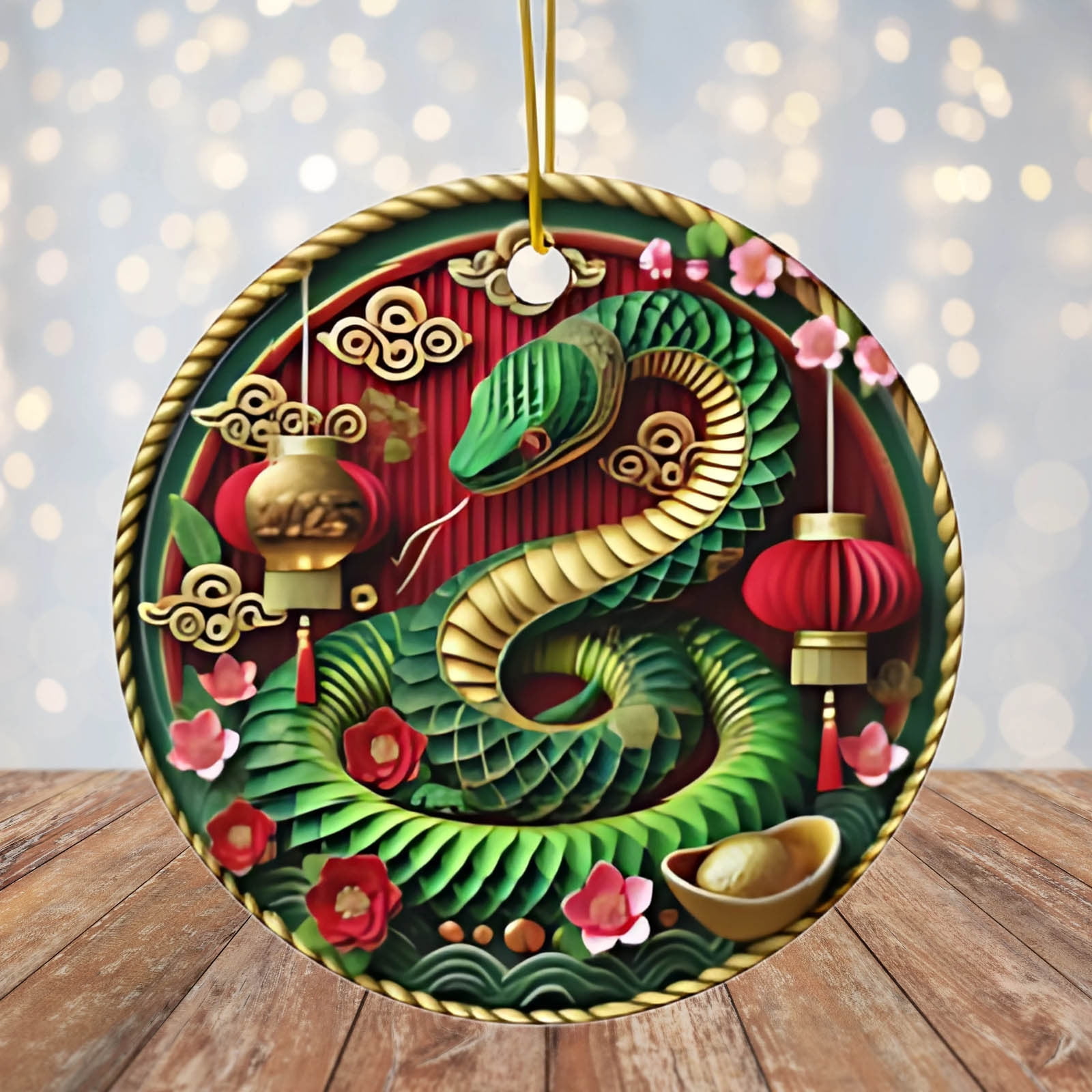
The Year of the Wood Snake, which began on January 29, 2025, represents a period defined in Chinese astrology by wisdom, strategic planning, and refined intuition. This lunar cycle emphasizes the need for thoughtful progression rather than impulsive action, encouraging individuals to prioritize intellectual growth and methodical approaches to both personal and professional milestones.
The Significance of the Year of the Wood Snake
In the traditional Chinese sexagenary cycle, the Year of the Wood Snake follows the Year of the Wood Dragon. The Snake occupies the sixth position in the twelve-year cycle of the Chinese zodiac, appearing after the Dragon and before the Horse. 2025 specifically aligned with the Wood element, a combination that occurs every sixty years.
Wood is associated with growth, expansion, and flexibility. When paired with the Snake—a sign characterized by introspection and calculation—the result is an environment where long-term stability is favored over short-term gain. Practitioners of traditional Chinese astrology often describe this year as one that rewards those who conduct thorough research before making decisions. Unlike years dominated by more aggressive energy, the Wood Snake year is viewed as a time to shed outdated habits and embrace transformation through careful deliberation.
Historical and Cultural Context of Lunar New Year Celebrations
The Lunar New Year, often referred to as the Spring Festival, is the most significant cultural event in the Chinese calendar. It marks the transition from the coldest part of winter to the beginning of spring, symbolizing renewal and the start of agricultural cycles. While 2025 has passed, the cultural practices surrounding the Year of the Snake remain a standard for understanding how these cycles are observed and interpreted in contemporary society.
The festival typically spans fifteen days, culminating in the Lantern Festival. Celebrations are rooted in the belief that the start of the lunar year sets the tone for the months to follow. Families gather for reunions, ancestral rites are performed to show gratitude, and homes are deep-cleaned to "sweep away" the misfortunes of the previous year, clearing space for incoming luck.
Fortune and Astrological Projections for the Snake Year
Astrological readings for the Year of the Snake generally categorize the period as one of "calculated progress." Because the Snake is seen as a symbol of intelligence and mystery, business and financial sectors are often advised to exercise patience. During this year, impulsive investments or abrupt career changes are traditionally discouraged in favor of steady, incremental developments.
Individuals born under the sign of the Snake (1941, 1953, 1965, 1977, 1989, 2001, 2013, 2025) are thought to share a special resonance with the year’s energy. While Western pop culture sometimes views the Snake with caution, in the context of the Chinese zodiac, the Snake is highly respected for its ability to perceive truths that others might overlook.
Compatibility and Strategic Outlook
The alignment of the Snake with other zodiac signs determines personal and professional synergy throughout the year. The following table illustrates the compatibility and focus areas for different signs during the Snake cycle.
| Zodiac Sign | Relationship Focus | Strategic Priority |
|---|---|---|
| Ox | Strengthening family ties | Consolidating financial assets |
| Rooster | Seeking collaborative partners | Enhancing public reputation |
| Monkey | Navigating complex social dynamics | Pursuing creative problem solving |
| Snake | Focusing on personal health | Mastering a new technical skill |
| Tiger | Balancing caution and ambition | Avoiding unnecessary conflict |
Traditional Festive Practices and Observations
Festive celebrations for the Lunar New Year are steeped in specific rituals intended to ensure prosperity. Even as modernization transforms how people celebrate, the following traditional elements remain consistent:
- Red Envelopes (Hongbao): The exchange of red envelopes containing currency is a fundamental practice. It symbolizes the transfer of good fortune from elders to the younger generation or between family members and employees.
- Symbolic Foods: The inclusion of fish is essential because the Chinese word for fish, "yu," sounds like the word for "surplus." Consuming whole fish is believed to guarantee an abundance of resources in the coming year.
- Lion and Dragon Dances: Performed to ward off malevolent spirits, these dances are common in public festivities, utilizing rhythmic drumming and elaborate costume work to create an atmosphere of vitality and protection.
- Firecrackers and Lighting: Historically, the loud sounds of firecrackers and the brightness of lanterns were used to frighten away Nian, a mythical beast. Today, these represent the desire to start the year with energy and illumination.
Navigating the Lunar Calendar vs. Gregorian Calendar
A common point of confusion for those engaging with Lunar New Year facts is the discrepancy between the lunar and solar calendars. The Lunar New Year date changes annually because it is based on the lunar cycle—specifically the second new moon after the winter solstice.
Because the Gregorian calendar (the standard international calendar used in 2026) is a solar calendar, the Lunar New Year shifts between late January and mid-February. Understanding this shift is critical for anyone planning travel, business logistics, or cultural participation. In 2025, the year began on January 29. Any assessment of fortune or festive impact during that period must be viewed through this specific temporal frame, as the energies associated with the Snake did not exist within the calendar before that date.
Common Misconceptions Regarding the Year of the Snake
There is often a tendency in popular media to misattribute traits to the Snake. It is important to clarify that the Snake is not a symbol of malice or danger in the Chinese zodiac. Instead, it is a symbol of profound, often quiet, wisdom.
- Misconception: The Year of the Snake is a "bad" year due to the nature of the animal.
- Reality: It is considered a year for high-level thinking. Those who are prepared and analytical often see the most success during this time.
- Misconception: Every year is identical in its requirements for fortune.
- Reality: The elemental influence—in 2025, it was Wood—radically alters the "flavor" of the year. A Water Snake year, for example, would carry different implications for fluid assets and social networking than a Wood Snake year.
Financial and Operational Impact
From a professional standpoint, the Year of the Snake is frequently analyzed by business strategists in East Asia to guide expansion plans. The emphasis on "methodical steps" often leads firms to focus on structural integrity and the improvement of internal processes. Rather than launching risky new ventures, companies are historically inclined to focus on sustainability and debt reduction during this period. For individuals, this translates to a recommended focus on savings and professional development, ensuring that one’s foundation is secure before attempting a leap into new territory.
FAQ: Understanding Lunar Traditions and Fortune
How does the Wood element change the meaning of the 2025 Year of the Snake? The Wood element brings a focus on growth and ethics. It tempers the Snake's inherent sharpness with a sense of benevolence and structural development, making it an ideal year for establishing long-term, sustainable projects.
What is the significance of the Lantern Festival? The Lantern Festival marks the final day of the Lunar New Year celebrations, occurring on the first full moon of the new lunar year. It represents the closure of the festive period and the final transition into the year's work, characterized by parades, lantern displays, and the eating of tangyuan (sweet rice balls).
Why are certain colors avoided during the Lunar New Year? Colors like black and white are traditionally associated with mourning and are often avoided in clothing or gift-giving during the New Year period. Bright colors, especially red and gold, are favored as they symbolize good luck, energy, and wealth.
Can non-celebrants still benefit from the "fortune" aspects of the year? Yes. The themes of the Year of the Snake—such as introspection, strategy, and careful planning—are universal values. Regardless of cultural background, applying these principles to one’s personal goals is a practical way to align with the energy described in the lunar cycle.
How far in advance should one prepare for Lunar New Year? Preparation usually begins weeks in advance. This includes purchasing new clothes, settling outstanding debts (to avoid carrying them into the new year), and planning travel. For businesses, planning often begins several months early to account for the closure of manufacturing and logistics hubs during the week-long holiday.
Recommendations for Ongoing Engagement
To properly conclude your engagement with the themes of the 2025 Year of the Snake, focus on the lessons learned regarding patience and strategy. If you implemented new analytical systems or personal growth habits during the year, continue to refine them. The "fortune" of the Snake is not a static gift but a result of the careful cultivation of intelligence. Moving forward into 2026, ensure that the foundations you built during the 2025 cycle are utilized to support the subsequent phases of your planning. Maintain a clear view of your long-term objectives, as the wisdom acquired during a Snake year is intended to serve as a bedrock for future endeavors.