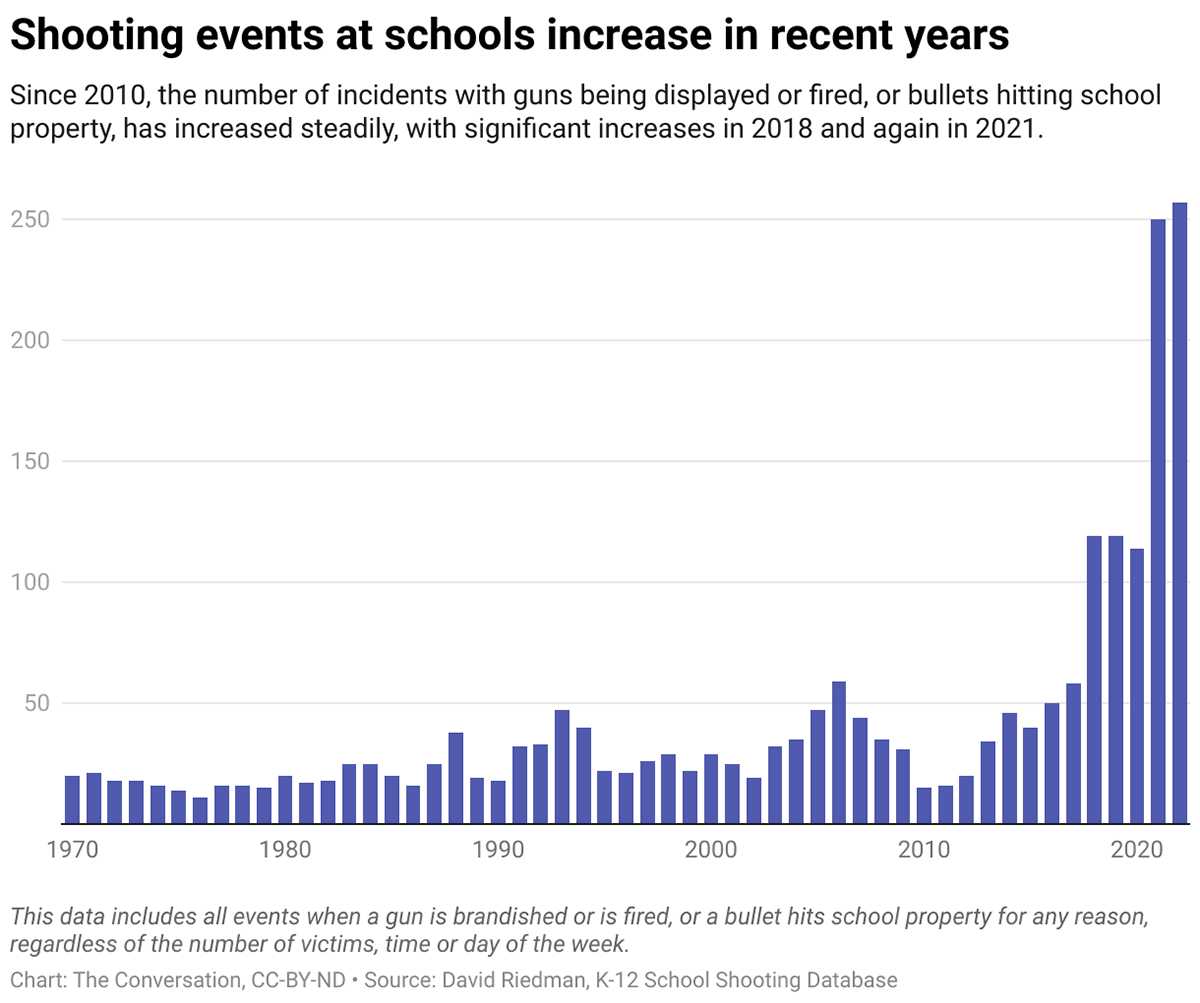
The year 2020 represented a historic and tragic inflection point in global gun violence statistics, characterized by a 30% increase in homicides in the United States and the deadliest mass shooting in Canadian history. This surge was driven by a complex intersection of pandemic-related social disruption, economic instability, and civil unrest.
Understanding the "2020 shooting" phenomenon requires a dual focus: analyzing the statistical spike in generalized gun violence across North American urban centers and examining specific high-profile mass casualty events that reshaped national policies. As we evaluate these events from the perspective of 2026, the data from 2020 remains a foundational baseline for modern public safety debates and legislative reforms.
The Statistical Reality: The 2020 Violence Inflection Point
In 2020, the United States experienced the largest single-year increase in homicides since reliable record-keeping began. According to the Federal Bureau of Investigation’s (FBI) Uniform Crime Reporting (UCR) Program, the national homicide rate rose nearly 30% compared to 2019. While overall crime rates—including many property crimes—actually decreased during the initial COVID-19 lockdowns, gun-involved violence became a glaring exception to the trend.
The Gun Violence Archive (GVA), which tracks mass shootings (defined as four or more people shot, excluding the shooter), recorded 611 incidents in 2020. This was a massive jump from the 417 recorded in 2019. The sheer volume of these events signaled a shift in the landscape of public safety, where the frequency of shootings began to outpace the capacity of local law enforcement and community intervention programs to respond effectively.
Breakdown of the 2020 Spike
The increase was not uniform across all demographics or geographies. It was most acutely felt in major metropolitan areas. Cities such as Chicago, New York, and Philadelphia saw homicide numbers reach levels not seen in decades. For example, Chicago recorded 769 homicides in 2020, compared to 495 in 2019. This data highlights that the 2020 shooting surge was primarily an urban phenomenon, though no region was entirely immune to the trend.
| Category | 2019 Statistics | 2020 Statistics | Percentage Change |
|---|---|---|---|
| Total Gun Homicides (US) | ~14,400 | ~19,300 | +34% |
| Mass Shooting Incidents (GVA) | 417 | 611 | +46% |
| NICS Firearm Background Checks | 28.3 Million | 39.7 Million | +40% |
| Non-Fatal Shootings (Major Cities) | Variable | +25% Avg. Increase | N/A |
| Accidental Shootings (Minors) | ~600 | ~750 | +25% |
The Nova Scotia Mass Shooting: A National Tragedy
While the US grappled with a broad statistical surge, Canada faced its most significant singular shooting event in April 2020. Over the course of April 18 and 19, a gunman killed 22 people and injured several others across multiple locations in rural Nova Scotia. The perpetrator, who disguised himself as a Royal Canadian Mounted Police (RCMP) officer and drove a vehicle modified to look like a police cruiser, exposed significant gaps in Canada’s emergency alert systems and firearms regulations.
This event, often referred to in Canadian discourse simply as "the 2020 shooting," led to immediate and sweeping policy changes. Within weeks of the tragedy, the Canadian government issued an Order in Council banning over 1,500 models of "assault-style" firearms. The subsequent Mass Casualty Commission, which released its final report in early 2023, provided a roadmap for police reform and community safety that remains a cornerstone of Canadian domestic policy in 2026.
Primary Drivers of the 2020 Surge
Sociologists and criminologists have spent the years since 2020 analyzing why this specific year yielded such violent outcomes. Several "perfect storm" factors converged to create the 2020 shooting surge.
1. COVID-19 and Social Dislocation
The pandemic did more than just sicken the population; it dismantled the social infrastructure that typically mitigates violence. Community Violence Intervention (CVI) programs, which rely on face-to-face mediation and street outreach, were forced to shut down or move online, where they were significantly less effective. Schools—often a stabilizing force for at-risk youth—were closed, leaving a vacuum of supervision and support.
2. Economic Strain and Uncertainty
The sudden loss of millions of jobs in the spring of 2020 created a climate of desperation. Historical data often shows a correlation between economic shocks and increases in interpersonal conflict. In 2020, this was exacerbated by the uncertainty of the virus and the lack of a clear end date for the crisis, leading to heightened tensions in high-poverty areas.
3. The Breakdown of Police-Community Relations
Following the death of George Floyd in May 2020, the United States saw a massive wave of protests and a subsequent breakdown in trust between law enforcement and the communities they serve. In many cities, this led to "de-policing"—where officers were less proactive in their patrols—and a decrease in the willingness of witnesses to cooperate with investigations. This "legitimacy crisis" allowed retaliatory violence to cycle through neighborhoods without effective intervention.
4. Unprecedented Firearm Sales
2020 saw a record-breaking number of firearm purchases. According to the National Instant Criminal Background Check System (NICS), background checks for gun sales reached nearly 40 million, a 40% increase over 2019. While most of these sales were legal, the sheer volume of new firearms entering the ecosystem increased the statistical probability of accidents, thefts, and the use of guns in domestic disputes.
High-Profile Incidents and Their Impact
Beyond the statistics, specific incidents in 2020 became cultural and legal touchstones.
- The Kenosha Shootings (August 2020): During civil unrest in Kenosha, Wisconsin, 17-year-old Kyle Rittenhouse shot three people, killing two. The subsequent trial and his acquittal in 2021 sparked intense debate over self-defense laws and the presence of armed civilians at protests.
- The Indianapolis Post Office Shooting: While Indianapolis saw multiple mass shootings, the violence of 2020 set the stage for the tragic FedEx facility shooting in early 2021, highlighting the ongoing issue of workplace violence that intensified during the pandemic era.
- The Portland Protests: Throughout the summer of 2020, Portland, Oregon, became a flashpoint for political violence, including the fatal shooting of a supporter of a right-wing group, illustrating the rising trend of politically motivated gun violence.
Legislative and Policy Responses (2020–2026)
The violence of 2020 catalyzed several legislative actions that have shaped the legal landscape we see in 2026.
In the United States, the 2020 surge was a primary motivator for the Bipartisan Safer Communities Act of 2022. This was the first major federal gun safety legislation in nearly 30 years. It expanded background checks for buyers under 21, closed the "boyfriend loophole" in domestic violence cases, and provided billions in funding for mental health and school security.
In Canada, the response was even more direct. The 2020 Nova Scotia shooting led to Bill C-21, which eventually resulted in a national freeze on the sale, purchase, and transfer of handguns. By 2026, these measures have faced numerous legal challenges but have fundamentally altered the availability of firearms in Canadian society.
Long-Term Trends: From 2020 to 2026
From the vantage point of 2026, we can see that the 2020 shooting surge was not a permanent "new normal," but rather a severe spike that took several years to resolve. Homicide rates began to plateau in late 2022 and showed significant declines in 2023 and 2024 as social services resumed full operation and the "shock" of the pandemic faded.
However, the 2020 surge left a lasting legacy in the form of "ghost guns" (unserialized firearms) and a heightened focus on red-flag laws. The technology to track and prevent gun violence evolved rapidly between 2020 and 2026, largely because the crisis of 2020 made public safety the top priority for municipal budgets across the continent.
Common Misconceptions About 2020 Violence
A common misconception is that the 2020 shooting surge was caused solely by "defund the police" movements. In reality, data shows that homicide rates rose in cities that increased police budgets just as much as in those that discussed reallocation. The violence was a national trend that transcended local political decisions, pointing to deeper systemic issues triggered by the global health crisis.
Another misconception is that mass shootings are the primary driver of gun deaths. While the 2020 mass shooting in Nova Scotia was a singular horrific event, the vast majority of gun deaths in 2020—as in every year—were the result of individual homicides and suicides, which often receive less media attention but represent a far larger portion of the public health crisis.
Frequently Asked Questions
Was 2020 the deadliest year for gun violence in US history?
In terms of the total number of gun-related homicides, 2020 was one of the deadliest years on record, surpassed only slightly by 2021. The rate of increase (30% in one year) was the highest ever recorded, making it a unique statistical anomaly in American history.
How did the 2020 shooting in Nova Scotia change Canadian law?
The shooting led directly to a 2020 ban on approximately 1,500 models of firearms, including the AR-15. It also led to the creation of the Mass Casualty Commission, which resulted in major overhauls of how the RCMP handles emergency alerts and public communication during active shooter events.
Why did gun sales increase so much in 2020?
The increase was driven by a combination of fear regarding the pandemic, concerns about social unrest following the death of George Floyd, and a desire for personal protection during a time of perceived instability. Many first-time gun buyers entered the market in 2020, significantly changing the demographics of gun ownership.
Did "Red Flag" laws help during the 2020 surge?
In states where Red Flag laws (Extreme Risk Protection Orders) were active, they were used more frequently in 2020 to prevent suicides and domestic violence. However, their effectiveness was limited by the fact that many courts were operating at reduced capacity due to COVID-19, slowing the processing of these orders.
What has been the impact of 2020's violence on 2026's safety policies?
By 2026, the lessons of 2020 have led to a "public health" approach to gun violence. This includes greater investment in community violence interrupters and real-time data sharing between agencies. The 2020 surge proved that law enforcement alone cannot solve gun violence; it requires a multi-faceted approach involving mental health, economic support, and community engagement.
Practical Recommendations for Researching 2020 Data
For those looking to analyze the specific impacts of 2020 shootings on their local community or for academic purposes, the following steps are recommended:
- Access the FBI Crime Data Explorer: This tool allows users to filter 2020 data by state and specific agency to see how the surge affected their specific region.
- Review the Mass Casualty Commission Final Report: For an in-depth look at the Canadian context, the "Turning the Tide together" report provides thousands of pages of verified evidence and analysis.
- Consult the CDC WONDER Database: For those interested in the public health aspect, the CDC provides detailed data on firearm-related injuries and deaths, including suicides, which are often omitted from crime reports.
- Analyze Local Legislative Changes: Check your state or provincial legislative archive for bills passed between 2021 and 2023; most of these were direct responses to the events of 2020.
The events of 2020 continue to echo through the halls of government and the streets of our cities in 2026. By understanding the data and the drivers behind that historic year, we are better equipped to prevent such a surge from occurring again.