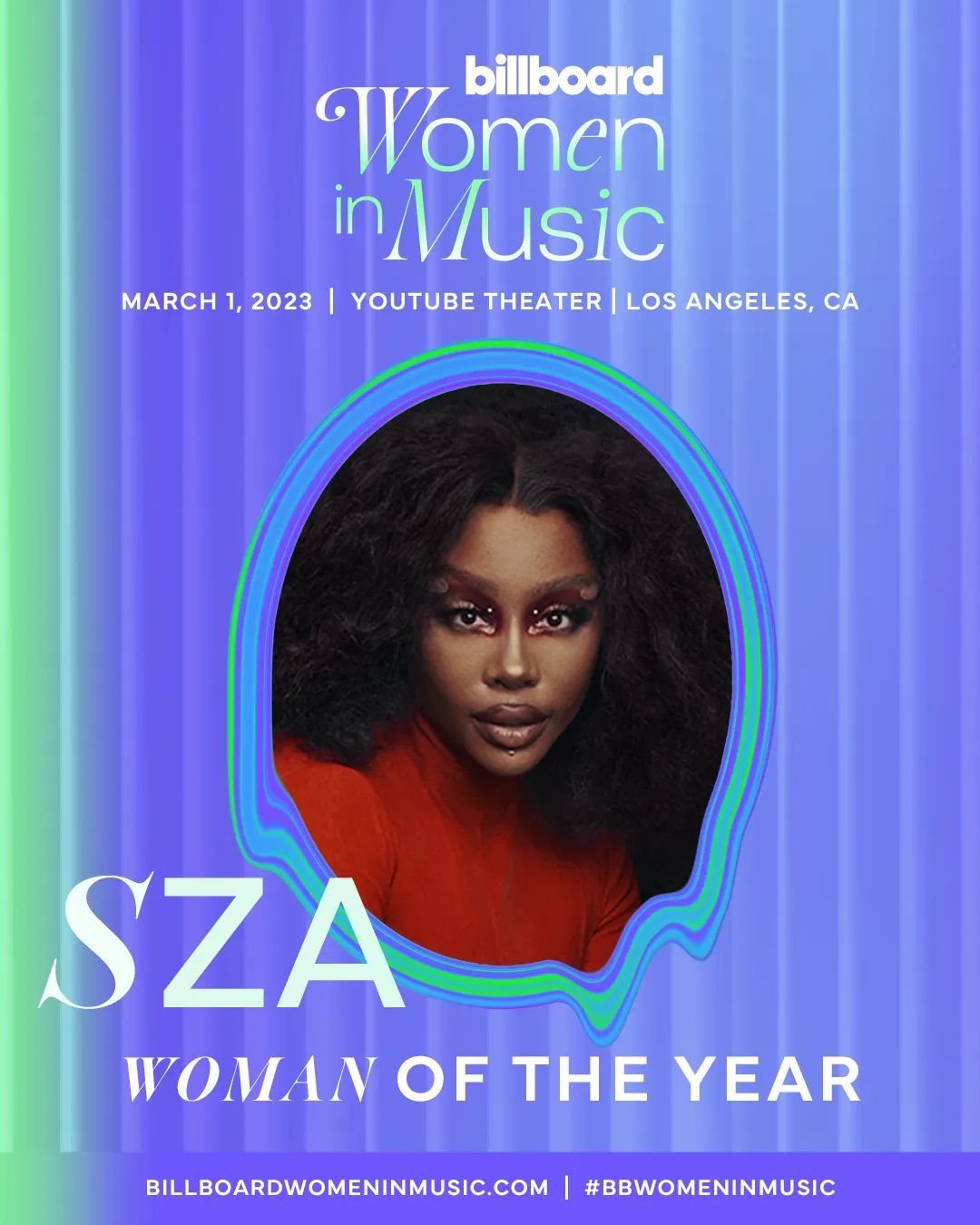
The Billboard Woman of the Year award is an annual honor presented by Billboard magazine to recognize a female recording artist, executive, or industry figure who has made significant contributions to the music business over the preceding twelve months. The selection process evaluates commercial success, creative influence, leadership, and philanthropic engagement, serving as the centerpiece of the annual Billboard Women in Music event.
The Billboard Women in Music franchise, which hosts the announcement and celebration of the Woman of the Year, has become one of the most prestigious platforms in the music industry. Since its inception, the award has evolved from a niche industry accolade into a high-profile cultural event that highlights the changing role of women in the global music landscape. For those observing the industry, understanding the award requires looking beyond simple chart statistics to analyze the complex intersection of commercial viability, brand influence, and professional advocacy.
The Evolution of the Billboard Women in Music Platform
Billboard introduced the Women in Music event in 2007. The initial motivation was to provide a dedicated space to celebrate the accomplishments of female executives and artists who were often underrepresented in mainstream music industry discourse. While the publication had long tracked the chart success of women, the creation of a physical event signaled a shift toward active advocacy.
By the early 2020s, the platform expanded significantly. It no longer focused solely on a single honoree; instead, it grew to include a comprehensive list of award categories, such as the Powerhouse Award, the Icon Award, and the Rule Breaker Award. However, the "Woman of the Year" title remains the defining honor of the ceremony. The event’s transition to a televised or streamed broadcast format has further cemented its status as a must-watch milestone in the annual entertainment calendar, effectively turning an internal industry recognition into a public-facing cultural statement.
Selection Criteria and the Quantitative-Qualitative Balance
Determining the Woman of the Year is a multi-layered process conducted by Billboard’s editorial team. While there is no public "application" or "nomination" form for artists, the selection relies on a rigorous examination of both objective data and qualitative influence.
Quantitative Metrics
Billboard’s editorial team utilizes its proprietary data, including the Billboard Hot 100, the Billboard 200, and box office data from Billboard Boxscore. A potential recipient generally demonstrates:
- Chart Dominance: Significant performance on streaming and airplay charts within the qualification period.
- Commercial Viability: Robust album sales, concert ticket revenue, and brand partnership performance.
- Consistency: Maintaining top-tier status across multiple reporting quarters rather than relying on a single viral moment.
Qualitative Metrics
The editorial board also weighs non-statistical factors that define a modern music icon:
- Industry Leadership: Whether the artist has influenced business models, such as ownership of masters, innovative marketing strategies, or the management of their own label imprints.
- Cultural Impact: The ability to shift public discourse, inspire fashion trends, or advocate for social issues through music.
- Mentorship and Advocacy: Demonstrable support for other artists or efforts to improve equity within the music business.
Comparing the Impact of Honorees Across Decades
The recipients of the Woman of the Year award often mirror the shifts in the industry itself. In the early years, the focus was frequently placed on established legacy acts or executives with decades of experience. As the industry moved toward streaming-first models, the profile of the "Woman of the Year" began to shift toward younger, digitally savvy artists who leverage social media to cultivate direct-to-fan relationships.
| Era/Trend | Primary Characteristics | Focus of Honorees |
|---|---|---|
| Early Years (2007–2012) | Traditional media influence | Industry veterans and established pop stars |
| Mid-Era (2013–2019) | Digital expansion and streaming | Artists with high social media engagement and crossover appeal |
| Modern Era (2020–2026) | Global reach and brand sovereignty | Artists with international presence and business ownership |
This evolution demonstrates that Billboard prioritizes "impact" over pure sales volume. An artist who secures a massive global tour or successfully navigates complex label negotiations is just as likely to be considered as an artist with the most number-one singles.
The Significance of the Billboard Women in Music Event
Beyond the primary award, the ceremony serves as a barometer for the state of gender equality in music. Every year, the event highlights specific challenges—ranging from the gender pay gap in concert production to the scarcity of female producers in major recording studios.
The speeches given by the Woman of the Year and other honorees have often served as flashpoints for wider industry change. By using their platform to speak about the realities of working as a woman in a male-dominated field, these artists bring professional, legal, and social issues to the forefront. Consequently, the "Woman of the Year" is not just an award for the best performance; it is a recognition of the recipient's role as a spokesperson for their peers.
Common Misconceptions Regarding the Award
A frequent point of confusion for casual fans is the belief that the award is based purely on a fan vote or a social media popularity contest. It is critical to clarify that the Billboard Woman of the Year is an editorial decision, not a public poll. While fan sentiment is a factor in an artist’s overall reach and cultural relevance, the final choice is made by the magazine’s leadership based on the professional criteria established by their business analysts.
Another misconception is that the award focuses exclusively on vocalists. While artists are the most visible recipients, the platform is designed to include high-ranking female executives—such as CEOs, label heads, and talent managers—who operate behind the scenes. This reinforces the idea that "music industry contribution" is not limited to those standing on a stage.
Preparing for the Future of the Recognition
As we look toward the remainder of 2026, the expectations for the Woman of the Year involve a continued emphasis on technological adaptation. With the rise of AI in creative workflows and the increasing importance of global music markets (such as Latin, K-Pop, and Afrobeats), the criteria for the award have become more international and technical. Future recipients will likely be those who demonstrate proficiency in navigating these new frontiers of music consumption.
For aspiring artists and industry professionals, observing the career trajectories of past recipients provides a roadmap. The "Woman of the Year" typically exhibits a high degree of "career-stacking"—the practice of simultaneously managing an artistic career, a business empire (such as a makeup brand or a production company), and a philanthropic foundation.
Frequently Asked Questions
Is the Billboard Woman of the Year chosen based on the most sales?
No. While commercial success is a significant factor, it is one of many. Billboard’s editors also evaluate cultural impact, industry leadership, and the artist's ability to influence the music business landscape through advocacy and innovation.
Can an artist receive the Woman of the Year award more than once?
Yes, and several artists have received the honor multiple times. The award is given annually based on the performance and impact during that specific year. If an artist maintains a position of industry dominance over several years, they remain eligible for the recognition in subsequent cycles.
Does the award only recognize female pop stars?
No. The award is open to any female individual contributing to the music industry. This includes executives, managers, producers, and songwriters. While pop stars are the most frequent recipients due to their high visibility and impact on consumer markets, the award is meant to celebrate the breadth of the music industry.
What is the relationship between the Billboard Women in Music event and the award?
The Billboard Women in Music event is the annual ceremony where the Woman of the Year is officially presented with her award. It is a live industry gathering that includes various other honors, and the Woman of the Year recognition is the headline segment of the show.
How can the public nominate an artist for Woman of the Year?
There is no public nomination process. The selection is handled internally by the editorial and analytical departments at Billboard. Readers and fans can participate by consuming the music and supporting the tours of their favorite artists, which contributes to the data metrics Billboard uses to assess candidates.
Conclusion and Next Steps
The Billboard Woman of the Year remains a singular standard in music, representing the intersection of commercial, creative, and professional excellence. For those looking to keep track of the industry’s trajectory, following the announcement of the annual honoree provides an unparalleled look into who is shaping the future of global sound. To stay informed on the criteria and the current selection, readers should follow the official announcements on the Billboard website, as these serve as the only primary sources for confirmed award status.
Observers should pay close attention to the late-year reports from Billboard regarding industry shifts, as these often contain the data sets that the committee will prioritize in their final selection for the following year. Engaging with the broader "Women in Music" event coverage is the best way to understand the full scope of the industry's evolution.