The "Alzheimer's milkshake" refers to specialized medical nutrition drinks, such as Souvenaid, formulated to support brain function and memory in early-stage Alzheimer's disease by providing a specific blend of nutrients. This development matters for investors because it sits at the intersection of the expanding medical food market, shifting demographics, and growing venture interest in non-pharmacological neurological therapies.
Defining the "Alzheimer's Milkshake" and Medical Nutrition
The term "Alzheimer's milkshake" entered public and financial discourse to describe proprietary medical drinks designed for individuals experiencing mild cognitive impairment or early-stage Alzheimer’s disease. Rather than serving as a standard commercial dairy shake, these products are classified as medical foods or specific nutritional supplements. They require medical supervision and are engineered to deliver precise combinations of active ingredients aimed at supporting neuronal membrane formation and synaptic function.
The most notable commercial iteration associated with this phenomenon is Souvenaid, a medical drink developed by Nutricia, the specialized nutrition division of Danone. Souvenaid features a patented nutrient combination known as Fortasyn Connect. This blend typically includes:
- Docosahexaenoic acid (DHA) and Eicosapentaenoic acid (EPA): Omega-3 fatty acids essential for cell membrane integrity and anti-inflammatory pathways.
- Uridine monophosphate (UMP): A nucleotide precursor critical for phospholipid synthesis and the formation of new synapses.
- Choline: A precursor for the neurotransmitter acetylcholine, which plays a major role in memory and learning.
- Phospholipids and specific vitamins: Including vitamins B6, B12, C, E, and folic acid to support homocysteine metabolism and reduce oxidative stress.
Medical Foods Versus Pharmaceuticals
To understand the market dynamics, investors must distinguish between traditional pharmaceutical drugs and medical foods. Pharmaceuticals undergo rigorous phase trials primarily to demonstrate disease modification or symptom suppression by targeting pathological hallmarks like amyloid-beta plaques or tau tangles.
In contrast, medical foods are formulated to address distinct nutritional requirements of a specific disease or condition that cannot be managed by normal diet alone. While they must still adhere to safety and regulatory guidelines, their development pathways can differ from traditional drug pipelines, potentially offering shorter paths to commercialization and lower overall capital expenditure. However, they also face unique marketing limitations, as they cannot legally claim to cure, prevent, or treat a disease in the same manner as an approved pharmaceutical drug.
The Scientific Rationale Behind Synaptic Support
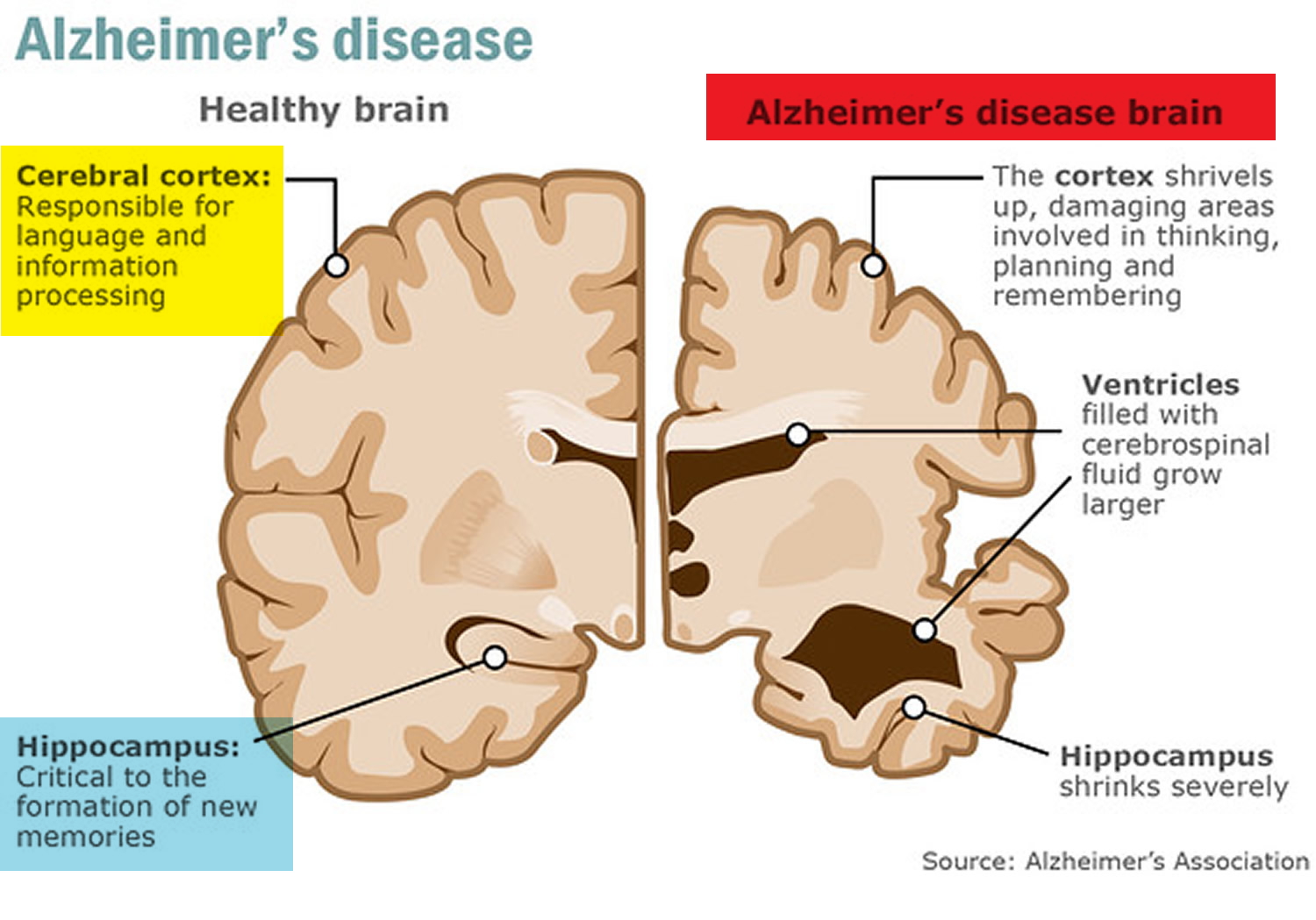
The biological hypothesis driving these nutritional drinks centers on synaptic loss. Brain imaging and neuropathological studies show that early-stage Alzheimer’s disease is characterized by a significant loss of synapses—the connections between neurons—which correlates closely with cognitive decline.
The rationale behind Fortasyn Connect and similar formulations is that patients with early Alzheimer's disease have an increased demand for specific nutrients required to build and maintain synaptic membranes, and a standard diet may be insufficient to supply these amounts. By providing precursors for phospholipid synthesis, the nutritional drink aims to supply the raw materials necessary to support remaining synaptic connections and potentially improve functional connectivity in the brain.
Clinical trials, such as the Sidenor and LipiDiDiet studies, have evaluated the efficacy of these nutritional interventions. While results have shown that these drinks do not reverse Alzheimer's disease or halt its underlying pathology, studies like the long-interventions in the LipiDiDiet trial suggest potential benefits in slowing cognitive and functional decline in the prodromal (earlier) stages of the disease, as well as preserving hippocampal volume over time.
Why the Drink Matters for Investors
For institutional investors, venture capitalists, and market analysts, the emergence and commercialization of medical nutrition products for cognitive decline represent a shifting paradigm in neurology and a distinct investment thesis. Several key factors explain why these products command market attention:
1. High Demand and Aging Demographics
Global populations are aging rapidly, leading to an escalating prevalence of Alzheimer’s disease and other forms of dementia. Traditional drug development in this space has a notoriously high failure rate, with numerous high-profile clinical trial failures costing billions of dollars. Medical nutrition offers a lower-risk, highly scalable alternative or adjunct to drug therapy, addressing a massive patient population seeking proactive interventions.
2. Diversification Beyond Monotherapy
Investors are increasingly looking beyond monoclonal antibodies and traditional small-molecule drugs. Combination therapy—using pharmaceutical agents alongside medical foods or lifestyle interventions—is emerging as a preferred long-term management strategy for chronic neurodegenerative conditions. Companies holding intellectual property in proprietary nutrient blends can capture substantial market share by integrating into these multi-pronged treatment protocols.
3. Favorable Regulatory and Cost Profiles
Compared to the immense capital requirements and decade-long timelines of drug development, medical foods often represent a more capital-efficient investment. While clinical validation is still mandatory for market credibility and physician adoption, the regulatory hurdle is distinct from FDA drug approval. This translates to faster time-to-market and lower capital expenditure, making early-stage biotech and specialized nutrition companies attractive acquisition targets for multinational food and pharmaceutical conglomerates.
| Feature / Aspect | Traditional Alzheimer's Pharmaceuticals | Medical Nutrition Drinks (e.g., Souvenaid) |
|---|---|---|
| Primary Regulatory Pathway | FDA Drug Approval (BLA / NDA) | Regulated as Medical Foods / Specific Dietary Formulations |
| Development Cost & Timeline | High ($1B+ average); 10–15 years | Lower relative expenditure; shorter commercialization window |
| Primary Mechanism | Target disease pathology (e.g., amyloid, tau) | Provide nutrients for synaptic membrane synthesis |
| Primary Risk Profile | High clinical trial attrition; adverse side effect rates | Regulatory scrutiny on health claims; reliance on physician recommendation |
| Investor Sentiment | High risk, high reward (blockbuster potential) | Lower risk, steady growth, strategic acquisition targets |
Market Challenges and Commercialization Risks
Despite the attractive macro trends, investors must weigh significant risks before deploying capital into the medical nutrition and cognitive health sector.
- Reimbursement and Insurance Coverage: Unlike FDA-approved medications, medical foods often lack robust reimbursement coverage from public health systems (such as Medicare) and private insurers. Out-of-pocket costs for consumers can be high, which may limit long-term adherence and market penetration.
- Skepticism from the Medical Community: Neurologists and primary care physicians are trained to prescribe pharmaceuticals based on robust randomized controlled trials showing clear symptom mitigation or disease modification. Convincing clinicians to recommend a nutritional drink requires rigorous, peer-reviewed clinical data, which takes time and substantial financial backing to generate.
- Regulatory Scrutiny: Regulatory bodies such as the U.S. Food and Drug Administration (FDA) and the European Food Safety Authority (EFSA) strictly monitor health claims. Companies must carefully navigate marketing language to avoid crossing the line from medical food promotion into unapproved drug claims, which can result in costly warning letters and legal challenges.
- Competition and Barrier to Entry: While proprietary blends offer some intellectual property protection, the broader functional food and supplement market is crowded. Competitors can formulate alternative omega-3 and phospholipid supplements, forcing companies to rely heavily on brand trust, clinical validation, and direct-to-consumer marketing channels.
Frequently Asked Questions
What is the primary difference between Souvenaid and a standard nutritional shake?
Souvenaid is classified as a medical food designed specifically to meet the altered nutritional requirements of early Alzheimer's disease. Standard nutritional shakes focus on general caloric intake, protein, and basic vitamins for malnourished individuals, whereas medical foods contain a targeted blend of specific precursors designed to support neuronal synapse formation.
Are these medical drinks available over the counter?
In many regions where they are approved and marketed, such as parts of Europe and select international markets, they can be purchased directly by consumers or through pharmacy channels, though medical supervision is recommended. Availability varies significantly by jurisdiction depending on local medical food regulations.
Do these nutritional drinks cure Alzheimer's disease?
No. Medical nutrition drinks do not cure, reverse, or halt the underlying pathology of Alzheimer's disease. Clinical data suggests they may support memory function and slow cognitive decline when used during the early, prodromal stages of the condition.
Why are large food and beverage conglomerates interested in this space?
Companies like Danone have established specialized nutrition divisions because medical foods bridge the gap between consumer packaged goods and clinical healthcare. They offer higher profit margins than standard grocery items and tap into the fast-growing longevity and preventative health sectors.
How do investors evaluate the financial viability of companies in this niche?
Investors examine the strength of underlying clinical trial data, intellectual property protection around proprietary nutrient blends, physician endorsement rates, distribution partnerships with healthcare networks, and the regulatory pathway in target geographic markets.
Strategic Outlook and Next Steps for Investors
For investors examining the cognitive health and medical nutrition sector, due diligence must extend beyond surface-level demographic trends. To navigate this market effectively:
- Examine Clinical Validation: Prioritize companies that invest in independent, peer-reviewed clinical trials rather than relying solely on in-house marketing studies.
- Assess Reimbursement Strategy: Evaluate how the company plans to secure reimbursement or build a sustainable direct-to-consumer subscription model that mitigates high out-of-pocket friction for patients and caregivers.
- Monitor Regulatory Changes: Keep a close watch on evolving FDA and international guidelines regarding the classification and marketing of medical foods.
As the healthcare landscape shifts toward preventative care and early intervention, specialized nutrition products addressing neurodegeneration will remain an intriguing asset class for forward-thinking investors.