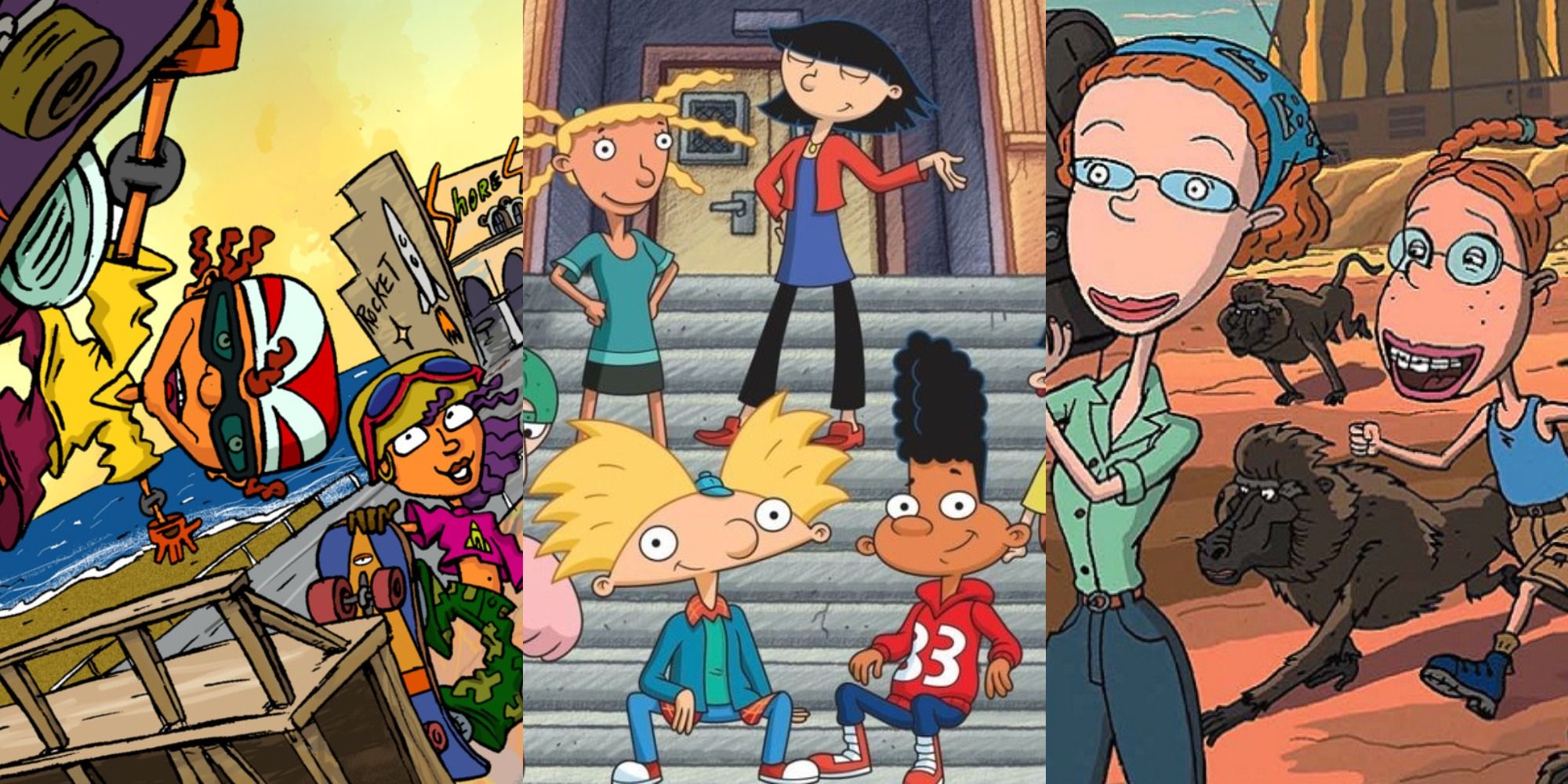
The landscape of children's television underwent a seismic shift during the final decade of the twentieth century, largely driven by a bold cable network that decided kids wanted content made specifically for them. In 2026, exploring 90s nickelodeon tv shows means examining both a golden era of creative risk-taking and the modern mechanisms used to preserve these cultural touchstones. As Gen X and Millennial parents introduce these broadcast gems to their own children via modern streaming ecosystems, the demand for authoritative retrospective analysis, technical streaming specs, and archival history has never been higher. This comprehensive guide details the production evolution, technical formats, cultural impact, and viewing logistics of the definitive Nicktoons and live-action series that defined a generation.
The Genesis of Nicktoons: How Animation Changed in the 1990s
Before 1991, cable networks primarily syndicated older studio cartoons or produced low-budget, highly commercialized animation designed to move toy inventory. Nickelodeon disrupted this paradigm by launching "Nicktoons," a brand-defining block that treated young viewers with genuine writing, distinct art styles, and auteur-driven creative freedom.
The strategy relied on two foundational pillars: creator ownership models and unorthodox visual aesthetics. Instead of sanitized, flat animation, shows embraced thick outlines, grotesque close-ups, surrealist humor, and complex emotional undercurrents.
The Creator-First Production Model Nickelodeon executives like Vanessa Coffey and Albie Hecht took unprecedented gambles on independent animators. By giving creators like Joe Murray, John Kricfalusi, and Paul Germain control over their bibles and character designs, the network fostered an environment where artistic integrity superseded focus-group homogenization.
Landmark Animated Series of the Decade
- Doug (1991): Grounded the animation block in suburban realism, chronicling the anxiety, diary entries, and daydreams of an ordinary pre-teen navigating a new town.
- Rugrats (1991): Explored adult anxieties and societal structures entirely from the unfiltered, imaginative perspective of toddlers crawling on the living room carpet.
- The Ren & Stimpy Show (1991): Pushed the boundaries of broadcast television with hyper-detailed, squiggly art direction, gross-out humor, and high-energy classical musical arrangements.
- Rocko's Modern Life (1993): Utilized fast-paced, satirical social commentary disguised as an anthropomorphic animal comedy, mentoring a future generation of iconic showrunners.
- Hey Arnold! (1996): Elevated urban storytelling with a jazz-infused soundtrack, sympathetic multi-dimensional antagonists, and a deeply atmospheric depiction of city life.
- The Angry Beavers (1997) & CatDog (1998): Explored absurdist surrealism, sibling dynamics, and high-concept physical comedy with inventive mechanical execution.
- The Wild Thornberrys (1998) & SpongeBob SquarePants (1999): Bridged the late-90s creative explosion into the new millennium, with SpongeBob achieving unprecedented global cultural permanence.
Live-Action Innovation: Sketch Comedy, Game Shows, and Serialized Drama
While animation captured the surrealist imagination, Nickelodeon’s live-action slate revolutionized afternoon television by treating kids with high-energy physical comedy and participatory formats. Programs like You Can't Do That on Television! set a foundational tone, but the mid-90s explosion at the Nickelodeon Studios facility inside Universal Studios Florida truly cemented the network's production dominance.
Game shows allowed children from across the United States to participate in messy, high-stakes physical challenges. Shows like Double Dare, Legends of the Hidden Temple, and Global Guts combined trivia with obstacle courses that involved gallons of green slime, heavy-duty foam, and massive architectural props.
Simultaneously, live-action scripted shows evolved from traditional multi-camera sitcom setups into cinematic single-camera adventures and sketch vehicles. The Adventures of Pete & Pete functioned more like an indie art film than standard children's television, featuring cinematography, melancholy tones, and guest appearances by legendary alternative rock musicians. Meanwhile, All That served as the sketch comedy incubator for a new generation of comedic stars, bridging the gap between classic Saturday Night Live structures and youth culture.
Technical Specifications: Archival Quality and 2026 Streaming Preservation
Transitioning 1990s television assets into modern digital consumption environments requires specialized digital asset management workflows. Understanding how these shows were captured and mastered clarifies why certain episodes appear in standard definition (SD) with a 4:3 aspect ratio, while others benefit from high-definition master restoration.
| Show Title | Original Production Medium | Audio Master Format | Current Streaming Aspect Ratio | Restoration Status (2026) |
|---|---|---|---|---|
| Rugrats | Hand-drawn cels, filmed on 35mm / 16mm | Stereo / Mono Mix | 4:3 Original Pillarboxed | Remastered from original negative scans |
| The Adventures of Pete & Pete | 16mm Film Stock | Dolby Surround / Stereo | 4:3 Original Pillarboxed | High-definition archival transfers available |
| All That (Seasons 1-5) | Videotape / Multi-Camera Studio Setup | Broadcast Stereo | 4:3 Original Pillarboxed | Standard definition digital archives |
| Hey Arnold! | Cel Animation / Digital Ink & Paint (Late Seasons) | Stereo | 4:3 / Cropped 16:9 Options | Select streaming platforms offer enhanced upscaling |
| SpongeBob SquarePants (Season 1) | Traditional Cel Animation | Stereo | 4:3 Original Pillarboxed | Full 1080p digital preservation masters |
Technical Challenges in 90s Television Preservation
- Source Material Degradation: Many live-action studio segments recorded on analog videotape suffer from magnetic tape shedding, dropouts, and chromatic aberration.
- Audio Track Licensing: Music rights acquired for original 1990s broadcasts (particularly indie tracks used in Pete & Pete or production music libraries) frequently present licensing hurdles that delay digital home media releases.
- Aspect Ratio Integrity: Purists demand the preservation of the native 4:3 box to prevent the loss of visual data at the top and bottom of the frame caused by pan-and-scan cropping into modern 16:9 widescreen displays.
Comparative Analysis: The Two Eras of 90s Nick Programming
Evaluating the creative output of the decade reveals distinct phases of network identity, shifting from rebellious counter-culture experimentation to polished, highly marketable institutional branding.
Early-to-Mid 90s (The Pioneer Era)
- Design Philosophy: Raw, slightly subversive, handcrafted visual styles, heavy reliance on independent animators and unorthodox premises.
- Production Hubs: New York animation houses, independent studios across the United States, and early Orlando production footprints.
- Tone: Quirky, anti-authoritarian, occasionally weird, and deeply empathetic to childhood isolation or oddity.
Late 90s (The Commercial Expansion Era)
- Design Philosophy: Refined digital workflows, streamlined character models, and massive merchandising integration.
- Production Hubs: Burbank animation studios, increased reliance on internal development pipelines.
- Tone: High-concept, fast-paced, highly comedic, and establishing the foundational memes of modern internet culture.
Frequently Asked Questions About 90s Nickelodeon TV Shows
Where can I legally stream classic 90s Nickelodeon shows in 2026?
Most classic 90s Nicktoons and live-action series are available on Paramount+, while select libraries are also licensed to digital storefronts like Amazon Prime Video, Apple TV, and Vudu for digital purchase.
Why do some 90s shows have black bars on the sides when streaming?
These black bars (pillarboxing) appear because shows produced in the 1990s were filmed in the standard 4:3 television aspect ratio, matching the shape of traditional CRT cathode-ray tube televisions before widescreen 16:9 displays became standard.
Were all 90s Nickelodeon shows animated in the United States?
While many flagship shows were produced domestically, animation outsourcing played a major role, with studios in South Korea, Japan, and Canada frequently handling ink, paint, and layout phases under the supervision of American showrunners.
What was the first official Nicktoon ever broadcast?
Doug, Rugrats, and The Ren & Stimpy Show all premiered simultaneously on August 11, 1991, officially launching the Nicktoons animation brand as a unified programming block.
How can collectors find original 90s merchandise and VHS tapes?
Dedicated vintage toy collectors rely on secondary marketplaces like eBay, specialized retro conventions, and physical pop-culture thrift stores, though care must be taken to verify the condition of magnetic videotapes and sealed packaging.
Strategic Discovery and Curation Recommendation
Navigating the vast library of 1990s children's television requires balancing nostalgic appreciation with a critical understanding of media history. Whether you are building an offline physical media archive of classic VHS and DVD box sets or curating a digital watchlist for family viewing, prioritize programs that utilized hand-drawn animation techniques and practical physical production sets. By supporting official platform restorations and physical media releases, viewers ensure that these foundational cornerstones of modern television history remain preserved for future generations of media scholars and fans alike.