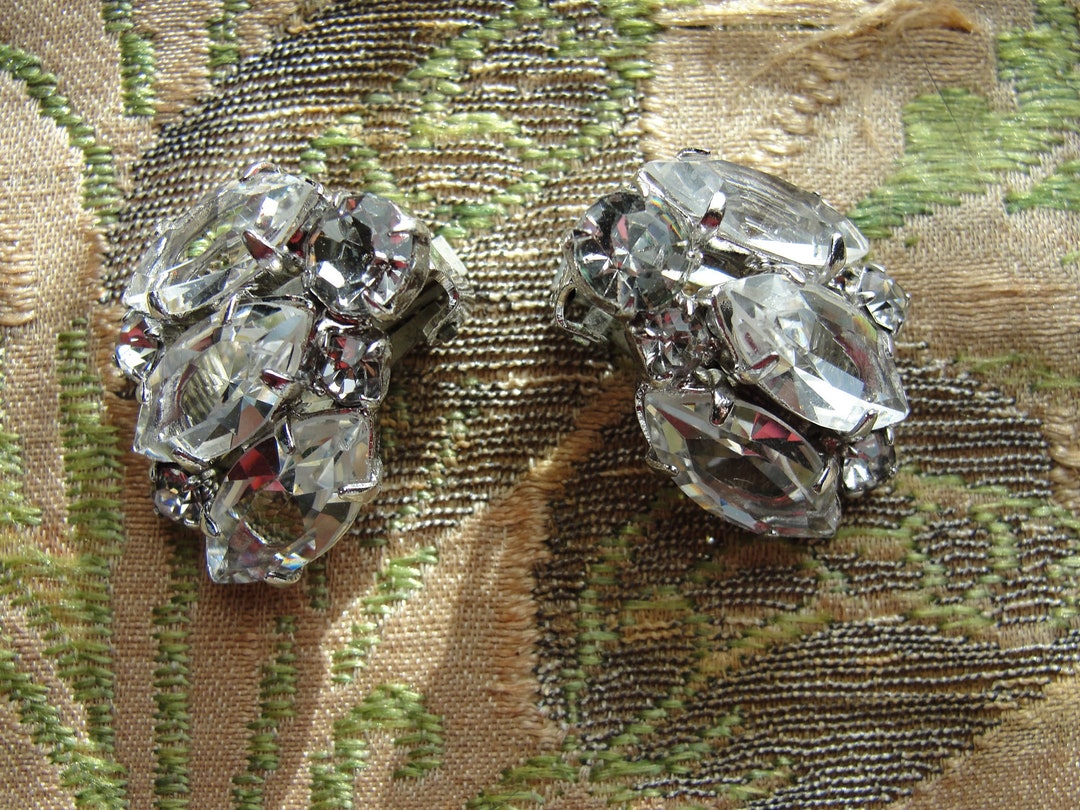
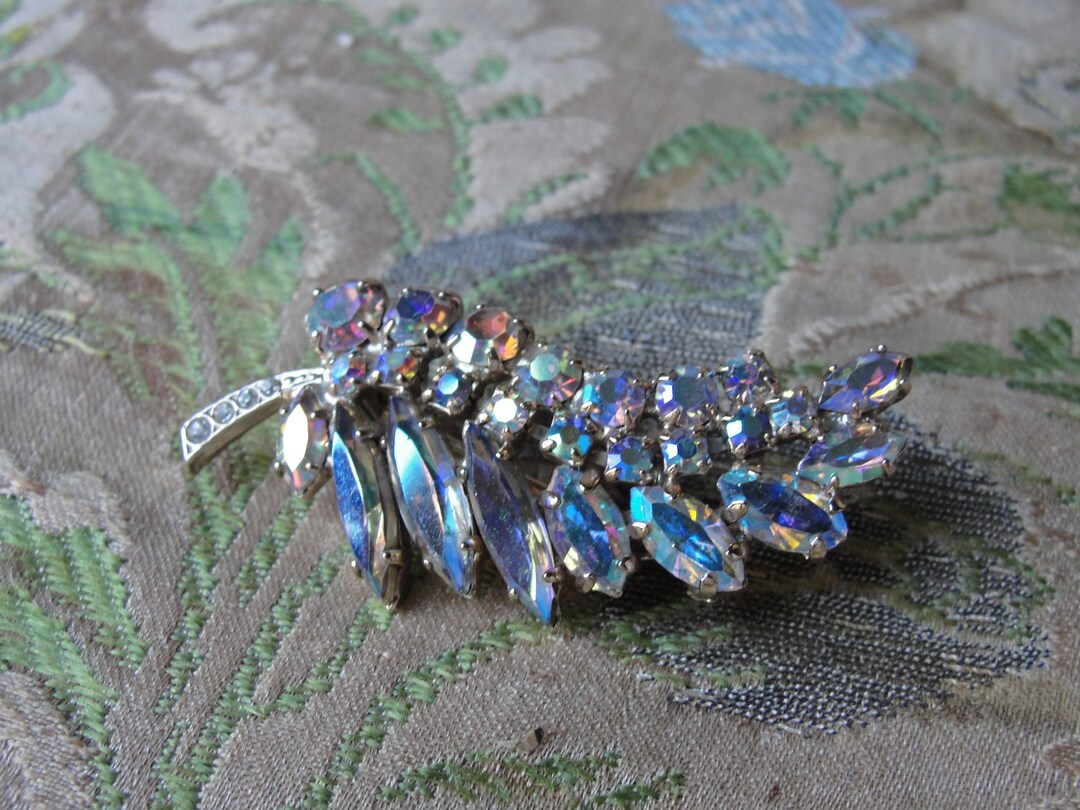
The 1950s was a defining decade for costume and fine jewelry, characterized by bold matching sets, structured silhouettes, dazzling rhinestones, and high-fashion glamour inspired by post-war optimism and couture runways. This style guide explores the materials, matching rules, iconic motifs, and styling strategies needed to authentically wear and collect sparkling vintage glamour pieces from the era.
The Aesthetic and Cultural Context of 1950s Jewelry
To understand the sparkle of 1950s jewelry, one must look at the socio-economic backdrop of the post-World War II era. The decade ushered in a cultural pivot toward suburban life, cocktail culture, and formal social events, all of which demanded high-polish accessories. Christian Dior’s 1947 "New Look"—featuring cinched waists, voluminous skirts, and exposed necklines—created an immediate demand for specific types of jewelry. Necklines needed chokers and structured collars; short sleeves called for dramatic bracelets; and elegant evening gowns required matching chandelier earrings and elaborate rhinestone brooches.
During this period, costume jewelry (often called fashion jewelry) shed any lingering stigma of being merely "fake." High-end American and European designers elevated cast metals, molded glass, and foil-backed stones into wearable art. Department stores like Neiman Marcus and Saks Fifth Avenue partnered with visionary creators to supply middle- and upper-class consumers with accessories that mirrored the opulence of real diamond and gemstone suites, but at an accessible price point.
Defining Materials and Technical Craftsmanship
Mid-century jewelry manufacturers utilized advanced metallurgy and chemical processing to achieve unprecedented levels of brilliance. Understanding these materials helps collectors distinguish genuine 1950s items from later reproductions or cheap contemporary imports.
Metals and Platings
- Japanned Metal: A glossy, black-enameled metal finish popular in the mid-to-late 1950s. It created a dramatic, high-contrast backdrop that made sparkling clear rhinestones appear even more luminous.
- White and Yellow Gold Plating: Heavy gold and rhodium plating ensured that base metals (typically brass or pot metal) did not tarnish easily. Rhodium gave white-metal pieces a bright, platinum-like sheen that resisted dulling.
- Pot Metal and Sterling Silver: Early-to-mid 50s pieces frequently utilized cast pot metal, while finer pieces or European imports utilized sterling silver bases.
Stones and Glass
- Foil-Backed Rhinestones: Cut glass stones coated with a reflective metallic foil on the back. This innovation bounced light forward, creating the signature blinding sparkle associated with 1950s cocktail jewelry.
- Aurora Borealis (AB) Crystals: Introduced by Swarovski in 1956 in collaboration with Christian Dior, AB coating applied a specialized metallic vapor treatment to the surface of crystal beads and rhinestones, producing a shimmering rainbow effect that changed colors under different lights.
- Molded Art Glass (Satsuma, Slag, and Peking Glass): Glass molded into organic shapes, mimicking jade, carnelian, and cabochon emeralds, frequently set into intricate filigree frames.
Iconic Jewelry Types and Silhouettes of the Decade
Mid-century fashion relied heavily on cohesion. Jewelry was rarely worn as a single random accent; instead, women wore carefully orchestrated suites.
The Parure and Demi-Parure
A parure is a matching set of jewelry comprising a necklace, earrings, bracelet, and brooch. A demi-parure typically includes two or three matching pieces, such as earrings and a necklace or a brooch and earrings. In the 1950s, wearing a complete demi-parure to cocktail parties, church functions, and formal dinners was standard etiquette.
Statement Brooches and Fur Clips
The brooch reached its design zenith in the 1950s. Rather than being tucked quietly onto a lapel, brooches were pinned prominently to the center of sweetheart necklines, at the waist of a dress, on hats, or fastened to fur stoles using specialized double-prong fur clips. Popular motifs included floral sprays, abstract geometric starbursts, bows, and whimsical animals encrusted in pavé-set rhinestones.
Chokers and Collar Necklaces
Because 1950s necklines favored boatnecks, scoop necks, and strapless cuts, necklaces grew shorter and wider. The standard length was a 14-to-16-inch choker that hugged the collarbone. Riveting multi-strand crystal bead necklaces and flexible rhinestone "collarettes" sat flat against the skin, catching overhead restaurant and ballroom lighting.
Comparative Overview of Mid-Century Jewelry Makers
Navigating the vintage market requires knowing which makers defined the era. The table below outlines prominent American and European designers from the 1950s, their signature styles, and notable identifying features.
| Maker / Brand | Signature Style | Key Identifying Features | Market Availability |
|---|---|---|---|
| Trifari | Sophisticated, high-fashion metalwork (Crown Trifari); faux pearls, carved "Trifanium" metal. | Crown symbol above the "T" in the maker's mark; intricate interlocking links. | High availability; highly collectible. |
| Miriam Haskell | Elaborate, baroque-inspired handmade pieces; intricate wire-work with seed pearls and glass. | Unsigned pieces identified by complex bead-weaving; oval brass cartouche stamps on later pieces. | Rare and expensive; museum-quality. |
| Eisenberg | Ultra-high-end sparkling rhinestone pieces, originally fine jewelry before shifting to costume. | Block-letter "EISENBERG" stamp; exceptional, diamond-quality Austrian stones. | Moderately rare; highly valued by collectors. |
| Coro / Corocraft | Mass-market innovators; whimsical duettes (brooches that split into two clips). | "Coro" script, Pegasus logo, or "Corocraft" marks; patented clasp mechanisms. | Extremely common; wide range of price points. |
| Juliana (D&E) | Unsigned dazzling rhinestone statement pieces designed by Delizza and Elster. | Puddle-like solder marks on the reverse, figure-8 puddling, vibrant unfoiled stones. | Collected via structural authentication; highly vibrant. |
How to Style 1950s Glamour Today
Integrating mid-century sparkling pieces into a modern wardrobe requires balancing vintage authenticity with contemporary styling restraint. Wearing a full parure with a retro-reproduction dress can easily look costume-like unless executed with intentionality.
Modernizing the Vintage Look
- The Single Statement Rule: Pair a dramatic 1950s rhinestone bib necklace with a simple, modern black turtleneck or a sleek slip dress. Let the necklace anchor the entire outfit without competing with matching earrings and bracelets.
- Denim and Diamonds: Elevate casual daytime wear—such as a crisp white button-down shirt and straight-leg jeans—by pinning a large, sparkling floral rhinestone brooch to the collar or lapel.
- Cocktail Hour Splendor: Lean into full vintage glamour for evening events. Pair a structured cocktail dress with a sparkling aurora borealis bracelet and matching clip-on earrings.
Care, Maintenance, and Storage
Vintage jewelry requires delicate handling, especially pieces manufactured in the 1950s.
- Never Submerge in Water: Many mid-century stones are foil-backed. Submerging them in water or ultrasonic cleaners will cause moisture to seep behind the stone, oxidizing the foil and turning the rhinestones dark, gray, or "dead."
- Cleaning Technique: Clean stones by dipping a cotton swab lightly in a mixture of mild dish soap and warm water, gently wiping the surface, and immediately drying the piece thoroughly with a hairdryer on a cool setting.
- Storage: Keep pieces flat in velvet-lined boxes or individual acid-free zip bags. Avoid hanging heavy beaded necklaces, as decades-old cotton or silk stringing threads can snap under tension.
Frequently Asked Questions
How can I tell if 1950s rhinestone jewelry is high quality?
Inspect the reverse side of the piece. High-end 1950s makers used closed-back or open-back settings where each stone is individually prong-set rather than glued. The metal should feature clean plating without pitting or bubbling, and the stones should exhibit fiery brilliance even in dim lighting due to high lead-content crystal or quality Austrian glass.
Are clip-on earrings from the 1950s comfortable to wear?
Mid-century clip-on earrings often feature paddle-backs or adjustable screw-backs. While secure, they can pinch after hours of wear. Modern collectors frequently slip small silicone cushion pads (available online or at craft stores) over the clips to distribute pressure evenly and enhance comfort without altering the physical structure of the vintage hardware.
Did 1950s jewelry always come signed?
Not all authentic 1950s pieces are signed. Many high-end manufacturers, such as Juliana (Delizza and Elster), typically relied on paper hangtags rather than metal stamps, which were discarded by original owners. Unsigned pieces can be authenticated by examining their construction, prongs, metal finishes, and distinctive stone-setting techniques characteristic of the decade.
What is the difference between a rhinestone and an Aurora Borealis crystal?
Standard rhinestones are clear or colored glass cut to resemble precious gems, often with a metallic foil backing to reflect light. Aurora Borealis (AB) crystals, introduced in the mid-50s, feature a microscopic iridescent metallic coating fused to the top surface of the stone, creating a multi-colored, oil-slick-like flash of blues, pinks, and golds.
Final Recommendation
When building or wearing a collection of 1950s sparkling vintage glamour jewelry, prioritize condition and structural integrity over brand names alone. Look for pieces with zero missing stones, bright un-yellowed metal platings, and secure clasps. Start with a versatile, high-impact piece—such as an aurora borealis brooch or a clear rhinestone collar necklace—and build your mid-century styling repertoire outward from there.