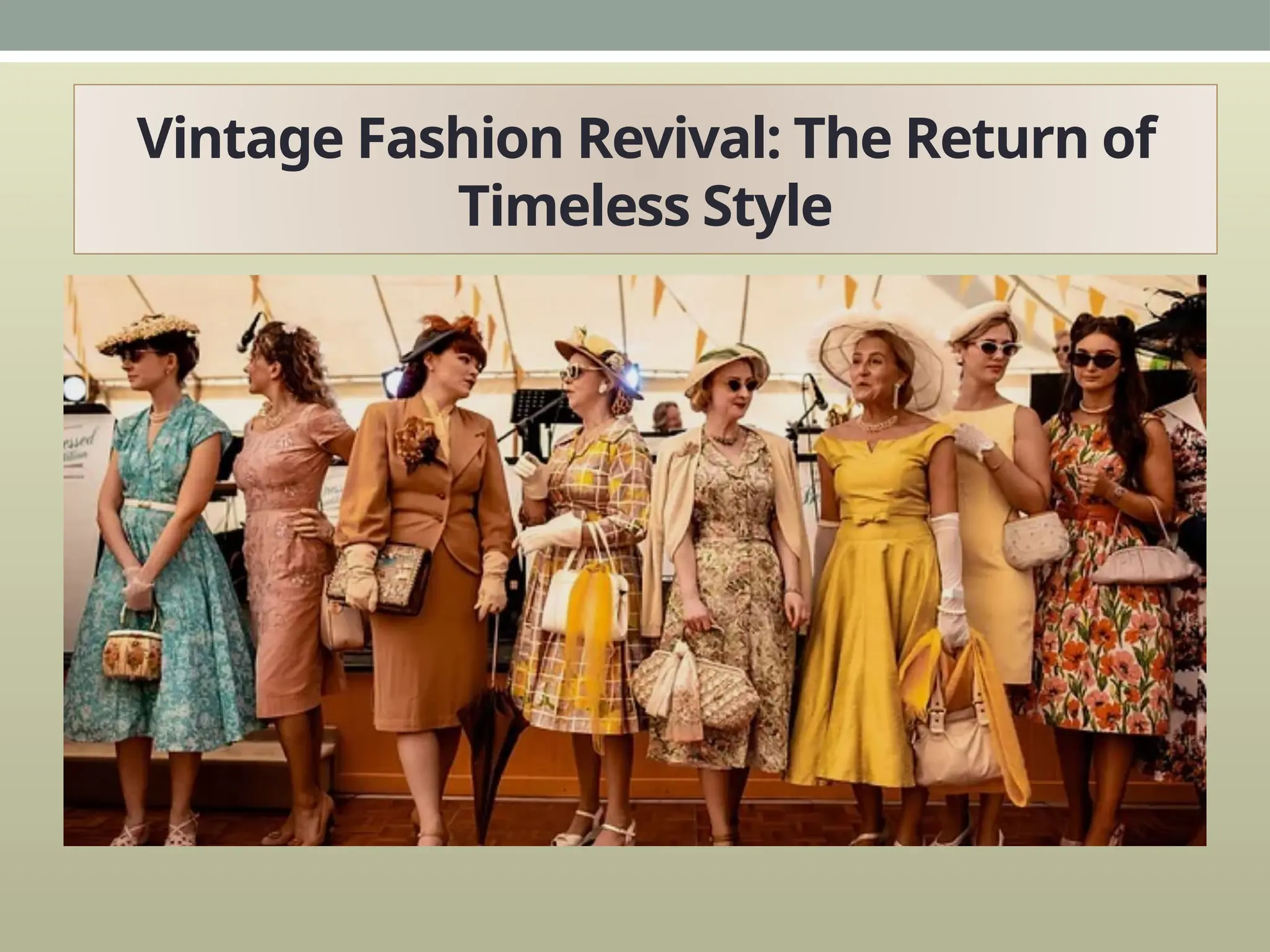
The 1950s marked a golden age of haute couture, characterized by the emergence of the professional high-fashion model who became a global style icon. This era transformed modeling from a quiet, utilitarian trade into a glamorous profession where women like Dorian Leigh, Suzy Parker, and Carmen Dell'Orefice defined an enduring standard of timeless elegance, structural silhouettes, and sophisticated grace.
The Evolution of the 1950s High-Fashion Model
The post-World War II landscape brought about a radical shift in the fashion industry. Paris reclaimed its status as the epicenter of global design, spearheaded by Christian Dior’s 1947 "New Look," which quickly dominated the entire decade of the 1950s. This revolutionary aesthetic—featuring wasp waists, voluminous skirts, padded hips, and soft shoulders—required a new kind of model. Designers and photographers needed women who could physically embody and project this hyper-feminine, meticulously structured silhouette.
Unlike the athletic, girl-next-door models of the wartime era or the hyper-relaxed precursors of the 1930s, 1950s fashion models were expected to possess an aristocratic poise, theatrical training, and immaculate grooming. They were not merely clothes-hangers; they were charismatic muses who collaborated closely with visionary couturiers like Dior, Balenciaga, Chanel, and Givenchy. These women underwent rigorous training at modeling agencies, learning how to walk with effortless balance on precarious heels, how to pivot gracefully under studio lights, and how to express complex emotional narratives through a single glance.
The modeling profession during this decade also became industrialized and internationalized. Agencies such as the Eileen Ford Agency, founded in 1946, established professional standards, managed lucrative contracts, and protected the welfare of young women entering the spotlight. Models traveled constantly between New York, Paris, Rome, and London, appearing in both exclusive salon showings for elite private clients and mass-market advertisements that reached millions through glossy magazines.
Iconic Figures Who Defined the Decade
The enduring legacy of 1950s fashion is inextricably linked to a select group of legendary models whose distinct looks and towering cultural presence shaped the visual identity of the era.
Dorian Leigh
Often cited as the first supermodel of the modern era, Dorian Leigh possessed a striking, versatile look that captivated photographers like Irving Penn and Cecil Beaton. With her expressive dark eyes, sophisticated bone structure, and incredible professionalism, Leigh was the face of Revlon’s iconic "Fire and Ice" campaign in 1952, which revolutionized cosmetics advertising by tying makeup shades to personality traits. Her career proved that models could command high fees, editorial control, and widespread public recognition.
Suzy Parker
The younger sister of Dorian Leigh, Suzy Parker brought a radiant, aristocratic energy to the 1950s runway. Standing nearly six feet tall, Parker was remarkably photogenic and became the first model to earn $100,000 a year—an astronomical sum at the time. Her luminous red hair, porcelain skin, and effortless charm made her a favorite of Richard Avedon, who frequently captured her in dynamic, cinematic motion across European capitals.
Carmen Dell'Orefice
Beginning her career as a teenager in the late 1940s, Carmen Dell'Orefice graced the cover of Vogue at age 15. Her chiseled cheekbones, regal posture, and striking skeletal elegance made her an indispensable fixture of 1950s couture. Remarkably, Dell'Orefice maintained a multi-decade career that extended well into the 21st century, serving as a living bridge between the golden age of mid-century couture and modern fashion.
Evelyn Tripp and Sunny Harnett
Evelyn Tripp exemplified the all-American elegance prized by Harper's Bazaar editor Carmel Snow and art director Alexey Brodovitch. Her clean lines and geometric grace fit seamlessly into the modernist graphic layouts of the era. Sunny Harnett, known for her dramatic intensity and sharp angles, added a sense of avant-garde edge and high-voltage glamour to fashion photography, most notably in Richard Avedon’s famous 1955 photograph of her wearing a Dior evening gown at the Parisian cabaret Les Ambassadeurs.
Defining Aesthetic Elements of 1950s Style
The visual appeal of 1950s fashion models relied heavily on a harmonious interplay between rigorous tailoring, accessories, hair styling, and makeup techniques that emphasized polished perfection.
| Design Element | Characteristics and Impact on 1950s Modeling |
|---|---|
| The New Look Silhouette | Corseted waists, bustiers, and voluminous skirts requiring upright poise. |
| Tailored Suits | Structured wool suits with nipped waists, worn with pencil skirts. |
| Millinery & Accessories | Sculptural hats, white cotton gloves, pearls, and slim stiletto heels. |
| Beauty Standard | Flawless pale foundation, winged liquid eyeliner, and bold red lips. |
| Posing Technique | Dynamic, narrative-driven motion capturing mid-stride elegance. |
The Power of Accessories
No 1950s fashion look was complete without meticulous accessorizing, which models were trained to showcase with absolute precision. White or pastel gloves were mandatory for any formal daytime appearance, requiring models to practice graceful hand gestures that drew attention to handbags, jewelry, and cigarette holders. Hats were architectural wonders—ranging from wide-brimmed cartwheel styles to snug pillbox hats—that demanded specific head angles and neck postures from the models wearing them.
Hair and Makeup Conventions
The beauty standard of the 1950s favored immaculate geometry and high-contrast color palettes. Hair was meticulously styled into sculpted waves, voluminous beehives (toward the end of the decade), or sleek ponytailed updos. Makeup emphasized luminous, matte skin paired with precise arching eyebrows, subtle neutral eyeshadow, crisp black winged eyeliner, and deeply pigmented red or coral lipstick. Models were required to maintain their skin and hair with rigorous daily regimens, as color photography was becoming standard in magazines and flaws were difficult to retouch in print.
The Revolution in Fashion Photography
The iconic status of 1950s models would not have reached legendary proportions without the concurrent revolution in fashion photography. The medium shifted away from static studio setups toward dynamic, narrative-driven imagery.
Photographers like Richard Avedon, Irving Penn, Louise Dahl-Wolfe, and Cecil Beaton redefined how clothes were presented to the public. Irving Penn utilized minimalist gray studio backdrops, focusing entirely on the sculptural form of the garment and the architectural lines of the model's body. In contrast, Richard Avedon brought his subjects out into the streets of Paris and New York, photographing models leaping over puddles, interacting with circus elephants, or dancing in cafes. This documentary-style dynamism transformed models into active participants in vibrant visual stories rather than passive mannequins.
Furthermore, the expansion of high-end fashion magazines such as Vogue, Harper's Bazaar, and Elle created a mass cultural appetite for editorial spreads. Readers did not just want to see what clothes looked like; they wanted to emulate the sophisticated lifestyles, confidence, and cosmopolitan mobility projected by models like Suzy Parker and Dorian Leigh.
Timeless Beauty and Modern Relevance
Decades after the petticoats were folded and the structured wool suits were archived in museum vaults, the aesthetic influence of 1950s fashion models remains profoundly influential. Contemporary designers continually revisit the era’s emphasis on tailoring, waist definition, and uncompromising luxury.
The concept of timeless beauty rooted in the 1950s relies on discipline, posture, and classic proportion. While subsequent decades introduced youthquakes, countercultural rebellion, and radical diversity to the runway, the mid-century ideal of the polished muse continues to represent the pinnacle of aspirational glamour. Modern luxury brands frequently reference the visual grammar of 1950s editorial spreads in global marketing campaigns, proving that the elegance of the era's top models possesses permanent resonance.
Frequently Asked Questions
What made 1950s fashion models different from previous generations?
Unlike earlier models who often worked part-time or functioned simply as anonymous mannequins, 1950s models became professional celebrities. They received specialized training in poise and movement, commanded substantial salaries, developed distinct public personas, and worked collaboratively with legendary couturiers and photographers to shape global fashion trends.
How did Christian Dior’s New Look impact modeling requirements?
Christian Dior’s 1947 New Look introduced heavily padded hips, structured bustiers, and sharply cinched waists. This required models to possess exceptional core strength, upright posture, and specific physical proportions that could support heavy fabrics and rigid undergarments while maintaining an effortless grace on the runway.
Which magazines were most influential for 1950s fashion models?
The primary publications that launched and sustained the careers of 1950s models were Vogue and Harper's Bazaar. Under the artistic direction of figures like Alexey Brodovitch at Harper's Bazaar and the lens of photographers like Richard Avedon and Irving Penn, these magazines set the global standard for high fashion imagery.
Did 1950s models work internationally?
Yes. The 1950s marked the birth of the jet-set era in fashion. Top models frequently traveled between New York and European fashion capitals like Paris, Rome, and London to participate in seasonal salon presentations, editorial shoots, and advertising campaigns, establishing a truly globalized modeling market.
Next Actions and Exploration
To further appreciate the artistry and cultural impact of 1950s fashion models, explore archival collections at institutions such as the Metropolitan Museum of Art’s Costume Institute or the Victoria and Albert Museum. Reviewing bound volumes of mid-century Vogue and Harper's Bazaar provides direct insight into the photographic techniques and editorial layouts that immortalized these iconic style legends.