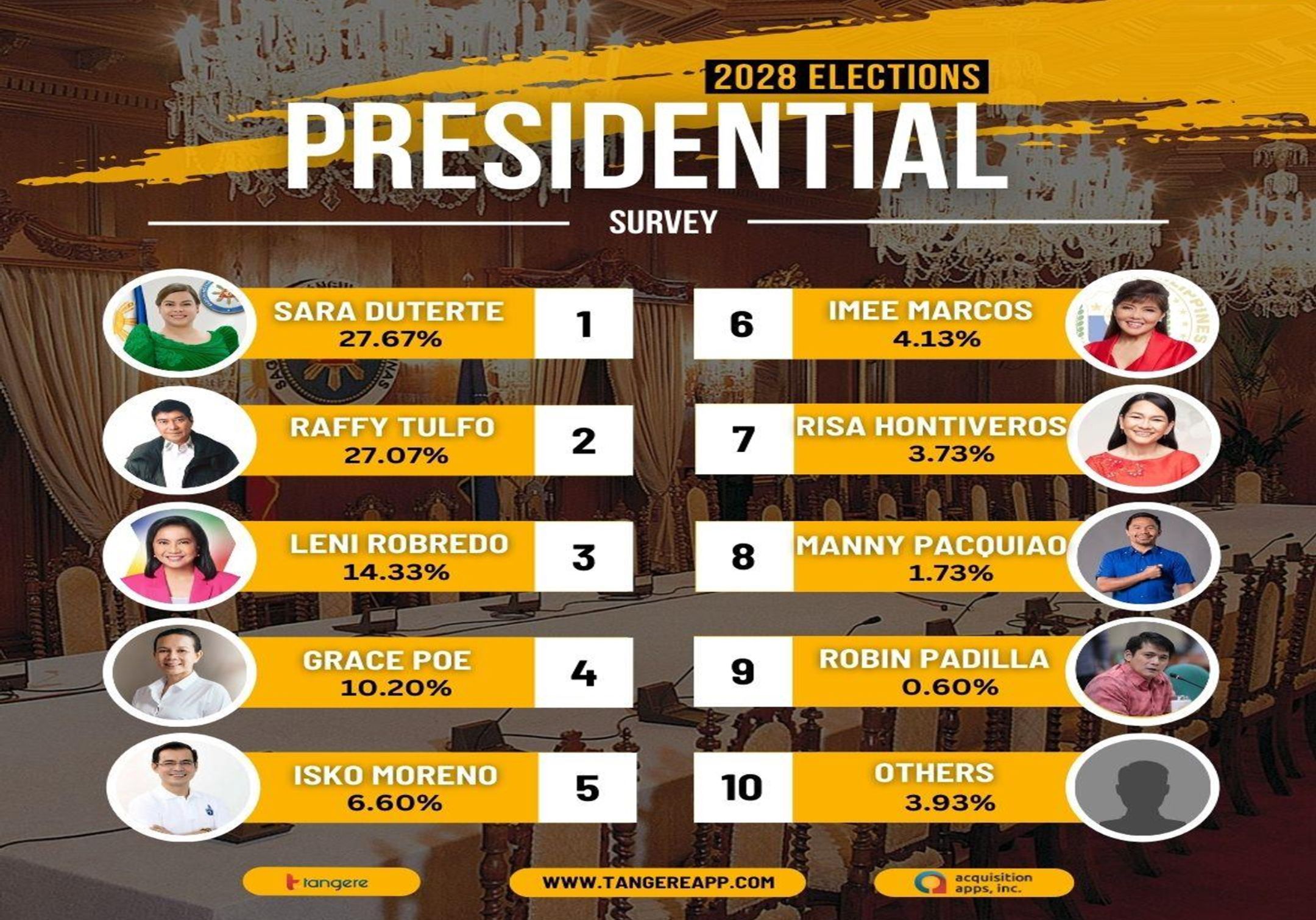
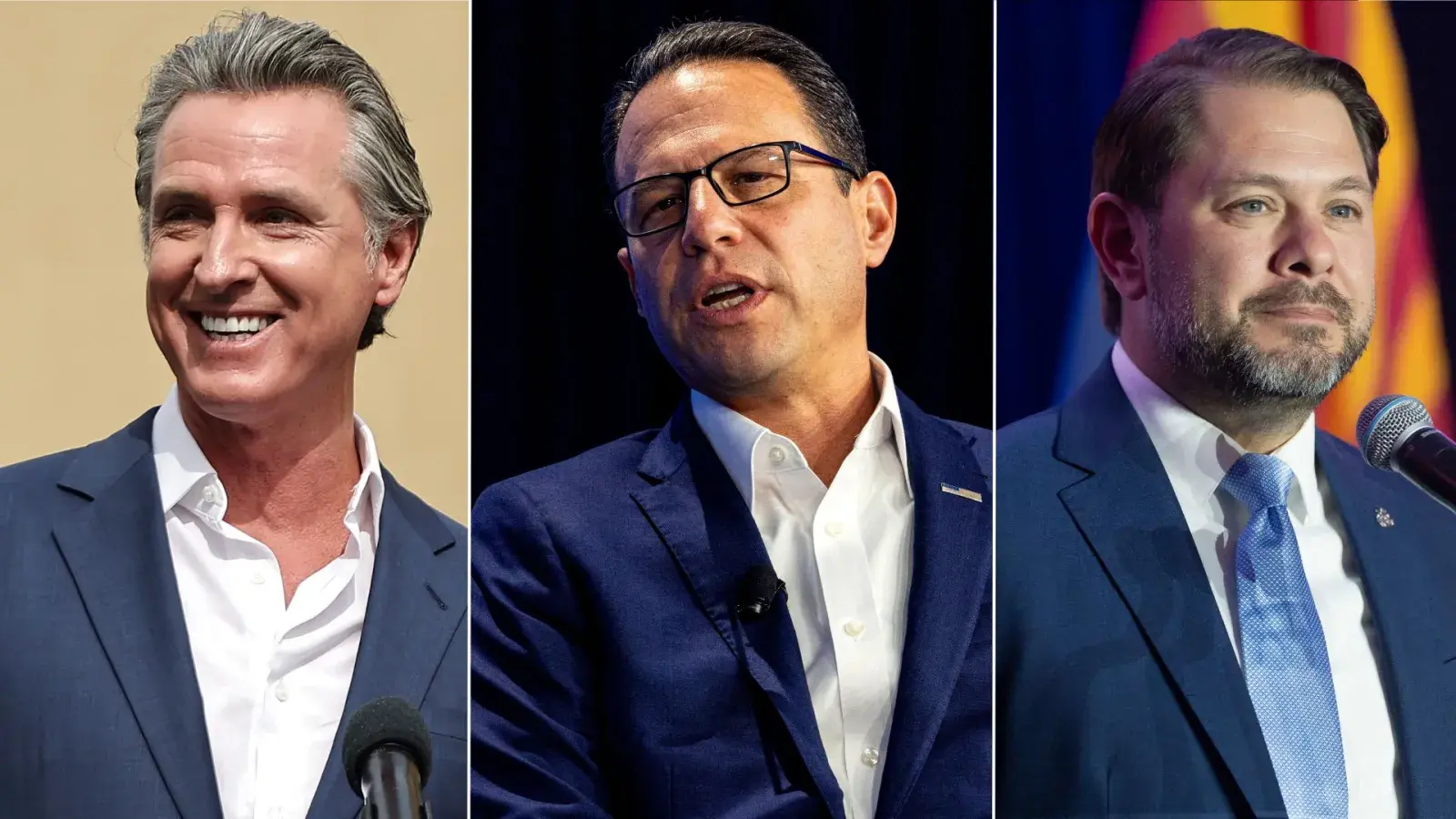
The race for the 2028 United States presidential election has officially begun, marked by early exploratory steps, fundraising maneuvers, and political positioning from prominent figures within both major political parties. While no major candidates have formally launched full-scale presidential campaigns this far in advance due to Federal Election Commission (FEC) guidelines and strategic pacing, several high-profile politicians, governors, and senators have taken preliminary actions to signal their intentions, establish political action committees (PACs), and build national networks.
Understanding the Early 2028 Presidential Landscape
The timeline for American presidential elections is uniquely protracted. Years before voters head to the polls, a quiet shadow campaign takes shape. Potential contenders use this preliminary window—often referred to as the invisible primary—to secure financial backing, test campaign messaging, and cultivate relationships with key donors, party leaders, and grassroots activists in critical early-voting states like Iowa, New Hampshire, and South Carolina.
As of 2026, the political landscape is heavily influenced by the shifting dynamics of both the Democratic and Republican parties following the mid-term elections. Potential candidates are carefully balancing their current legislative or executive responsibilities with the rigorous demands of national campaigning. Official announcements—formal declarations filed with the FEC—typically ramp up significantly during the year preceding the primaries, meaning the current period is defined primarily by exploratory committee formations, leadership PAC distributions, and speculative tours.
Potential Democratic Contenders and Early Signalers
The Democratic Party faces a period of strategic reassessment and leadership renewal. With a deep bench of governors, federal lawmakers, and municipal leaders, several figures are widely discussed as prospective 2028 candidates, either through direct statements, exploratory movements, or heavy travel schedules to pivotal political events.
Governors and State Executives
State executives often command strong interest from primary voters due to their executive experience and proven ability to win statewide elections.
- Gavin Newsom: The Governor of California has maintained a high national profile, frequently engaging in cross-country political events, media appearances, and policy debates. While he has not formally announced a 2028 bid, his political network and fundraising apparatus are structured to support a national campaign.
- Gretchen Whitmer: Having secured decisive victories in Michigan, Whitmer remains a frequently cited potential candidate. Her focus has centered on regional economic policies and reproductive rights, making her a formidable voice within the party.
- Josh Shapiro: The Governor of Pennsylvania represents a critical battleground state. Shapiro's electoral success and communication style have drawn national attention, positioning him as a viable contender for a top-tier national ticket.
- Andy Beshear: Winning re-election as a Democrat in a traditionally conservative state like Kentucky has elevated Beshear's national standing. His pragmatic approach and appeal across partisan lines make him a frequent fixture in 2028 discussions.
Federal Lawmakers and National Figures
In addition to governors, several prominent federal officials and party leaders are monitoring the political climate for a potential entry into the race. While serving in the Senate or House provides a national platform, federal legislators often face the challenge of balancing legislative votes with the continuous travel required for a modern presidential campaign.
Potential Republican Contenders and Early Signalers
The Republican Party's trajectory for 2028 is similarly dynamic, shaped by the post-Trump political era and a new generation of conservative leaders aiming to capture the party's populist and establishment wings.
High-Profile Governors and Senators
- Ron DeSantis: The Governor of Florida retains a substantial national following and a robust fundraising network established during his previous presidential run, keeping him prominent in early discussions for 2028.
- J.D. Vance: As Vice President, Vance naturally commands a central position in the Republican ecosystem, establishing him as one of the most influential figures in the party's future direction.
- Brian Kemp: The Governor of Georgia has maintained strong conservative credentials while winning successive terms in a vital swing state, drawing support from establishment-leaning donors and primary voters.
- Glenn Youngkin: The Governor of Virginia has focused heavily on education reform and economic policy, maintaining a profile that appeals to suburban and conservative voters alike.
Comparison of Early 2028 Candidate Categories
The following table outlines the primary categories of prospective candidates, their current political positioning, and their strategic advantages as the 2028 cycle develops.
| Candidate Category | Typical Background | Primary Advantages | Common Strategic Challenges |
|---|---|---|---|
| State Governors | Executive branch management, statewide electoral wins | Proven executive record, ability to point to legislative achievements | Managing a state government while campaigning nationally; lower initial name recognition outside home region |
| Federal Lawmakers | Congressional experience, national media visibility | Deep policy expertise, established national fundraising networks | Legislative voting records can be weaponized by opponents; time constraints due to Washington duties |
| Out-of-Office Executives | Business leaders, former cabinet secretaries, military figures | Fresh perspective, freedom from current legislative baggage | Lack of a ready-made legislative record or built-in party apparatus |
What to Expect: The Roadmap to 2028
Navigating the years leading up to the presidential election involves a predictable sequence of political, legal, and logistical milestones. Understanding this roadmap helps voters and observers separate serious contenders from exploratory long-longshots.
1. Fundraising and Political Action Committees (PACs)
Long before an official declaration, prospective candidates establish Leadership PACs or 527 organizations. These entities allow potential contenders to travel, hire staff, commission polling, and donate to down-ballot candidates, building goodwill and loyalty among party stakeholders.
2. Exploratory Committees and Official FEC Filings
Under Federal Election Commission regulations, an individual becomes a legal candidate once they raise or spend more than $5,000 in contributions or expenditures. Many prospective contenders will form exploratory committees first, allowing them to test the waters legally before making a definitive public declaration.
3. The Invisible Primary and Early State Retail Politics
The months preceding the official primary debates are characterized by intensive retail politics. Candidates will spend disproportionate amounts of time attending steak fries in Iowa, house parties in New Hampshire, and faith forums in South Carolina. Media coverage during this phase heavily influences momentum, fundraising potential, and early polling standing.
4. Debates and Primary Voting
The formal primary season kicks off in early 2028 with state-level caucuses and primaries. Debates serve as critical inflection points, allowing lesser-known candidates to break through the noise and established front-runners to defend their records.
Frequently Asked Questions
Who has officially announced their candidacy for president in 2028?
As of 2026, no major candidates have formally filed official candidacy papers with the Federal Election Commission for the 2028 presidential election. Most prospective contenders are currently in exploratory phases, using leadership PACs to build infrastructure and raise funds.
When do candidates typically announce their runs for president?
Historically, most major presidential candidates announce their intention to run or form exploratory committees between 12 and 18 months before the primary elections begin—typically translating to late 2026 or throughout 2027 for the 2028 cycle. Early announcements are occasionally made to secure financial advantages, but late entrants are also common.
What is the difference between an exploratory committee and an official campaign?
An exploratory committee allows a potential candidate to gauge public support, test campaign themes, and raise limited funds without making a legally binding commitment to run for office. Once a candidate formally launches an official campaign, all financial contributions and expenditures must comply strictly with FEC candidate reporting guidelines.
How do candidates qualify for the primary debate stages?
Debate qualification criteria are set independently by the national committees of each political party or by media sponsors. Criteria typically include minimum thresholds in recognized national or state polls, a specific number of individual campaign donors, and formal filing status with the Federal Election Commission.
What role do early-voting states play in the 2028 primary process?
States like Iowa, New Hampshire, and South Carolina traditionally host the first caucuses and primaries. Success or failure in these states generates vital media momentum, influences donor confidence, and can dramatically reshape the trajectory of a presidential campaign.
Practical Next Steps for Political Observers
For citizens and political analysts tracking the unfolding 2028 election cycle, relying on verified primary sources is essential. Monitor official Federal Election Commission filings for concrete data on campaign finance and exploratory committee formations. Follow non-partisan organizations and verified local and national journalistic outlets for objective reporting on candidate travel, policy speeches, and organizational hires rather than relying solely on speculative commentary or social media trends.