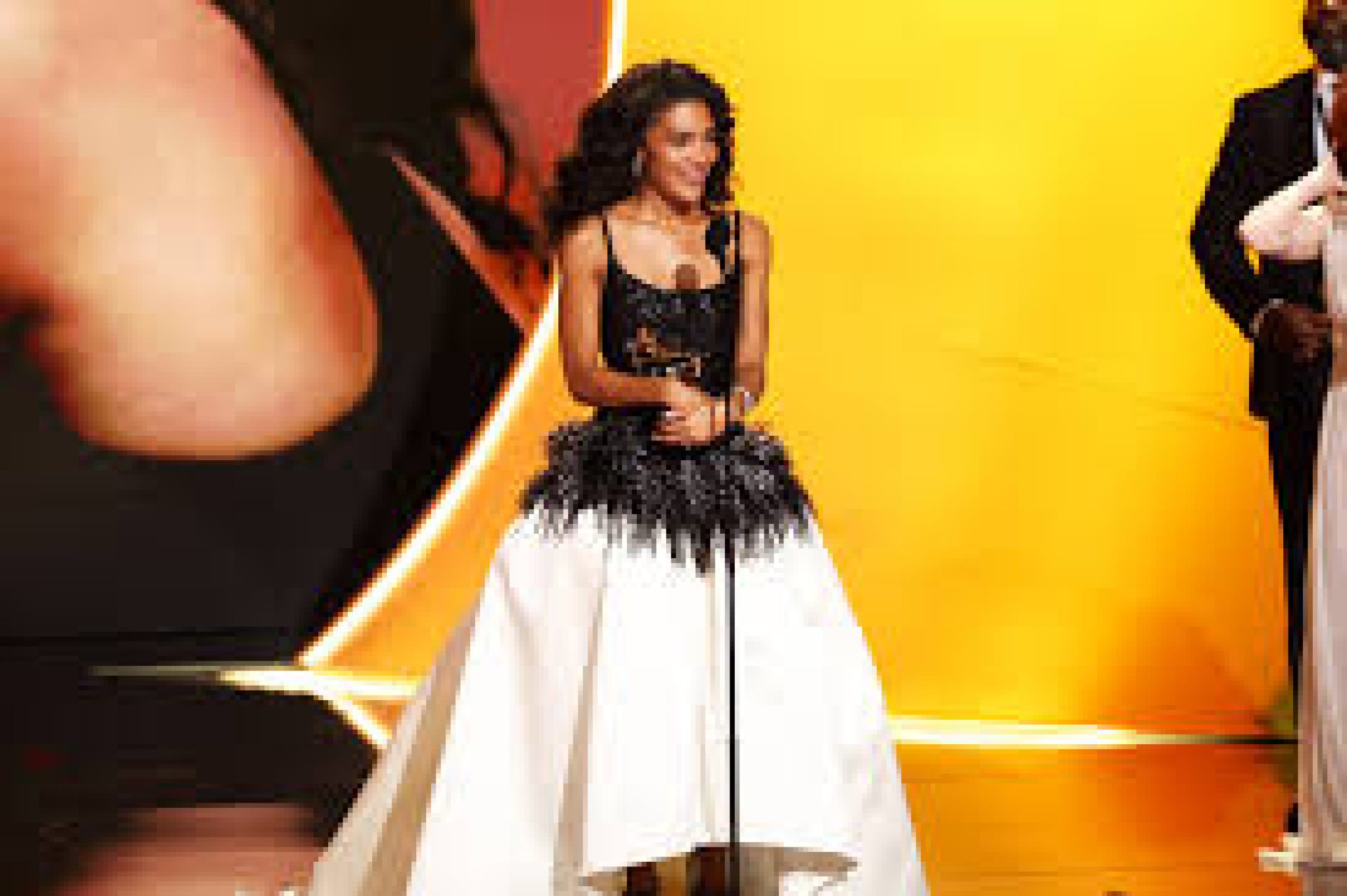
The 51st Grammy Awards, held on February 8, 2009, at the Staples Center in Los Angeles, celebrated the finest recordings, compositions, and artists of the eligibility year spanning late 2007 through late 2008. Dominated by Robert Plant, Alison Krauss, Coldplay, Adele, and Lil Wayne, the ceremony captured a transitional era in the music industry defined by the collision of traditional roots music, digital distribution shifts, and commercial pop dominance.
Introduction to the 51st Grammy Awards Ceremony
The 51st Annual Grammy Awards function as a fascinating historical snapshot of the music industry at the close of the 2000s. Produced by Ken Ehrlich and broadcast on CBS, the evening was marked by high-profile collaborations, live television surprises, and a generational shift in how critical acclaim and commercial success intersected. While veteran acts and legacy collaborations dominated the top-tier general field categories, a new wave of alternative rock, hip-hop, and emerging pop artists established a firm foothold that would shape the decade to come.
Understanding the results of the 2009 ceremony requires looking beyond simple trophy counts. The event took place against the backdrop of an evolving physical and digital marketplace, where traditional album sales faced increasing disruption from digital downloads, yet physical CDs remained the primary currency for major physical retail chains. The Recording Academy’s voting members, comprising thousands of working music professionals, weighed massive radio blockbusters against critically adored niche projects, producing a distribution of awards that surprised casual viewers while rewarding cross-genre artistry.
Major General Field Winners
The "Big Four" general field categories—Album of the Year, Record of the Year, Song of the Year, and Best New Artist—represent the apex of achievement at the Grammy Awards, crossing genre boundaries to honor the most impactful works of the eligibility cycle.
Album of the Year
The most coveted prize of the evening went to Robert Plant and Alison Krauss for Raising Sand. Produced by T Bone Burnett, this Americana and bluegrass collaboration defied the conventional pop-heavy profile of Album of the Year winners. The record bested a formidable field that included Coldplay’s Viva la Vida or Death and All His Friends, Radiohead’s In Rainbows, Ne-Yo’s Year of the Gentleman, and Lil Wayne’s blockbuster Tha Carter III. The victory signaled a profound appreciation for roots-oriented studio craftsmanship, atmospheric production, and artistic reinvention.
Record of the Year
Coldplay captured Record of the Year for their anthemic track "Viva la Vida." Written and performed by the British rock band, the song became a global cultural touchstone, driven by its distinct string arrangements and striking lyrical themes. The track triumphed over stiff competition, including Robert Plant and Alison Krauss's "Please Read the Letter," Adele's breakout single "Chasing Pavements," Leona Lewis's vocal showcase "Bleeding Love," and M.I.A.'s high-energy urban track "Paper Planes."
Song of the Year
Song of the Year honors the songwriters behind a composition. Coldplay claimed this prize as well for "Viva la Vida," acknowledging the songwriting collective of Guy Berryman, Jonny Buckland, Will Champion, and Chris Martin. This category highlights composition separate from performance, edging out strong contenders such as Adele's "Chasing Pavements," Jason Mraz's acoustic smash "I'm Yours," Sara Bareilles's piano ballad "Love Song," and Estelle featuring Kanye West's "American Boy."
Best New Artist
The Best New Artist category spotlighted the future of the industry, with British songstress Adele taking home the gramophone. Emerging right at the cusp of her global superstardom following the release of her debut album 19 (available for reference via Official Billboard Charts), Adele's victory preceded her historic commercial dominance with subsequent releases. She edged out a diverse slate of nominees that included Duffy, Jonas Brothers, Lady Antebellum, and Jazmine Sullivan.
| Category | Winner | Notable Nominees |
|---|---|---|
| Album of the Year | Raising Sand – Robert Plant & Alison Krauss | Viva la Vida – Coldplay; In Rainbows – Radiohead; Tha Carter III – Lil Wayne |
| Record of the Year | "Viva la Vida" – Coldplay | "Chasing Pavements" – Adele; "Paper Planes" – M.I.A.; "Bleeding Love" – Leona Lewis |
| Song of the Year | "Viva la Vida" – Coldplay (Songwriters) | "Love Song" – Sara Bareilles; "I'm Yours" – Jason Mraz; "American Boy" – Estelle & Kanye West |
| Best New Artist | Adele | Duffy, Jonas Brothers, Lady Antebellum, Jazmine Sullivan |
Genre-Specific Highlights and Key Victories
Beyond the general field, the genre-specific categories at the 51st Grammy Awards highlighted moments of significant commercial output and critical triumph across pop, rock, hip-hop, R&B, and country music.
Pop and Rock Categories
In the pop field, Duffy claimed Best Pop Vocal Album for her retro-soul breakout Rockferry, capturing the commercial and critical momentum of the British blue-eyed soul wave of the late 2000s. Best Female Pop Vocal Performance went to Adele for "Chasing Pavements," while Best Male Pop Vocal Performance was awarded to John Mayer for "Say."
In rock, Coldplay secured Best Rock Album for Viva la Vida or Death and All His Friends. The band also won Best Rock Performance by a Duo or Group with Vocals for "Viva la Vida," while Radiohead took home Best Alternative Music Album for the groundbreaking digital-release experiment In Rainbows.
Rap and R&B Categories
Hip-hop saw a massive showing from Lil Wayne, whose Tha Carter III dominated the charts throughout 2008. The album won Best Rap Album, while his ubiquitous single "Lollipop" (featuring Static Major) earned Best Rap Song. Best Rap Solo Performance was awarded to Lil Wayne for "A Milli," cementing his commercial and artistic peak for that era. Best Rap Performance by a Duo or Group went to Jay-Z, T.I., Kanye West, and Lil Wayne for their powerhouse collaboration "Swagga Like Us."
In the R&B realm, Jennifer Hudson delivered a career-defining moment by winning Best R&B Album for her self-titled debut album, a victory that resonated deeply following personal tragedy and showcased her powerhouse vocal pedigree. Alicia Keys won Best Female R&B Vocal Performance for "Superwoman," while Ne-Yo secured Best Male R&B Vocal Performance for "Miss Independent."
Key Takeaways from the 51st Grammy Awards
Analyzing the 2009 Grammy Awards reveals several underlying trends that explain how the music industry operated at the end of the physical CD era and the beginning of the modern streaming landscape.
1. The Triumph of Cross-Genre Collaboration
The multi-Grammy sweep by Robert Plant and Alison Krauss for Raising Sand underscored the Academy's long-standing affinity for high-art Americana and roots fusion. By pairing a legendary Led Zeppelin frontman with a bluegrass icon under the production guidance of T Bone Burnett, the project proved that bridging distinct musical lineages could captivate voting members who often favored mainstream pop or rock.
2. The Rise of the British Invasion Wave
The 2009 ceremony served as a formal coronation for British talent across multiple age and genre brackets. Coldplay cemented their status as a premier global stadium act by sweeping major rock and general field categories. Simultaneously, newcomers Adele and Duffy signaled that soulful, British vocal-centric pop and retro-soul were capturing the international public's imagination, paving the way for the global pop landscape of the ensuing decade.
3. Hip-Hop's Commercial Peak Meets Institutional Recognition
Lil Wayne's dominant showing with Tha Carter III highlighted a moment when a rap artist could achieve absolute commercial saturation while maintaining critical validation. Although Album of the Year eluded him, his sweep of the rap categories demonstrated that the Recording Academy was increasingly acknowledging the dominant cultural impact of contemporary hip-hop within major release cycles.
4. Digital Distribution Pressures and the Album Format
Nominees like Radiohead's In Rainbows—which famously pioneered a pay-what-you-want digital download model before receiving a physical retail release—forced the industry to confront shifting delivery mechanisms. Despite these digital disruptions, traditional, cohesive studio albums produced with high-fidelity engineering (such as Raising Sand and Viva la Vida) continued to capture the highest honors from voting peers.
Frequently Asked Questions
Who won Album of the Year at the 2009 Grammy Awards?
Robert Plant and Alison Krauss won Album of the Year for their critically acclaimed collaborative album Raising Sand. Produced by T Bone Burnett, the album beat out major commercial contenders from Coldplay, Radiohead, Ne-Yo, and Lil Wayne.
How many awards did Coldplay win in 2009?
Coldplay won three Grammy Awards at the 51st ceremony: Record of the Year ("Viva la Vida"), Song of the Year ("Viva la Vida"), and Best Rock Album (Viva la Vida or Death and All His Friends). They had been nominated for seven awards total that evening.
Was Adele famous when she won Best New Artist in 2009?
In 2009, Adele was an emerging international artist rather than the global megastar she would later become. Her debut album 19 had established her critically in the United Kingdom and earned early praise stateside, but winning Best New Artist at the Grammys served as the definitive catalyst for her broader American and global breakthrough.
Which rap artist dominated the 2009 Grammy nominations and wins?
Lil Wayne led the rap field at the 51st Grammy Awards with eight nominations, ultimately winning three trophies: Best Rap Album for Tha Carter III, Best Rap Solo Performance for "A Milli," and Best Rap Song for "Lollipop."
Where did the 51st Grammy Awards take place?
The 51st Annual Grammy Awards ceremony was held on February 8, 2009, at the Staples Center in Los Angeles, California, and was broadcast live on the CBS television network.
Conclusion and Historical Significance
The 2009 Grammy Awards remain a fascinating study in musical contrasts. They honored the traditional craftsmanship of roots music and classic rock songwriting while acknowledging the rising tide of alternative rock, contemporary hip-hop, and British soul. For listeners and music historians, looking back at the 51st ceremony offers clear insight into the exact moment the industry balanced its traditional past with the contemporary sounds that would define the 21st century.