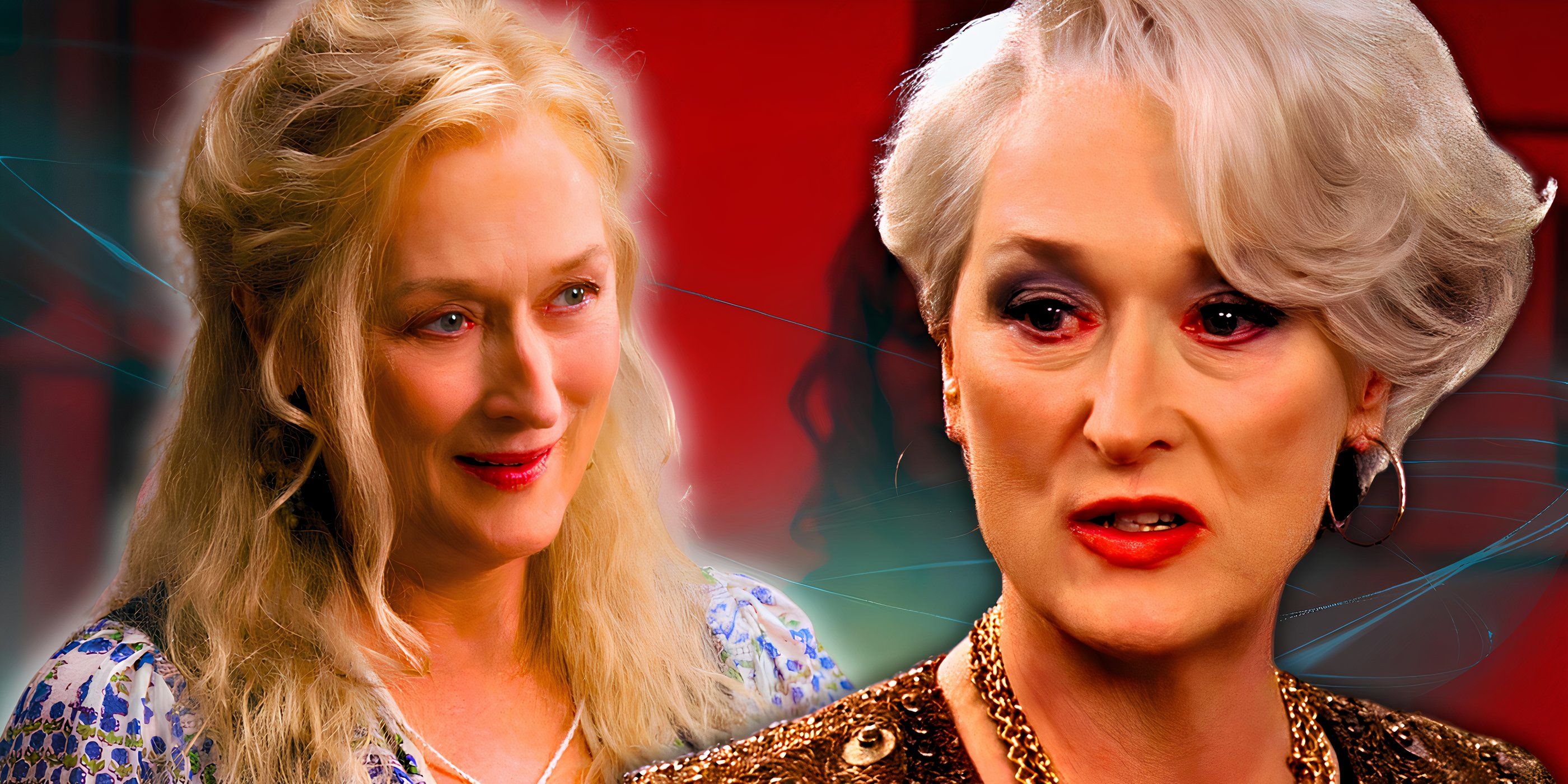
Meryl Streep’s sole major film release in 1994 was the high-stakes action-thriller The River Wild, directed by Curtis Hanson. Portraying former river guide Gail Hartman, Streep redefined the parameters of female-led action cinema by executing her own strenuous whitewater rafting stunts and earning Golden Globe and Screen Actors Guild Award nominations.
1. Meryl Streep’s Career Context in 1994
By 1994, Meryl Streep was universally recognized as one of cinema’s most formidable dramatic actors. Having already won two Academy Awards—Best Supporting Actress for Kramer vs. Kramer (1979) and Best Actress for Sophie’s Choice (1982)—she entered the 1990s deliberately expanding her artistic range. She moved beyond period dramas and accent-heavy classical roles to explore black comedy (Death Becomes Her, 1992) and epic ensemble pieces (The House of the Spirits, 1993).
- 1992: Death Becomes Her (Dark Comedy)
- 1993: The House of the Spirits (Ensemble Drama)
- 1994: The River Wild (Action / Physical Thriller)
- 1995: The Bridges of Madison County (Romantic Drama)
The release of The River Wild on September 30, 1994, marked a pivotal departure into physical action filmmaking. In the early 1990s, mainstream action thrillers were heavily dominated by male leads such as Arnold Schwarzenegger, Sylvester Stallone, and Harrison Ford. Studio executives rarely greenlit outdoor adventure pictures built entirely around a middle-aged mother and professional educator. Streep’s decision to accept the role of Gail Hartman challenged prevailing Hollywood casting conventions, demonstrating that a dramatic virtuoso could command an adrenaline-driven studio picture without sacrificing character depth or emotional realism.
2. Complete Breakdown of The River Wild (1994)
Plot and Narrative Arc
The River Wild follows Gail Hartman (Streep), a former Boston river guide and current teacher for deaf children, who arranges a rafting trip down Montana’s Kootenai and Salmon rivers to celebrate her son Roarke’s (Joseph Mazzello) tenth birthday. Joining them is Gail’s husband, Tom (David Strathairn), a workaholic Boston architect whose strained relationship with his family threatens to dismantle their marriage.
The trip takes a dangerous turn when the family encounters two stranded rafters, Wade (Kevin Bacon) and Terry (John C. Reilly). Although initially appearing friendly, Wade and Terry are quickly revealed to be armed bank robbers fleeing a homicide and a $600,000 heist. Realizing that Gail possesses the rare navigation skills required to row a raft through "The Gauntlet"—a notoriously lethal section of white water that has been closed to commercial passage—Wade takes the family hostage at gunpoint.
- Hartman Family Rafting Trip
- Encounter with Wade & Terry
- Hostage Situation & Escaped Robbers
- Forced Navigation through "The Gauntlet"
- Tactical Climax at the Rapids
As the raft moves deeper into the wilderness, Gail must balance maternal protection, tactical deception, and extreme physical endurance. Meanwhile, Tom uses his spatial intelligence as an architect to hike ahead of the raft, setting up tactical traps along the riverbank to save his family before they reach the deadly rapids at the end of the run.
Character Analysis: Gail Hartman
Gail Hartman represents a unique departure from traditional 1990s action protagonists. Rather than relying on firearm proficiency or martial arts expertise, Gail's authority stems from her deep environmental literacy, physical muscle memory, and psychological resilience.
Streep imbues Gail with an understated authority. In the film's opening sequence, her paddling mechanics and river commands reflect genuine technical knowledge rather than Hollywood posturing. As the hostage tension escalates, Gail becomes an analytical strategist, evaluating river current speeds, water depth, and Wade's volatile mental state to exploit moments of vulnerability.
The Antagonist and Ensemble Dynamic
The dramatic tension of The River Wild relies heavily on the counterweight provided by Kevin Bacon as Wade. Bacon plays the antagonist with charismatic instability, masking violent intent under a veneer of working-class charm. His dynamic with Streep’s character creates a psychological chess match where control shifts between physical force (Wade’s gun) and environmental control (Gail’s oar).
David Strathairn provides a grounded counterpoint as Tom Hartman. Rather than undergoing an unrealistically rapid transformation into an action hero, Tom relies on persistence, spatial planning, and improvisational survival tactics. John C. Reilly plays Terry as the dim-witted but dangerous accomplice, whose hesitation highlights Wade's sociopathy. Joseph Mazzello delivers a believable performance as Roarke, avoiding typical child-in-peril tropes by acting as an attentive participant in the family's survival strategy.
3. Production, Physical Stunts, and Filming Locations
On-Set Realism and Stuntwork
Unlike modern digital action features, The River Wild was produced prior to the widespread use of green-screen imagery and computer-generated water effects. Director Curtis Hanson and producer David Foster insisted on location filming, requiring the primary cast to undergo rigorous physical preparation.
- Physical Preparation
- Whitewater Kayaking
- Oar Mechanics & Safety
- High-Risk On-Location Shooting
- Extreme Rapids Execution ("The Gauntlet")
Streep trained extensively in river-kayaking and heavy-oar rafting mechanics prior to production. She performed roughly 90% of her own water stunts, including navigating Class IV rapids. During the filming of the movie’s climax, a hazardous water current capsized the boat after director Curtis Hanson requested an additional take in turbulent water. Streep was thrown into freezing river rapids and swept beneath the raft before being pulled out by safety personnel. This incident prompted Streep to set firm physical boundaries with Hanson for the remainder of principal photography.
Filming Locations
To recreate the fictionalized, continuous river journey depicted in Denis O'Neill’s screenplay, the production utilized multiple North American river systems:
- Kootenai River (Montana): The primary backdrop for the initial, calmer stretches of the journey, filmed downstream from the Kootenai Falls.
- Rogue River (Oregon): Used extensively for technical rapids shooting, particularly around the "Blossom Bar" and "Grave Creek" sections, known for tight technical channels and dangerous boulder fields.
- Middle Fork of the Salmon River (Idaho): Provided isolated canyon vistas and high-walled wilderness backdrops.
Cinematographer Robert Elswit utilized custom-built, water-sealed camera rigs mounted directly onto specialized chase boats and trailing rafts. This allowed the camera to sit inches above the waterline, capturing the authentic speed of the current and the genuine physical exertion of the actors.
4. Technical and Production Specifications
The following table summarizes the technical details, box office performance, and industry reception for The River Wild (1994):
| Production Attribute | Technical / Historical Detail |
|---|---|
| Primary Release Date | September 30, 1994 (United States) |
| Director | Curtis Hanson |
| Screenwriter | Denis O'Neill |
| Cinematographer | Robert Elswit |
| Primary Musical Composer | Jerry Goldsmith (Replaced Maurice Jarre) |
| Production Companies | Universal Pictures, Turman-Foster Company |
| Production Budget | $45 million |
| Worldwide Box Office | ~$94.2 million |
| Running Time | 111 minutes |
| Primary Filming Locations | Kootenai River (MT), Rogue River (OR), Salmon River (ID) |
| Major Nominations | Golden Globe: Best Actress (Streep), Best Supporting Actor (Bacon)SAG Award: Outstanding Female Lead (Streep) |
5. Comparative Analysis: Streep’s 1990s Filmography Context
To understand how The River Wild fits into Meryl Streep’s career trajectory, it is useful to evaluate her key projects across the mid-1990s. The table below details the shift in genres, physical demands, and critical accolades surrounding her 1994 performance.
| Year | Film Title | Genre | Streep's Character | Primary Performance Focus | Key Accolades |
|---|---|---|---|---|---|
| 1992 | Death Becomes Her | Black Comedy / Fantasy | Madeline Ashton | Satirical timing, physical comedy, visual effects work | Golden Globe Nomination |
| 1993 | The House of the Spirits | Period Drama | Clara del Valle Trueba | Epic dramatic narrative, literary accent adaptation | Czech Lion Nomination |
| 1994 | The River Wild | Action Thriller | Gail Hartman | Physical endurance, stunt execution, maternal tension | Golden Globe & SAG Nominations |
| 1995 | The Bridges of Madison County | Romantic Drama | Francesca Johnson | Dialect work, intimate romantic drama, emotional nuance | Academy Award & Golden Globe Nominations |
| 1996 | Marvin's Room | Family Drama | Lee Lacker | Domestic realism, character study, dysfunctional family dynamics | Golden Globe Nomination |
6. Critical Reception and Awards Recognition
Box Office Performance
The River Wild opened at #1 at the North American box office during its launch weekend in late September 1994, earning $10.2 million in its first three days. It maintained steady theatrical momentum through autumn, eventually grossing $46.8 million domestically and an additional $47.4 million internationally, bringing its global theatrical total to approximately $94.2 million. Given its $45 million production budget, the film was a solid commercial success for Universal Pictures.
Critical Response
Critical commentary centered on Streep's ability to ground a mainstream genre thriller with dramatic authenticity. Film critics praised the physical commitment of the cast and Curtis Hanson's tight pacing.
Roger Ebert highlighted Streep's ability to convey practical intelligence, noting that her performance elevated a standard wilderness premise into a convincing survival drama. Reviews praised Jerry Goldsmith’s dramatic orchestral score—which replaced an earlier rejected score by Maurice Jarre—for enhancing the narrative's tension without overpowering the natural environmental soundscapes.
- Critical & Industry Reception
- Golden Globe Nominations
- Best Actress (Drama)
- Best Supporting Actor (Bacon)
- Inaugural SAG Nominations
- Outstanding Female Lead
- Golden Globe Nominations
Major Industry Nominations
Streep’s performance in The River Wild was formally recognized across the major industry award bodies during the 1994–1995 awards season:
- Golden Globe Awards (52nd Ceremony):
- Nominated: Best Actress in a Motion Picture – Drama (Meryl Streep)
- Nominated: Best Supporting Actor in a Motion Picture (Kevin Bacon)
- Screen Actors Guild Awards (1st Annual Ceremony):
- Nominated: Outstanding Performance by a Female Actor in a Leading Role (Meryl Streep)
Her nomination at the inaugural SAG Awards was significant because it signaled that her peers respected the craft and physical execution required for an action-thriller role just as much as traditional dramatic period pieces.
7. Modern Legacy and Where to Stream
More than three decades after its original theatrical run, The River Wild remains a notable milestone in Meryl Streep’s filmography. It demonstrated that prestige dramatic actors could take on demanding action roles without compromising artistic integrity. Furthermore, it served as a crucial directoral success for Curtis Hanson, proving his ability to manage high-budget suspense set-pieces shortly before he directed his Oscar-winning masterpiece L.A. Confidential (1997).
Current Distribution and Viewing Options
For film scholars and casual audiences seeking to view Meryl Streep’s 1994 output today:
- Streaming Platforms: The River Wild rotates regularly across major subscription platforms, including Peacock, Starz, and Netflix (subject to regional licensing agreements).
- Digital Video on Demand (VOD): Available for purchase and rental in high-definition and 4K digital formats across major video storefronts including Apple TV, Amazon Prime Video, Google Play, and Vudu.
- Physical Media: Standard Blu-ray and DVD editions are readily accessible through physical entertainment retailers, offering behind-the-scenes featurettes on the whitewater stunt execution and audio commentary tracks.
Frequently Asked Questions
Did Meryl Streep release any other movies in 1994?
No. The River Wild was Meryl Streep's only theatrical feature film released in calendar year 1994. While she worked on early pre-production and filming for The Bridges of Madison County late in 1994, that film was not released in theaters until June 1995.
Did Meryl Streep perform her own stunts in The River Wild?
Yes. Streep performed roughly 90% of her own rowing, paddling, and water stunts in The River Wild. She underwent rigorous whitewater kayaking and river-rafting training prior to filming. A professional stunt double was utilized primarily for extreme, high-risk drop sequences through dangerous rapids.
What awards was Meryl Streep nominated for in 1994?
For her performance as Gail Hartman in The River Wild, Streep earned a Golden Globe nomination for Best Actress in a Motion Picture – Drama and a Screen Actors Guild (SAG) Award nomination for Outstanding Performance by a Female Actor in a Leading Role.
Who directed The River Wild and where was it filmed?
The River Wild was directed by Curtis Hanson. The film was shot on location along actual river systems in North America, including the Kootenai River in Montana, the Rogue River in Oregon, and the Middle Fork of the Salmon River in Idaho.
How did The River Wild perform at the box office?
The River Wild was a commercial success. Produced on a budget of $45 million, it earned $46.8 million in North America and $47.4 million internationally, bringing its total worldwide box office gross to $94.2 million.
Final Takeaways for Film Enthusiasts
For viewers exploring Meryl Streep’s extensive career, The River Wild (1994) represents a rare opportunity to see one of cinema's greatest dramatic artists tackle physical action and wilderness survival. Rather than relying on modern CGI, the film captures genuine physical danger, real location shooting, and strong ensemble chemistry between Streep, Kevin Bacon, and David Strathairn.
To fully appreciate Streep's mid-1990s versatility, consider pairing a viewing of The River Wild with her performance in The Bridges of Madison County (1995). The contrast between a whitewater action heroine and a quiet, emotionally delicate romantic lead highlights why Streep remains an unparalleled figure in American screen acting.