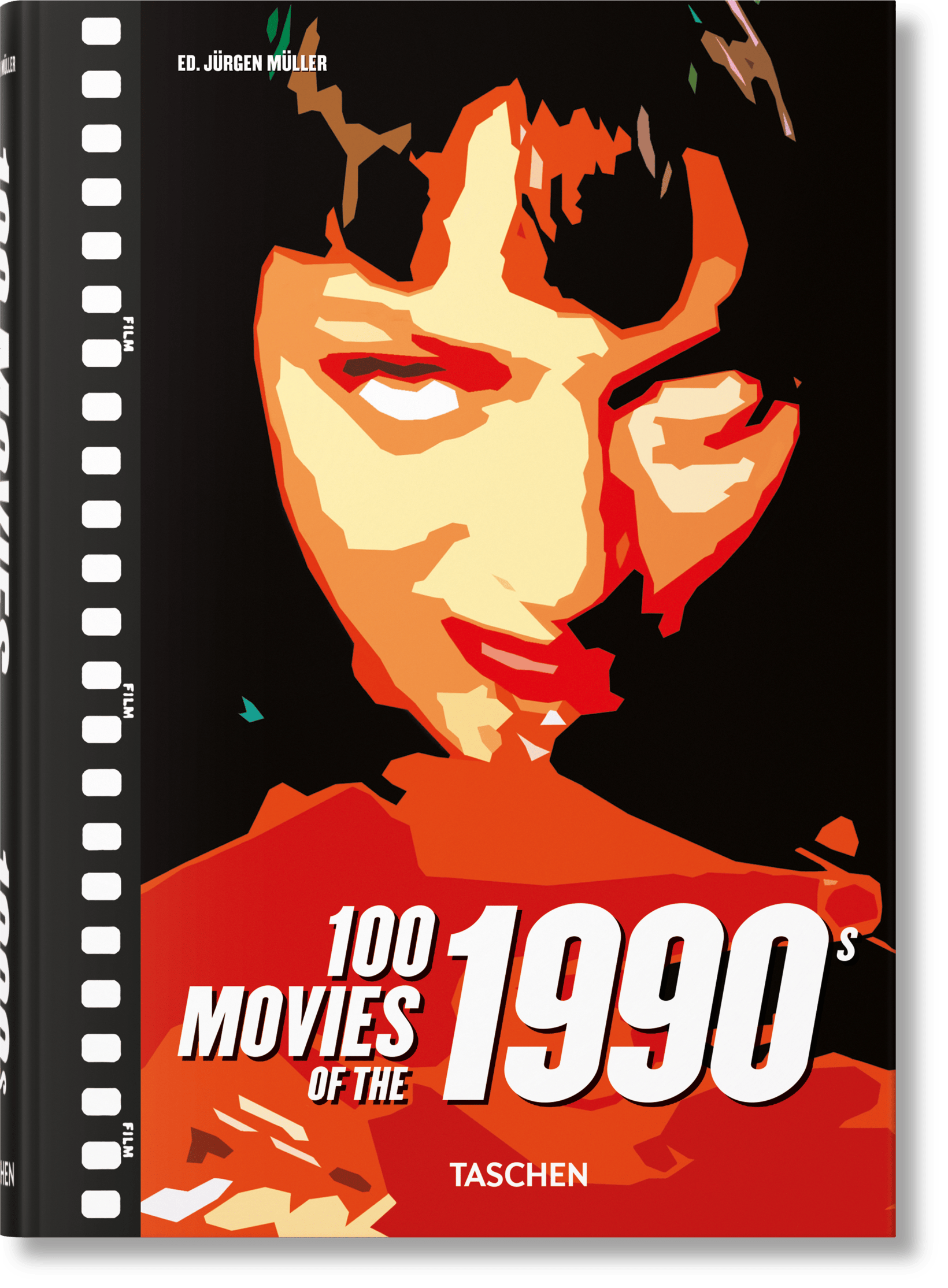
The 1990s was a transformative decade for cinema, marked by the explosive rise of independent filmmaking, the dawn of computer-generated visual effects, and a massive shift in studio financing and global distribution. Bridging the gap between the gritty practical-effects era of the 1980s and the high-definition digital landscape of the 2000s, 1990s cinema redefined narrative structures, mainstreamed blockbuster culture, and established new benchmarks for cinematic artistry and commercial viability.
The Landscape of 1990s Cinema: An Era of Transition
The cinematic landscape of the 1990s was defined by a unique tension between commercial excess and artistic rebellion. At the beginning of the decade, major Hollywood studios were still recovering from the financial volatility of the late 1980s, leading to a temporary reliance on high-concept thrillers, family comedies, and mid-budget dramas. However, the mid-to-late 1990s completely shattered traditional production models.
This transformation was driven by three primary forces:
- The Digital Revolution: The introduction of advanced computer-generated imagery (CGI), spearheaded by milestones like Terminator 2: Judgment Day (1991) and fully realized in Jurassic Park (1993), changed what could be shown on screen.
- The Indie Boom: The massive critical and commercial success of independent films—most notably Quentin Tarantino’s Pulp Fiction (1994) and Steven Soderbergh’s sex, lies, and videotape (1989/1990)—proved that low-budget, auteur-driven cinema could capture global audiences and reshape studio acquisition strategies.
- The Global Box Office Expansion: Studios increasingly targeted international markets, prioritizing high-concept event movies that relied on visual spectacle rather than dialogue-heavy premises, paving the way for the modern global franchise era.
Technological Shifts: From Practical Mastery to Digital Frontiers
For over a century, filmmaking relied on physical media, optical printer composites, and practical makeup effects. The 1990s served as the bridge where photochemical filmmaking met digital compositing and rendering.
While films like Jurassic Park famously utilized a hybrid approach—combining Stan Winston’s groundbreaking animatronics with Industrial Light & Magic’s digital dinosaurs—it signaled a permanent shift in industry standards. By 1995, Pixar Animation Studios released Toy Story, the first entirely computer-animated feature film, proving that digital storytelling could achieve both commercial dominance and deep emotional resonance.
Simultaneously, sound design underwent a revolution. The widespread adoption of digital sound formats such as Dolby Digital and DTS transformed the theatrical experience. Soundscapes became immersive, dynamic, and vital to narrative tension, changing how filmmakers mixed dialogue, score, and sound effects.
The Independent Film Explosion and Sundance Culture
The most culturally impactful movement of the decade was the independent film boom. Sparked by the revitalization of the Sundance Film Festival under Robert Redford, specialty divisions of major studios (such as Miramax, Sony Pictures Classics, and New Line Cinema) began aggressively financing and distributing non-studio pictures.
[Traditional Studio System] ---> High-Budget Sequels & Safe Bets [Sundance Catalyst] ---> Auteur-Driven & Low-Budget Narratives [Specialty Divisions] ---> Acquired and Distributed Indie Hits globally
This ecosystem allowed distinct cinematic voices to reach mainstream multiplexes. Filmmakers such as the Coen brothers, Richard Linklater, Spike Lee, Paul Thomas Anderson, and David Fincher crafted idiosyncratic narratives that subverted conventional Hollywood tropes.
- Non-Linear Storytelling: Films like Pulp Fiction and The Usual Suspects (1995) popularized fractured chronologies, unreliable narrators, and complex puzzle-box plots.
- Moral Ambiguity: Protagonists were no longer strictly heroic; antiheroes, sociopaths, and morally compromised characters took center stage, mirroring shifting cultural attitudes toward authority and institutions.
Genre Redefinition and Blockbuster Mechanics
The 1990s fundamentally altered how Hollywood constructed blockbusters. The high-concept formula established in the 1980s evolved into globe-spanning event cinema characterized by massive marketing campaigns, merchandising tie-ins, and simultaneous international releases.
Sci-Fi and Action
Action cinema shifted away from the indestructible, muscled protagonists of the previous decade toward vulnerable, everyman heroes caught in extraordinary circumstances. Die Hard (1988) set the template, but 1990s entries like The Matrix (1999) synthesized martial arts choreography, cyberpunk philosophy, and cutting-edge bullet-time visual effects to herald a new science fiction paradigm. Meanwhile, disaster epics like Independence Day (1996) and Titanic (1997) proved the enduring appeal of the shared theatrical spectacle.
Psychological Thrillers and Neo-Noir
The decade experienced a massive resurgence in dark, atmospheric thrillers. Films such as The Silence of the Lambs (1991) and Se7en (1995) established a grim, rain-slicked aesthetic that influenced crime dramas for decades. These films relied on forensic detail, institutional corruption, and psychological cat-and-mouse dynamics, appealing to mature audiences looking for intellectual stimulation alongside suspense.
Comparative Overview of Cinematic Eras
| Feature / Element | 1980s Cinema | 1990s Cinema | 2000s Cinema |
|---|---|---|---|
| Visual Effects Primary Tool | Practical effects, stop-motion, optical compositing | Hybrid practical/CGI, early digital compositing | Fully digital pipelines, CGI dominance |
| Distribution Model | Regional staggered theatrical rollouts | Wide saturation booking, emerging global day-and-date | Global franchise synchronization, IMAX expansion |
| Independent Film Status | Peripheral, art-house, niche distribution | Mainstream commercial force, major festival acquisition wars | Absorbed into studio specialty arms / mini-majors |
| Sound Technology | Analog stereo, Dolby Surround (Matrix) | Dolby Digital, DTS, digital theatrical soundscapes | Uncompressed digital audio, immersive sound formats |
Global Cinemas and International Breakthroughs
While Hollywood dominated global box office receipts, international cinema experienced vital movements that challenged Western narrative conventions.
- East Asian Cinema: Hong Kong action cinema achieved unprecedented Western crossover success, driven by the kinetic choreography and charisma of Jackie Chan, John Woo’s operatic gun-fu masterpieces like Hard Boiled (1992), and Wong Kar-wai’s moody, visually intoxicating romances like Chungking Express (1994).
- European Art House: European cinema continued to produce challenging works, while Iranian cinema gained international critical acclaim through humanist masterpieces characterized by poetic realism and child protagonists, such as Abbas Kiarostami’s Close-Up (1990) and Majid Majidi’s Children of Heaven (1997).
The Legacy and Preservation of 1990s Films
Today, 1990s cinema occupies a distinct cultural space of nostalgia and historical study. The physical transition from celluloid to digital workflows means that many films from this era represent the peak of photochemical craftsmanship combined with the infancy of digital enhancement. Film archives and preservationists continuously work to maintain original camera negatives, striking a balance between analog restoration and modern 4K digital transfers.
The decade demonstrated that commercial viability and artistic innovation could coexist on a massive scale, leaving a blueprint for contemporary franchise management and independent distribution alike.
Frequently Asked Questions
What made 1990s cinema unique compared to other decades?
The 1990s stood out due to the convergence of the independent film movement and the introduction of digital visual effects. It was a bridge era where gritty, character-driven storytelling coexisted with the birth of modern computer-generated blockbusters, creating unprecedented diversity in mainstream releases.
How did the rise of independent film change Hollywood in the 1990s?
The critical and financial success of independent films forced major studios to establish specialty divisions to acquire and distribute low-budget, auteur-driven projects. This shift proved that alternative narratives and edgier subject matter could generate substantial profits and win major awards.
What were the most significant technological advancements in 1990s films?
The most notable technological shifts included the integration of CGI for characters and environments, pioneered by films like Jurassic Park and Terminator 2: Judgment Day, the release of the first fully computer-animated feature (Toy Story), and the widespread adoption of digital sound formats.
Did international cinema influence Hollywood during this period?
Yes. Hong Kong action directors and actors successfully transitioned to Hollywood, bringing dynamic camera movements and elaborate fight choreography that permanently altered American action filmmaking standards.
How are 1990s films preserved for modern audiences?
Archivists preserve 1990s films by maintaining original physical camera negatives while creating high-resolution digital master files (such as 4K restorations) to ensure these hybrid-era works remain accessible for future generations.
Practical Next Steps for Film Enthusiasts
To deeply appreciate 1990s cinema, explore beyond blockbuster hits by studying regional movements and independent milestones. Research the production histories of hybrid CGI films to understand the technical constraints of early digital effects. Seek out restored physical media releases or curated streaming archives that offer director commentaries and contextual documentaries detailing how the industry navigated this transitional decade.