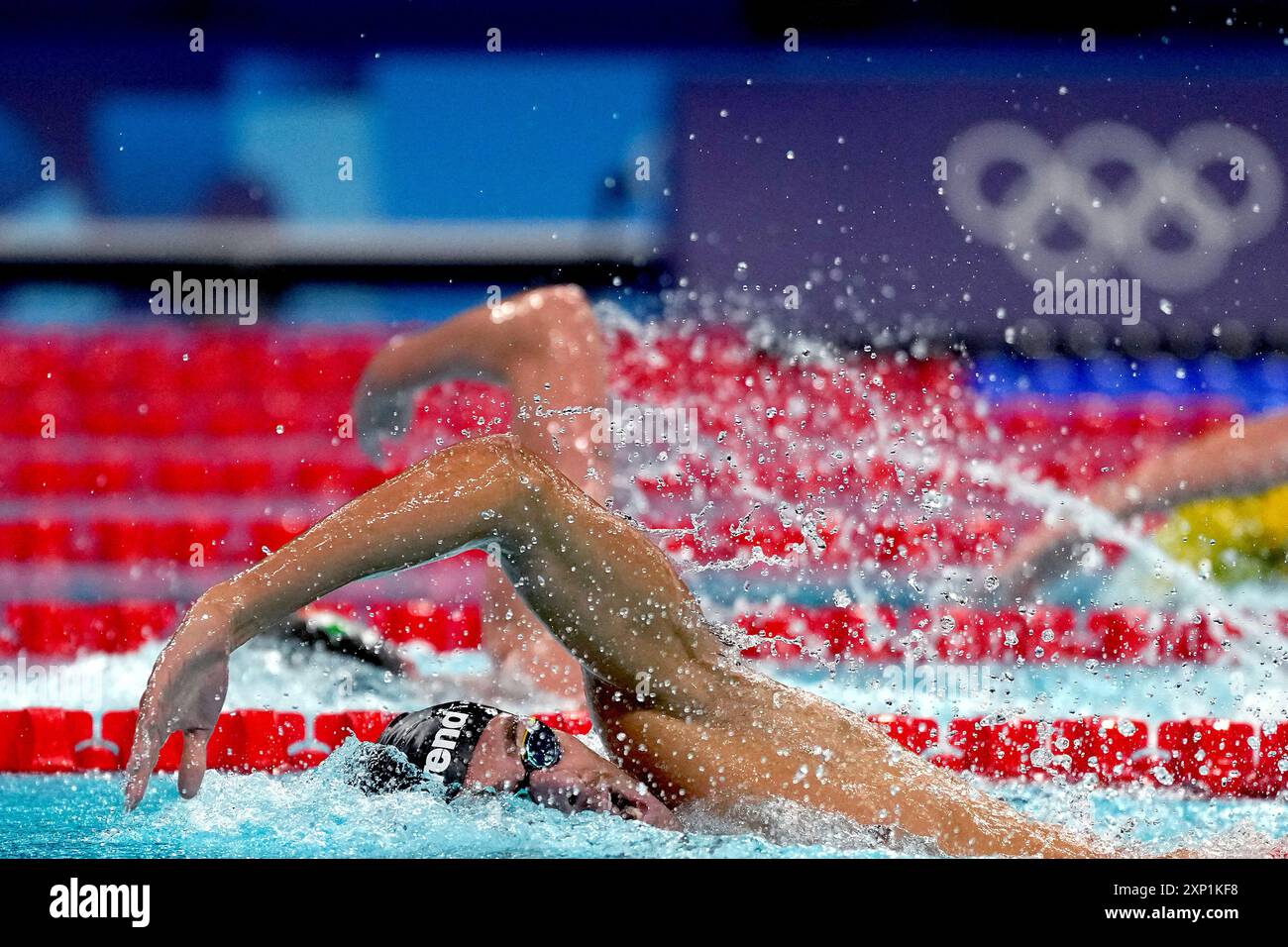
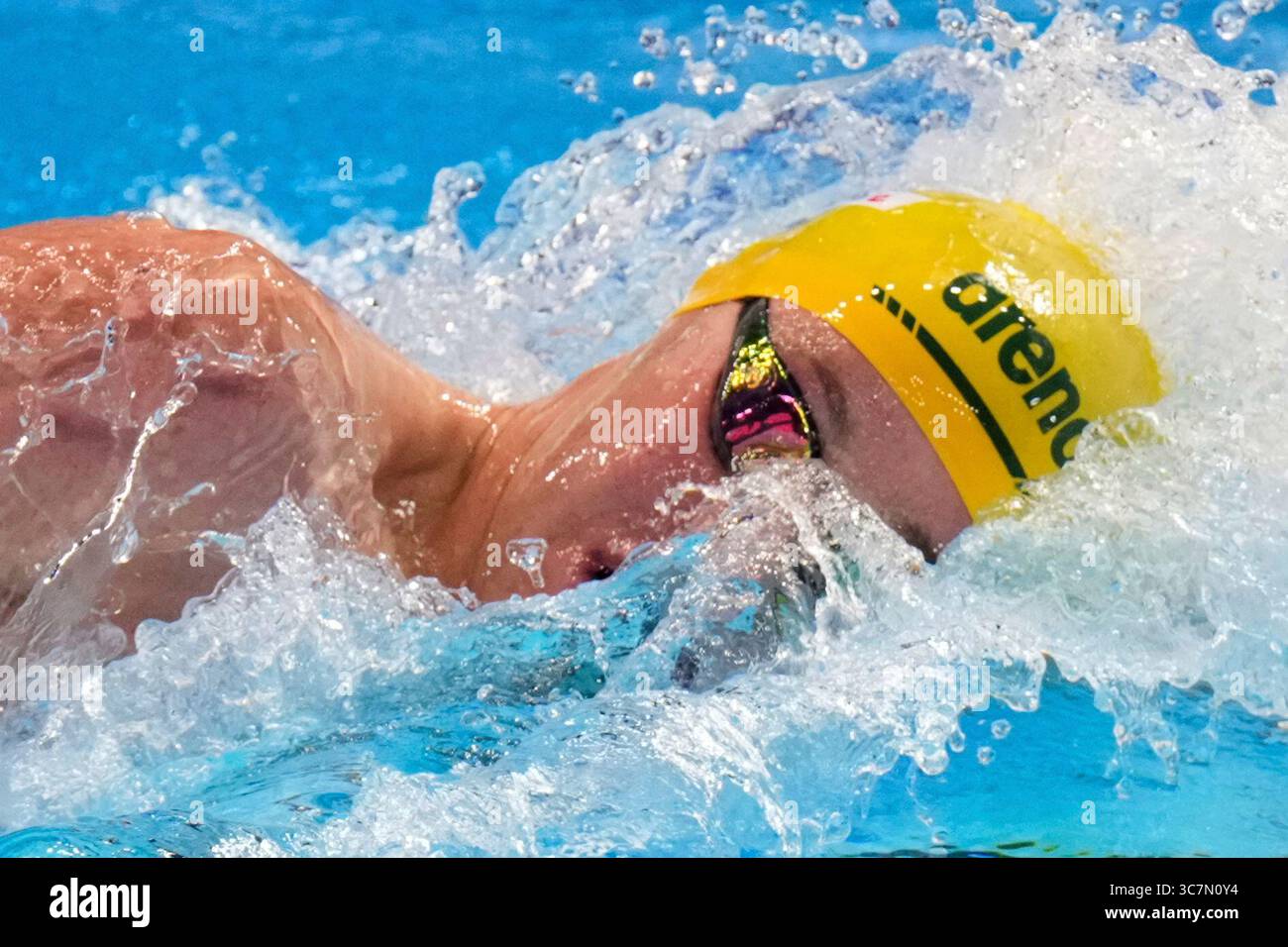
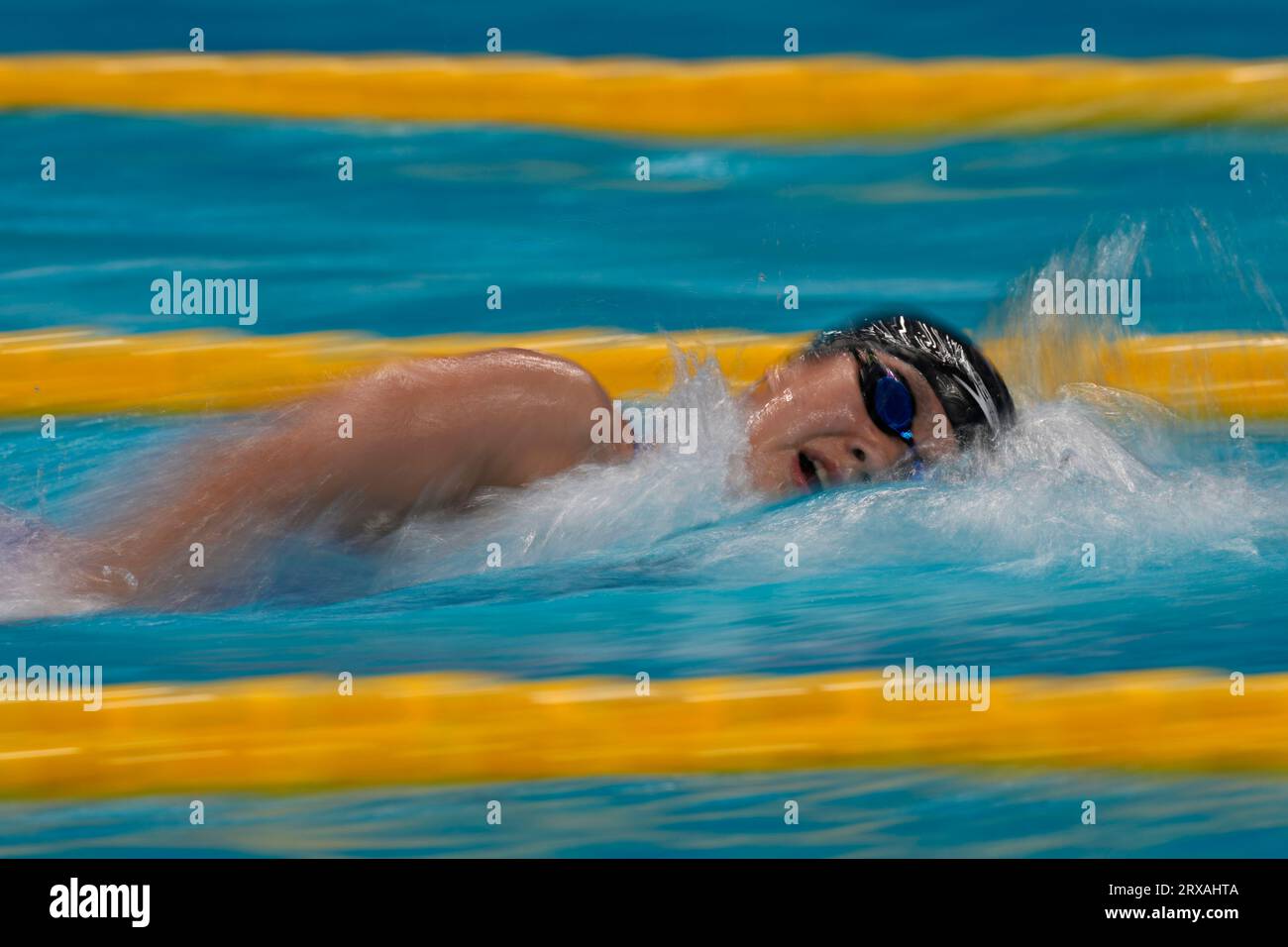
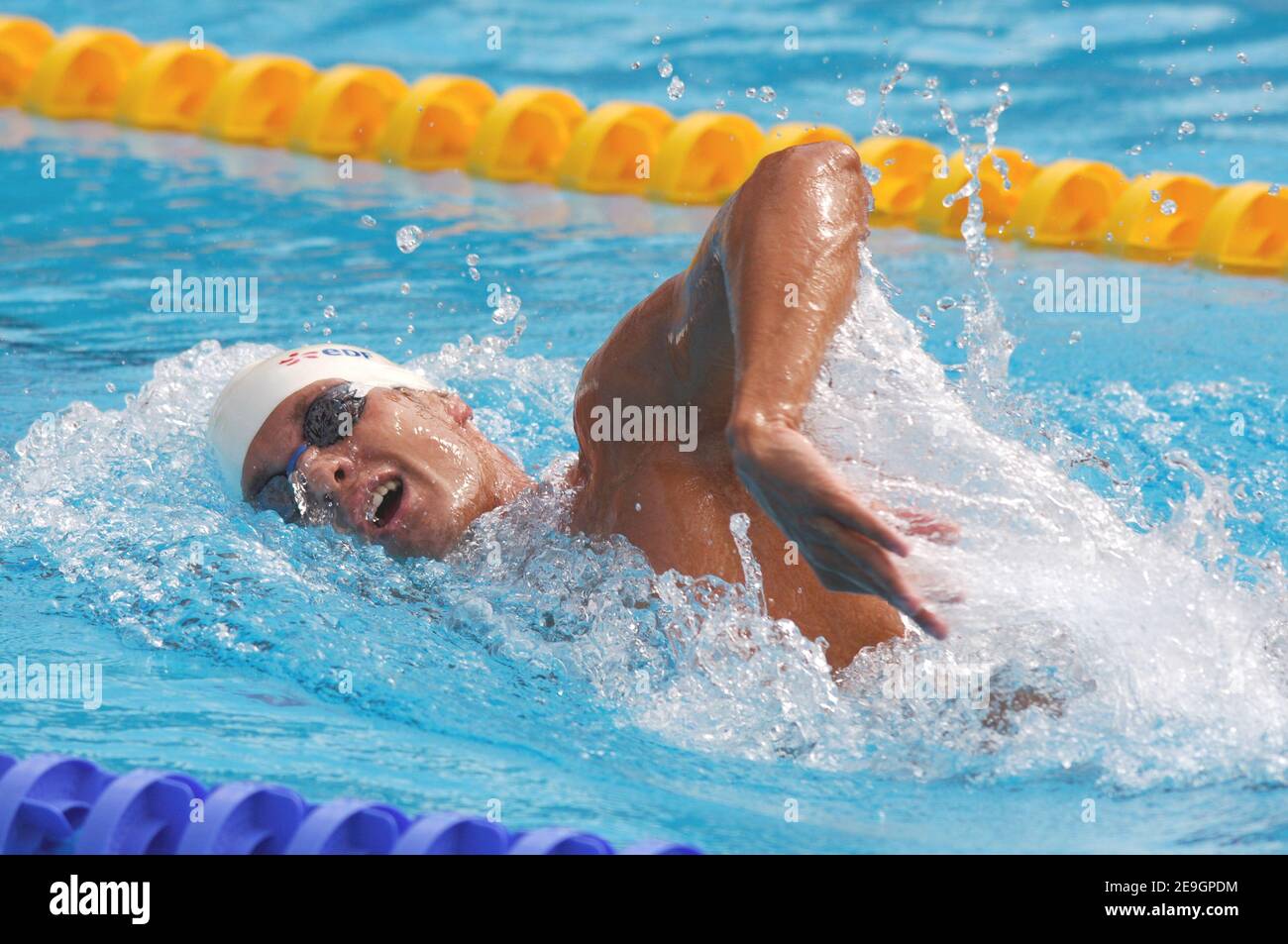
The 1500 metre freestyle is the longest pool event in Olympic swimming, demanding an exceptional blend of aerobic capacity, meticulous pacing, and relentless mental toughness. Swimmers must complete 30 lengths of a standard 50-metre pool, requiring a delicate balance between conserving energy and maintaining a competitive speed across roughly 15 to 16 minutes of continuous, high-intensity effort.
Understanding the Anatomy of the 1500 Metre Freestyle
Often referred to as the "mile" in yards-based competitions (where swimmers cover 1650 yards), the 1500 metre freestyle is a true test of human endurance. Within competitive swimming programs, it sits at the absolute peak of the aerobic spectrum. Unlike sprint events that rely heavily on anaerobic energy pathways and explosive power, the 1500m event forces athletes to operate right at their lactate threshold for extended periods.
To appreciate the complexity of the event, one must look at how it differs from shorter distances like the 200m or 400m freestyle. While those races allow for a more aggressive approach from the start, a successful 1500m swim requires strict pacing discipline. Going out too fast in the first 300 metres triggers an accumulation of lactic acid that can derail a swimmer’s performance long before the final touchpad. Every stroke, turn, and breath must be executed with mechanical efficiency to minimize drag and maximize oxygen utilization.
Furthermore, the psychological demands of the race are immense. Staring at the black line on the bottom of the pool for 15 minutes while enduring mounting physical fatigue requires a distinct mental fortitude. Swimmers must break the race down into manageable segments, focusing on stroke count, split times, and tactical positioning relative to their competitors.
Historical Context and Evolution of the Event
The 1500 metre freestyle has a rich history within competitive swimming, featuring prominently in international competition since the early days of the modern Olympic Games. It was introduced to the Olympic program for men at the 1908 Summer Games in London, initially contested over 1500 metres. For decades, the event was exclusively a men's discipline at the Olympic level, mirroring outdated notions about female endurance capacities.
A major milestone for gender equity in swimming occurred when the women's 1500 metre freestyle was officially added to the Olympic program for the 2020 Tokyo Games (held in 2021). This inclusion allowed female distance specialists to showcase their prowess on the world's biggest stage, leading to a surge in participation, strategic innovation, and record-breaking performances.
Over the decades, training methodologies, nutritional science, and swimwear technology have evolved dramatically, pushing the boundaries of human performance. Pioneers of distance swimming transformed training by introducing high-yardage aerobic base building, which later integrated targeted threshold sets and dryland strength conditioning. Today, elite athletes routinely push the limits of what was once thought possible, lowering world records through a combination of scientific training and superior hydrodynamic efficiency.
Physiological and Technical Requirements
Succeeding in the 1500 metre freestyle demands a unique physiological profile. Elite distance swimmers typically possess high maximal oxygen uptake (VO2 max) values, exceptional capillary density in working muscles, and a high percentage of slow-twitch muscle fibers designed for sustained aerobic output. However, physiology alone is insufficient; technique is the primary vehicle that translates physiological potential into speed.
Hydrodynamics and Body Position
Maintaining a high, horizontal body position is critical. As fatigue sets in, the hips tend to drop, increasing frontal drag and forcing the swimmer to work harder to maintain speed. Distance swimmers must maintain a strong core engagement and a steady kick to keep their hips near the surface. Unlike sprinters who often employ a powerful, six-beat kick, many distance swimmers utilize a relaxed two-beat or four-beat kick to conserve oxygen for the upper body.
Stroke Mechanics and Rhythm
The stroke in the 1500m freestyle is characterized by a long, efficient reach, a high elbow catch, and a smooth, continuous rhythm. Over 30 lengths of the pool, even minor inefficiencies are magnified hundreds of times, wasting valuable energy. Swimmers often focus on bilateral breathing—breathing alternately to both sides—to maintain a balanced stroke symmetry and prevent muscle strain on one side of the body.
Pacing Strategies
Executing an effective race plan requires precise split management. Swimmers generally employ one of three main pacing strategies:
- Even Pacing: Maintaining a consistent split time for every 100-metre segment, minimizing energy spikes and drops.
- Negative Split: Swimming the second half of the race faster than the first, demonstrating superior aerobic endurance and tactical restraint.
- Positive Split (With Controlled Decay): Going out slightly faster than goal pace, then fighting to minimize the drop-off in speed as fatigue accumulates.
| Pacing Strategy | Primary Advantage | Main Risk | Best Suited For |
|---|---|---|---|
| Even Pacing | Maximizes energy efficiency | Difficult to adjust if competitors surge | Swimmers with strict internal clocks |
| Negative Split | Strong finish; passes fatigued rivals | Requires high early restraint | Highly disciplined, aerobically fit athletes |
| Positive Split | Establishes early tactical position | Severe lactic acid buildup | Aggressive racers with strong finishing kicks |
Training Methodology for Distance Specialists Preparing for the 1500m
Preparing for the 1500 metre freestyle requires a rigorous, year-round training regimen that balances high-volume aerobic conditioning with targeted speed work. Distance programs are typically measured in total distance covered per week, with elite swimmers often logging anywhere from 60,000 to 90,000 metres in the water weekly.
Aerobic Base Building
The foundation of any successful distance program is the aerobic base. This phase involves swimming large quantities of yardage at a moderate intensity (often referred to as Zone 2 or aerobic threshold training). These workouts condition the cardiovascular system, increase mitochondrial density, and improve the body's ability to utilize fat as a primary fuel source during prolonged exercise.
Threshold and Pace Work
Once a solid aerobic base is established, training shifts toward race-specific paces. Swimmers incorporate threshold sets—swimming at a pace just below the onset of blood lactate accumulation—to improve their ability to sustain high speeds with minimal recovery. Interval training, such as repeating 400-metre or 800-metre repeats with short rest intervals, conditions the body to handle the specific physical stress of the 1500m event.
Dryland and Strength Conditioning
In addition to pool sessions, modern distance swimmers incorporate dryland training to build foundational strength, enhance core stability, and prevent shoulder injuries. Exercises often include resistance training with bands, functional core work, and flexibility routines designed to maintain a full range of motion through the shoulders and hips.
Nutrition, Hydration, and Recovery Protocols
Because the 1500 metre freestyle places severe demands on energy stores, proper nutrition and hydration are vital components of an athlete's preparation. Distance swimmers require a high daily caloric intake, rich in complex carbohydrates to top off muscle glycogen stores, adequate protein to facilitate muscle repair, and healthy fats to support sustained energy.
Hydration is frequently overlooked in aquatic sports because swimmers do not perceive sweat loss in the same way land-based athletes do. However, dehydration can severely impair performance and increase the risk of cramping. Swimmers must consume fluids regularly before, during, and after training sessions.
Recovery is the final pillar of peak performance. Given the high training volumes associated with distance swimming, adequate sleep, active recovery sessions, and myofascial release techniques (such as foam rolling and massage) are essential to prevent overtraining syndrome and ensure continuous physiological adaptation.
Frequently Asked Questions
How many laps of a standard pool are required for the 1500 metre freestyle?
In a standard 50-metre Olympic-size pool, the 1500 metre freestyle requires swimmers to complete 30 lengths (or 15 full laps down and back). In a short-course 25-metre pool, the same race requires 60 lengths.
What is the difference between the 1500m freestyle and the 800m freestyle?
While both are classified as distance events, the 800m freestyle is a middle-distance race that allows for a slightly higher overall tempo, whereas the 1500m freestyle is a true distance endurance test that demands stricter pacing discipline and superior aerobic capacity.
How do elite swimmers keep track of their laps during a 1500m race?
Swimmers count their own laps or rely on lap counters (large numerical cards displayed on the pool deck by coaches or teammates) during the final lengths of the race. Additionally, electronic timing pads at the wall record every split automatically.
Is the 1500 metre freestyle part of both the Olympic Games and World Championships?
Yes, the event is a staple of both the World Aquatics Championships and the Olympic Games for both men and women.
What is the current elite benchmark time for the 1500m freestyle?
Elite male swimmers aim to break the 15-minute barrier, with world-class competitors swimming in the 14:30 range or lower. Elite female swimmers target times approaching or breaking the 15:30 threshold, reflecting the rapid progression of the women's event.
Practical Next Actions for Swimmers and Coaches
Athletes and coaches looking to improve their performance in the 1500 metre freestyle should focus on a systematic, data-driven approach. Begin by establishing a baseline time through a timed 1500m time trial or a series of baseline threshold sets. Use underwater video analysis to identify and correct any hydrodynamic inefficiencies, particularly regarding body roll and hip drop as fatigue sets in. Finally, structure training blocks that progressively increase aerobic volume while integrating race-pace intervals, ensuring that both physical capacity and mental resilience are systematically developed over time.