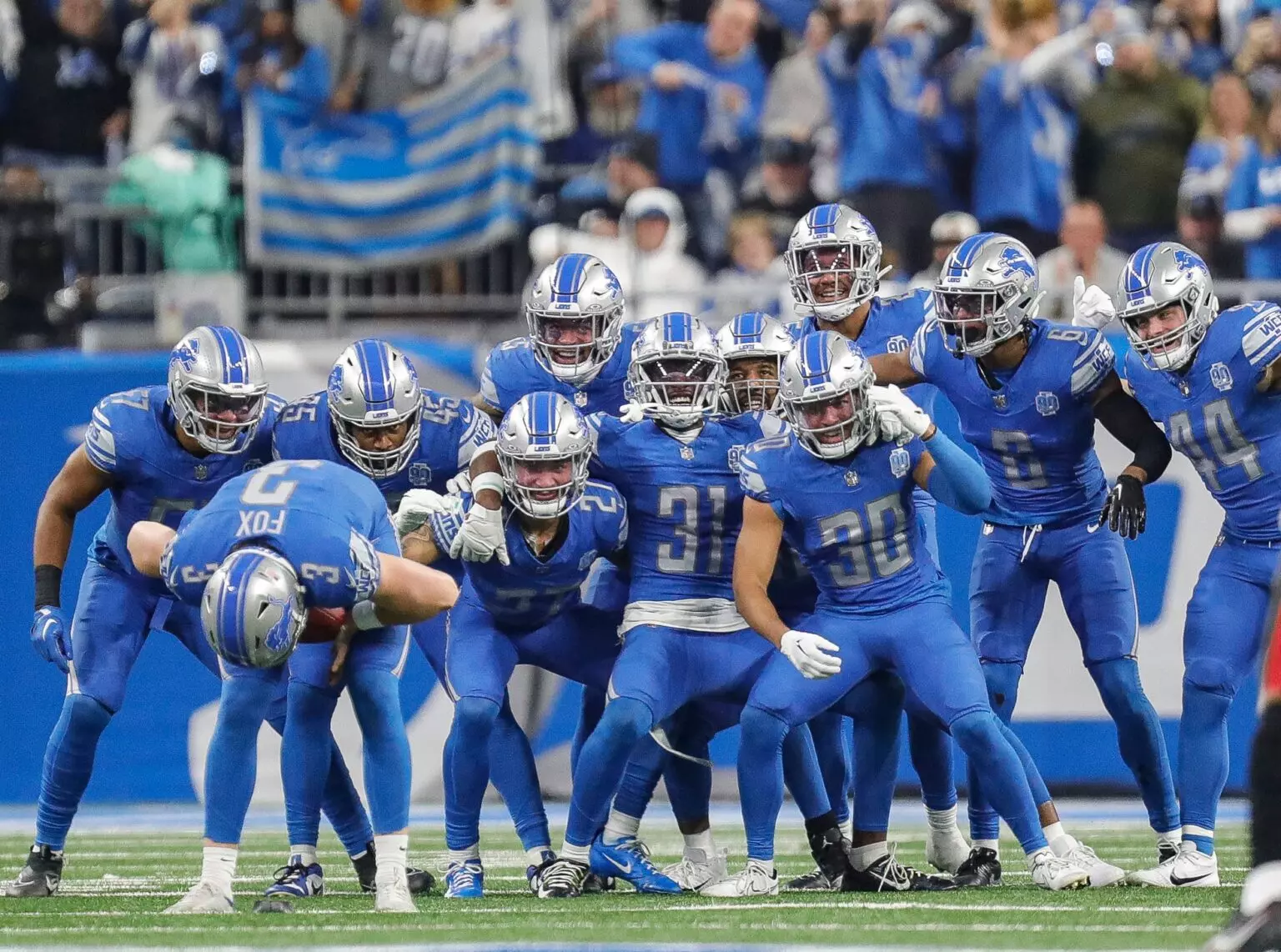
NFL special teams comprise the three distinct units on a football team—kickoff, punt, and field goal—that take the field during kicking plays, executing specialized blocking, tackling, and kicking assignments that heavily influence game momentum, field position, and final scores.
Introduction to NFL Special Teams
While casual fans often focus exclusively on high-profile offenses and fierce defenses, professional football games are frequently won and lost in the margins. Special teams represent one-third of the game of American football, yet they operate under a distinct set of operational rules, personnel groupings, and strategic philosophies. Every time a team prepares to kick off, punt, or attempt a field goal, a specialized unit takes the field to execute high-stakes plays where fractions of a second and inches of field position dictate success.
Understanding special teams requires looking beyond the kicker and punter to examine the intricate choreography of gunners, jammers, protectors, and return specialists. These players must master open-field tackling, precise blocking angles, and split-second decision-making. In a league where parity ensures that most games are decided by a single score, the strategic deployment and execution of special teams units often act as the definitive difference between victory and defeat.
The Core Special Teams Units and Their Specific Roles
Special teams units are organized based on the specific phase of the kicking game. Each unit has designated responsibilities, personnel requirements, and tactical objectives designed to maximize yardage gained or minimize yardage conceded.
| Unit Type | Primary Objective |
|---|---|
| Kickoff Coverage (KOC) | Tackle the returner behind the 25-yard line |
| Kickoff Return (KOR) | Advance the ball past the 25-yard line |
| Punt Coverage (Punt) | Down the ball deep or pin opponent inside 20 |
| Punt Return (PR) | Secure the ball and gain positive yardage |
| Field Goal/PAT (FG/PAT) | Successfully score points via placekick |
| Field Goal Defense | Block the kick or force a miss |
Kickoff Coverage and Kickoff Return Units
The kickoff sequence sets the initial tone for field position to start a half or after a score. The Kickoff Coverage unit (often called the "kicking team") consists of ten players spreading out across the field to run downfield in lanes, avoiding blocks and converging on the kickoff returner. Modern rules regarding touchbacks and fair catches have altered kickoff strategies, but when a ball is returned, coverage discipline is paramount.
Conversely, the Kickoff Return unit aims to establish a productive platform for the offense. This unit features a deep return specialist flanked by blocking lines. Front-line players execute wedge blocks or double-team blocks to carve out running lanes, allowing the returner to utilize speed and vision to break past the initial wave of coverage.
Punt Coverage and Punt Return Units
Punting is often described as the ultimate tactical weapon in football field-position battles. The Punt Coverage unit must protect the punter from an aggressive pass rush while simultaneously transitioning into downfield coverage as soon as the ball leaves the punter's foot. Specialized players known as "gunners" line up on the extreme edges of the formation, using speed and agility to bypass opposing blockers and tackle the punt returner immediately or force a fair catch.
The Punt Return unit must balance secure catching mechanics with aggressive return tactics. The punt returner must judge the flight path of a soaring, spinning ball under intense pressure from oncoming gunners. Meanwhile, the remaining ten players execute "hold-up" or blocking assignments against the gunners to create space for the returner to maneuver.
Field Goal and Extra Point Units
The Field Goal and Point After Touchdown (PAT) units are dedicated scoring units. They require absolute precision from three key positions: the snapper, who delivers the ball with exact speed and rotation; the holder, who catches the snap, places it precisely on the ground, and tilts it appropriately; and the kicker, who strikes the ball through the uprights.
Simultaneously, the offensive line positions must form a heavy, cohesive wall to prevent interior penetration from the defensive rush. The Field Goal Defense unit mirrors this structure, featuring leaping edge rushers and interior linemen tasked with collapsing gaps, raising their hands, and timing their jumps to block the kick.
Specialized Personnel and Roster Construction
Special teams demand unique physical and athletic profiles. While star quarterbacks and shutdown cornerbacks rarely play special teams due to injury risk and fatigue, the vast majority of a 53-man NFL roster—from backup linebackers to reserve wide receivers—must contribute heavily in the kicking game.
The Specialist Roles: Kicker, Punter, and Long Snapper
The three dedicated specialists on an NFL roster have isolated, highly technical roles:
- Placekicker (K): Responsible for field goals and kickoffs, requiring exceptional leg strength, accuracy under pressure, and mental resilience.
- Punter (P): Responsible for flipping field position via punts, requiring directional kicking ability, hang time control, and mastery of rugby-style or traditional punting techniques.
- Long Snapper (LS): A specialized offensive lineman whose sole responsibility is snapping the ball accurately over a distance of 7 to 8 yards for punts and field goals. Long snappers rarely play traditional offensive line positions, making roster spots fiercely competitive.
Core Special Teams Grinders
Beyond the primary specialists, successful teams rely on core special teams players—often backup linebackers, safeties, and tight ends. Players like Matthew Slater historically built legendary careers almost exclusively on special teams excellence. These individuals possess high football IQs, relentless motors, and open-field tackling skills, anchoring coverage units and executing crucial blocks week after week.
The Strategic Impact on Winning and Game Management
Special teams exert a massive influence on win-probability metrics through hidden yardage, explosive plays, and turnover creation. While offensive and defensive statistics are heavily scrutinized, special teams often provide the decisive margin in tight matchups.
Field Position and Hidden Yardage
Field position governs offensive playcalling and defensive aggression. A punter who consistently pins opponents inside their own 10-yard line forces opposing offenses into conservative play sequences, increases the likelihood of punts, and creates short fields for their own offense. Conversely, poor coverage leading to long returns grants opponents an immediate advantage, placing defensive units under severe stress before a drive even begins.
Turning Points: Blocked Kicks and Return Touchdowns
Explosive special teams plays—such as a blocked punt returned for a touchdown, a 95-yard kickoff return, or a game-winning 58-year field goal—drastically swing win probabilities. These plays inject immediate energy into a stadium, demoralize opponents, and can single-handedly alter the outcome of a game where offensive yardage is otherwise evenly matched.
Common Strategic Mistakes and Troubleshooting
Coaching staffs continuously evaluate special teams performance to eliminate costly errors that gift opponents easy points or advantageous field position.
Penalty Discipline and Coverage Lapses
Undisciplined play is a frequent pitfall on special teams. Illegal blocks in the back during returns, running into or roughing the kicker, and offsides penalties during kickoffs routinely derail drives or extend opponent possessions. Teams must drill fundamental assignment discipline to ensure gunners maintain their proper leverage lanes and blockers avoid illegal contact away from the ball.
Evaluation of Punting Directional Control
When punters struggle with directional control, allowing returns to the boundary where coverage is thin, defenses suffer. Coaches troubleshoot these issues by analyzing hang time versus distance ratios, ensuring coverage gunners are not outrunning the punt and overrunning the returner.
Frequently Asked Questions
What are the main responsibilities of the long snapper?
The long snapper must accurately deliver the football over a distance of approximately 7 to 8 yards with a tight spiral for punts, and 7 yards directly into the holder's hands for field goals. Precision, speed, and immediate blocking execution after the snap are critical requirements.
Why do star players rarely play on special teams?
Star players such as starting quarterbacks, premier wide receivers, and elite pass rushers are benched from special teams to mitigate injury risks and manage physical fatigue over a demanding 17-game regular season. Their primary focus remains executing high-snap-count offensive and defensive schemes.
How do modern rules impact kickoff returns?
Recent NFL rule modifications regarding touchbacks—such as placing the ball at the 30-yard line or introducing dynamic kickoff rules designed to encourage returns while minimizing high-speed collisions—aim to balance player safety with strategic excitement in the return game.
What is the difference between a gunner and a jammer?
A gunner is a coverage player lined up on the outside of the punt formation who sprints downfield to tackle the punt returner. A jammer is an opposing player positioned near the line of scrimmage whose job is to physically disrupt, delay, or redirect the gunner from reaching the returner.
How does field position impact offensive playcalling?
Starting a drive pinned deep inside the 20-yard line forces playcallers to run conservative plays to avoid turnovers near their own end zone. Starting near midfield or across the 40-yard line opens the playbook, allowing aggressive deep passing and varied run schemes.
Conclusion and Next Action
NFL special teams represent a complex, high-stakes phase of professional football that directly influences game outcomes through field position control, precise execution, and explosive scoring opportunities. To deepen your understanding of football strategy, closely analyze coaching decisions regarding fourth-down punting tendencies, weather impacts on kicking accuracy, and the hidden yardage statistics in upcoming matchups.