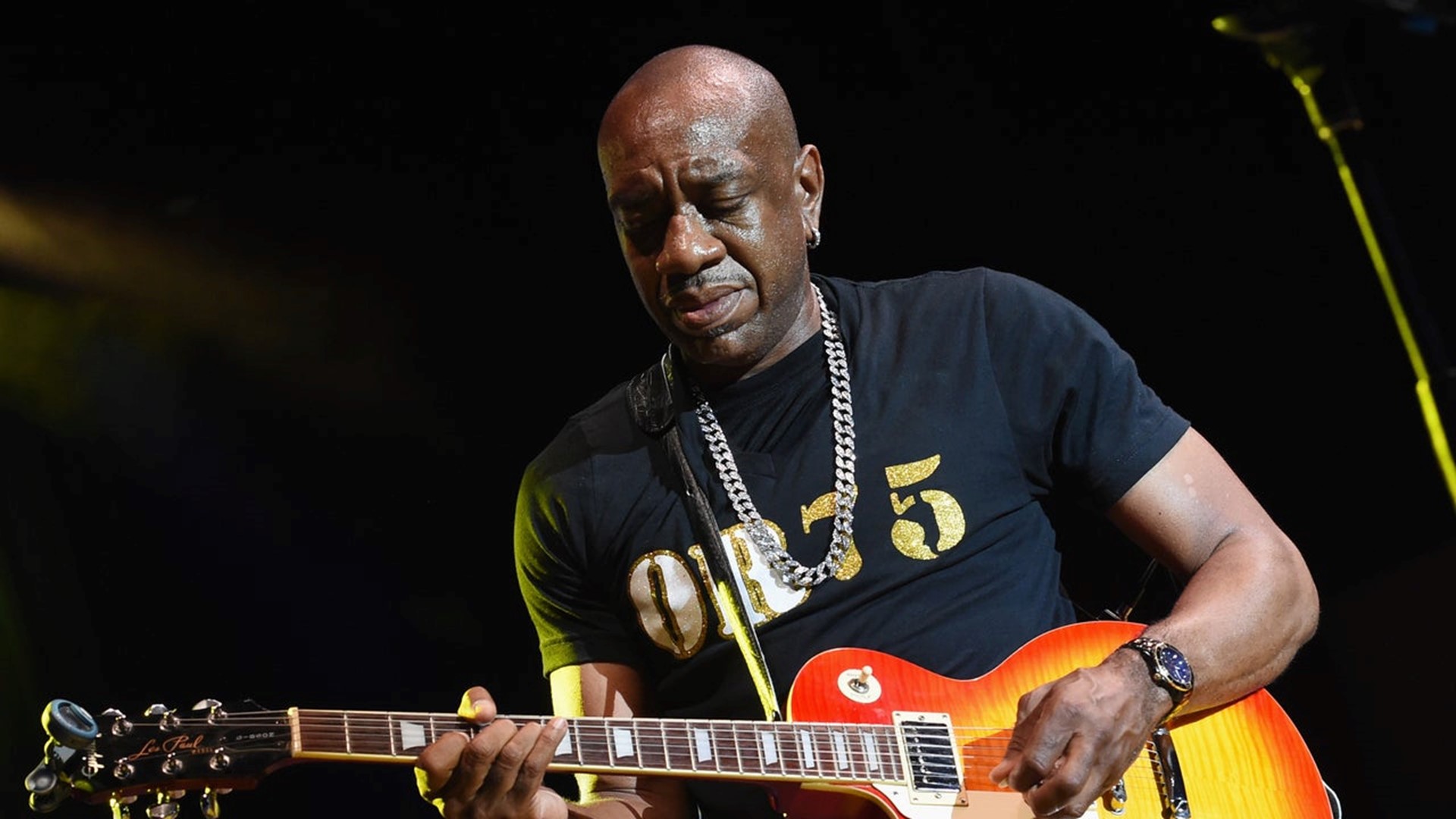
Otis Redding III carved out a distinctive musical identity as a talented guitarist, singer, and songwriter while carrying the immense legacy of his legendary father, soul pioneer Otis Redding. Throughout his multi-decade career, he performed on international stages, collaborated with family members in musical projects like The Reddings, and championed the preservation of classic soul and rhythm and blues traditions. While his father’s tragic death in a 1967 plane crash left a profound imprint on music history, Otis Redding III forged his own path through funk-infused arrangements, rock instrumentation, and dedicated community leadership until his passing in 2023.
The Weight of a Musical Dynasty: Early Life and Heritage
Understanding the artistic trajectory of Otis Redding III requires examining the towering shadow cast by his father. Otis Redding Jr., known universally as the "King of Soul," defined the Stax Records sound with raw, emotionally charged anthems like "Sittin' on the Dock of the Bay," "Respect," and "Try a Little Tenderness." When the elder Redding died in a plane crash on December 10, 1967, his children—Otis III, Dexter, and Karla—were very young.
Growing up in Macon, Georgia, the Redding children were immersed in music from birth. Their mother, Zelma Redding, managed the family’s business affairs and maintained the Otis Redding Foundation, ensuring that the family's artistic and philanthropic footprint remained strong. For Otis Redding III, picking up the guitar was both a natural inclination and a way to commune with a father he barely remembered. He studied the instrument rigorously, developing a style that blended traditional rhythm and blues chord structures with the sharper, funkier edge of 1970s and 1980s popular music.
As a teenager, Otis possessed an innate understanding of rhythm section dynamics. Rather than attempting to mimic his father's iconic, gravelly baritone vocal delivery immediately, he gravitated toward the guitar as his primary voice. This instrumental focus allowed him to develop technical proficiency and stage presence on his own terms before stepping up to the microphone.
The Reddings: Funk, R&B, and Family Collaboration
In the late 1970s and early 1980s, Otis Redding III teamed up with his brother Dexter Redding and their cousin Mark Lockett to form the funk and R&B group The Reddings. This collaboration marked a crucial transition from honoring a legacy to creating contemporary commercial music.
Formation and Musical Style
The Reddings offered a high-energy synthesis of funk, disco, soul, and rock. While many second-generation acts relied solely on nostalgia, The Reddings built a distinct contemporary sound driven by complex basslines, synthesizer textures, and crisp guitar work. Otis Redding III served as the primary guitarist and shared vocal duties, bringing a sharp, rhythmic attack to the band's arrangements.
Breakthrough Success
The group signed with the CBS-associated label Believe in a Dream and released their debut album, The Awakening, in 1980. The lead single, "Remote Control," became a major hit on the Billboard R&B charts, proving that the younger generation of Reddings could command commercial radio without leaning exclusively on their father's name.
Subsequent Releases and Touring
Throughout the 1980s, The Reddings released several more studio albums, including The Reddings (1981), Class (1983), and Fused (1985). They toured extensively across the United States and Europe, sharing bills with major R&B and funk acts of the era. The group's ability to transition from smooth soul ballads to driving funk grooves earned them respect among musicians and critics alike.
Solo Career and Collaborations
Following the tenure with The Reddings, Otis Redding III pursued various solo endeavors, session work, and collaborative projects. His versatility on the guitar made him a sought-after player for live performances and studio recordings.
Transition to Solo Performance
As a solo artist, Otis Redding III embraced his vocal identity, occasionally performing his father's classic catalog alongside his own original material. Audiences attending his concerts experienced a direct link to Stax-era soul history, delivered through a modern lens. He performed at numerous international jazz and blues festivals, keeping the spirit of Southern soul alive for global audiences.
Notable Collaborations
- The Otis Redding Band: Frequently fronted the backing band that kept the classic Stax sound authentic.
- Tributes and Benefit Concerts: Participated in global tribute events honoring his father, often performing alongside contemporary rock and soul artists influenced by the Redding catalog.
- Songwriting and Production: Contributed to various archival projects and instructional music workshops, mentoring young musicians in Georgia and beyond.
Community Leadership and the Otis Redding Foundation
Beyond his performance career, Otis Redding III dedicated significant energy to charitable work, education, and community development through the Otis Redding Foundation. Based in Macon, Georgia, the foundation aims to empower, enrich, and motivate young people through education in music and the arts.
Educational Initiatives
The foundation runs several programs, including the Otis Music Camp, which provides aspiring young songwriters and instrumentalists with hands-on training from industry professionals. Otis Redding III frequently participated in these camps, mentoring students on guitar technique, stage performance, and the history of soul music.
Preserving a Cultural Legacy
Working closely with his mother, Zelma, and sister, Karla, Otis helped establish the Otis Redding Center for the Arts in Macon. His involvement ensured that the family's philanthropic efforts remained deeply connected to practical arts education, helping local youth develop confidence and professional skills in the entertainment industry.
Career Milestones of Otis Redding III
| Era / Project | Key Roles | Notable Achievements | Primary Musical Style |
|---|---|---|---|
| The Reddings (1979–1988) | Guitarist, Vocalist, Songwriter | Billboard R&B chart success with "Remote Control"; four studio albums. | Funk, R&B, Soul-Rock |
| Solo & Touring (1990s–2010s) | Guitarist, Frontman, Session Musician | International festival appearances; preservation of Stax-era soul. | Traditional Soul, Blues |
| Philanthropy (2000s–2023) | Mentor, Foundation Board Member | Development of the Otis Music Camp and youth arts education in Macon, GA. | Community Arts Leadership |
Passing and Enduring Legacy
Otis Redding III passed away on April 18, 2023, following a battle with cancer. News of his death prompted tributes from musicians, cultural organizations, and fans worldwide, who remembered him not only as the son of a soul icon, but as a gracious, talented artist and community pillar in his own right.
His life bridged two distinct eras of American popular music: the golden age of 1960s soul and the modern era of independent artistry and community-driven music education. By maintaining high performance standards, supporting young musicians, and honoring his father’s memory with dignity, Otis Redding III ensured that the Redding family name remains synonymous with musical excellence.
Frequently Asked Questions
What was Otis Redding III's primary musical instrument?
Otis Redding III was primarily a guitarist, known for his funky rhythms, sharp lead lines, and versatile accompaniment style. He also contributed vocals to his solo work and to the family band, The Reddings.
How is Otis Redding III related to Otis Redding?
Otis Redding III was the eldest son of legendary soul singer Otis Redding Jr., who died in a 1967 plane crash.
What was The Reddings?
The Reddings was a funk and R&B group formed in 1979 by Otis Redding III, his brother Dexter Redding, and their cousin Mark Lockett. They achieved notable chart success with singles like "Remote Control" and released several albums throughout the 1980s.
What philanthropic work did Otis Redding III do?
He was actively involved with the Otis Redding Foundation, where he served as a mentor and supporter of the Otis Music Camp, helping young people develop skills in songwriting, instrumental performance, and the arts.
Did Otis Redding III perform his father's songs?
Yes, throughout his career, he frequently performed classic songs from his father's catalog during live concerts and tribute events, blending them with his own original funk and soul compositions.