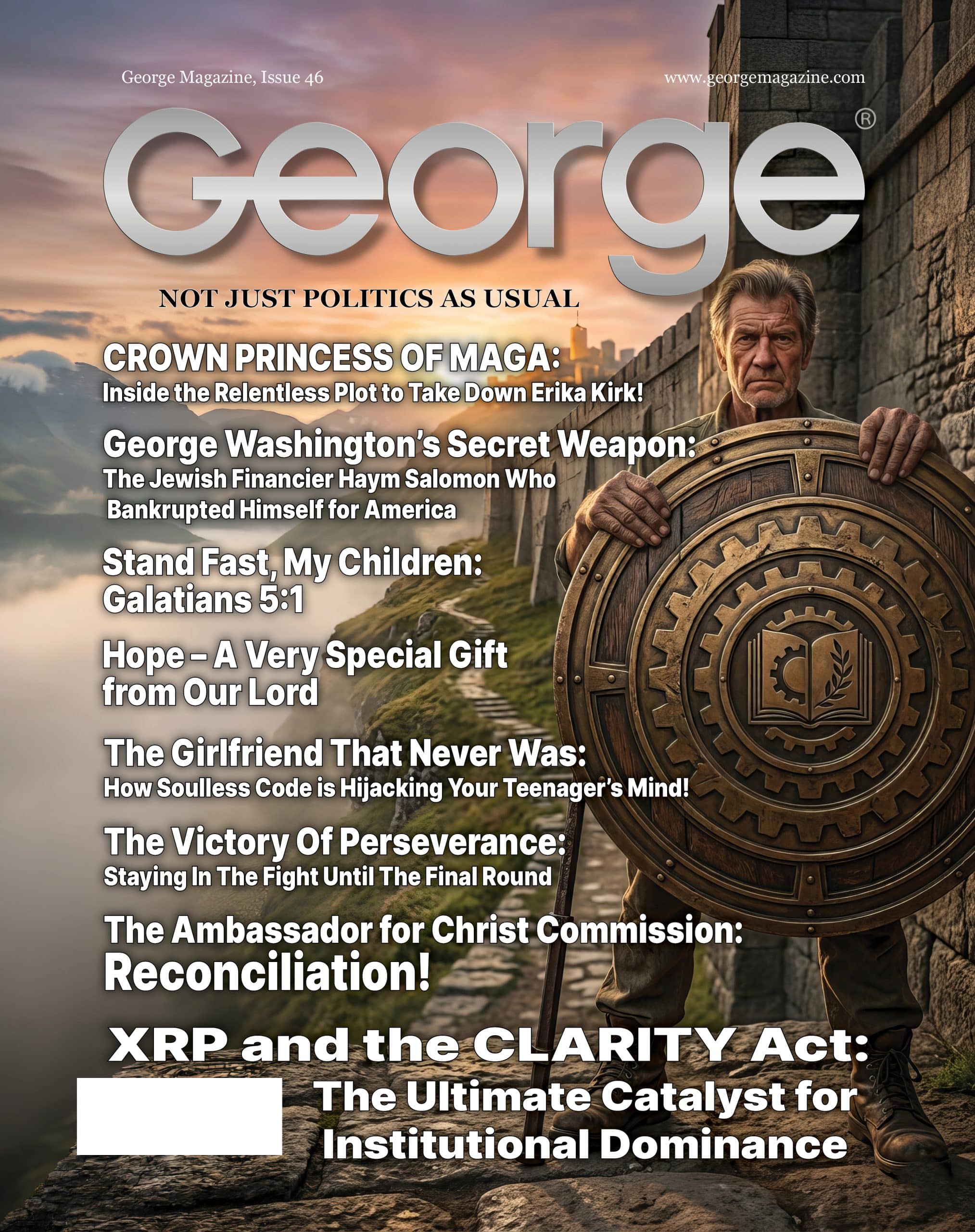
The print edition of George magazine is no longer in circulation. Originally founded by John F. Kennedy Jr. in 1995, the publication ceased operations in early 2001, less than two years after the founder's death. While various attempts to revive the brand or archive its legacy have occurred over the last two decades, no new issues have been printed or published since the magazine officially closed.
The Rise and Fall of a Cultural Phenomenon
To understand why people still search for George today, one must look at the unique position it occupied in the media landscape of the 1990s. Launched in September 1995, the magazine aimed to position politics as a lifestyle, blending celebrity culture with serious political journalism. Its tagline, "Not Just Politics as Usual," reflected a desire to make the halls of Washington D.C. as accessible and engaging as the pages of Vanity Fair or Rolling Stone.
John F. Kennedy Jr., serving as the editor-in-chief, was the primary face of the publication. The magazine became famous for its bold, often provocative covers—featuring celebrities like Drew Barrymore dressed as Marilyn Monroe, or Naomi Campbell appearing as George Washington. These images were designed to challenge the stuffy image of political reportage and bring in a younger, more politically aware demographic.
However, the magazine’s business model was fragile. Following Kennedy’s tragic death in a plane crash in 1999, the magazine struggled to find its footing. Without its charismatic figurehead and primary draw, readership began to decline. Hachette Filipacchi Magazines, which owned the publication, eventually shuttered it in January 2001. The closure marked the end of an experimental era in media where politics was treated as a branch of entertainment.
Clarifying Current Confusion: Is There a Revival?
In recent years, the name "George" has occasionally resurfaced in digital spaces, leading some readers to wonder if a new iteration of the magazine has been launched. It is important to distinguish between the original publication and modern internet entities that may utilize the name or claim to carry on its "spirit."
There is no legitimate, successor organization to the original George magazine. Since 2001, several digital-only projects and independent media ventures have attempted to use the moniker to capture the interest of readers who enjoyed the original brand’s fusion of politics and pop culture. However, none of these hold any official affiliation with the Hachette estate or the original editorial team of the 1990s publication.
If you encounter a website or a newsletter claiming to be "the new George magazine," it is crucial to verify the editorial credits and company history. In most cases, these are distinct, unrelated entities that have opted to use the name to leverage nostalgia. As of 2026, no printed editions of George are being distributed through newsstands or subscription services.
Why the Legacy Matters in 2026
The enduring search for George reflects the lasting impact it had on the American media landscape. It was one of the first mainstream publications to successfully demonstrate that political discourse could be marketed to a mass-market, lifestyle-oriented audience. Many modern political blogs, podcasts, and digital news aggregators operate on the foundations laid by George: the idea that politics is a narrative and that the personalities involved are just as important as the policies they advocate.
Because the magazine was short-lived, it has become something of a collector’s item. The 50-plus issues published between 1995 and 2001 contain a time capsule of the late Clinton era. Collectors and political historians often look for these physical copies to archive the specific style of political photography and the long-form interviews that were the magazine's hallmark.
Practical Implications for Researchers and Collectors
If you are trying to locate content from George for research or collecting, you should focus on archival sources rather than expecting a current publication cycle. Because the magazine is defunct, you will not find it in digital kiosks or current subscription databases.
Table 1: Comparison of Magazine Status and Availability
| Feature | Original George (1995–2001) | Current Status (2026) |
|---|---|---|
| Ownership | Hachette Filipacchi Magazines | Defunct / Trademark Inactive |
| Print Availability | Back issues via secondary market | None |
| Digital Presence | Historical archives | None official |
| Editorial Focus | Politics as a lifestyle | N/A |
| Frequency | Monthly | Discontinued |
For individuals hoping to read specific articles or view the iconic covers, your best approach is to utilize library services or online auction platforms. Public and university libraries often hold microfiche or bound volumes of major magazines from the 1990s. Furthermore, physical copies remain readily available on secondary marketplaces such as eBay, AbeBooks, or specialized magazine archival dealers.
Common Misconceptions
One of the most frequent sources of confusion involves the name George itself. Because it is a common name and a common word, various companies and media outlets may use it in their branding.
- Trademark Confusion: Occasionally, a domain name or a social media handle might appear using the name George followed by words like "politics" or "watch." Readers should be cautious: these are usually grassroots or partisan efforts that share no lineage with the 1990s publication.
- The "George" Newsletter: Some modern newsletters have capitalized on the name. It is important to note that a newsletter is not a magazine. If a source lacks an editorial board, physical publishing infrastructure, or historical continuity, it is likely an independent venture using the brand name for recognition.
- Archival Digital Projects: Some enthusiasts have attempted to digitize old issues. While these are useful for reading, they are often unauthorized and may exist in a legal grey area regarding intellectual property.
FAQ: Addressing Common Queries
1. Is it possible to subscribe to George magazine today? No. There is no publisher, no editorial office, and no printing contract for a magazine titled George. Any website asking for a subscription fee under that name should be treated with extreme caution.
2. Can I buy old copies of George magazine? Yes. You can find original physical copies on sites like eBay or Etsy. Because the magazine had a decent print run, most issues are not particularly expensive unless they are in mint condition or feature a particularly famous cover.
3. Is there a digital archive of all issues? There is no centralized, official digital repository maintained by a publisher. However, Google Books and various archival projects occasionally host digitized pages from the magazine, though complete collections are rare.
4. Why did the magazine stop printing? The primary reasons were the death of John F. Kennedy Jr., which caused a significant decline in editorial direction and public interest, combined with general financial instability within the magazine industry at the turn of the millennium.
5. Are the modern "George" websites related to the original? No. They are unrelated entities that have co-opted the name. They do not share the staff, the vision, or the ownership of the original publication.
Next Steps for Enthusiasts
If you are a fan of the original George magazine, your best course of action is to curate your own collection of vintage issues. Start by identifying the specific years or cover stars that interest you most. Browsing established antiquarian magazine dealers is a more reliable way to find high-quality copies than relying on mass-market auction sites, which may have varying levels of quality control.
If your interest is purely in the editorial style of the 1990s, consider looking into the work of the photographers and writers who contributed to George during its prime. Many of them went on to have significant careers in high-end journalism, and their body of work often reflects the same high-gloss, high-stakes aesthetic that made the magazine a cultural touchstone.
By treating George as a historical object rather than a current news source, you can better appreciate its contribution to media history without the confusion of modern, unrelated branding.