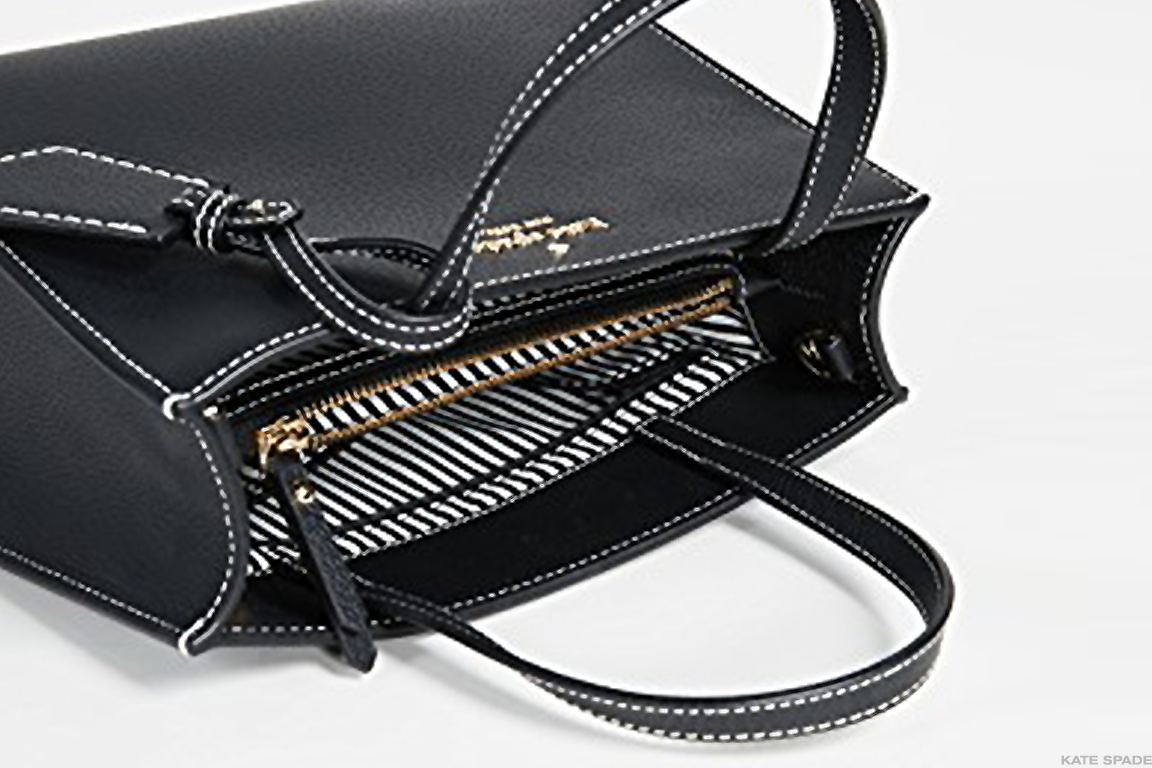
At the time of her death on June 5, 2018, Kate Spade had an estimated net worth of $200 million. This substantial fortune was primarily built through the phased sale of her namesake brand, Kate Spade New York, her strategic reinvestments in real estate and art, and the 2016 launch of her final fashion venture, Frances Valentine.
The Financial Genesis of Kate Spade New York
The trajectory of Kate Spade’s wealth began in 1993 when she co-founded Kate Spade New York alongside her husband, Andy Spade. At the time, the fashion market was dominated by high-end European luxury brands or utilitarian, drab accessories. Kate Spade identified a "white space" in the market for functional, stylish, and colorful handbags that were accessible to the working professional woman.
The initial investment was modest, but the brand’s growth was explosive. By the late 1990s, the company had expanded from its signature nylon bags into stationery, eyewear, and shoes. The financial health of the brand made it an attractive target for acquisition. Unlike many designers who struggle to scale, Spade maintained a lean operational model in the early years, focusing on wholesale partnerships with high-end retailers like Barney’s and Neiman Marcus, which bolstered the brand's valuation.
The Phased Sale to Neiman Marcus and Liz Claiborne
One of the most critical components of Kate Spade's net worth was the multi-step liquidation of her ownership in her original brand. Many observers confuse the brand's later multi-billion dollar valuations with Kate Spade’s personal take-home pay, but the reality is more nuanced.
In 1999, the Spades sold a 56% controlling stake in the company to Neiman Marcus Group for approximately $33.6 million. This initial payout provided the capital that solidified her personal wealth. Following the sale, she remained the creative lead, ensuring the brand’s identity remained intact while benefiting from the corporate infrastructure of a major retailer.
In 2006, the remaining 44% of the company was sold to Neiman Marcus, which subsequently sold the entire brand to Liz Claiborne Inc. (later renamed Fifth & Pacific) for about $124 million. The Spades' portion of this final exit was estimated at roughly $59.4 million. In total, the couple earned approximately $93 million from the sale of the brand before taxes and fees.
Distinguishing Brand Value from Personal Wealth
A common misconception regarding Kate Spade’s net worth at the time of her death involves the 2017 acquisition of the Kate Spade brand by Coach Inc. (now known as Tapestry, Inc.). Coach purchased the brand for $2.4 billion. While this figure is astronomical, Kate Spade herself did not profit directly from this sale. Having fully exited the company in 2006, she no longer held equity or royalty rights to the "Kate Spade" name or logo.
However, the $93 million earned from the earlier sales was not static. Through savvy financial management, real estate acquisitions in Manhattan, and a decade-long "non-compete" period where her expenses were relatively low compared to her earning potential, her net worth grew to the $200 million mark by 2018.
The Role of Frances Valentine
After a nearly ten-year hiatus from the fashion industry to focus on raising her daughter, Frances Beatrix Spade, Kate returned to the market in 2016 with a new venture: Frances Valentine. This boutique brand focused on shoes and handbags with a more artisanal, whimsical flair.
To legally and creatively distance herself from her former brand (which now owned the trademark to her name), she legally changed her name to Katherine Noel Frances Valentine Brosnahan Spade. Financially, Frances Valentine was a private entity. While it did not reach the billion-dollar heights of her first company before her passing, it represented a significant asset in her estate, holding intellectual property and inventory that contributed to her total valuation.
Real Estate and Personal Assets
A significant portion of Kate Spade’s $200 million net worth was tied up in high-value tangible assets. At the time of her death, her primary residence was a sprawling apartment at 770 Park Avenue in Manhattan.
- 770 Park Avenue Apartment: Purchased in 1999 for $2.675 million, the property was estimated to be worth between $6 million and $10 million by 2018. This nine-room co-op in one of New York’s most prestigious buildings served as both a home and a gallery for the couple’s extensive art collection.
- Art and Collectibles: The Spades were known for their sophisticated taste in contemporary art. Their collection included works by various mid-century and modern artists, which contributed several million dollars to the estate’s overall value.
- Investment Portfolios: Like many high-net-worth individuals, a large portion of the $93 million from the brand sale was likely diversified into low-volatility equities, municipal bonds, and private equity, allowing the principal to grow over the 12 years between her exit from Kate Spade New York and her death.
| Financial Milestone | Year | Estimated Value/Sale Price | Spade's Estimated Stake |
|---|---|---|---|
| Founding of Kate Spade NY | 1993 | Initial Seed Capital | 100% (with Andy Spade) |
| Neiman Marcus Stake Purchase | 1999 | $33.6 Million | 56% sold |
| Final Brand Exit | 2006 | $124 Million (Total Sale) | 44% (approx. $59M) |
| Launch of Frances Valentine | 2016 | Private Investment | Majority Owner |
| Coach (Tapestry) Acquisition | 2017 | $2.4 Billion | 0% (No direct profit) |
| Total Net Worth at Death | 2018 | $200 Million | Combined Assets |
Estate Planning and Inheritance
Following her death in 2018, the distribution of Kate Spade’s wealth became a matter of private estate law. Because she was survived by her husband, Andy Spade, and their daughter, Frances Beatrix, the estate was structured to provide for her family's long-term security.
Beneficiaries and Trust Structures
It is standard for individuals of Spade’s financial stature to utilize Revocable Living Trusts or Irrevocable Life Insurance Trusts (ILITs) to minimize estate taxes and bypass the public probate process. Reports indicated that the bulk of her assets remained within the family. Andy Spade continued to manage the Frances Valentine brand, while a significant portion was earmarked for Frances Beatrix, who was 13 at the time of her mother's passing.
The transition of the estate also involved the management of her likeness and post-mortem rights. Even though she did not own the "Kate Spade" brand name, her personal identity and the newly established "Frances Valentine" name remained valuable intellectual properties.
The Enduring Impact of the Kate Spade Brand
While the $200 million figure represents her financial success, her economic impact on the fashion industry is much larger. She pioneered the "accessible luxury" segment, a category that paved the way for brands like Tory Burch, Michael Kors, and Rebecca Minkoff.
By proving that a brand could be both high-fashion and commercially viable at a mid-tier price point, she effectively shifted how department stores and investors viewed the accessories market. This shift created billions of dollars in value for the broader retail economy, even if only a fraction of that flowed directly into her personal accounts.
Philanthropy and the Kate Spade New York Foundation
Following her death, the brand she founded—though she no longer owned it—honored her legacy by pledging significant funds to mental health awareness. In 2018, the Kate Spade New York Foundation announced a $1 million commitment to support mental health services, specifically focusing on organizations like the Crisis Text Line. While these were corporate funds from Tapestry, Inc., they are a direct result of the brand value Kate created during her tenure.
Comparison to Industry Peers
To understand the scale of Kate Spade's $200 million net worth, it is helpful to compare her financial trajectory with other prominent American designers.
- Tory Burch: Unlike Spade, Burch retained a massive majority stake in her company for much longer, leading to a net worth estimated in the billions. Spade's decision to sell early in the 2000s capped her personal wealth but provided her with the freedom to step away from the industry for a decade.
- Vera Wang: With a net worth estimated around $650 million, Wang followed a similar path of brand diversification but maintained a more aggressive licensing model that expanded into home goods and mass-market bridal (David's Bridal).
- Michael Kors: Kors took his company public (IPO), which is the traditional route to billionaire status. Spade’s preference for private sales to conglomerates like Neiman Marcus was a more conservative but highly successful strategy for her era.
Frequently Asked Questions
Did Kate Spade own her brand when it sold for $2.4 billion?
No. Kate Spade and her husband sold their remaining interest in the company in 2006. When Coach (now Tapestry) purchased the brand for $2.4 billion in 2017, the proceeds went to the shareholders of Fifth & Pacific, the company that owned the brand at the time.
Who inherited Kate Spade’s money?
The majority of her $200 million estate was left to her husband, Andy Spade, and their daughter, Frances Beatrix Spade. Like most high-profile estates, the specific details are kept private through the use of trusts.
What happened to the Frances Valentine brand?
Following Kate Spade’s death, Andy Spade and co-founder Elyce Arons continued to operate Frances Valentine. The brand has since expanded, opening several retail locations and maintaining a robust e-commerce presence, continuing the aesthetic legacy Kate established in her final years.
Was Kate Spade a billionaire?
No. While her brand eventually reached a multi-billion dollar valuation under corporate ownership, her personal net worth peaked at approximately $200 million. This distinction is often lost in headlines that conflate the value of a company with the wealth of its founder.
How much did she make from the first sale of her company?
In the 1999 sale to Neiman Marcus, she and her partners received $33.6 million for a 56% stake. Her individual portion, after splitting with her husband and other early investors, was a foundational element of her wealth.
Future Outlook for the Spade Legacy
As of 2026, the financial and cultural impact of Kate Spade remains a cornerstone of American fashion history. Her estate continues to be a testament to the power of a clear brand vision. For entrepreneurs and designers, her story serves as a case study in brand equity: she created a name so synonymous with a specific "look" that it maintained its value for decades, even after the founder had moved on to other projects.
For those looking to follow in her footsteps, the lesson is clear: focus on solving a specific consumer problem (like the need for a practical yet stylish bag) and build a distinct visual language. While she may not have captured the multi-billion dollar exit of 2017, her $200 million net worth provided her family with an enduring legacy and the resources to support charitable causes in her name for generations to come.