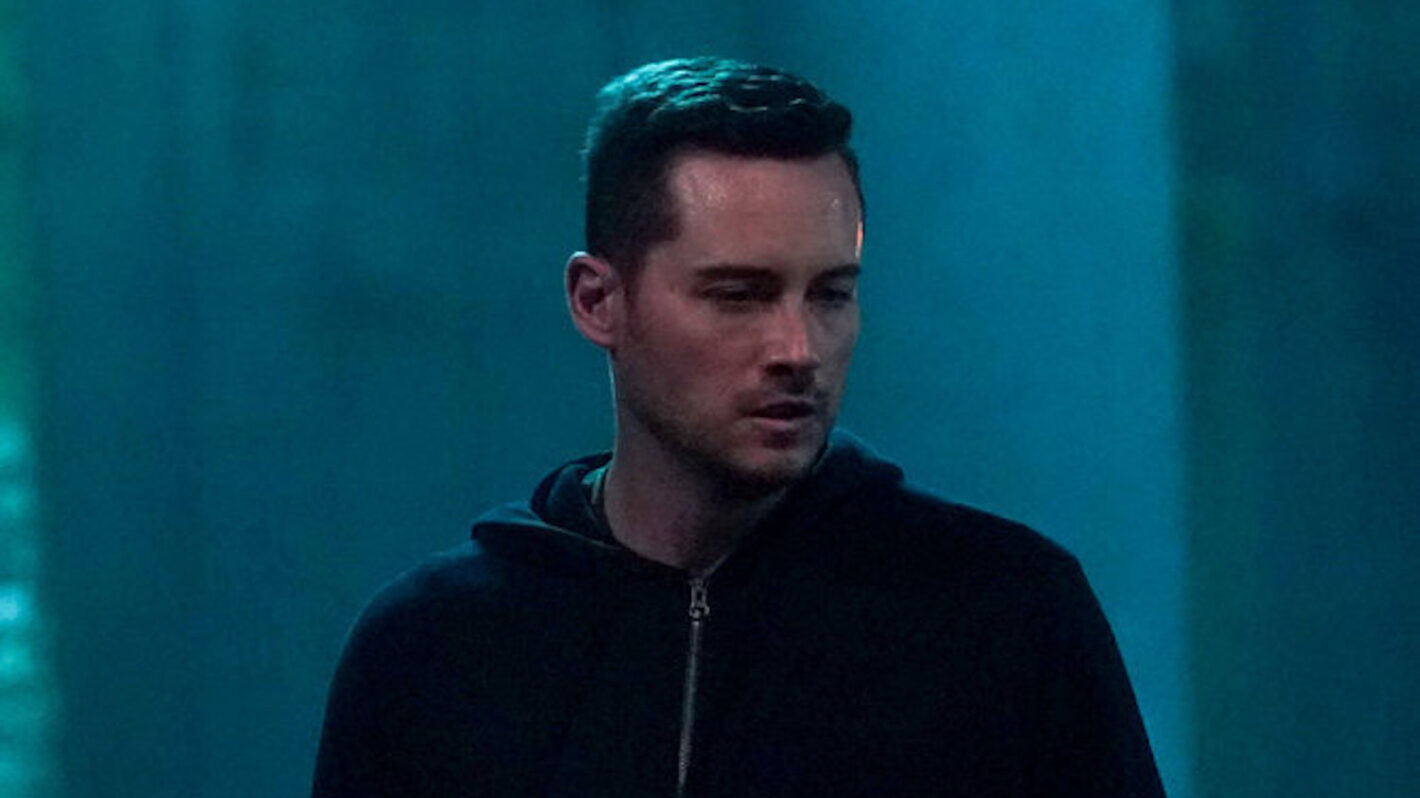
Jay Halstead serves as one of the central pillars of the Intelligence Unit in the long-running police procedural Chicago P.D., defined by his background as a former Army Ranger and his unwavering commitment to his moral compass. As a primary detective for the majority of the series, his professional trajectory and personal entanglements provide a grounded perspective on the complexities of policing in Chicago’s 21st District.
The Origins of Jay Halstead within the Intelligence Unit
Jay Halstead, portrayed by Jesse Lee Soffer, was introduced to the audience not merely as a rookie, but as an experienced soldier transitioning back to civilian life. His military background as a veteran of the war in Afghanistan significantly informed his tactical approach to police work. Unlike some of his counterparts who prioritize the "end justifies the means" philosophy of Sergeant Hank Voight, Halstead often positioned himself as the conscience of the Intelligence Unit.
His early tenure was marked by a partnership with Erin Lindsay, a dynamic that evolved from professional mutual respect into a complex romantic relationship. This period established Halstead’s core traits: a high tolerance for operational risk, a deep-seated protective instinct for his partners, and an occasional, irreconcilable friction with the extralegal methods employed by Voight. His transition from uniform to detective was a foundational arc that illustrated the rigorous demands placed upon CPD officers tasked with navigating the city's most violent systemic issues.
Character Archetypes and Professional Philosophy
Halstead occupies the "idealist-realist" space within the show's ensemble. While he consistently seeks to follow protocol, his experience in combat and his exposure to the harsh realities of Chicago’s street crime often forced him to bend the rules to save lives. This tension is the defining conflict of his character arc.
Key pillars of his professional identity include:
- Tactical Proficiency: His marksmanship and close-quarters combat skills, honed during his Ranger service, are frequently utilized during high-stakes raids or hostage negotiations.
- Ethical Friction: Halstead acts as a foil to Voight. While they share a deep bond of loyalty, Halstead’s struggle to maintain his integrity while operating within a unit known for its gray morality is a recurring thematic element.
- Mentorship and Loyalty: Beyond his romantic arcs, his role as a partner—first to Lindsay, later to Hailey Upton—demonstrated his growth from a solitary soldier into an emotionally invested team player.
Series Overview: The Evolution of Chicago P.D.
Chicago P.D. is a gritty, fast-paced drama centered on the Intelligence Unit of the Chicago Police Department’s 21st District. Created by Derek Haas and Michael Brandt under the expansive "One Chicago" franchise, the series differentiates itself from traditional procedurals by focusing on the intense, often morally ambiguous tactics of a specialized unit handling the city’s most significant offenses, including drug trafficking, organized crime, and high-profile homicides.
The series is set against the backdrop of a realistic, sometimes volatile Chicago, where the social and political consequences of police conduct are as important as the investigation itself. Over the course of the show, the narrative scope has shifted from internal squad dynamics to broader questions of police accountability, institutional reform, and the personal toll exacted on officers who are exposed to chronic, high-intensity trauma.
Tactical and Personal Dynamics within the Unit
The unit functions as a high-pressure environment where personal boundaries are constantly challenged. Halstead’s tenure was defined by the transition from a traditional investigative approach to the specific, often reactive style required by the Intelligence Unit.
Comparison of Unit Dynamics
The following table outlines the comparative roles and philosophies within the primary team during the period of Halstead's active service.
| Character | Primary Role | Philosophical Alignment |
|---|---|---|
| Hank Voight | Sergeant | Utilitarian; prioritizes results over procedure. |
| Jay Halstead | Detective | Constitutionalist; struggles with ethics vs. duty. |
| Hailey Upton | Detective | Pragmatic; adapts to the unit's needs. |
| Kevin Atwater | Officer/Detective | Community-focused; balances duty with social reality. |
| Trudy Platt | Desk Sergeant | Procedural; the administrative anchor of the district. |
The Impact of Military Service on Character Development
Halstead’s character is unique because his backstory is not merely biographical flavor; it is an active engine for his character development. His history as an Army Ranger explains his "eyes-on" approach to reconnaissance and his ability to remain composed under fire. However, the psychological weight of his service—frequently hinted at through flashbacks or his reactions to domestic crime scenes that mirror war zones—provided a layer of vulnerability that resonated with viewers.
This background also served as an anchor for the recurring theme of the "soldier-turned-cop." The show frequently explores how the training designed for foreign theaters of war translates into domestic policing. For Halstead, the difficulty lay in transitioning from a wartime environment where enemies were clearly defined to a city environment where the line between victims, perpetrators, and community members is often blurred.
Major Narrative Arcs and Milestones
Halstead’s time in the series is marked by several significant arcs that defined his trajectory:
- The Lindsay Era: His introduction and development as a detective were deeply linked to his partnership with Erin Lindsay. This arc humanized him and established his capacity for deep, long-term personal commitment.
- The Rise of Intelligence: As the unit’s responsibilities expanded, Halstead took on more leadership duties, often finding himself in the position of being the bridge between the younger officers and the command staff.
- The Marriage to Upton: His partnership and eventual marriage to Hailey Upton marked his most mature professional phase. It shifted the stakes of his decision-making from personal survival to the collective future of his marriage and career.
- The Departure: His exit from the series serves as a focal point for the show’s ongoing exploration of the "cost of service." It highlighted that for many officers, there is a limit to how long one can operate within the high-stress, high-compromise environment of the Intelligence Unit before a change in location or role becomes a matter of self-preservation.
Addressing the Moral Complexity of Policing
A significant portion of Chicago P.D. is dedicated to the public discourse surrounding police work. Halstead’s character often acted as the audience’s proxy during internal debates regarding the use of excessive force or illegal surveillance. While other characters might have embraced these methods wholeheartedly, Halstead consistently questioned them.
This creates a "moral tension" that is essential to the show’s longevity. By keeping a character like Halstead at the center of the unit, the writers ensure that the moral cost of every arrest is calculated. When he is forced to witness or participate in an action he finds distasteful, the audience is invited to weigh the same ethical dilemmas. This is not merely character conflict; it is a structural necessity for a show that attempts to examine the role of specialized police units in an modern urban environment.
Frequently Asked Questions
How does Jay Halstead’s military background influence his police work? His training as an Army Ranger provides him with superior tactical knowledge and situational awareness. It also predisposes him to a structured, mission-oriented mindset, which creates friction when he encounters the political and moral complexities of the Chicago Police Department.
What is the core conflict between Jay Halstead and Hank Voight? The conflict is primarily ideological. Voight operates on the principle that the ends justify the means, often engaging in extra-legal activity to ensure a conviction. Halstead, while acknowledging the need for results, remains tethered to the belief that the law and constitutional rights must be upheld, creating a persistent power struggle regarding how far is "too far."
What role does romantic partnership play in Halstead’s development? Relationships are the primary vehicle for Halstead’s character growth. His early partnership with Erin Lindsay helped him integrate into the unit and develop his investigative style, while his later marriage to Hailey Upton highlighted his transition into a more settled, albeit still challenged, professional and personal life.
Why is the Intelligence Unit considered a specialized unit? The Intelligence Unit handles cases that are too complex, dangerous, or politically sensitive for standard patrol officers or beat detectives. They often operate in the shadows, dealing with high-level gang violence, narcotics, and serial offenders that threaten the stability of the entire city.
Does Jay Halstead ever change his stance on police reform? Throughout the series, Halstead’s stance evolves from a rigid adherence to his internal code to a more pragmatic understanding of the system. He becomes more adept at navigating the administrative and political requirements of the CPD, showing a shift from a young, idealistic officer to a seasoned detective who understands the nuances of the institution.
Is Chicago P.D. a realistic depiction of police work? While Chicago P.D. is a fictional entertainment series, it aims to mirror the high-stakes reality of urban policing. It incorporates real-world issues such as the impact of gun violence, community relations, and the stress of investigative work, though it leans into the heightened drama and pacing common to the police procedural genre.
Recommendations for Future Viewing and Contextual Understanding
For viewers looking to gain a comprehensive understanding of Jay Halstead’s legacy, it is recommended to view his journey not as a collection of episodic successes, but as a long-term transformation. Start by examining his early episodes in Season 1 to see the raw, tactical focus of his character, then contrast these with his later appearances, where his decision-making is increasingly influenced by the bureaucratic and personal consequences of his choices.
Understanding the "One Chicago" universe also helps; brief crossovers with Chicago Fire and Chicago Med often provide context regarding his relationships with first responders outside the 21st District, further illustrating how his life is woven into the broader landscape of the city’s emergency services. Ultimately, Halstead’s character is best understood through his relationships; his loyalty to his partners and his eventual marriage remain the most accurate reflections of his underlying values.