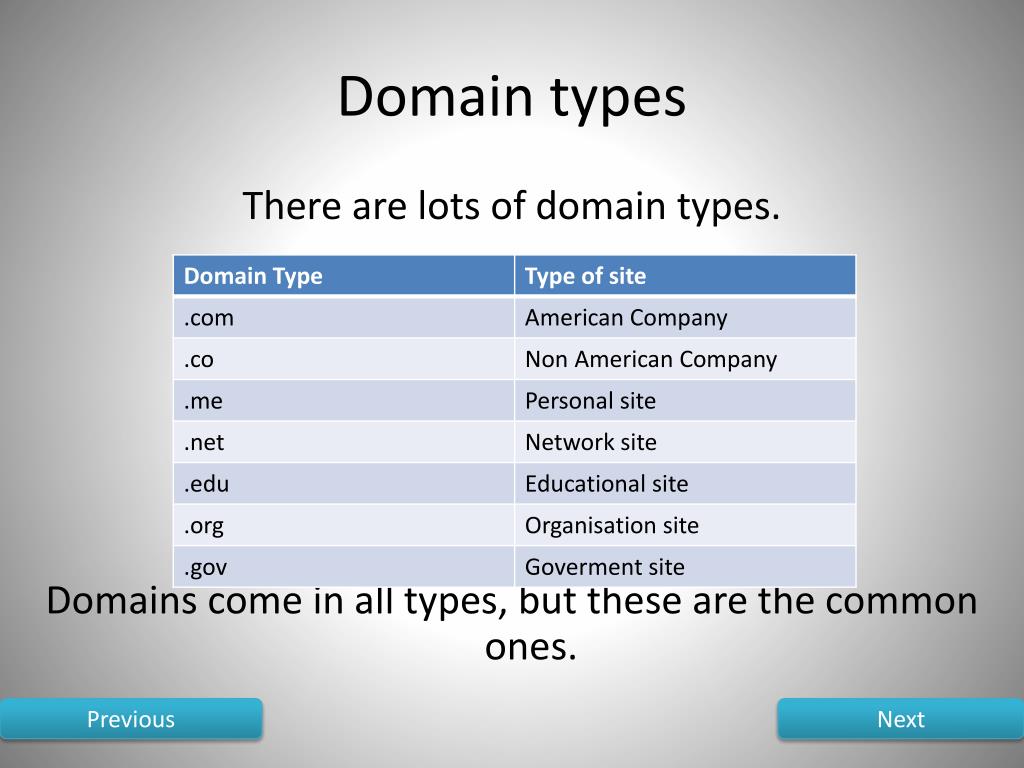
The example com domain serves as a globally recognized reserved address utilized for documentation, testing, and illustrative purposes across web development and networking. (Note: This guide focuses strictly on the technical framework and reserved operational usage of example.com as defined by Internet standards, rather than commercial or private domain acquisition).
Technical Foundation and Reserved Status Under RFC Standards
The Internet Assigned Numbers Authority (IANA) and the Internet Engineering Task Force (IETF) maintain specific domains exclusively for documentation, technical manuals, and educational examples. Established under RFC 2606, example.com alongside example.net and example.org prevents confusion in technical literature and avoids accidental web traffic redirection to live commercial servers.
Network engineers, technical writers, and software developers reference these addresses to demonstrate configuration files, URI structures, and API responses without violating trademark laws or cluttering public DNS zones. When configuring local testing environments, developers frequently map these reserved domains within local hosts files or internal testing networks to simulate production routing safely.
Core Architectural Specifications of Reserved Domains
- RFC Governance: Regulated strictly under IETF standardizations to ensure uniform global application across documentation suites.
- DNS Resolution: Configured to point to designated documentation servers managed by ICANN, returning safe, static landing pages.
- Isolation Guarantee: Completely isolated from commercial registration pipelines, ensuring no individual or corporate entity can acquire ownership of the primary domain string.
- Wildcard Applicability: Extends logically to subdomains (such as test.example.com), providing limitless flexibility for instructional material.
Permitted Versus Prohibited Operational Deployments
Navigating the boundaries of reserved domain usage requires a strict adherence to internet governance policies. While technical manuals and software suites universally rely on these addresses, improper utilization in production environments or spam campaigns violates established network norms and triggers security filters.
Operational Compliance Standards: Production systems, live client-facing applications, and active email exchange servers must never utilize example.com for real data transmission or user registration flows. Doing so results in broken communication loops, rejected SMTP handshakes, and potential security flagging by modern web browsers.
Comparative Analysis of Domain Usage Frameworks
| Operational Category | Standard Production Domain | The Example.com Reserved Domain |
|---|---|---|
| Primary Intent | Commercial business, personal publishing, active web applications | Technical documentation, training guides, API payload demonstrations |
| DNS Ownership | Acquired via accredited registrars (e.g., GoDaddy, Namecheap) | Managed globally by ICANN / IANA infrastructure |
| Email Routing (MX) | Active mail servers processing live correspondence | Null routing or reserved test endpoints rejecting external mail |
| SSL/TLS Issuance | Validated via public Certificate Authorities (Let's Encrypt, DigiCert) | Unsupported for public trust chains; strictly illustrative |
Step-by-Step Implementation in Local Development Environments
Integrating example.com into local development workflows allows engineers to validate URI parsing, email validation scripts, and configuration templates without risking live data exposure.
- Verify Documentation Requirements: Identify the exact technical scenario requiring an illustrative URL, such as an OAuth redirect URI or webhook documentation.
- Implement Static Strings: Insert
https://example.com/path/to/endpointdirectly into code comments, configuration templates, or instructional README files. - Configure Local Testing Overrides: If testing software that strictly requires active network interaction, utilize local loopback addresses (such as 127.0.0.1) or local development domains rather than attempting to route live traffic through reserved IANA spaces.
- Validate Security Scanners: Ensure automated static analysis tools recognize the domain as a reserved placeholder to prevent false-positive vulnerability reports regarding hardcoded external links.
Common Security and Configuration Challenges
Developers occasionally misinterpret the function of reserved domains, leading to common operational bottlenecks during software deployment cycles. Understanding these failure points ensures robust application architecture.
- Hardcoding Errors: Accidentally leaving example.com in production configuration files causes broken hyperlink redirects and failed API webhooks.
- Email Bounce Failures: Utilizing the domain in automated sign-up forms without proper input validation can trigger mail server delivery loops or rejection flags from receiving mail transfer agents.
- SSL Validation Warnings: Attempting to bind security certificates to reserved domains for internal testing generates browser trust errors because public Certificate Authorities cannot validate ownership.
Frequently Asked Questions
What is the primary purpose of example.com?
The domain example.com is officially reserved by IANA to serve as a placeholder in documentation, technical manuals, and code examples to prevent broken links and confusion. It ensures writers and developers can illustrate URL structures safely without using real commercial websites.
Can I purchase or register example.com for my business?
No, example.com cannot be purchased, registered, or owned by private individuals or commercial entities. It is permanently reserved at the root level of the Domain Name System for educational and technical use cases.
What happens if I use example.com in a production software application?
Using example.com in production code typically results in broken web links, failed API requests, or rejected email deliveries because the domain does not host active commercial services or user account systems.
Are there other domains reserved for similar testing purposes?
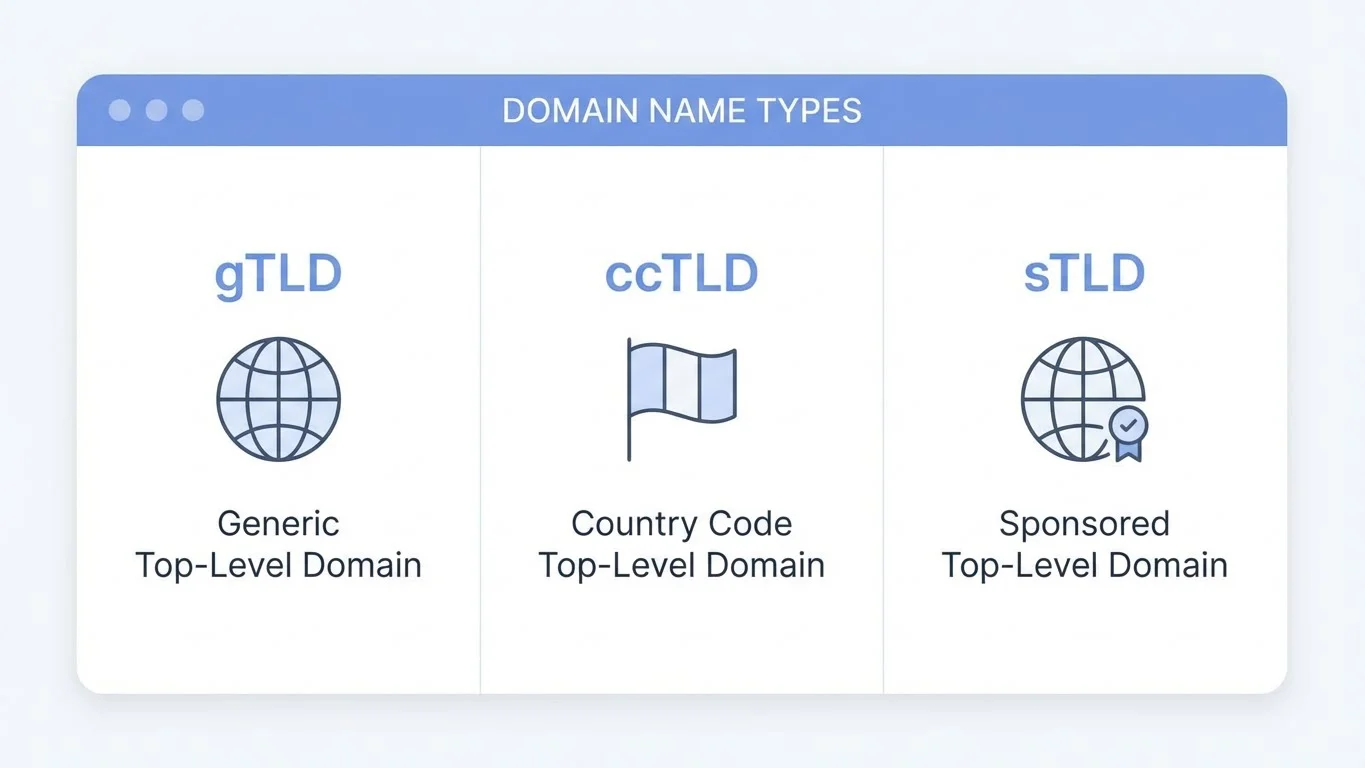
Yes, alongside example.com, the IETF has reserved example.net and example.org, as well as specific top-level domains like .test, .example, .invalid, and .localhost for testing and documentation.
Why do modern web browsers load a specific informational page when visiting example.com?
Visiting the domain directly resolves to a static landing page maintained by ICANN that explicitly explains the reserved nature of the address, informing users that the site is intended solely for illustrative literature.
How should developers test form submissions without using live domains?
Developers should utilize local loopback addresses, local testing domains managed via hosts file modifications, or dedicated mock testing frameworks rather than relying on public reserved domains for active functional testing.
Optimizing Your Development Workflow Today
Leveraging standardized documentation assets like example.com ensures technical clarity and maintains compliance with global internet governance standards. Implement these reserved addressing frameworks across your technical documentation suites and codebase templates today to streamline developer onboarding and eliminate configuration ambiguity.