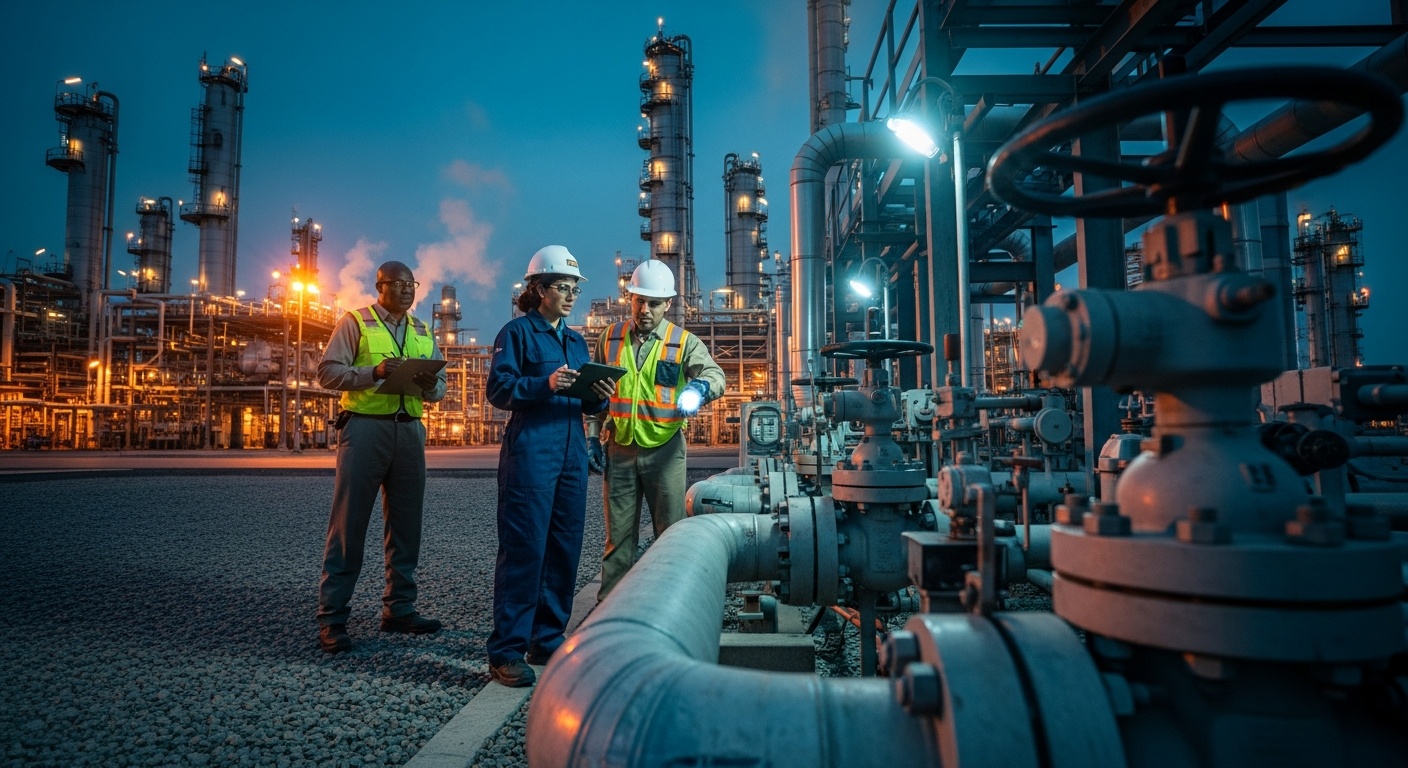
Industrial safety is a comprehensive framework of multidisciplinary practices, protocols, and technologies designed to protect workers, equipment, and the environment from hazards inherent in industrial settings. In 2026, effective industrial safety management requires integrating traditional engineering controls with advanced predictive analytics, Internet of Things (IoT) monitoring, and a robust organizational safety culture to eliminate or mitigate workplace risks.
The Foundations of Industrial Safety
Industrial safety is not merely a set of rules but a systematic approach to identifying, evaluating, and controlling workplace hazards. The primary objective is to prevent occupational injuries, illnesses, and fatalities while ensuring operational continuity. In the modern industrial landscape of 2026, safety has transitioned from a reactive "compliance-only" mindset to a proactive, data-driven strategy that treats safety as an essential component of business excellence.
At its core, industrial safety addresses three distinct pillars:
- Human Safety: Protecting the physical and mental well-being of the workforce.
- Asset Integrity: Safeguarding machinery, facilities, and infrastructure from damage (e.g., fires, explosions, or mechanical failures).
- Environmental Stewardship: Preventing the release of hazardous substances into the surrounding ecosystem.
The economic argument for safety is as compelling as the moral one. Organizations with high safety performance typically see lower insurance premiums, reduced litigation costs, higher employee retention, and improved productivity. Conversely, a single catastrophic incident can lead to massive fines, reputational ruin, and long-term legal liabilities.
The Regulatory Framework and Global Standards
Compliance with national and international standards is the baseline for any industrial safety program. While specific regulations vary by jurisdiction, the underlying principles remain consistent.
OSHA and National Regulations
In the United States, the Occupational Safety and Health Administration (OSHA) continues to set and enforce standards. As of 2026, OSHA has increasingly focused on heat stress management, crystalline silica exposure, and the integration of automated systems in manufacturing. Employers are legally obligated to provide a workplace "free from recognized hazards" under the General Duty Clause.
ISO 45001:2018 and Beyond
The ISO 45001 standard is the international benchmark for Occupational Health and Safety (OH&S) management systems. It provides a structured framework for organizations to manage risks and improve performance. Key components include:
- Leadership Commitment: Ensuring top management is directly accountable for safety outcomes.
- Worker Participation: Involving employees at all levels in the hazard identification and decision-making process.
- Continuous Improvement: Using the Plan-Do-Check-Act (PDCA) cycle to refine safety protocols over time.
For more information on these standards, the International Organization for Standardization (ISO) provides detailed documentation on implementation.
The Hierarchy of Controls: A Strategic Approach
The "Hierarchy of Controls" is the industry-standard method for determining how to implement the most effective safety solutions. It prioritizes methods that physically remove the hazard rather than relying on human behavior.
- Elimination: Physically removing the hazard. This is the most effective control. For example, replacing a dangerous manual process with a fully automated, enclosed system.
- Substitution: Replacing a hazardous substance or process with a less dangerous one. In 2026, this often involves switching from volatile organic compounds (VOCs) to water-based alternatives in industrial cleaning.
- Engineering Controls: Designing the environment to isolate people from the hazard. Examples include machine guarding, sound-dampening enclosures, and local exhaust ventilation.
- Administrative Controls: Changing the way people work through training, procedures, and scheduling. This includes Lockout/Tagout (LOTO) procedures and limiting time spent in high-noise areas.
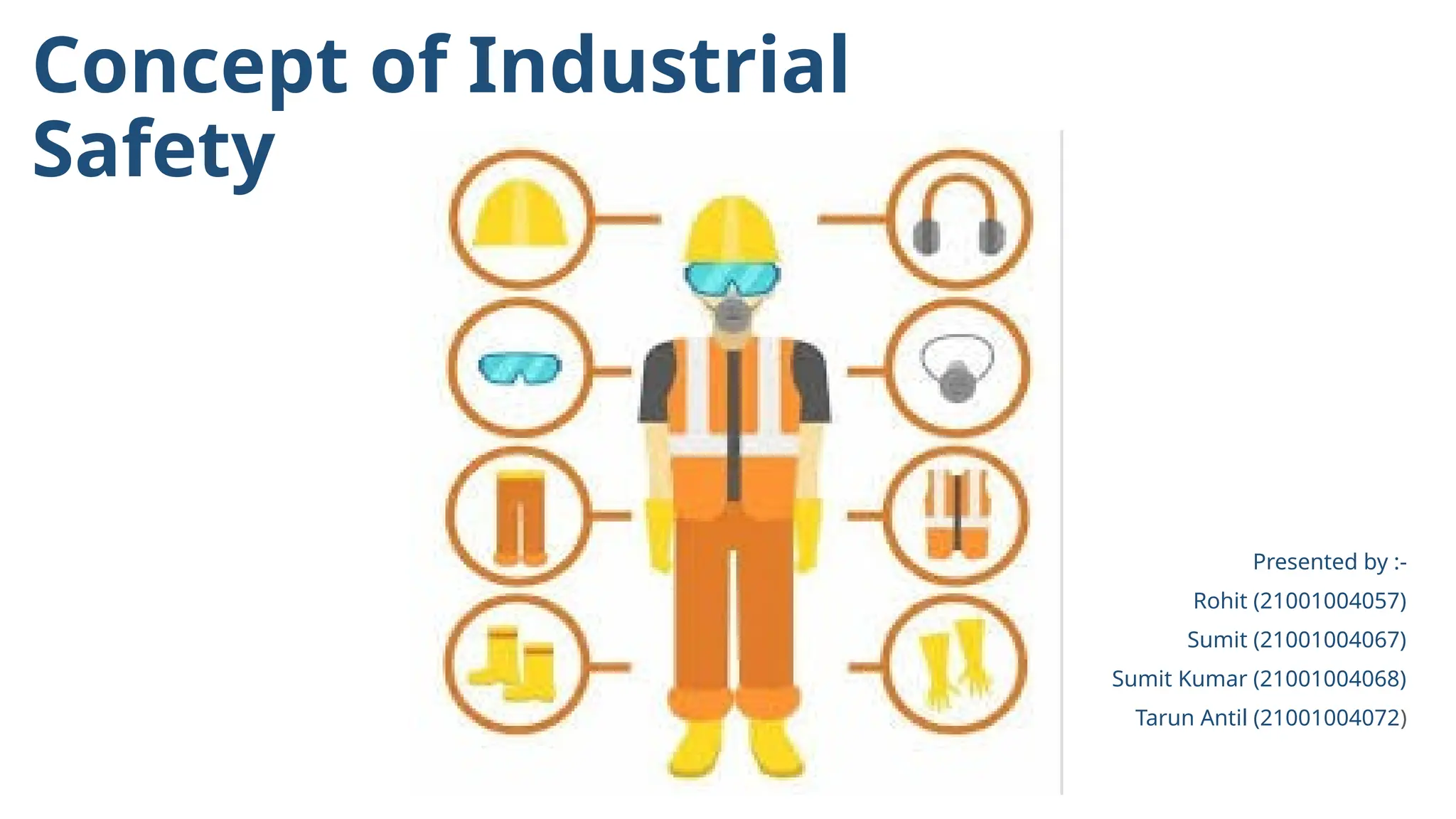
- Personal Protective Equipment (PPE): Protecting the worker with wearable gear. While essential, PPE is considered the "last line of defense" because it does not remove the hazard and relies entirely on correct usage.
Major Industrial Hazard Categories
Understanding specific hazards is critical for developing targeted mitigation strategies. Most industrial risks fall into four primary categories.
Mechanical Hazards
Mechanical risks involve moving parts, points of operation, and power transmission components.
- Crushing and Entrapment: Often caused by lack of machine guarding or failure to follow LOTO protocols.
- Impact Hazards: Moving vehicles, falling objects, or high-pressure releases.
- Mitigation: Machine safeguarding standards (such as ANSI B11) and rigorous maintenance schedules.
Chemical and Biological Hazards
Exposure to toxic chemicals, gases, or biological agents can cause acute poisoning or chronic illnesses.
- Hazard Communication (HazCom): Proper labeling and the maintenance of Safety Data Sheets (SDS) are mandatory.
- Atmospheric Testing: In confined spaces, testing for oxygen deficiency or toxic vapors is a non-negotiable prerequisite for entry.
- Resource: The National Institute for Occupational Safety and Health (NIOSH) offers extensive databases on chemical hazards.
Electrical Hazards
Electrical safety remains a high-priority area due to the risk of arc flash and electrocution.
- NFPA 70E: This standard for electrical safety in the workplace is the primary guide for protecting workers from electrical hazards.
- Grounding and Bonding: Essential for preventing static discharge, particularly in environments with flammable dusts or vapors.
Ergonomic and Psychosocial Hazards
Often overlooked, these hazards contribute to Musculoskeletal Disorders (MSDs) and mental health issues.
- Ergonomics: Designing workstations to fit the worker, reducing repetitive strain and awkward postures.
- Psychosocial Safety: Addressing workplace stress, fatigue, and burnout, which are leading contributors to human error in 2026.
Technological Advancements in 2026
The "Industry 4.0" revolution has fundamentally altered safety management. Today, technology allows for real-time monitoring and predictive capabilities that were impossible a decade ago.
IoT and Wearable Sensors
Workers in high-risk environments now commonly wear smart sensors that monitor heart rate, body temperature, and exposure to specific gases. These devices can alert a supervisor if a worker is showing signs of heat exhaustion or has entered a restricted zone without authorization.
Artificial Intelligence and Computer Vision
AI-powered camera systems can now scan a factory floor in real-time to identify safety violations, such as a worker failing to wear a hard hat or a forklift speeding in a pedestrian lane. These systems provide immediate feedback and generate heat maps of high-risk areas to inform better facility design.
Exoskeletons
For roles involving heavy lifting or repetitive movements, industrial exoskeletons have become a standard tool to reduce physical strain. These wearable devices augment the user's strength and provide support to the lower back and shoulders, significantly lowering the incidence of long-term MSDs.
Establishing a Robust Safety Culture
Technological and engineering solutions are only effective if they are supported by a strong safety culture. A safety culture is the shared values, beliefs, and behaviors regarding safety within an organization.
Leadership and Accountability
Safety must be a core value, not a priority. Priorities change, but values remain constant. Management should lead by example—if a CEO walks onto a factory floor without the required PPE, it undermines the entire safety program.
The Role of "Human and Organizational Performance" (HOP)
In 2026, many leading industrial firms have adopted HOP principles, which move away from blaming individuals for accidents. Instead, HOP focuses on understanding why an error occurred by examining the systems and contexts in which people work. This "No-Blame" approach encourages workers to report near-misses and hazards without fear of retribution, providing valuable data for prevention.
Continuous Training and Competency
Training must be more than a once-a-year "check-the-box" activity. Modern safety training utilizes Virtual Reality (VR) and Augmented Reality (AR) to simulate high-risk scenarios—such as an oil rig fire or a chemical leak—allowing workers to practice emergency responses in a safe, controlled environment.
Measuring Safety Performance: KPIs and Metrics
To improve safety, organizations must measure it accurately. In 2026, the focus has shifted from "Lagging Indicators" to "Leading Indicators."
| Metric Type | Definition | Examples |
|---|---|---|
| Lagging Indicators | Measure past performance and incidents that have already occurred. | Total Recordable Incident Rate (TRIR), Days Away, Restricted, or Transferred (DART). |
| Leading Indicators | Proactive measures that signal the health of the safety system before an incident occurs. | Near-miss reporting rates, safety training completion percentages, number of safety audits performed. |
| Predictive Metrics | Data-driven forecasts of where an incident is likely to occur. | AI-generated risk scores based on fatigue data, equipment sensor anomalies, and environmental conditions. |
Emergency Preparedness and Incident Investigation
Even with the best precautions, emergencies can happen. A comprehensive industrial safety plan must include detailed emergency response procedures.
- Evacuation Plans: Clearly marked exits, assembly points, and regular drills are essential.
- First Aid and Medical Response: Having trained first-aid responders and automated external defibrillators (AEDs) on-site can save lives during the critical minutes before professional help arrives.
- Root Cause Analysis (RCA): When an incident occurs, a formal investigation using methods like the "5 Whys" or "Fishbone Diagram" should be conducted to identify the underlying systemic failures, not just the immediate cause.
Common Pitfalls in Industrial Safety Management
Despite significant progress, many organizations still struggle with certain aspects of safety management:
- Compliance as the Ceiling: Treating regulatory compliance as the ultimate goal rather than the minimum requirement.
- Information Silos: Failing to share safety data across different departments or facility locations.
- Inconsistent Enforcement: Applying safety rules strictly to contractors or junior staff while ignoring violations by senior personnel.
- Ignoring "Small" Hazards: Allowing minor safety infractions (like blocked fire extinguishers) to go uncorrected, which fosters a culture of complacency.
FAQs: Frequently Asked Questions
What is the most common cause of industrial accidents in 2026?
Human error remains a primary factor, but modern analysis usually identifies "systemic deficiencies" as the root cause. This includes poor training, inadequate maintenance, and high-pressure work environments that lead to fatigue. According to OSHA's historical data, falls, struck-by incidents, and caught-in/between hazards consistently rank among the most frequent causes of serious injury.
How often should safety audits be conducted?
While the frequency depends on the risk level of the industry, a best practice is to conduct informal "walk-through" inspections weekly and comprehensive, formal audits quarterly. High-hazard facilities, such as chemical refineries, often require continuous monitoring and daily safety briefings (toolbox talks).
Can small businesses afford advanced industrial safety technology?
Yes. In 2026, the cost of sensors and safety software has decreased significantly. Many safety management systems (SMS) are now offered as scalable, cloud-based subscriptions, allowing smaller firms to access sophisticated data tracking and training modules without massive upfront capital investment.
What is the ROI of investing in industrial safety?
Studies from organizations like the National Safety Council (NSC) suggest that for every $1 invested in workplace safety, there is a return of $2 to $6 in avoided costs. These returns come from reduced workers' compensation claims, lower legal fees, and increased operational efficiency.
How does "Psychological Safety" relate to industrial safety?
Psychological safety is the belief that one will not be punished for speaking up with ideas, questions, or mistakes. In an industrial context, this is vital for "Stop Work Authority." If an employee feels psychologically unsafe, they may be afraid to halt a dangerous production line, leading to a preventable disaster.
Summary and Next Actions
Industrial safety in 2026 is an evolving discipline that merges human-centric culture with cutting-edge technology. To ensure your organization is operating at the highest safety standard, follow these immediate steps:
- Conduct a Comprehensive Risk Assessment: Identify the top five hazards in your facility and evaluate them against the Hierarchy of Controls.
- Review your Leading Indicators: Move beyond tracking only injuries (TRIR) and start measuring proactive activities like safety observations and near-miss reporting.
- Evaluate your Tech Stack: Determine if IoT sensors or AI-driven monitoring could mitigate risks in your highest-hazard zones.
- Foster Participation: Hold a "Safety Town Hall" to gather direct feedback from front-line workers about the hazards they face daily.
By prioritizing these actions, you move from a state of reactive compliance to a culture of proactive resilience, safeguarding your most valuable assets—your people.