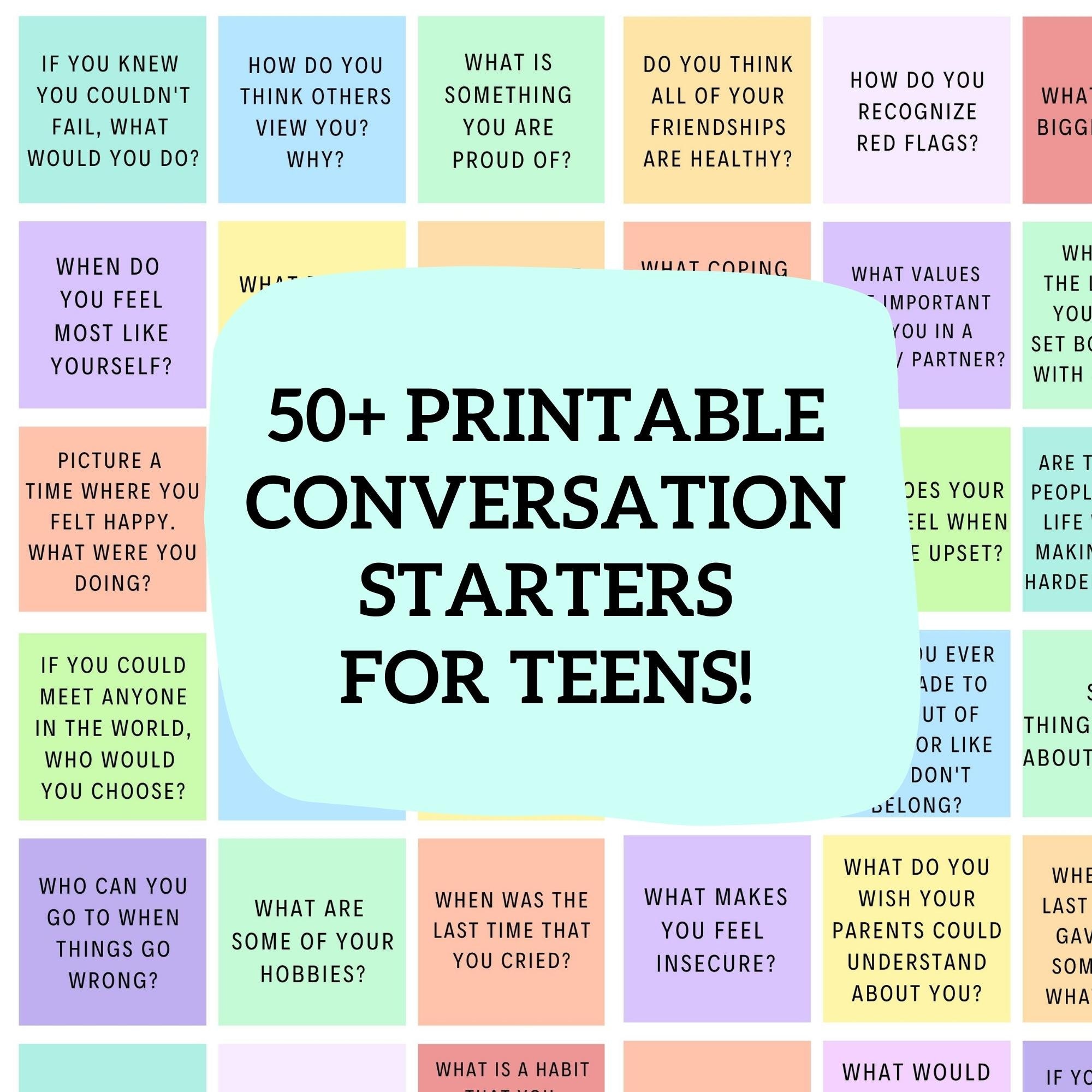
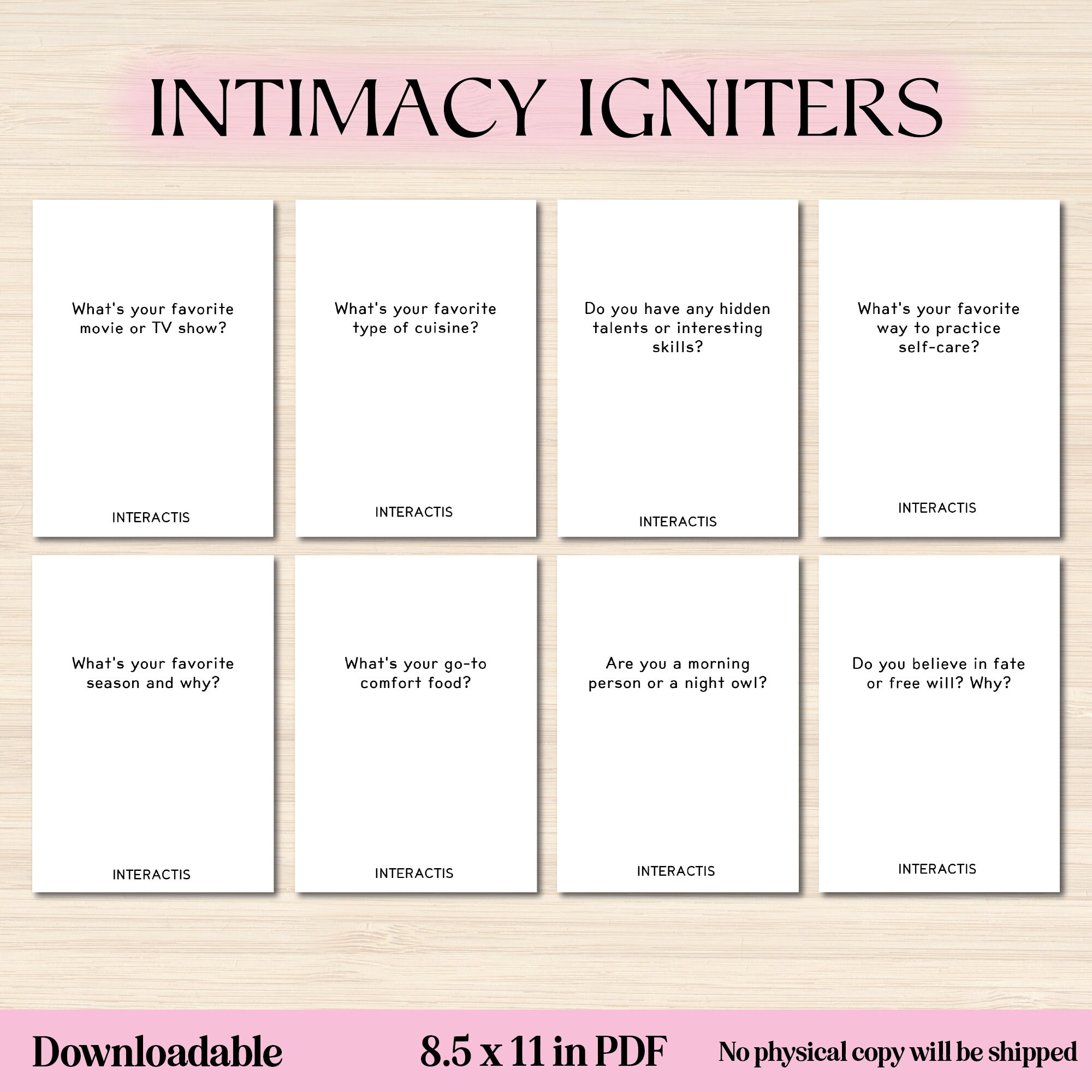
Meaningful connections are built through intentional vulnerability and authentic curiosity. By using targeted, open-ended prompts that move beyond standard small talk, you invite others to share their core values, experiences, and perspectives. This process creates a psychological bridge that strengthens interpersonal bonds and reduces social isolation in both personal and professional environments.
The Psychology of Deepening Social Connections
In 2026, the landscape of human interaction has shifted toward a high premium on "intentionality." As digital fatigue continues to influence how we interact, the ability to bypass superficial dialogue—often referred to as "clatter"—has become a vital social skill. Research in social psychology, most notably the work of Dr. Arthur Aron on experimental generation of interpersonal closeness, suggests that "sustained, escalating, reciprocal, personal self-disclosure" is the primary engine for building intimacy.
When we ask someone a question that requires more than a one-word answer, we activate the "reward" centers of their brain. Sharing information about oneself releases dopamine, creating a positive feedback loop between the speaker and the listener. However, the quality of the question dictates the depth of the reward. "How was your day?" rarely triggers the same neurological engagement as "What was the most unexpected thing that happened to you today?"
To move from an acquaintance to a confidant, or from a colleague to a collaborator, you must navigate the transition from phatic communication (social grooming talk) to substantive communication. The following 50 conversation starters are designed to facilitate that transition across various contexts of life.
Category 1: Icebreakers for New Acquaintances and Social Gatherings
When meeting someone for the first time, the goal is to find "uncommon commonalities." These are shared interests or experiences that aren't immediately obvious. These prompts are designed to be low-risk but high-reward, allowing the other person to choose how much they wish to disclose.
- What is a hobby or project you could talk about for 30 minutes with zero preparation? This reveals passion and expertise without the pressure of a professional "elevator pitch."
- If you didn’t have to work for money, how would you spend your Tuesday mornings? This bypasses the "What do you do?" trap and looks at intrinsic motivation.
- What is the best piece of advice you’ve ever actually followed? This highlights a person’s mentors and their capacity for growth.
- What is a "small win" you’ve had in the last 48 hours? This encourages a positive atmosphere and focuses on the present.
- What is the most interesting thing you’ve read or watched recently that changed your mind about something? This tests intellectual humility and curiosity.
- If you were to open a highly specific themed café, what would it be? This invites creativity and reveals personal tastes.
- What is one thing people often misunderstand about you when they first meet you? This allows the person to define their own identity.
- What is your favorite "hidden gem" in this city (or your hometown)? Local knowledge is a great bridge for shared experiences.
- What was your first impression of the industry/community we are both in? This builds rapport through shared context.
- What is a skill you’ve always wanted to learn but haven’t had the time for yet? This reveals aspirations and future goals.
Category 2: Deepening Existing Friendships
Friendships often plateau because we fall into "update" mode—discussing only what has happened since we last met. To deepen a bond, you must move from reporting events to reflecting on them.
- What is something you’re currently struggling with that you haven’t told many people? Vulnerability is the fastest way to deepen a friendship.
- When do you feel the most "like yourself"? This explores self-actualization and comfort zones.
- What is a friendship from your past that you miss, and why? This discusses what the person values in a companion.
- What is something I do that makes you feel supported? This provides direct feedback on the health of the relationship.
- What is a goal you have for the next year that scares you a little bit? Sharing fears builds mutual trust and accountability.
- If you could go back and change one decision from your 20s, what would it be? This invites reflection on life paths and lessons learned.
- What is your "love language" for friendship? (e.g., quality time, helpfulness, checking in). This clarifies how to be a better friend.
- What is the most significant way your perspective on life has changed in the last five years? This acknowledges that people are dynamic and evolving.
- What is a "hot take" or unpopular opinion you hold that you’re willing to defend? This adds a layer of playful debate and intellectual stimulation.
- What does a "perfect day" look like for you in your current stage of life? Priorities change over time; this keeps you updated on their current values.
Category 3: Romantic and Partner Connection
In long-term relationships, "habitualized" conversation can lead to emotional distance. These prompts are designed to reignite curiosity and explore the "internal map" of your partner.
- What is a memory of us that always makes you smile when you’re having a bad day? This reinforces the positive "we-ness" of the relationship.
- What is one thing you feel we should do more of together? This focuses on proactive relationship maintenance.
- What is a dream you’ve had recently—either a sleeping dream or a life dream? This keeps the "dreamer" aspect of the partner alive.
- How do you feel your parents’ relationship influenced how you view us? This explores attachment styles and generational patterns.
- What is a quality of mine that you’ve come to appreciate more over time? Gratitude is a powerful neurochemical booster for relationships.
- If we could move anywhere in the world for one year, where would you want to go and why? This explores shared adventures and values.
- What is something you’re currently curious about in your own personal growth? This acknowledges the partner as an individual outside the couple.
- How can I better show up for you when you are feeling overwhelmed? This is a practical, supportive inquiry that builds safety.
- What is the most "romantic" thing someone can do for you that doesn't cost any money? This focuses on emotional currency rather than material.
- What is a topic we haven't talked about in a long time that you miss discussing? This helps rediscover lost facets of the relationship.
Category 4: Professional and Workplace Rapport
Professional connections often suffer from being purely transactional. To build a resilient network in 2026, you need to understand the why behind the what.
- What was the "lightbulb moment" that led you to your current career path? This reveals motivation and origin stories.
- What is a professional challenge you’ve overcome that you are particularly proud of? This allows for "humble-bragging" in a constructive way.
- What do you think is the most underrated skill in our industry right now? This demonstrates industry insight and thought leadership.
- If you were to mentor someone entering this field, what would be your first piece of advice? This reveals their core values regarding work ethic and strategy.
- What is a project you worked on that failed, and what did you learn from it? This normalizes failure and focuses on resilience.
- How do you maintain your focus and energy in a world of constant digital distractions? This is a highly relevant "how-to" conversation for 2026.
- What is one thing you wish people understood about the complexities of your role? This builds empathy and cross-departmental understanding.
- Who is someone in your professional life who has significantly influenced your leadership style? This discusses mentorship and values.
- What does "success" look like to you at this specific stage of your career? Success is subjective; understanding their definition helps in collaboration.
- If our team/company could solve one major problem in the world, which one should it be? This aligns professional work with larger purpose and mission.
Category 5: Family, Legacy, and Philosophical Reflections
These prompts are ideal for family gatherings or moments of deep reflection with elders. They are designed to capture history and philosophical stances.
- What is a family tradition you want to make sure stays alive for the next generation? This explores cultural and familial identity.
- What was the hardest thing about growing up in your era that people today might not understand? This bridges the generational gap.
- What is a "family myth" or story that has been passed down that you find fascinating? This preserves oral history.
- What is the most important lesson your parents or grandparents taught you? This tracks the evolution of values through time.
- If you could write a letter to your 18-year-old self, what would be the three most important words in it? This distills a lifetime of wisdom.
- What do you want your legacy to be, beyond your professional achievements? This looks at the "eulogy virtues" vs. "resume virtues."
- What is a world event that you lived through that changed the way you see humanity? This provides historical context and personal impact.
- What gives you the most hope for the future when you look at the world today? Hope is a vital topic for connection in challenging times.
- What is the most beautiful place you have ever been, and how did it change you? This explores the impact of aesthetics and travel on the soul.
- If you could have dinner with any three people from history, who would they be and what would you ask them? This reveals intellectual interests and heroic ideals.
Comparing Conversation Types and Their Outcomes
Choosing the right prompt requires an understanding of the social "temperature." The table below compares different categories of conversation starters and the typical results they yield.
| Category | Primary Goal | Recommended Setting | Typical Outcome |
|---|---|---|---|
| Icebreakers | Establish Rapport | Networking, Parties, First Dates | Reduced social anxiety; discovery of shared interests. |
| Friendship | Build Intimacy | One-on-one hangouts, Long drives | Increased trust; feeling "seen" and understood. |
| Professional | Build Trust/Network | Office coffee, Industry events | Enhanced collaboration; mutual professional respect. |
| Romantic | Renew Connection | Date nights, Quiet evenings | Increased emotional safety; reignited curiosity. |
| Legacy | Preserve History | Family dinners, Holiday gatherings | Intergenerational wisdom; strengthened identity. |
The Art of the Follow-Up: Beyond the Initial Prompt
A conversation starter is merely the "key" to the door; the follow-up is the actual "room." To ensure a connection becomes meaningful, you must practice Active Listening and Empathetic Inquiry.
According to research from the Greater Good Science Center at UC Berkeley, high-quality listening involves more than just being quiet. It requires "active-constructive" responding. When someone answers one of your 50 prompts, avoid immediately jumping in with your own story. Instead, use these follow-up techniques:
- Mirroring: "It sounds like you felt [emotion] when that happened. Is that right?"
- The "Tell Me More" Method: A simple "That’s fascinating, tell me more about why that specific moment stayed with you" can unlock layers of detail.
- Clarification: "When you say it was a 'turning point,' what exactly shifted in your daily life?"
- Avoid the "Righting Reflex": If someone shares a struggle, don't immediately offer a solution unless they ask. Offer empathy first.
Common Pitfalls to Avoid
Even with the best prompts, conversations can stall if the delivery is forced or the timing is poor. Avoid these common mistakes:
- Interrogation Style: Asking prompt after prompt without sharing anything yourself can feel like an interview rather than a connection. Ensure there is a "reciprocity of disclosure."
- Ignoring Social Cues: If someone gives a short, closed answer to a deep question, they may not be ready for that level of intimacy. Respect their boundaries and pivot back to lighter topics.
- The "Wait to Talk" Syndrome: If you are merely waiting for them to finish so you can share your "better" story, you aren't connecting; you are performing.
- Inappropriate Context: Asking a colleague about their deepest fears during a high-stakes board meeting is a mismatch of context. Match the depth of the prompt to the privacy and safety of the environment.
The Role of Vulnerability in 2026
As we move further into 2026, the "authenticity economy" has become a dominant force. Whether in brand building or personal relationships, people are increasingly sensitive to "curated" personas. True connection requires the courage to be imperfect. By using these prompts, you aren't just looking for information; you are creating a safe space for someone else to be their authentic self.
This is particularly important for mental health. The National Institutes of Health (NIH) has long emphasized that social connection is a key determinant of physical health and longevity. Meaningful conversations are the "nutrients" of those connections.
FAQ: Frequently Asked Questions
How do I start a deep conversation without it feeling awkward?
Start by acknowledging the shift. You might say, "I’m trying to move past the usual small talk—can I ask you something a bit more interesting?" Most people find this refreshing rather than awkward because they are also tired of superficial "clatter."
What if the other person doesn't want to answer a deep question?
Always give the other person an "out." If they seem hesitant, say, "No pressure to answer that if it’s too personal, I was just curious about your perspective." This maintains the safety of the interaction and shows you respect their boundaries.
Are these prompts suitable for text-based communication?
Yes, but with caveats. Deep questions often require tone of voice and body language to convey sincerity. If using these via text or messaging apps, use them sparingly and consider following up with a voice note or a video call to discuss the answer more fully.
How many prompts should I use in one sitting?
Quality over quantity is the rule. One deep prompt that leads to a 45-minute conversation is far better than "checking off" ten prompts. Let the conversation flow naturally from the first spark.
Can these be used in a professional "team building" setting?
Absolutely. However, for professional settings, it is best to stick to Category 4 (Professional Rapport) or Category 1 (Icebreakers). Avoid Category 2 (Friendship) or 3 (Romantic) unless the team has a very high level of pre-existing psychological safety.
Next Actions for Building Connections
To put these 50 conversation starters into practice, start small. Choose three prompts from this list that resonate with your current social goals. Commit to using one of them this week in a low-stakes environment, such as a coffee with a colleague or a phone call with a family member.
Remember that the goal is not to "perform" the question perfectly, but to listen intently to the answer. Meaningful connection is less about what you say and more about how you make the other person feel heard and valued.