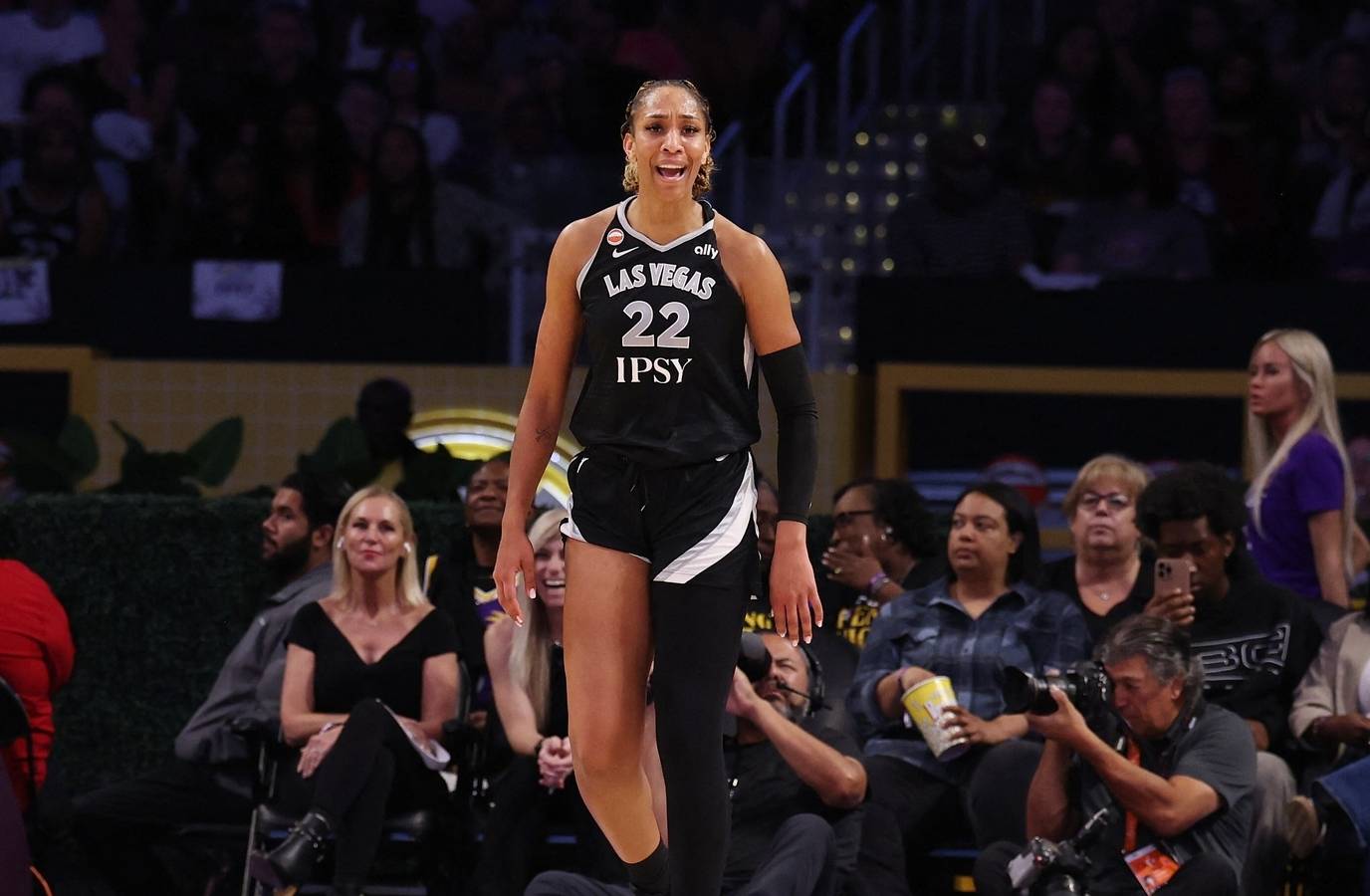
The 2024 WNBA season represented a pivotal financial milestone for the league, characterized by the maximum salary cap, core salary structures, and the impact of the WNBA Collective Bargaining Agreement (CBA). In 2024, the league’s top earners—players on "supermax" contracts—reached a base salary of $241,984, while the average salary hovered significantly lower, reflecting the tiered compensation structure defined by years of service and contract types.
The Foundation of WNBA Compensation
To understand WNBA compensation, one must examine the 2020 Collective Bargaining Agreement, which remains the governing document for player pay. This agreement established specific salary tiers, including the minimum salary for players with less than three years of experience and the maximum salary for veterans.
The structure is intentionally rigid to ensure teams remain within the salary cap, which in 2024 was set at $1,463,200 per team. This "hard cap" prevents teams from overspending, which naturally limits the total pool of money available for player salaries. Unlike leagues with "soft" caps or luxury tax systems, the WNBA enforces strict compliance, meaning player compensation is inextricably linked to the league’s total revenue and the resulting salary cap growth.
Top Earners and the Supermax Concept
In 2024, the term "supermax" became a central focal point for fans and analysts. The WNBA supermax salary is specifically designed for veteran players who have met certain criteria, such as completing their rookie scale contract and re-signing with their current team. For the 2024 season, the supermax base salary was $241,984.
This figure applies only to a small fraction of the league. Players like Breanna Stewart, Jewell Loyd, and Arike Ogunbowale were among the select few earning at or near this tier. It is important to distinguish this base salary from total earnings. Many top-tier players participate in off-court marketing agreements, WNBA marketing deals, and international league play, which can significantly inflate their total annual income beyond their WNBA payroll figure.
Average Pay and the Tiered System
Calculating an "average" salary in the WNBA requires looking at the roster composition. Each team is permitted to carry 11 or 12 players. With a team salary cap of approximately $1.46 million, the arithmetic mean suggests an average salary of roughly $120,000 to $130,000. However, this number is skewed by the vast difference between entry-level salaries and veteran maximums.
For the 2024 season, the minimum salary for a player with zero to two years of experience was $64,154, while those with three or more years of experience earned a minimum of $76,297. Because a significant portion of league rosters consists of younger players or those on rookie-scale contracts, the median salary is often more representative of the typical player experience than the mathematical average.
Table 1: 2024 WNBA Salary Tiers Overview
| Salary Category | Criteria | 2024 Base Salary (Approx.) |
|---|---|---|
| Supermax | Veteran/Eligible | $241,984 |
| Standard Max | Veteran | $208,298 |
| Minimum (3+ Years) | Experience-based | $76,297 |
| Minimum (0-2 Years) | Experience-based | $64,154 |
Factors Influencing Player Earnings
Several variables beyond base salary affect how much a player actually brings home. These factors explain why the public-facing salary figures are often only part of the financial narrative.
1. Marketing Agreements
The WNBA facilitates "Marketing Agreements," which allow players to earn additional compensation outside of the team salary cap. These payments are made directly by the league for a player’s participation in promotional activities, media appearances, or commercial partnerships. This mechanism allows star players to earn significantly more than the supermax base salary while remaining within the league’s strict team-based hard cap.
2. Performance Bonuses
The CBA includes provisions for performance bonuses for awards such as the Most Valuable Player (MVP), Defensive Player of the Year, and selection to All-WNBA teams. These bonuses are funded by the league and do not count against the team’s salary cap, serving as an important incentive for elite talent.
3. International Play
Historically, many WNBA players pursued "off-season" contracts in leagues located in Europe, Asia, or Australia. While these opportunities have been impacted by league scheduling and the WNBA’s "prioritization" rule—which requires players to report to their WNBA team on time—international play remains a secondary, often lucrative, income stream for veteran players.
Understanding the Hard Cap and Team Dynamics
The WNBA operates under a hard salary cap, a point of constant discussion among fans. In 2024, if a team reached the $1,463,200 limit, they could not sign additional players or increase existing salaries, regardless of revenue or team performance. This differs from leagues like the NBA, where "luxury taxes" allow teams to exceed the cap by paying a financial penalty.
The WNBA’s hard cap forces general managers to make difficult personnel decisions. They must balance the need for veteran leadership—who command higher salaries—with the necessity of drafting young, low-cost talent to stay under the limit. This creates a highly competitive environment for roster spots, where even minor contract negotiations can determine the entire team's strategic flexibility.
The Evolution of the Salary Landscape
The 2024 salary landscape was a product of a deliberate, incremental growth strategy. Since the inception of the 2020 CBA, the league has seen modest but consistent increases in the cap. Because the league’s revenue—driven by broadcast deals, sponsorships, and merchandise—dictates these thresholds, the 2024 numbers represented the current ceiling of the agreed-upon financial model.
Observers often compare WNBA salaries to other professional leagues. While the absolute dollar amounts differ, the structural intent of the 2024 salary cap was to provide a sustainable framework. The league’s focus has been on collective growth rather than short-term spikes that could jeopardize the stability of individual franchises.
Frequently Asked Questions
Are player salaries public knowledge? Yes, WNBA player salaries are generally disclosed through league-approved salary databases and reporting. Because teams must adhere to a hard cap, transparency is required to verify that each team is in compliance with the CBA.
How does the supermax salary work for rookies? Rookies are not eligible for the supermax salary. Rookie salaries are dictated by the "Rookie Scale," which assigns a set salary based on their draft position (first-round picks). They must complete their rookie-scale contract before they can enter the veteran free agency market and negotiate for higher tiers of pay.
Do off-court endorsements count against the salary cap? No, personal endorsement deals (e.g., shoe contracts or apparel partnerships) are private agreements between the player and the brand. These do not count against the WNBA team salary cap and are entirely separate from league-issued compensation.
How often does the WNBA salary cap change? The salary cap is adjusted annually according to the terms of the Collective Bargaining Agreement. These increases are generally tied to revenue growth benchmarks outlined within the agreement, ensuring that player compensation scales as the league succeeds.
Why is there a limit on how much players can earn? The limit is a direct result of the collective bargaining process. The CBA balances the desire for higher individual player salaries with the financial viability of the league’s individual teams. The hard cap ensures that every team operates on a level playing field, preventing wealthier markets from outspending smaller-market teams to acquire talent.
Strategic Outlook and Next Actions
For those interested in the financial evolution of the WNBA, the primary next step is monitoring the negotiations for the next CBA. As the league’s profile grows, player compensation remains a central point of discussion between the union and ownership. Fans should track official league statements and reputable investigative journalism for updates on future cap adjustments, as these will be the primary drivers of salary changes beyond 2024. For a granular look at individual player contracts, consulting the WNBA’s official transaction wires and authorized third-party salary databases remains the most accurate way to verify current earnings for specific athletes.