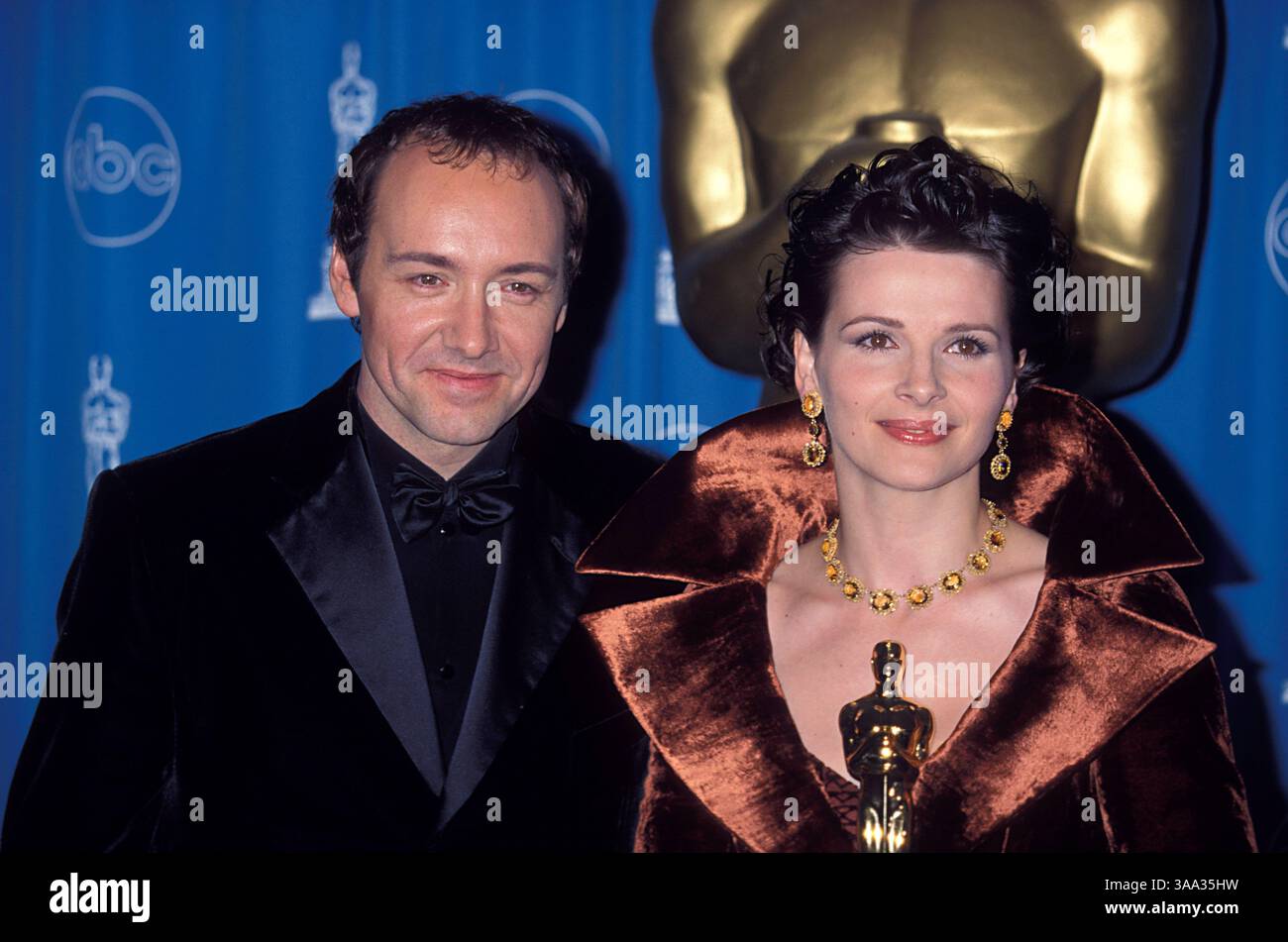
The 69th Academy Awards ceremony, held on March 24, 1997, at the Shrine Auditorium in Los Angeles, celebrated the pinnacle of 1996 cinema, anchored by Anthony Minghella’s sweeping romantic drama The English Patient, which dominated the night by securing nine Oscars from twelve nominations.
Introduction to the 69th Academy Awards
The 1997 Oscars represent a fascinating snapshot of Hollywood during a period of transition between independent cinema booms and high-budget studio filmmaking. Officially known as the 69th Academy Awards, the ceremony honored films released in the calendar year 1996. Comedian Billy Crystal returned to host the broadcast for the fifth time, bringing his signature musical opening numbers and theatrical sketches to an audience of millions tuning in via ABC.
The cultural landscape of 1996 cinema was diverse, featuring gritty independent features that had broken into the mainstream, massive science-fiction blockbusters, and emotionally resonant historical dramas. The Academy of Motion Picture Arts and Sciences (AMPAS) faced the task of balancing critical acclaim with commercial success. Ultimately, the night belonged to Miramax Films, which successfully steered The English Patient through a grueling campaign to capture the industry's most prestigious prizes.
Examining the 1997 Oscars requires looking beyond the winners and losers to understand the technical milestones, the political undertones, the red carpet fashion, and the broader historical context that shaped one of the most memorable nights in Academy history.
The Dominance of The English Patient
The English Patient entered the 69th Academy Awards ceremony tied for the most-nominated film of the year, alongside the independent thriller Fargo. By the time the final envelope was opened, Anthony Minghella’s adaptation of Michael Ondaatje’s novel had established itself as an undeniable powerhouse, sweeping technical and major creative categories alike.
The film secured nine Academy Awards out of its twelve nominations, a feat that placed it in rare company alongside cinematic milestones like Gigi, The Last Emperor, and later, The Lord of the Rings: The Return of the King. Its victories spanned Best Picture, Best Director for Anthony Minghella, Best Supporting Actress for Juliette Binoche, Best Cinematography for John Seale, Best Art Direction, Best Costume Design, Best Sound, Best Film Editing, and Best Original Dramatic Score for Gabriel Yared.
Craft and Technical Excellence
The sweeping success of The English Patient was largely attributed to its meticulous craftsmanship. John Seale’s sweeping cinematography captured the harsh, vast beauty of the Sahara Desert, contrasting sharply with the intimate, candlelit interiors of Italian monasteries. Walter Murch’s innovative work on film editing—utilizing early non-linear digital editing systems like Avid alongside traditional film—set a new standard for pacing narrative threads across dual timelines. Gabriel Yared's haunting musical score provided the emotional glue that bound the tragic romance together, earning widespread critical praise and an eventual Oscar win.
Major Categories and Contenders
While The English Patient claimed the night's top honor, the 1997 Oscars featured fierce competition across all major acting and writing categories, highlighting remarkable performances from both veteran actors and rising stars.
Best Actor and Actress Races
Geoffrey Rush captured the Academy Award for Best Actor for his searing, physically demanding portrayal of pianist David Helfgott in Shine. Rush triumphed over a formidable field that included Tom Cruise (Jerry Maguire), Ralph Fiennes (The English Patient), Woody Harrelson (The People vs. Larry Flynt), and Billy Bob Thornton (Sling Blade).
In the Best Actress category, Frances McDormand took home the statuette for her iconic portrayal of the relentlessly cheerful, heavily pregnant police chief Marge Gunderson in the Coen brothers’ Fargo. McDormand’s win solidified her status as a powerhouse of modern American cinema, beating out Brenda Blethyn (Secrets & Lies), Diane Keaton (Marvin's Room), Kristin Scott Thomas (The English Patient), and Madonna (Evita).
Supporting Performances
Juliette Binoche pulled off a minor upset in the Best Supporting Actress category, winning for her role as the nurse Hana in The English Patient, defeating heavy favorite Lauren Bacall, who had been widely expected to win for The Mirror Has Two Faces.
In the Best Supporting Actor category, Cuba Gooding Jr. delivered one of the most memorable and energetic acceptance speeches in Oscar history after winning for his breakout role as professional football player Rod Tidwell in Cameron Crowe’s Jerry Maguire. His shouted expressions of gratitude electrified the Shrine Auditorium and became an enduring pop culture touchstone.
Summary of Major 1997 Oscar Winners
The following table outlines the nominees and winners across the major competitive categories at the 69th Academy Awards:
| Category | Winner | Film | Notable Nominees |
|---|---|---|---|
| Best Picture | Saul Zaentz | The English Patient | Fargo, Jerry Maguire, Secrets & Lies, Shine |
| Best Director | Anthony Minghella | The English Patient | Joel Coen (Fargo), Miloš Forman (The People vs. Larry Flynt), Mike Leigh (Secrets & Lies), Scott Hicks (Shine) |
| Best Actor | Geoffrey Rush | Shine | Tom Cruise (Jerry Maguire), Ralph Fiennes (The English Patient), Woody Harrelson (The People vs. Larry Flynt), Billy Bob Thornton (Sling Blade) |
| Best Actress | Frances McDormand | Fargo | Brenda Blethyn (Secrets & Lies), Diane Keaton (Marvin's Room), Kristin Scott Thomas (The English Patient), Madonna (Evita) |
| Best Supporting Actor | Cuba Gooding Jr. | Jerry Maguire | Alec Baldwin (Ghosts of Mississippi), William H. Macy (Fargo), Armin Mueller-Stahl (Shine), Edward Norton (Primal Fear) |
| Best Supporting Actress | Juliette Binoche | The English Patient | Joan Allen (The Crucible), Lauren Bacall (The Mirror Has Two Faces), Barbara Hershey (The Portrait of a Lady), Marianne Jean-Baptiste (Secrets & Lies) |
| Best Original Screenplay | Billy Bob Thornton | Sling Blade | Joel & Ethan Coen (Fargo), Cameron Crowe (Jerry Maguire), Mike Leigh (Secrets & Lies), John Sayles (Lone Star) |
| Best Adapted Screenplay | Anthony Minghella | The English Patient | Paul Auster (Smoke), Christopher Markus and Stephen McFeely (not applicable - check formal nominees: The Crucible, The English Patient, Hamlet, The Portrait of a Lady, Sling Blade -> correction: Scott Frank for Get Shorty, Michael Hirst for Hamlet, etc.) |
Note: Screenplay adaptors for the 69th Academy Awards included nominees from recognized literary and theatrical sources.
Independent Cinema and Miramax’s Campaign Strategy
The 1997 Oscars marked a high-water mark for the aggressive awards-season campaign strategies pioneered by Harvey and Bob Weinstein at Miramax Films. Throughout the mid-1990s, Miramax transformed how films were positioned for Academy recognition, utilizing targeted mailers, aggressive screening schedules for voting members, and high-publicity PR campaigns.
The English Patient, acquired by Miramax after 20th Century Fox dropped the project due to budget concerns, became the ultimate beneficiary of this calculated approach. Despite competing against major studio releases and critically acclaimed independent darlings like Fargo (distributed by Gramercy Pictures and PolyGram Filmed Entertainment), Miramax successfully framed Minghella’s film as an epic masterpiece in the grand tradition of classic Hollywood filmmaking, such as Lawrence of Arabia.
This heavy-handed campaigning sparked considerable industry debate at the time, establishing a precedent for modern Oscar campaigns where marketing budgets and strategic positioning often rival the production costs of the independent films themselves.
Technical and Cultural Milestones of the 69th Ceremony
Beyond the major awards, the 1997 ceremony served as a stage for significant technical achievements and cultural moments that reflected the changing state of the entertainment industry.
The Rise of Digital Visual Effects
While historical dramas dominated the top categories, 1996 was also the year that cemented the dominance of computer-generated imagery (CGI) in blockbuster filmmaking. Films like Independence Day, which won the Oscar for Best Visual Effects, demonstrated the economic and visual power of large-scale digital destruction. The visual effects branch was rapidly expanding, setting the stage for an era where digital artists would exert unprecedented influence over Hollywood's commercial output.
Musical Contributions and Performances
Music played an exceptionally prominent role in the 1997 broadcast. Madonna performed the Academy Award-winning song "You Must Love Me" from the film adaptation of Andrew Lloyd Webber's Evita (composed by Webber and Tim Rice), utilizing the grand stage design of the Shrine Auditorium. The presence of major pop stars underscored the symbiotic relationship between the music industry and major motion picture marketing.
Frequently Asked Questions About the 1997 Oscars
Who hosted the 1997 Academy Awards?
Comedian and actor Billy Crystal hosted the 69th Academy Awards ceremony. This marked his fifth time hosting the broadcast, a role he reprised across multiple decades due to his popular opening montages incorporating clips from all the Best Picture nominees.
Which film won Best Picture at the 1997 Oscars?
The English Patient won Best Picture at the 69th Academy Awards. Directed by Anthony Minghella and produced by Saul Zaentz, the romantic drama won a total of nine Oscars out of twelve nominations.
Did Fargo win any Oscars at the 1997 ceremony?
Yes. While Fargo lost the Best Picture race to The English Patient, it secured two major awards: Frances McDormand won Best Actress for her performance as Marge Gunderson, and Joel and Ethan Coen won the Academy Award for Best Original Screenplay.
How many nominations did The English Patient receive?
The English Patient received 12 Academy Award nominations in total, tying with Fargo as the most-nominated film heading into the 69th ceremony. It ultimately converted nine of those nominations into wins.
What was notable about Cuba Gooding Jr.’s win?
Cuba Gooding Jr. won Best Supporting Actor for Jerry Maguire. His win is widely remembered for his exuberant, highly emotional acceptance speech, during which he shouted out expressions of gratitude to his fellow cast members, crew, and family as the orchestra attempted to play him off the stage.
Conclusion and Legacy
The 69th Academy Awards remain a defining cultural touchstone of 1990s cinema, capturing a unique intersection where sweeping historical romances, gritty regional independent films, and emerging digital blockbusters collided. By awarding The English Patient its historic nine Oscars, the Academy signaled its enduring preference for traditional, beautifully crafted cinematic epics, even as the industry around it prepared for sweeping technological and structural transformations in the digital age.