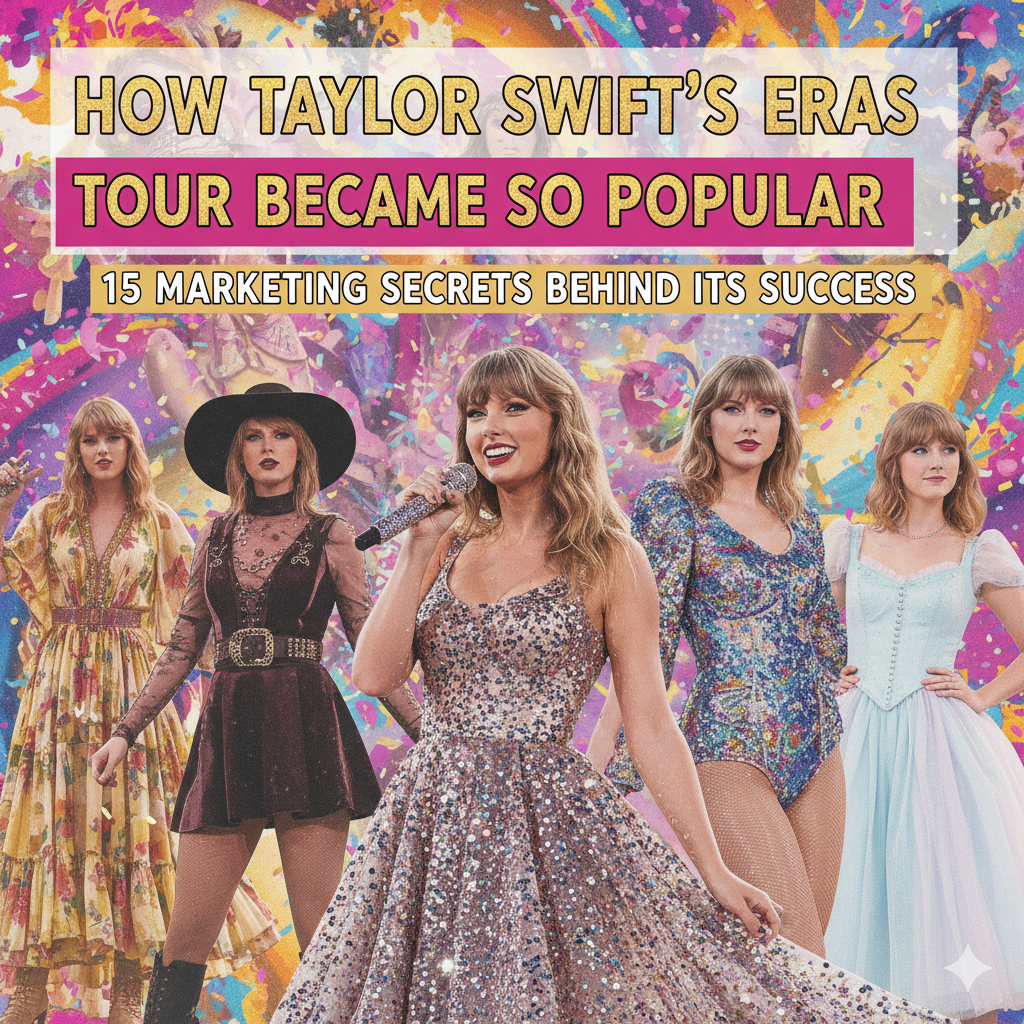
Taylor Swift’s extraordinary ascent from a genre-specific teenage country artist to a global cultural and economic superpower is frequently studied as a masterclass in modern business strategy. Behind the staggering records, historic stadium tours, and unprecedented cultural footprint lies a rigorous, calculated operational framework. While pop culture observers often attribute her success to raw talent or loyal fandom dynamics, a deeper examination reveals a disciplined management model that mirrors the execution of top-tier corporate CEOs. This strategic architecture can be systematically understood through 13 core pillars of management, branding, and operational control.
1. Radical Brand Autonomy and Vertical Integration
The foundation of Swift’s business model is absolute ownership and control over her intellectual property and operational pipeline. In the traditional music industry, artists frequently trade master recordings and publishing rights for upfront capital and distribution infrastructure. Swift systematically dismantled this dependency.
By executing a meticulously planned re-recording campaign for her back catalog—colloquially known as the "Taylor's Version" project—she engineered a financial and legal workaround that recaptured control of her master recordings. This move demonstrated advanced asset protection. Vertical integration allows her to control the creation, production, marketing, and distribution phases of her enterprise without external corporate gatekeepers dictating terms.
2. Deep-Tier Consumer Engagement and Community Architecture
Unlike traditional mass-market entities that rely solely on top-down broadcast advertising, Swift treats her audience as an active stakeholder community rather than a passive consumer base. Her approach relies on high-touch engagement mechanics that foster intense psychological ownership among fans, known as "Swifties."
- Cryptic Marketing: Dropping cryptographic puzzles, hidden clues, and easter eggs in music videos, social media posts, and physical merchandise trains the audience to actively decode her releases.
- Empathetic Personalization: Leveraging platforms like Tumblr, Instagram, and TikTok to directly interact with fans, validate personal stories, and occasionally send surprise gifts (historically termed "Swiftmas") humanizes a multi-billion-dollar brand.
- Decentralized Advocacy: Empowering fans to act as an organic marketing force, reducing customer acquisition costs to near zero through viral word-of-mouth promotion.
3. Diversified Product Architecture and Tiered Offerings
A core tenet of Swift’s strategic resilience is revenue diversification. Rather than relying solely on recorded music sales or streaming royalties—which notoriously yield volatile per-unit margins—she operates a multi-pillared commercial ecosystem.
| Revenue Pillar | Operational Description | Strategic Value |
|---|---|---|
| Live Performance & Touring | Global stadium events featuring high-production value and immersive staging. | Maximum yield generation; anchors the entire corporate ecosystem. |
| Recorded Music & Publishing | Ownership and monetization of master tracks, sync licensing, and songwriting catalogs. | Long-term compounding asset value with passive income streams. |
| Physical & Digital Merchandise | Vinyl records, specialized box sets, limited-edition apparel, and retail partnerships. | High-margin impulse purchases that monetize peak emotional engagement. |
| Cinema & Distribution | Direct-to-consumer concert films bypassing traditional studio middlemen. | Captures global box-office revenue while maintaining 100% distribution leverage. |
4. Agility, Genre Pivoting, and Product Lifecycle Management
Stagnation is an existential threat in the entertainment sector. Swift has repeatedly mitigated this risk through calculated, risk-managed portfolio diversification. Her transitions—moving from traditional country music (Fearless) to pure pop (1989) to indie-folk (Folklore and Evermore)—were executed without alienating her core demographic.
This agility functions similarly to product lifecycle management in technology or consumer goods. Each album cycle represents a distinct brand reinvention, complete with a unique visual identity, aesthetic color palette, wardrobe architecture, and narrative theme. This prevents brand fatigue and ensures that each iteration feels like a novel consumer experience.
5. Masterful Narrative Control and Public Relations Engineering
In an era where public relations crises can instantly erode brand equity, Swift maintains tight control over her public narrative. When faced with high-profile industry disputes or media scrutiny, her management response typically bypasses traditional third-party tabloid framing in favor of direct communication channels.
By embedding her personal experiences, emotional vulnerabilities, and conflict resolutions directly into her songwriting, she converts personal friction into commercial currency. This strategy turns potential public relations vulnerabilities into unifying rallying points for her consumer base, ensuring that her narrative is always authored by her rather than external commentators.
6. High-Stakes Project Execution and Operational Precision
The operational complexity of launching a global enterprise like the Eras Tour requires logistics management that rivals Fortune 500 supply chains. Coordinating hundreds of crew members, massive stage sets, international transport schedules, local stadium compliance, and ticketing infrastructure demands absolute precision.
Swift’s management team operates with zero tolerance for systemic bottlenecks. Every phase—from initial concept design and safety protocols to localized regulatory compliance and merchandise logistics—is mapped out months in advance. This rigorous operational discipline ensures consistent, high-quality execution across dozens of international markets simultaneously.
7. Data-Driven Decision Making and Consumer Insights
Modern music management requires deep fluency in data analytics, and Swift’s organization utilizes audience metrics to inform strategic timing and distribution. Understanding consumer listening habits, regional streaming concentrations, physical media preferences, and digital engagement spikes allows her team to optimize release schedules.
Rather than relying purely on intuition, strategic choices regarding single selections, ticketing allocations, and geographic tour routing are backed by empirical behavioral data. This minimizes financial risk and maximizes return on investment across every marketing vertical.
8. Strategic Strategic Partnerships and Brand Alignment
While Swift maintains ownership independence, she strategically collaborates with legacy brands and institutional giants when mutual leverage exists. Partnerships with entities like Target for exclusive physical album editions, Apple Music for high-profile streaming campaigns, and global financial institutions for tour infrastructure are negotiated from a position of maximum leverage.
These collaborations are never purely transactional; they are structured to expand her distribution reach, subsidize production costs, or enhance the perceived prestige of her brand offerings.
9. Intellectual Property Defense and Legal Rigor
Protecting brand assets requires relentless vigilance. Swift’s legal and management teams enforce trademark registrations, copyright protections, and licensing agreements with absolute rigor. Whether protecting specific lyrical phrases from unauthorized commercial use or aggressively defending merchandise copyrights, her organization treats intellectual property as its most valuable balance-sheet asset.
This proactive legal framework deters counterfeiting, protects consumer trust from fraudulent knockoffs, and preserves the exclusive value of official merchandise lines.
10. Talent Development and Leadership Delegation
No individual enterprise of this scale can operate without an elite supporting team. Swift functions effectively as the visionary CEO and chief executive officer of her enterprise, while delegating specialized operations to trusted industry veterans, legal specialists, financial managers, and tour producers.
Building a loyal, highly competent internal organizational structure allows her to focus on creative vision and high-level strategy without getting bogged down by daily administrative friction. This division of labor is a hallmark of resilient corporate governance.
11. Economic Impact and Macroeconomic Influence
The macroeconomic footprint of Swift’s operations has drawn study from financial institutions and central banks alike. Tours of massive scale generate localized economic booms, driving revenue for hospitality, aviation, retail, and local municipal services.
By understanding her undeniable impact on local economies, her management team negotiates favorable venue terms and destination-marketing partnerships. This economic gravity transforms her tours from simple entertainment events into vital urban economic catalysts.
12. Emotional Authenticity as a Scalable Product
In a saturated marketplace where consumers are increasingly skeptical of corporate artifice, perceived authenticity is a powerful differentiator. Swift’s management model scales authenticity by maintaining an intimate emotional connection with millions of individuals simultaneously.
Whether through confessional songwriting, unscripted stage banter, or direct digital communication, the brand identity remains anchored in vulnerability and relatability. This emotional resonance builds formidable customer loyalty that traditional advertising budgets cannot purchase.
13. Long-Term Vision and Legacy Preservation
Short-term monetization often compromises long-term enterprise value. Swift’s management strategy consistently prioritizes multi-decade asset preservation over immediate cash grabs. Every strategic move—from regaining master ownership to curating a timeless artistic catalog—is designed to ensure the brand remains culturally and financially viable far into the future.
By viewing her career as a lifelong corporate portfolio rather than a series of fleeting album cycles, she has secured an enduring economic legacy that transcends standard pop-stardom lifespans.
Frequently Asked Questions
What is the primary secret behind Taylor Swift's business success?
The primary secret is absolute ownership and vertical integration of her intellectual property, combined with a direct-to-consumer engagement model that converts fans into brand advocates. By retaining control over her master recordings and eliminating corporate middlemen, she captures maximum economic value from her creative output.
How did Taylor Swift regain control of her music catalog?
Swift executed a strategic re-recording campaign for her earlier albums, releasing "Taylor's Version" editions. This allowed her to devalue the original master recordings owned by third parties while directing her massive consumer base to stream and purchase the newly controlled versions.
Why is audience engagement considered a key management strategy for her?
Unlike traditional stars who rely on passive broadcasting, Swift utilizes cryptographic marketing, personal interactions, and community-building mechanics. This reduces customer acquisition costs, creates intense brand loyalty, and generates organic, decentralized marketing through her fanbase.
How does the Eras Tour demonstrate advanced operational management?
The Eras Tour requires complex logistics, international supply chain coordination, multi-market regulatory compliance, and rigorous financial planning. Her organization coordinates massive staging, crew management, and ticketing infrastructure across global markets with high operational precision.
What lessons can traditional businesses learn from Taylor Swift's management model?
Traditional businesses can learn the value of vertical integration, protecting core intellectual property, diversifying revenue streams, treating customers as active stakeholders, and maintaining agility during market disruptions.
Practical Next Actions
- Audit Your Assets: Review your business or personal projects to identify where you lack ownership or control, and develop a long-term plan to secure your core intellectual property.
- Invest in Community: Shift your marketing perspective from broadcasting messages to building an engaged, participatory community around your products or services.
- Diversify Revenue: Evaluate your income streams to ensure you are not overly reliant on a single product, client, or distribution channel.