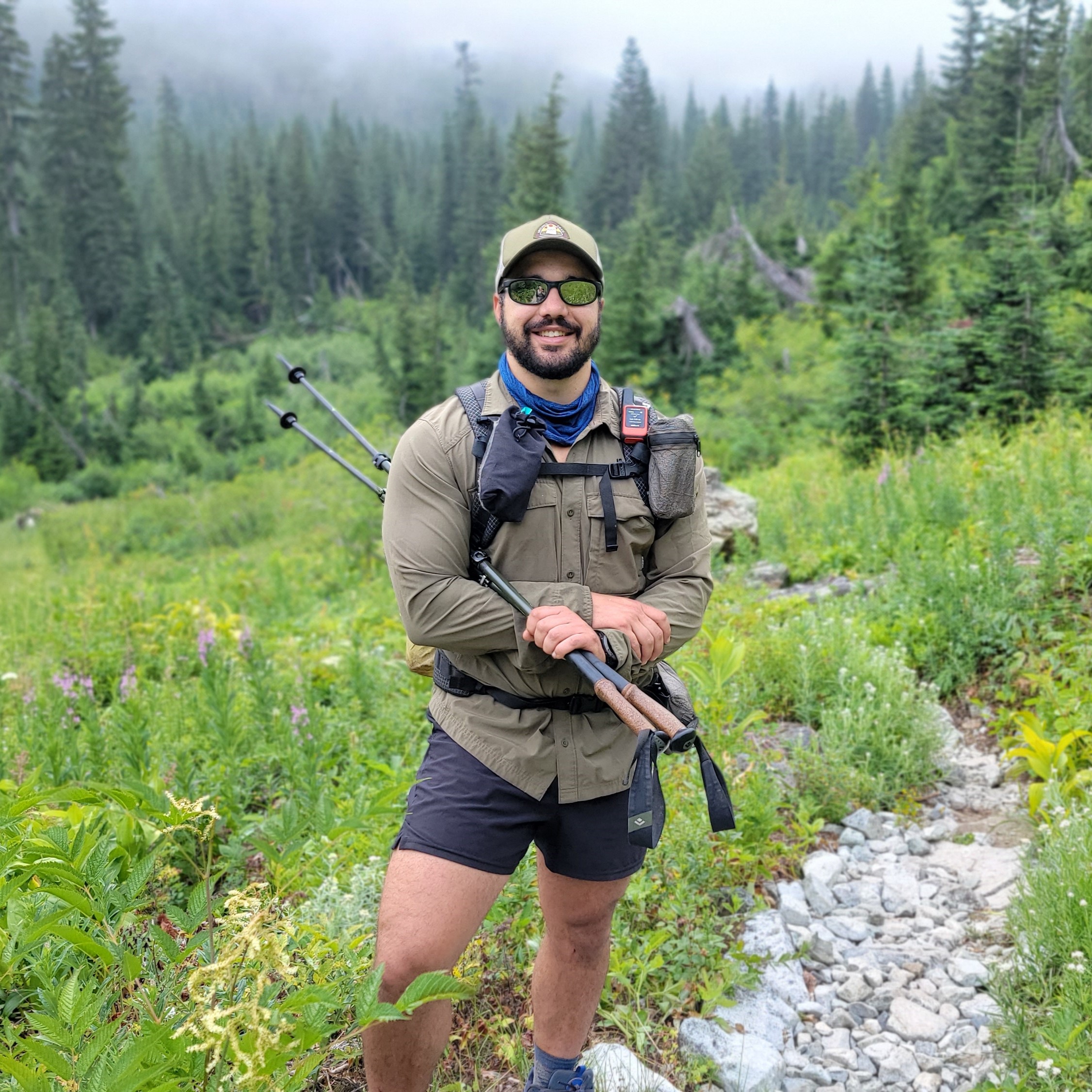
Embarking on a 10-day hill hiking journey requires careful preparation, rigorous physical conditioning, and comprehensive logistical planning. This guide details how to structure a multi-day itinerary, manage technical gear, navigate terrain safely, and handle nutrition and hydration across extended cross-country treks.
Introduction to Multi-Day Hill Trekking
A 10-day hill hiking expedition represents a profound test of endurance, mental resilience, and logistical capability. Unlike single-day hikes or weekend excursions, a ten-day continuous trek requires self-sufficiency or carefully coordinated resupply strategies. Hills and mid-altitude ranges present unique challenges—rapidly changing weather patterns, steep and sustained ascents, loose footing, and variable water availability.
Successfully completing an epic hill walking adventure demands a shift from casual day-hiking mentalities to expedition-style management. Every item carried in your pack must justify its weight. Every campsite must be selected with weather exposure, water access, and environmental impact in mind. This guide outlines the essential phases of preparing for, executing, and recovering from a 10-day hill hiking adventure, ensuring you remain safe, efficient, and deeply immersed in the landscape.
Pre-Trip Conditioning and Physical Preparation
Physical readiness is the primary determinant of success on a multi-day hill hike. Hills inflict repetitive strain on the cardiovascular system, quadriceps, calves, and stabilizing core muscles. Without targeted preparation, cumulative fatigue sets in by day three, increasing the risk of injury and reducing enjoyment.
Cardiovascular Endurance
Build a strong aerobic base through sustained running, cycling, or rowing sessions lasting 45 to 90 minutes, three to four times a week. Incorporate interval training to simulate steep climbs where your heart rate spikes significantly.
Strength and Resistance Training
Focus on eccentric leg strength to protect your knees during steep descents. Key exercises include:
- Weighted Step-Ups: Use a 12-to-18-inch box while carrying a loaded backpack.
- Bulgarian Split Squats: Build single-leg stability and quadriceps endurance.
- Romanian Deadlifts: Strengthen hamstrings and lower back muscles to support heavy pack-carrying.
- Core Planks: Enhance trunk stability to prevent pack-induced lower back strain.
Ruck Training (Loaded Walking)
Begin training with a weighted pack at least eight weeks before departure. Start with 15% of your total body weight and gradually increase to your expected expedition weight (typically 25% to 30% of body weight). Focus on distance and elevation gain rather than sheer speed.
Equipment Selection and Packing Strategy
Your backpack is your mobile home for ten days. Selecting the correct gear ensures comfort, protection against hypothermia, and reliable navigation.
The Big Three: Shelter, Sleep System, and Pack
- Tent: Choose a three-season or four-season tent depending on your geographic region, featuring a high hydrostatic head waterproof rating and sturdy aluminum poles capable of withstanding high ridge winds.
- Sleeping Bag: Select a down or synthetic bag with a comfort rating at least 5°F to 10°F lower than the expected minimum nighttime temperature.
- Sleeping Pad: Opt for an insulated sleeping pad with a high R-value (R-3 or higher) to prevent conductive heat loss from the cold ground.
- Backpack: A 50-to-70-liter internal frame pack with a load-transferring hip belt is ideal for a 10-day self-supported trek.
Technical Apparel and Footwear
Avoid cotton entirely, as it retains moisture and accelerates conductive heat loss. Adhere to a layered clothing system:
- Base Layer: Moisture-wicking synthetic or merino wool top and bottom.
- Insulating Layer: Lightweight fleece or a packable down/synthetic jacket.
- Shell Layer: Waterproof, breathable hard-shell jacket and pants.
- Footwear: Broken-in waterproof hiking boots or trail runners with aggressive lug patterns. Pair with merino wool hiking socks and carry extra pairs to prevent trench foot.
10-Day Hill Itinerary Framework
While exact routes vary by region, a successful 10-day trek follows a structured progression of distance, elevation, and recovery. The following framework provides a balanced template for expedition planning.
| Phase | Days | Focus and Objectives | Average Daily Mileage | Elevation Profile |
|---|---|---|---|---|
| Acclimatization | Days 1–2 | Low-to-moderate mileage, checking gear functionality, adjusting pack fit. | 6–8 miles | Moderate rolling hills |
| Ascent & Expansion | Days 3–5 | Reaching higher ridge lines, managing sustained climbs, monitoring hydration. | 8–12 miles | Significant cumulative gain |
| Traverse & Endurance | Days 6–8 | High-altitude or remote ridge walking, dealing with cumulative fatigue. | 10–14 miles | Undulating ridge lines |
| Descent & Return | Days 9–10 | Gradual descent to lower elevations, final push, gear inventory. | 6–10 miles | Net downward profile |
Nutrition, Hydration, and Trail Kitchen Management
Sustaining energy across ten days of strenuous hill climbing requires careful caloric budgeting and water management.
Caloric Requirements
Hill hiking burns between 3,000 and 5,000 calories per day depending on pack weight, terrain steepness, and weather. Pack lightweight, calorie-dense foods such as nuts, nut butters, dried fruit, energy bars, freeze-dried meals, and olive oil supplements. Aim for an average of 1.5 to 2 pounds of food per person per day.
Hydration and Water Purification
Dehydration impairs cognitive function, increases muscle soreness, and degrades physical performance. Consume a minimum of 3 to 4 liters of water daily, adjusted for ambient temperature and exertion level.
- Purification Methods: Carry a dual-action system—such as a hollow-fiber membrane filter (e.g., Sawyer or Katadyn) backed up by chemical treatment tablets (chlorine dioxide) or a UV purifier—to combat waterborne pathogens like Giardia and Cryptosporidium.
- Water Planning: Study topographic maps prior to departure to identify reliable streams, springs, and tarns. Never rely on a single water source in arid or drought-prone hill ranges.
Navigation, Safety, and Emergency Protocols
Remote hill environments offer limited cellular connectivity and delayed emergency rescue response times. Self-reliance and proactive risk management are essential.
Navigation Tools
Never rely solely on digital smartphone applications, as cold temperatures rapidly drain batteries.
- Carry a physical topographic map of the area (water-resistant or stored in a map case).
- Bring a reliable baseplate compass and know how to take bearings and triangulate your position.
- Utilize a GPS handheld device or satellite communicator (such as a Garmin inReach) as a supplementary tool for tracking progress and sending SOS signals if catastrophic injury occurs.
Weather Monitoring and Emergency Preparedness
Mountain weather changes within minutes. Monitor local forecasts rigorously before entering remote sectors. Watch for towering cumulonimbus clouds indicating afternoon thunderstorms, dropping barometric pressure, or sudden temperature drops.
- Hypothermia Prevention: Know the early signs of hypothermia (shivering, confusion, clumsiness) and act immediately by adding layers, consuming warm fluids, and seeking shelter.
- First Aid Essentials: Carry a comprehensive wilderness first aid kit containing blister treatments, trauma dressings, elastic bandages, analgesics, antihistamines, and emergency thermal blankets.
Frequently Asked Questions
How much physical training is needed before a 10-day hill hike?
You should begin structured cardiovascular and strength training at least 3 to 6 months prior to departure. Focus on weighted stair climbs, long-distance weekend day hikes with a loaded pack, and core stability exercises to build the specific muscular endurance required for steep terrain.
How do I manage heavy pack weight over ten days?
Keep your base weight (everything except food, water, and fuel) under 25 pounds by auditing your gear. Multi-use items—such as using trekking poles to pitch a tarp or shelter—significantly reduce overall weight. Dehydrate fresh food or rely on commercial freeze-dried meals to minimize food weight.
What is the best strategy for purifying water in remote hills?
A combination approach is safest. Use a mechanical pump or squeeze filter to remove particulate matter and bacteria, then treat the filtered water with chlorine dioxide drops to neutralize viruses. Always carry extra purification tablets in case your primary filter freezes or breaks.
How do I handle sudden severe weather above the tree line?
If lightning or severe winds strike while you are exposed on an open ridge, descend immediately below the tree line or into a dry valley. Avoid solitary tall trees, shallow caves, and water channels. Pitch your tent securely or construct an emergency bivy if evacuation is impossible.
Can I complete a 10-day hill trek as a solo hiker?
Solo hill trekking is possible for experienced backpackers with advanced wilderness navigation and survival skills. However, it carries inherently higher risks. If you hike solo, leave a detailed itinerary with a reliable contact, establish daily check-in times using a satellite communicator, and exercise extreme conservatism in decision-making.
Conclusion and Next Actions
A 10-day hill hiking adventure offers an unmatched opportunity to disconnect from routine distractions and experience raw, remote wilderness. Success relies entirely on meticulous preparation—from strengthening your physical resilience and selecting high-performance gear to mastering navigation and nutritional planning. Begin your journey by mapping your chosen route, acquiring topographic maps, and committing to a structured physical conditioning program several months before your launch date.